



What Information Should You Provide When Requesting RFID Tag Samples?
Requesting RFID tag samples is an important step before selecting tags for a tracking or identification project. Samples allow you to evaluate compatibility, installation methods, and reading performance in your actual working environment.
However, suppliers need sufficient information to recommend suitable samples. A clear request can reduce unnecessary communication and help ensure that the samples you receive match your application requirements.
Describe Your Application
Start by explaining what you want to identify or track. Different applications may require different RFID tag designs.
For example:
Asset tracking: Equipment, tools, and reusable containers
Warehouse management: Cartons, pallets, and inventory items
Industrial manufacturing: Components, work-in-progress products, and production equipment
Retail management: Products, packaging, and merchandise
Also explain how the tags will be used, such as inventory counting, item identification, access management, or movement tracking.
Provide the Material and Surface Information
The material of the tagged object can affect RFID tag selection.
Tell the supplier whether the tag will be attached to:
Metal surfaces
Plastic products
Glass containers
Cardboard packaging
Fabric or textile materials
Wooden or composite surfaces
For metal applications, mention this clearly because standard RFID tags may not be suitable. An anti-metal RFID tag may be required.
Specify the RFID Frequency
Indicate which RFID frequency your project uses, if known:
LF: Commonly used in certain animal identification and access applications.
HF: Used in applications such as NFC, ticketing, and selected identification systems.
UHF: Commonly used for warehouse inventory, logistics, and asset tracking.
If you are unsure which frequency is appropriate, provide details about your existing reader or system. The supplier can then help assess compatibility.
Share Size and Installation Requirements
Provide the available installation space and preferred tag dimensions. If possible, include a drawing, photograph, or measurements of the mounting area.
You should also explain the installation method:
Adhesive mounting
Screw or rivet installation
Cable ties
Embedding into a product
Integration into packaging or equipment
For curved, narrow, or irregular surfaces, explain the shape and available mounting space so the supplier can recommend a suitable design.
Explain the Working Environment
Describe the conditions in which the RFID tags will operate. Relevant information may include:
Indoor or outdoor use
Operating temperature
Exposure to water, dust, or chemicals
Vibration, impact, or repeated handling
Exposure to sunlight or changing weather conditions
These details help determine whether the sample needs a particular housing material, adhesive, or protection rating.
Provide Reader and Testing Information
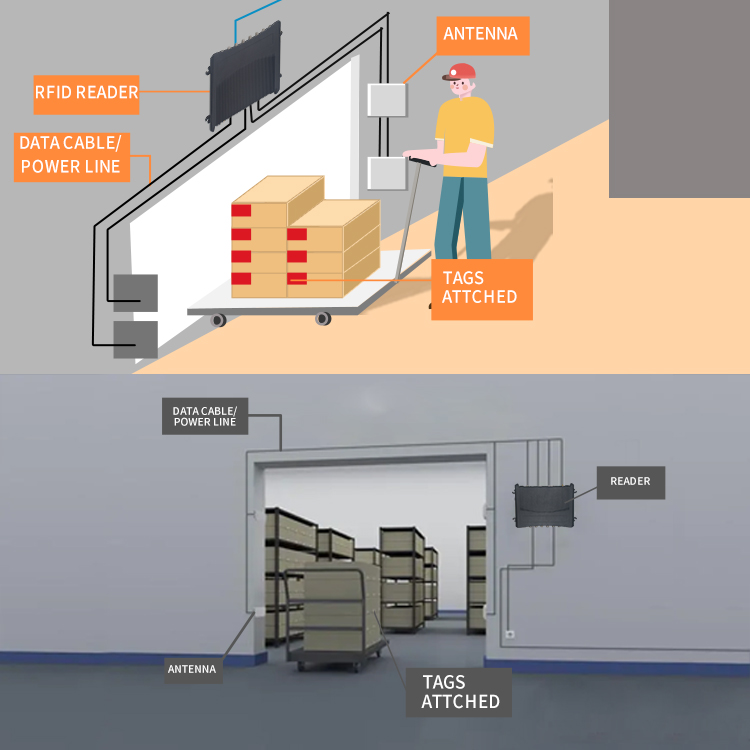
If you already have an RFID system, share the reader model, operating frequency, antenna type, and other relevant equipment details.
You should also explain what you want to test, such as:
Reading performance at a specific distance
Reading tags on the actual target material
Identification of multiple tags
Reading during item movement
Compatibility with existing RFID equipment
Whenever possible, test samples using the same reader, antenna, installation position, and operating conditions planned for actual deployment.
Confirm Sample Quantity and Customization Needs
Tell the supplier how many samples you need and whether you require standard or customized tags.
If customization is necessary, provide details such as:
Tag dimensions and shape
Chip or memory requirements, if known
Printed information, logos, or barcodes
Encoding requirements
Housing color or material
Adhesive or mounting options
You can also ask whether sample customization, production lead time, and future bulk orders are available.
RFID Tag Sample Request Checklist
Before sending your inquiry, prepare the following information:
Application and items to be identified
Target material and surface conditions
RFID frequency or reader model
Required tag size and installation method
Operating environment
Testing objectives
Sample quantity
Customization requirements
A successful RFID tag sample request starts with clear application information. By providing details about the target object, material, frequency, installation method, working environment, and testing requirements, you give the supplier a better basis for recommending suitable samples.
If some technical specifications are not yet confirmed, that is fine. Share the information you have and ask the supplier to help evaluate the remaining requirements before sample testing.
Frequently Asked Questions
1. Do I need to know the RFID chip model before requesting samples?
No. If you do not have a specific chip requirement, describe your application and existing RFID equipment. The supplier can help identify suitable options.
2. How many RFID tag samples should I request?
The quantity depends on your testing plan. Request enough samples to evaluate different installation positions, materials, and operating conditions.
3. Can I request customized RFID tag samples?
Yes. Many suppliers can discuss customized dimensions, materials, mounting methods, and printing or encoding requirements. Confirm the available options before placing the sample request.