



Making Every Asset Count: RFID Solutions for Modern Industry
Modern industrial operations depend on the ability to identify, locate, and manage assets efficiently. From production equipment and raw materials to warehouse inventory and transportation containers, every asset plays a role in keeping business operations running smoothly.
However, as manufacturing facilities and supply chains become more complex, traditional tracking methods can struggle to keep up. Manual inventory checks, barcode scanning, misplaced equipment, and disconnected information systems can create unnecessary delays and increase operating costs.
This is where RFID solutions for modern industry make a difference.
Radio Frequency Identification (RFID) technology enables businesses to automatically identify and track physical assets using radio waves. By attaching RFID tags to equipment, products, containers, and other valuable items, companies can improve asset visibility, streamline inventory management, and gain better control over daily operations.
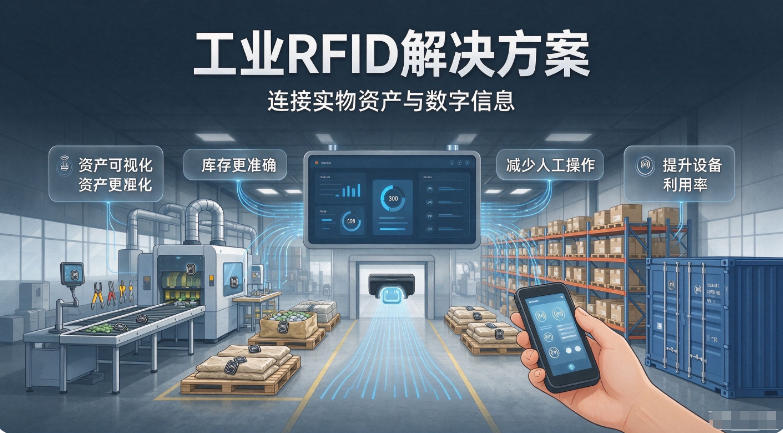
More importantly, RFID connects physical assets with digital information, helping industrial businesses build more efficient, transparent, and intelligent operations.
What Are RFID Solutions for Modern Industry?
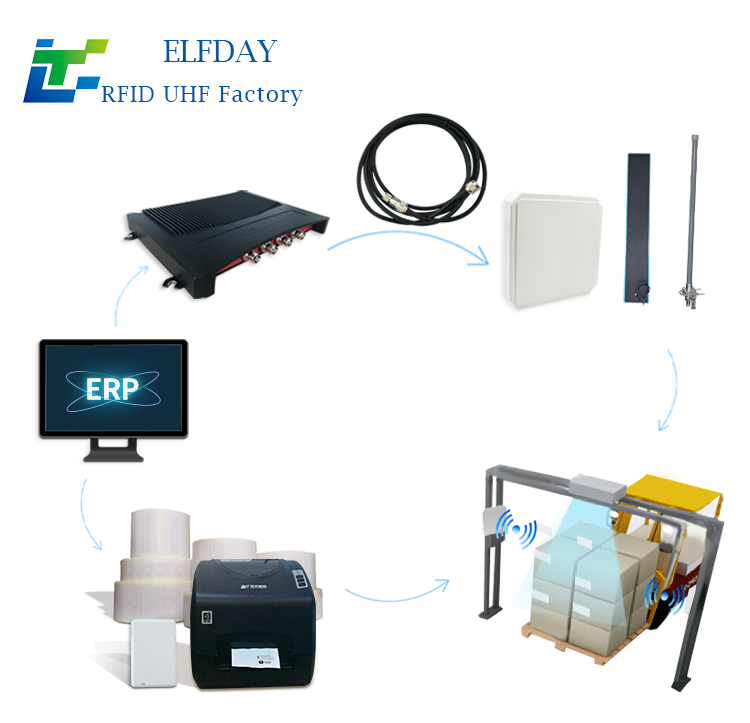
RFID solutions for modern industry are identification and tracking systems that use RFID tags, readers, antennas, and software to collect and manage asset-related information automatically.
Each RFID tag contains a unique identification number that allows an individual item to be recognized by an RFID reader. Depending on the system configuration, multiple tags can be identified without requiring direct line-of-sight scanning.
An industrial RFID system typically includes four main components:
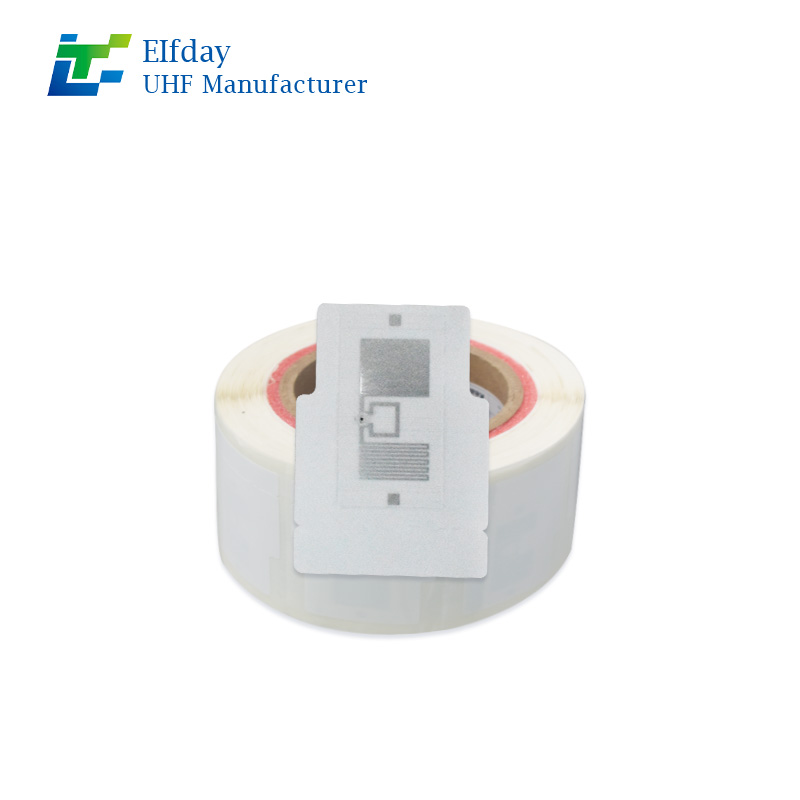
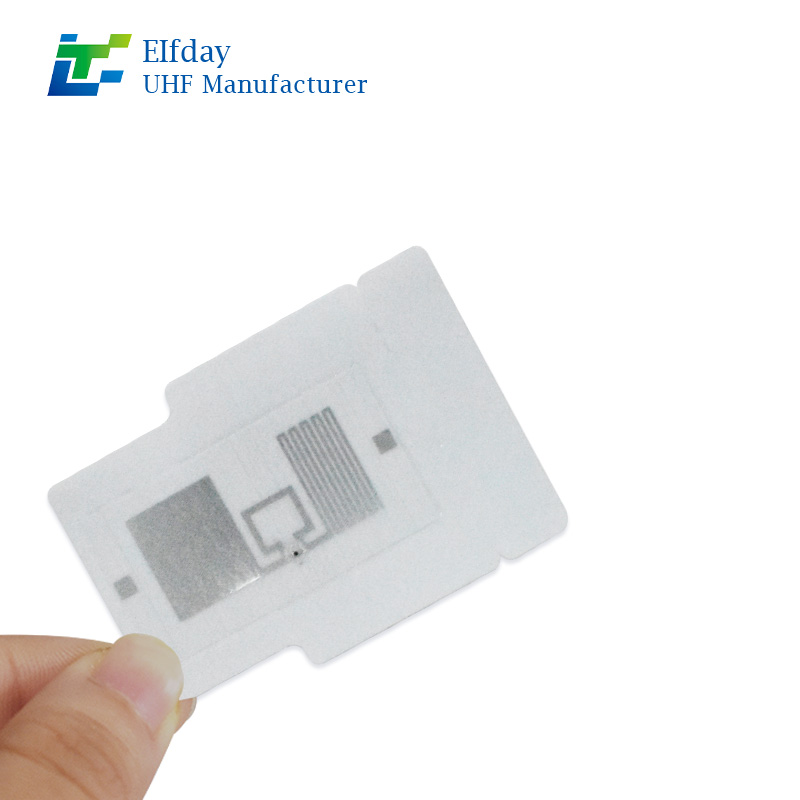
RFID Tags: Attached to equipment, products, tools, containers, or other assets to provide unique identification.
RFID Readers: Communicate with tags and collect identification data.
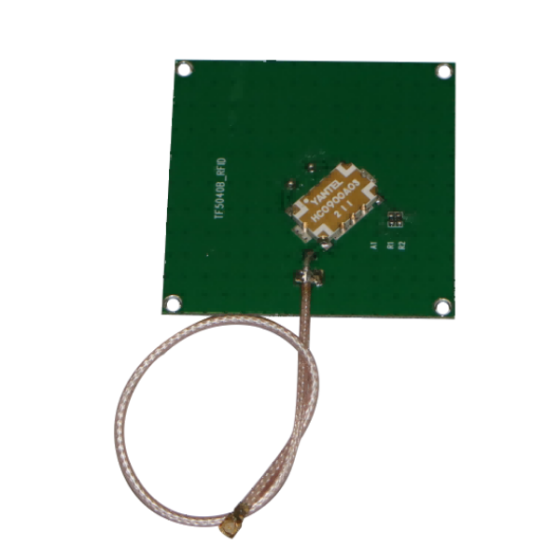
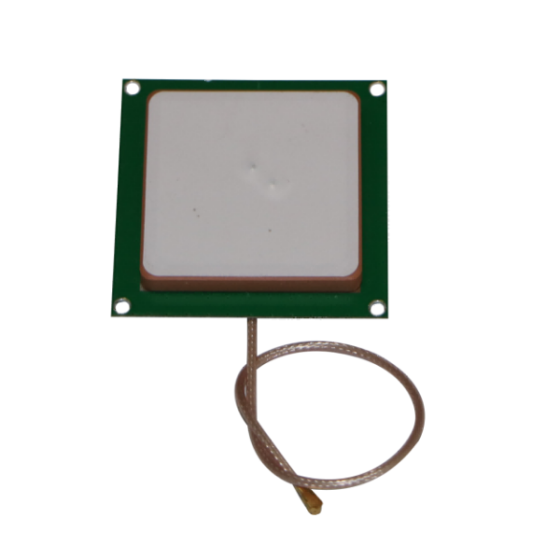
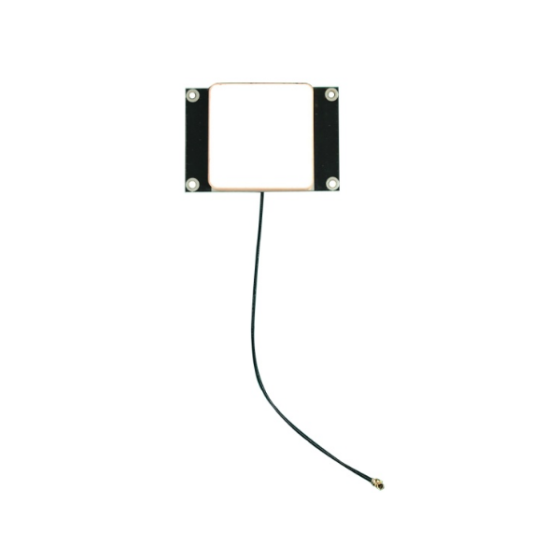
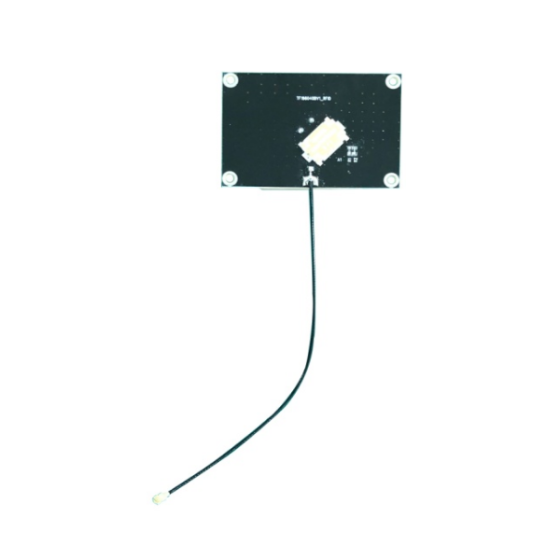
RFID Antennas: Transmit and receive radio frequency signals to establish communication between readers and tags.
RFID Software: Processes collected information and connects asset data with inventory, warehouse, manufacturing, or enterprise management systems.
Together, these components create an automated identification system that helps businesses understand what assets they have, where they move, and how they are being used.
Why Modern Industries Need RFID Asset Tracking
Industrial businesses manage thousands of assets across production areas, warehouses, storage facilities, and distribution networks. Keeping track of these assets manually can become increasingly difficult as operations expand.
RFID technology addresses several common challenges.
1. Improve Asset Visibility
Knowing where equipment and materials are located is essential for maintaining efficient industrial operations.
Without an effective tracking system, employees may spend considerable time searching for tools, machinery, spare parts, or reusable containers.
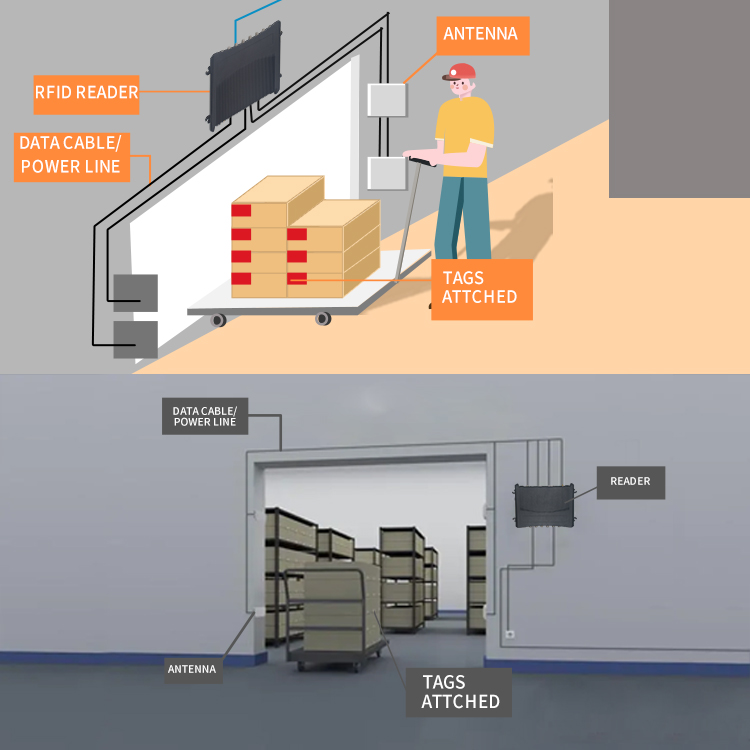
RFID asset tracking helps businesses record asset movements at designated checkpoints. Fixed RFID readers can automatically identify tagged items as they enter or leave specific areas, while handheld readers support inventory checks and asset searches.
This provides better visibility into asset locations and movement history, making it easier to manage valuable resources.
2. Increase Inventory Accuracy
Traditional inventory management often depends on manual counting and barcode scanning. These processes can be time-consuming, particularly in large warehouses containing numerous products and storage locations.
RFID inventory management allows multiple tagged items to be identified quickly without scanning each barcode individually.
Businesses can use RFID technology to support:
Automated inventory counting.
Stock receiving and verification.
Warehouse inventory monitoring.
Shipment checking.
Inventory discrepancy identification.
By improving the accuracy and frequency of inventory data collection, RFID helps businesses make more informed purchasing and replenishment decisions.
3. Reduce Manual Work and Operational Delays
Manual data collection requires employees to repeatedly scan items, record information, and update inventory systems.
These tasks can consume valuable working hours and increase the possibility of human error.
RFID automates many identification processes. For example, when tagged materials pass through an RFID reading zone, the system can capture their identification information without requiring employees to scan every item individually.
This helps reduce repetitive work and allows staff to focus on more important operational activities.
4. Strengthen Asset Utilization and Maintenance Management
Industrial equipment represents a significant investment. Poor asset visibility can lead to underutilized machinery, unnecessary equipment purchases, and delayed maintenance.
By assigning RFID tags to machinery, tools, and production equipment, businesses can create digital asset records and associate them with usage, inspection, and maintenance information.
RFID-based identification can help maintenance teams locate equipment, verify asset identities, and access relevant maintenance records.
When integrated with maintenance management software, RFID can also support inspection workflows and maintenance scheduling.
Key RFID Applications Across Modern Industry
RFID technology is flexible enough to support different industrial processes. The most suitable RFID solution depends on the type of asset, operating environment, required reading distance, and tracking objectives.
Manufacturing and Production Management
Manufacturing facilities need accurate information about raw materials, components, work-in-progress products, and finished goods.
RFID tags can be attached to production materials, pallets, containers, and manufacturing equipment to support identification throughout the production process.
For example, an RFID-enabled manufacturing system can record when tagged materials arrive at a production station, move to another processing area, or reach the finished goods warehouse.
This helps production managers improve material visibility, monitor work-in-progress status, and identify potential process delays.
Common applications include:
Raw material identification.
Work-in-progress tracking.
Production line management.
Tool and equipment identification.
Finished product traceability.
Warehouse and Inventory Management
Warehouses handle continuous movements of goods between receiving areas, storage locations, picking zones, and shipping docks.
RFID technology can automate identification at important warehouse checkpoints.
RFID readers installed at receiving or shipping areas can identify tagged products, cartons, pallets, and containers as they move through designated reading zones.
This supports automated receiving verification, inventory updates, order preparation, and shipment checking.
For warehouses using metal storage racks or metal containers, on-metal RFID tags can provide a suitable identification option for metallic assets.
Logistics and Supply Chain Tracking
Modern supply chains involve multiple transportation stages, distribution centers, suppliers, and customers.
Without consistent identification and tracking, businesses may find it difficult to understand where goods are located or when they move between different facilities.
RFID tags provide unique identities for products, pallets, reusable containers, and transportation assets.
When combined with RFID readers and connected software, businesses can record key movement events throughout the logistics process.
This improves shipment visibility, supports inventory coordination, and helps reduce discrepancies between physical goods and recorded information.
Equipment and Tool Management
Tools, instruments, and specialized equipment are essential to many industrial operations.
However, these assets are frequently moved between departments, production lines, maintenance areas, and storage locations.
RFID tags for equipment allow businesses to identify individual assets and maintain digital records associated with each item.
Depending on the system design, RFID can support:
Equipment identification and verification.
Tool inventory management.
Maintenance record access.
Equipment check-in and check-out.
Asset movement monitoring.
This is particularly useful for businesses managing large numbers of reusable or high-value industrial assets.
Vehicle and Container Management
Vehicles, trailers, shipping containers, and reusable transport assets often move between multiple locations.
RFID technology can help automate vehicle identification at access points, loading areas, and designated checkpoints.
By attaching suitable RFID tags to vehicles or containers, businesses can support entry verification, movement records, and asset identification.
For outdoor applications, RFID tags should be selected according to their resistance to weather, moisture, dust, temperature changes, and mechanical impact.
Choosing the Right RFID Tags for Industrial Applications
Not all RFID tags are suitable for every industrial environment. Selecting the right tag is essential for achieving consistent reading performance and long-term durability.
Several factors should be considered before choosing an industrial RFID tag.
Operating Frequency
RFID systems commonly use three frequency categories:
| RFID Frequency | Common Applications | Key Characteristics |
|---|---|---|
| LF (Low Frequency) | Animal identification, specialized access applications | Short reading distance and specific identification requirements |
| HF (High Frequency) | Smart cards, library systems, item identification | Short-range communication, commonly operating at 13.56 MHz |
| UHF (Ultra-High Frequency) | Warehouse management, logistics, industrial asset tracking | Suitable for longer-range identification and bulk reading applications |
UHF RFID is widely used in industrial tracking applications because it can support fast identification of multiple tagged assets. However, the appropriate frequency depends on the operating environment and system requirements.
Material Compatibility
The surface where an RFID tag is installed can significantly influence its performance.
Standard RFID labels are commonly used on cardboard, plastic, and other non-metallic materials. However, metal can interfere with conventional RFID antenna performance.
For metallic assets, on-metal RFID tags are designed to maintain more reliable communication when mounted directly on metal surfaces.
For other applications, flexible RFID labels, industrial RFID tags, or specialized encapsulated tags may be more suitable.
Environmental Resistance
Industrial RFID tags may be exposed to demanding operating conditions, including:
High and low temperatures.
Water and humidity.
Dust and oil.
Industrial chemicals.
Vibration and impact.
Outdoor weather conditions.
Businesses should review the tag's operating temperature range, IP protection rating, housing materials, and mounting method before deployment.
Reading Distance and Installation Requirements
The required reading distance depends on the application.
For example, a tool identification system may only require short-range reading, while a warehouse gate or logistics tracking system may need to identify tagged assets from a greater distance.
Reader power, antenna configuration, tag orientation, mounting position, and surrounding materials should all be considered during system design.
Testing under actual operating conditions is essential to verify that the selected RFID tags meet the required performance expectations.
How RFID Supports Industry 4.0 and Smart Manufacturing
Industry 4.0 focuses on connecting industrial equipment, production processes, and digital systems to create more intelligent and automated manufacturing environments.
RFID contributes to this transformation by giving physical assets unique digital identities.
When RFID systems are integrated with manufacturing execution systems (MES), enterprise resource planning (ERP) platforms, and warehouse management systems (WMS), identification data can become part of a broader industrial information network.
For example:
-
An RFID tag identifies a component entering a production facility.
-
A fixed reader captures the component's identity at a designated checkpoint.
-
The system associates the identification data with the relevant production order.
-
As the component moves through manufacturing, additional reading points record important process events.
-
Managers can access updated information about material movement and production progress.
This creates a stronger connection between physical operations and digital management systems.
RFID does not replace the need for industrial software or automation infrastructure. Instead, it provides an identification and data-capture layer that helps these systems work with more accurate information.
How to Implement an Effective Industrial RFID Solution
Successful RFID implementation requires more than installing tags and readers. Businesses should begin by identifying their operational challenges and defining measurable objectives.
Step 1: Identify the Assets to Be Tracked
Determine which assets require identification, such as equipment, tools, raw materials, finished products, pallets, or transportation containers.
Step 2: Evaluate the Operating Environment
Consider mounting surfaces, reading conditions, temperature, moisture, dust, chemicals, and potential physical damage.
Step 3: Select Suitable RFID Tags
Choose tags according to frequency, size, reading requirements, material compatibility, durability, and installation method.
Step 4: Plan Reader and Antenna Placement
Identify important reading points, including warehouse entrances, production lines, storage areas, and loading docks.
Step 5: Integrate RFID Data with Business Systems
Connect collected identification information with relevant inventory, asset management, ERP, or WMS platforms.
Step 6: Test and Optimize System Performance
Conduct pilot testing under real operating conditions. Evaluate reading consistency, unwanted reads, tag attachment, and data accuracy before expanding deployment.
A well-planned implementation helps businesses avoid unnecessary infrastructure costs and build an RFID system that addresses actual operational needs.
The Future of RFID Solutions in Modern Industry
As industrial operations become increasingly connected, the demand for accurate asset identification and automated data collection continues to grow.
RFID technology is becoming an important part of broader digital transformation initiatives, particularly in manufacturing, warehousing, logistics, and supply chain management.
Future industrial applications are likely to place greater emphasis on integrating RFID with the Internet of Things (IoT), cloud-based asset management platforms, industrial automation, and data analytics.
These integrations can help businesses move beyond basic identification toward more connected asset management and process visibility.
Rather than simply knowing whether an item exists in inventory, companies can use connected identification systems to understand where assets move, how materials flow, and where operational improvements may be needed.
For modern industry, the value of RFID lies not only in identifying individual assets but also in turning asset-related data into more effective operational decisions.
Frequently Asked Questions About RFID Solutions for Industry
What are the main benefits of RFID solutions for industrial businesses?
RFID solutions help industrial businesses improve asset visibility, inventory accuracy, identification efficiency, equipment management, and supply chain traceability. They can also reduce repetitive manual scanning and support automated data collection.
How is RFID used in manufacturing?
In manufacturing, RFID tags identify raw materials, components, work-in-progress products, tools, and equipment. RFID readers capture identification data at designated production points, helping businesses monitor material movement and production processes.
Can RFID track industrial equipment?
Yes. RFID tags can be attached to industrial machinery, tools, instruments, and other assets. When combined with RFID readers and asset management software, they support equipment identification, movement monitoring, inventory checks, and maintenance record management.
Is RFID better than barcodes for industrial asset tracking?
RFID and barcodes serve different identification requirements. Barcodes generally require direct scanning, while RFID can identify tags using radio waves without requiring direct line of sight. RFID can also support bulk identification, making it useful for applications involving large numbers of assets. However, system cost, environment, and operational requirements should be considered when choosing between the technologies.
What RFID tags are suitable for metal equipment?
On-metal RFID tags are specifically designed for installation on metallic surfaces. They use specialized antenna structures and tag designs to reduce the effects of metal interference and support more reliable identification.
Can RFID systems integrate with ERP and warehouse management software?
Yes. RFID systems can integrate with ERP, WMS, and MES platforms through suitable software interfaces and data communication methods. This allows RFID identification data to support inventory updates, production tracking, asset management, and other business processes.
Is UHF RFID suitable for industrial asset tracking?
UHF RFID is commonly used for industrial asset tracking because it supports longer reading distances and the identification of multiple tags. Its suitability depends on the required reading performance, tag design, operating environment, and applicable regional frequency regulations.
Making every asset count starts with knowing what a business owns, where its assets are located, and how effectively those resources are being used.
RFID solutions provide modern industries with a practical way to improve asset identification, automate inventory processes, strengthen equipment management, and increase supply chain visibility.
From manufacturing plants and warehouses to logistics networks and outdoor industrial facilities, RFID technology helps connect physical assets with digital information.
By selecting suitable RFID tags, configuring readers correctly, and integrating identification data with existing business systems, companies can build more efficient and transparent operations.
As industrial digitalization continues to evolve, RFID will remain an important technology for businesses looking to improve asset management and make better use of every resource.