



How On Metal RFID Tags Work and Why They Matter
In today’s fast-paced industrial, logistics, and asset management environments, keeping track of valuable equipment and inventory is essential. Standard RFID tags often struggle when applied to metal surfaces, which can interfere with their signals and reduce accuracy. This is where on metal RFID tags come in, providing a reliable solution for tracking metal assets. But how do these tags work, and why are they so important? Let’s take a closer look.
Understanding On Metal RFID Tags
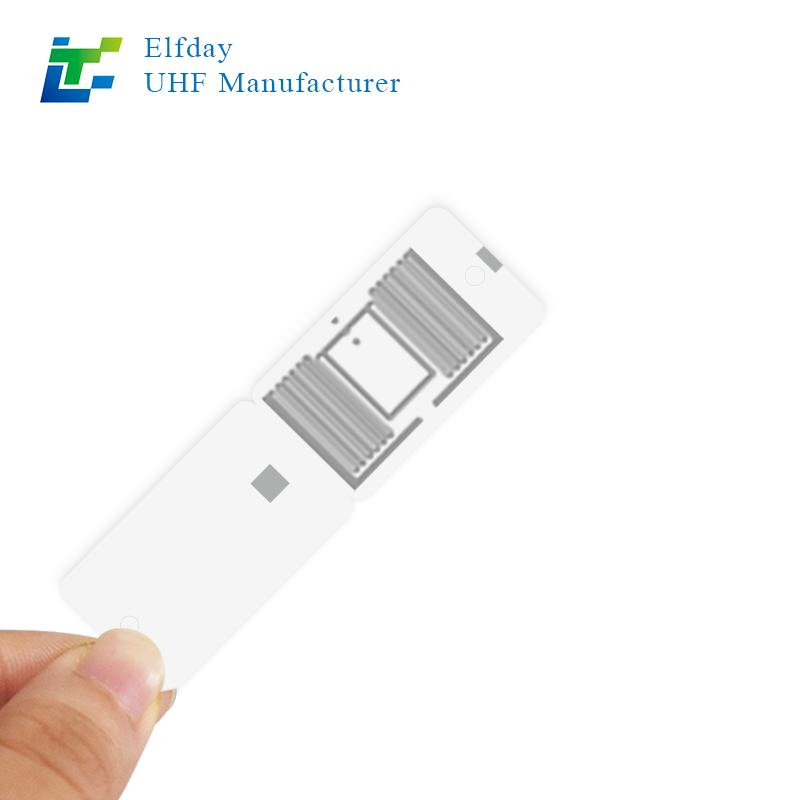
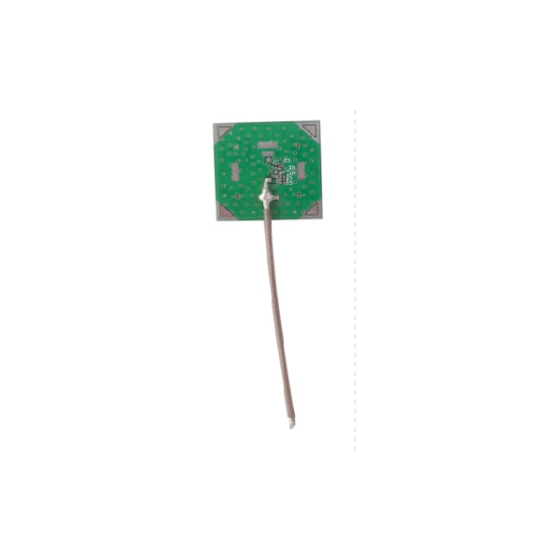
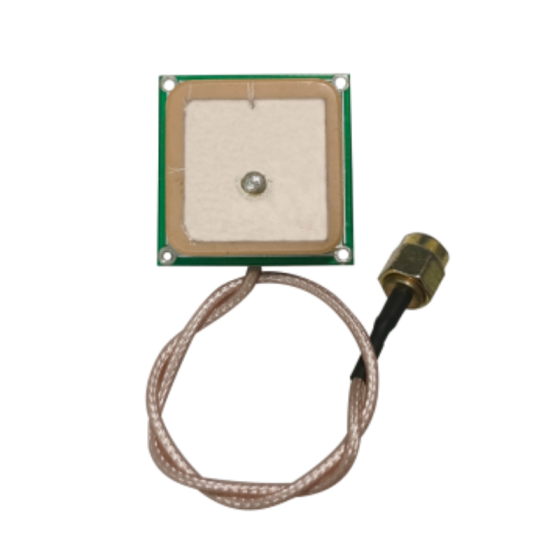
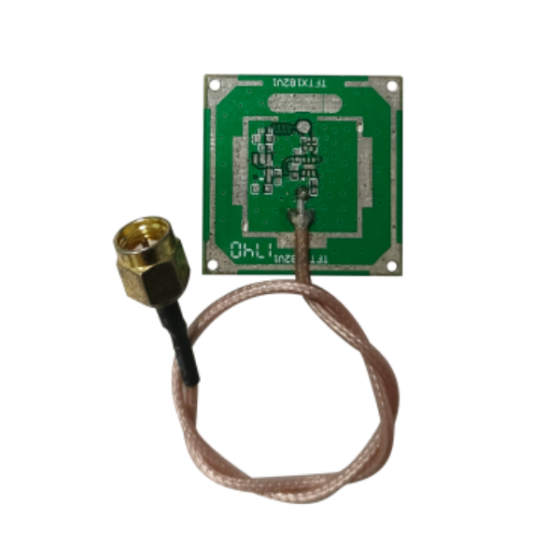
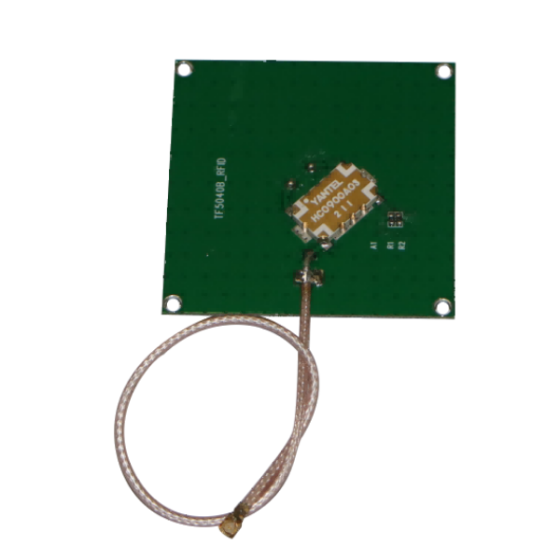
On metal RFID tags are specially designed to function effectively on metal surfaces, unlike traditional RFID tags that can lose signal strength or fail to read when in contact with metal. They achieve this through a combination of innovative materials, shielding techniques, and optimized antenna design. By creating a small gap or using specialized ferrite materials, these tags prevent interference caused by the metal itself, allowing the radio frequency signals to transmit correctly.
These tags are widely used in industries where metal assets are common, such as manufacturing, warehousing, IT asset management, and healthcare. They ensure that every metal object, from tools to machinery and equipment, can be accurately tracked.
How On Metal RFID Tags Work
At their core, on metal RFID tags function similarly to standard RFID tags but with key modifications for metal compatibility. Here’s how they operate:
Antenna Design
The antenna in on metal RFID tags is engineered to maintain signal strength even when placed directly on metal surfaces. The design may include ferrite backing or other materials that absorb and redirect energy, preventing the metal from disrupting the tag’s performance.
Signal Shielding
Standard tags can experience signal reflection or interference on metal, causing read errors. On metal RFID tags use shielding techniques to minimize these effects, ensuring that the tag communicates consistently with RFID readers.
Frequency Optimization
Many on metal RFID tags operate at UHF (Ultra High Frequency), which allows for longer read ranges and better penetration through challenging environments. Some also operate at HF (High Frequency) for specialized applications, offering reliable reads even in dense metal areas.
Durability Features
On metal RFID tags are often built to withstand harsh environments. They can resist high temperatures, moisture, chemicals, and physical impact, making them ideal for industrial, outdoor, or heavy-duty applications.
Why On Metal RFID Tags Matter
Using on metal RFID tags can significantly enhance asset management, operational efficiency, and overall business performance. Here are some reasons they matter:
Accurate Asset Tracking
By reliably reading metal assets, businesses can reduce errors, prevent loss, and maintain precise inventory records.
Operational Efficiency
With automated tracking of metal tools, machinery, or equipment, staff spend less time on manual counting and data entry, allowing teams to focus on higher-value tasks.
Real-Time Monitoring
On metal RFID tags enable real-time tracking, ensuring that you always know the location and status of critical assets.
Reduced Loss and Theft
Accurate tagging and tracking help minimize the risk of misplaced or stolen items, protecting your investments.
Seamless Integration
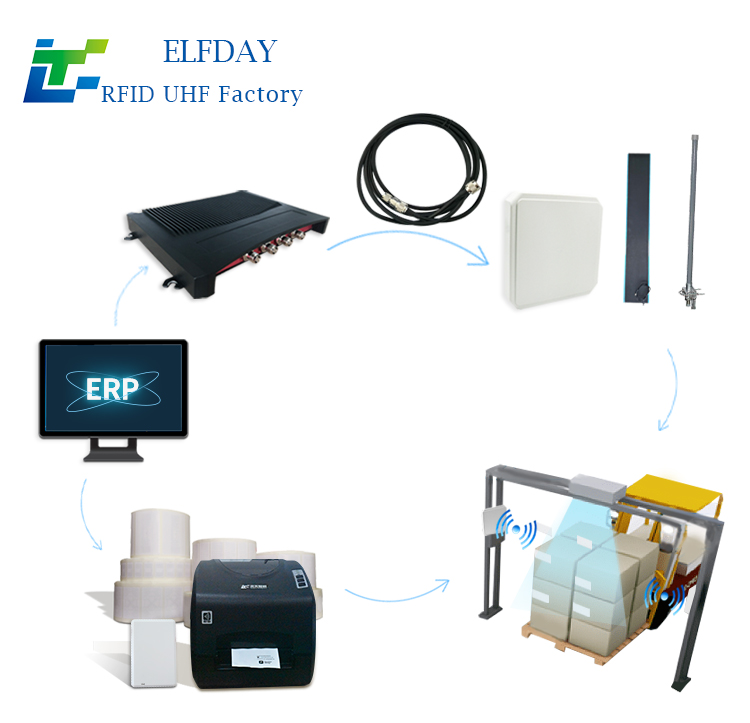
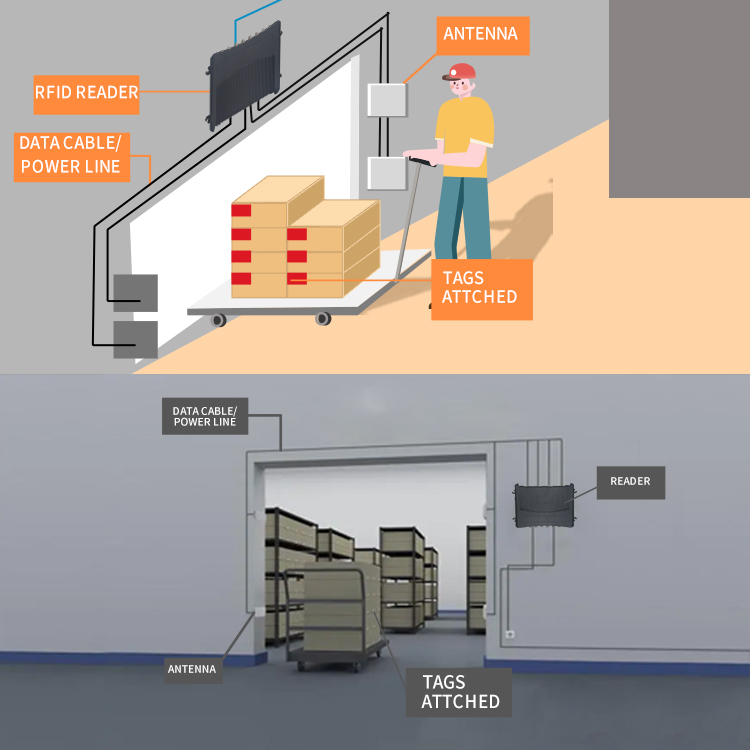
These tags work with existing RFID systems, providing a straightforward upgrade path for companies looking to track metal assets without redesigning their entire system.
Choosing the Right On Metal RFID Tags
While the technology behind on metal RFID tags is impressive, selecting the right tag for your needs is crucial. Consider factors such as:
Environment: Outdoor, industrial, or high-temperature conditions demand durable, resistant tags.
Asset Type: Smaller items may need compact tags, while larger machinery can accommodate bigger tags with longer read ranges.
Read Range: Ensure the tag works effectively within your required distance for scanning or monitoring.
Mounting Options: Adhesive, screw-mount, or other attachment methods should match your asset and environment.
Final Thoughts
On metal RFID tags are more than just tracking tools—they are essential components of modern asset management systems. By understanding how they work and why they matter, businesses can make informed decisions that improve efficiency, reduce errors, and safeguard valuable assets. Whether you’re managing a warehouse, a fleet of machinery, or IT equipment, these tags offer a reliable, long-lasting solution that pays off in accuracy and productivity.
Choosing the right on metal RFID tags today means smarter operations and better control over your assets tomorrow. Invest in the right technology, and you’ll see the difference in your workflow and asset management success.