



How Custom RFID Tag Designs Support Different Tracking Requirements
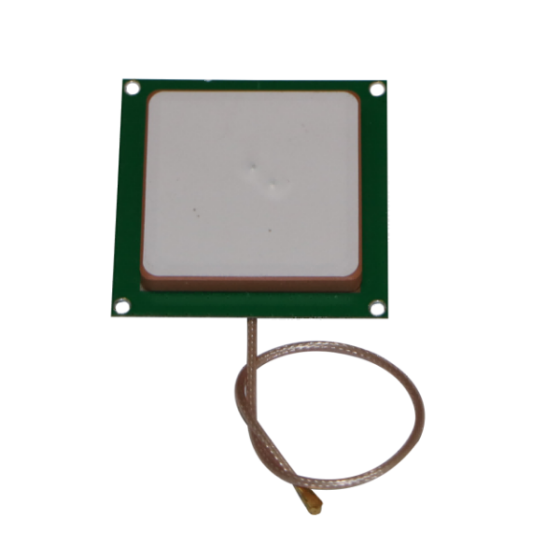
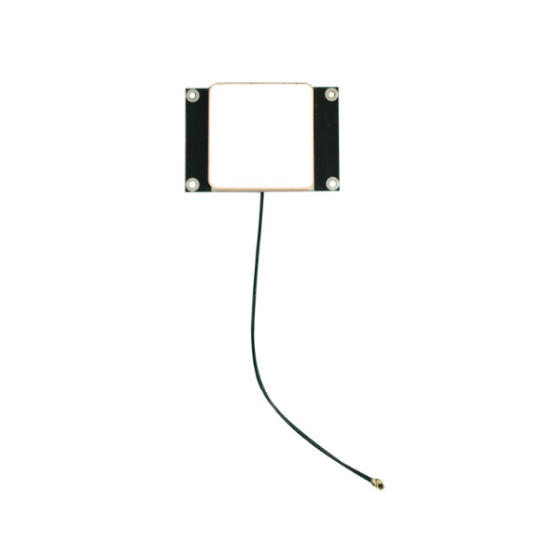
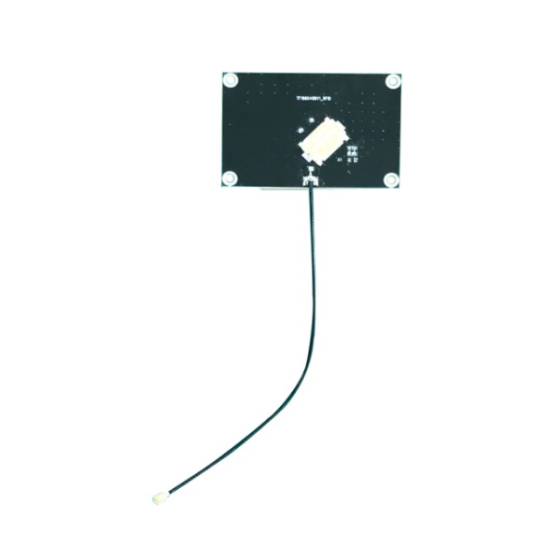
Custom RFID tag designs help businesses adapt identification technology to different products, assets, environments, and tracking workflows. Instead of relying on a single tag format for every application, organizations can select suitable antenna designs, chip types, materials, dimensions, mounting methods, and encoding options to meet specific operational requirements.
For example, warehouse inventory tracking may require efficient identification of multiple items, while industrial asset tracking may depend on durable construction and reliable performance near metal surfaces. Reusable container tracking may prioritize secure attachment and long service life.
Understanding how RFID tag design affects tracking performance helps businesses select suitable configurations and avoid unnecessary customization costs.
Why Does RFID Tag Design Matter for Tracking?
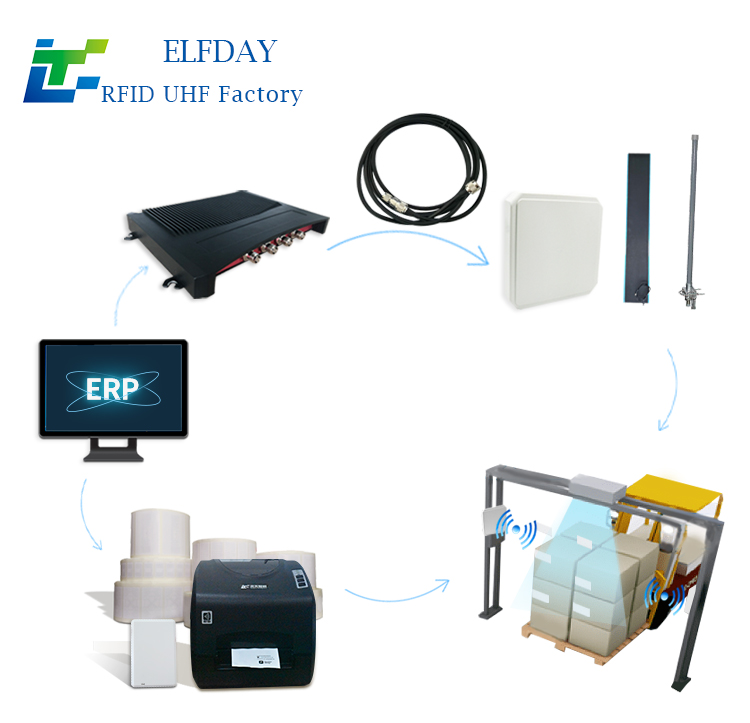
An RFID system identifies tagged objects by communicating between RFID tags and compatible readers. However, not every tag performs equally well in every environment.
The tag's antenna, chip, physical construction, mounting position, and surrounding materials can influence reading performance. The reader configuration and the way items move through the reading zone also matter.
A suitable design should address five main requirements:
-
Identification: Each product or asset can be associated with the correct record.
-
Reading performance: Tags can be detected reliably under the intended operating conditions.
-
Physical compatibility: The tag fits the item's surface, shape, and available mounting space.
-
Environmental durability: The tag can withstand the expected handling and exposure conditions.
-
Workflow integration: Captured tag data can be used by the relevant inventory or asset-management system.
Customization is most useful when standard tag options cannot adequately meet one or more of these requirements.
1. Custom RFID Tags for Inventory Tracking
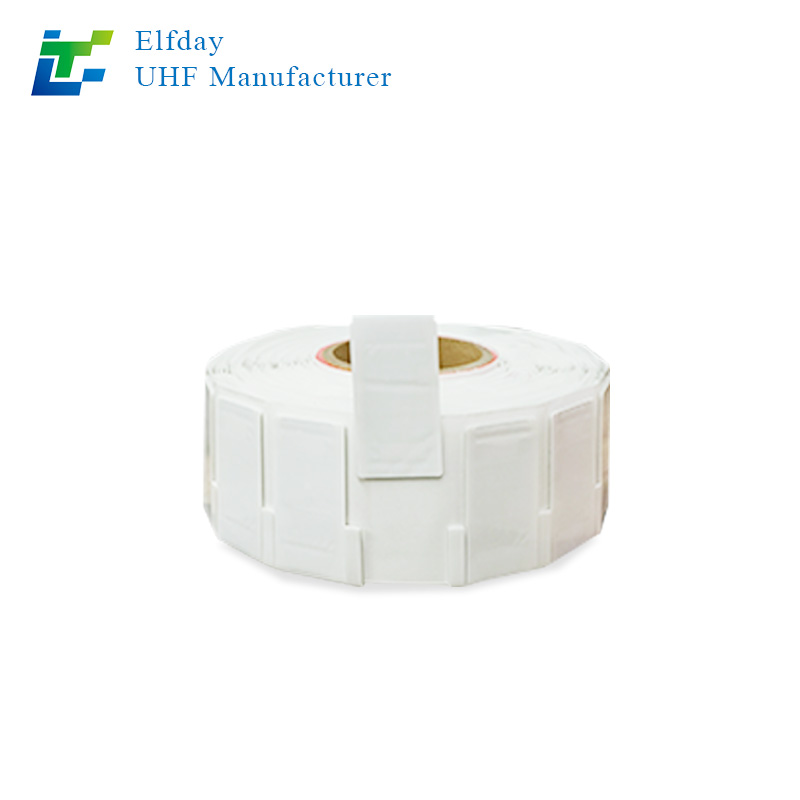
Inventory tracking often involves identifying large numbers of products, cartons, or containers across receiving, storage, picking, and dispatch operations.
In these applications, RFID tag design may prioritize consistent reading, suitable antenna performance, compact dimensions, and compatibility with the selected readers.
Potential design considerations include:
-
Tag dimensions that fit product labels or packaging.
-
Antenna configurations suitable for the intended reading zone.
-
Compatible chips and encoding formats.
-
Printed identifiers or barcodes for manual verification.
-
Adhesives suited to the packaging material.
For example, a warehouse may use RFID labels on cartons to support receiving checks and inventory counts. If the labels are applied close to liquids or metal components, the tag design and placement may need additional testing.
The objective is to help the system identify tagged items efficiently without creating excessive unwanted reads or missed reads.
2. Custom RFID Tags for Asset Tracking
Asset tracking focuses on identifying and managing equipment, tools, machinery, IT devices, and other reusable or high-value items.
Compared with disposable product labels, asset tags may need to remain attached for months or years. Their design must therefore account for service life, physical handling, maintenance, and the material of the asset.
Useful customization options include:
-
Rigid or reinforced housings.
-
Adhesives compatible with the asset surface.
-
Screw, rivet, or cable-tie mounting.
-
Compact designs for limited installation space.
-
On-metal constructions for metal equipment.
-
Printed serial numbers or asset identifiers.
For instance, a maintenance department tracking metal tools may need tags that can withstand repeated handling and remain readable when attached directly to the tool.
Tag selection should consider both identification performance and the practical process of installing, inspecting, and replacing tags.
3. Custom RFID Tags for Metal Surfaces
Metal can affect an RFID tag's antenna and interfere with communication between the tag and reader. A conventional label that performs well on cardboard may not work reliably when attached directly to steel equipment or a metal container.
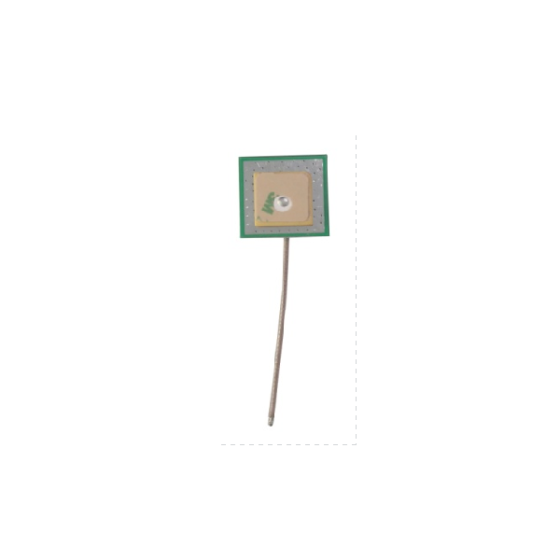
On-metal RFID tags are designed for these applications. Depending on the construction, they may use specialized antenna structures, spacing, or protective housings to support operation near metal surfaces.
When choosing an on-metal design, consider:
-
The type and shape of the metal surface.
-
The available mounting area.
-
Whether the surface is flat or curved.
-
The required reading distance.
-
The reader and antenna configuration.
-
Exposure to impact, vibration, and weather.
A tag that performs well on a large, flat steel plate may behave differently on a narrow metal tool or curved machine component.
Testing the tag in its intended mounting position is therefore an important part of the selection process.
4. Custom RFID Tags for Reusable Containers
Reusable containers, totes, trays, pallets, and returnable transport packaging often move repeatedly between warehouses, production facilities, suppliers, and customers.
Their RFID tags need to support repeated identification throughout the container's service life.
Design priorities may include:
-
Durable housings or protective encapsulation.
-
Secure attachment methods.
-
Suitable performance on plastic or metal containers.
-
Resistance to expected moisture and handling conditions.
-
Consistent identifier assignment.
-
Compatibility with receiving, shipping, and return workflows.
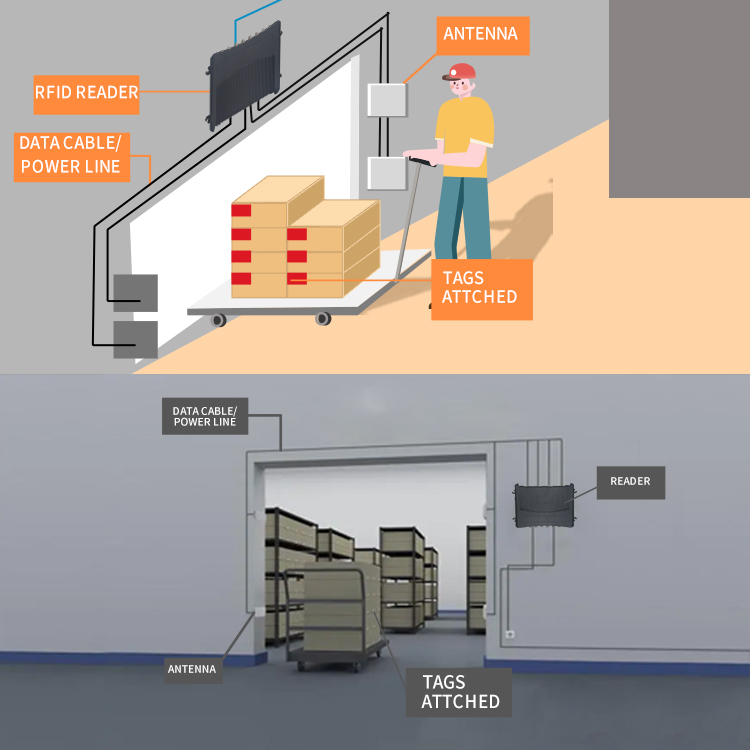
For example, a distribution operation may use RFID readers at selected receiving and dispatch points to record when tagged containers pass through those locations.
These reads can support movement records, return processing, and reconciliation of container inventories. However, RFID does not automatically provide continuous, precise location tracking. Location visibility depends on where readers are installed and how the system processes detection events.
5. Custom RFID Tags for Outdoor and Industrial Environments
Industrial and outdoor applications may expose tags to moisture, dust, temperature changes, ultraviolet light, chemicals, abrasion, and impact.
The appropriate design depends on which conditions the tag will actually encounter.
| Operating condition | Design considerations |
| Rain and moisture | Suitable housing, sealing, and attachment |
| Dust and debris | Protective construction appropriate to the exposure |
| Temperature changes | Verified operating range and adhesive performance |
| Chemical exposure | Compatibility with the specific chemical and concentration |
| Impact and abrasion | Housing strength and mounting security |
| Outdoor sunlight | Material and enclosure suitability for UV exposure |
| Repeated cleaning | Resistance to the cleaning method and chemicals used |
Not every rugged tag is suitable for every industrial environment. Protection against water, for example, does not automatically establish resistance to solvents, high temperatures, or repeated impact.
For demanding applications, define the exposure conditions and confirm the proposed design's specifications through appropriate testing.
6. Custom RFID Tags for Retail and Product Identification
Retail and product-tracking applications often need tags that fit packaging while supporting inventory visibility and product identification.
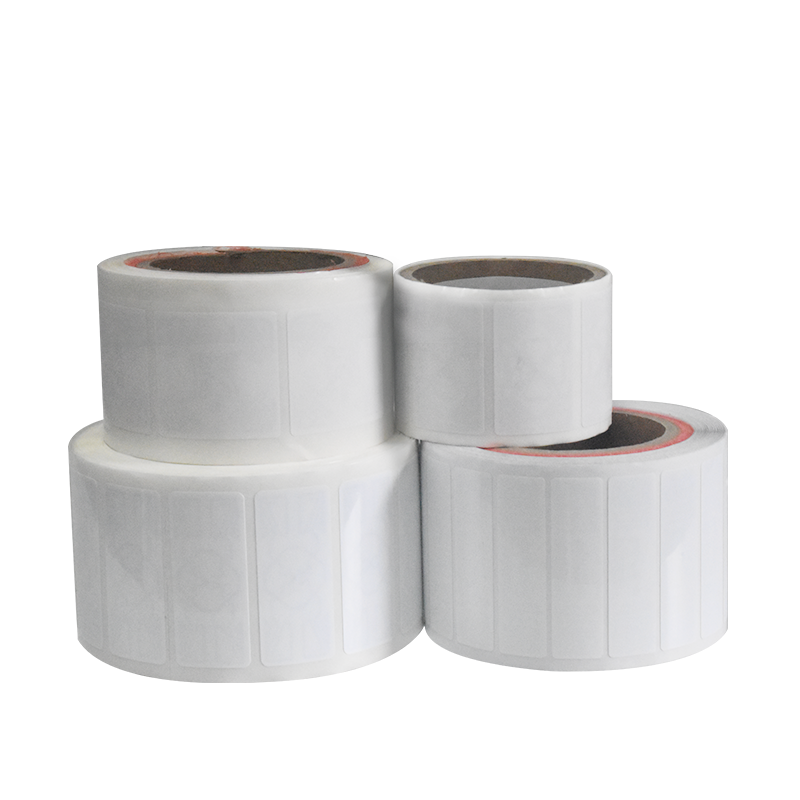
A customized RFID label may combine an electronic identifier with visible information such as a product code, barcode, or serial number.
Design considerations include:
-
Label dimensions and shape.
-
Compatibility with the packaging material.
-
Chip and frequency requirements.
-
Printed information and barcode layout.
-
Encoding and product-record association.
-
Reading performance in the intended store or warehouse environment.
For example, RFID labels used for clothing inventory may need to fit the garment's label area, while tags used on boxed electronics may need to avoid interference from nearby components or packaging materials.
The design should support the actual retail workflow, including receiving, stock checks, replenishment, and item verification.
7. Custom RFID Tags for Different Reading Distances
Reading distance is a common requirement in RFID projects, but it cannot be determined by the tag alone.
The effective range depends on factors such as the RFID frequency, chip sensitivity, antenna design, reader power, reader antenna, tag orientation, mounting surface, and surrounding environment.
Different workflows may require different configurations:
-
Close-range identification: May prioritize compact dimensions and controlled reading zones.
-
Handheld asset audits: May require a balance between tag size, orientation tolerance, and practical reading distance.
-
Warehouse portals: May need tags that can be detected as multiple items move through a defined zone.
-
Conveyor tracking: May require reliable reads within a limited time as tagged items move past readers.
A longer read range is not always better. In some applications, reading tags outside the intended zone can create unwanted events or make it harder to associate an item with the correct process step.
Define where and when a tag should be detected, then test the complete system under realistic operating conditions.
8. Custom RFID Tags for Different Data Requirements
RFID tag design can also account for the information that needs to be stored or associated with each tagged item.
Many applications use a unique identifier to connect the physical object to a record in an inventory or asset-management database. Depending on the chip and system, additional data may also be stored on the tag.
Customization may involve:
-
Unique identifier formats.
-
Pre-encoded tags.
-
Serial-number assignment.
-
Supported memory configuration.
-
Printed identifiers and barcodes.
-
Data verification and duplicate prevention.
For reusable containers, the identifier can remain associated with the container while the database records the items currently stored inside it. For individual products, the identifier may connect to product details, batch information, or inventory status.
The encoding method should match the software and reader requirements. Keeping detailed records in a database can also simplify updates when product or asset information changes.
9. How to Select a Custom RFID Tag Design
A structured selection process helps businesses avoid choosing a tag based on one specification alone.
Step 1: Define the tracking objective
Determine whether the application involves inventory counting, asset identification, movement recording, returnable packaging, or another task.
Step 2: Describe the tagged item
Record the object's material, dimensions, shape, surface condition, and expected service life.
Step 3: Define the reading workflow
Identify whether tags will be read by handheld readers, fixed readers, conveyor systems, or other compatible equipment. Specify the expected reading distance, item movement, and number of tags read together.
Step 4: Identify environmental requirements
List the relevant conditions, such as moisture, temperature, chemical exposure, vibration, or repeated cleaning.
Step 5: Select the tag configuration
Evaluate the chip, antenna, form factor, housing, mounting method, and encoding options against the documented requirements.
Step 6: Test representative samples
Use the actual tagged objects, intended readers, and planned mounting positions. Measure read consistency and check attachment reliability, durability, and data accuracy.
Step 7: Approve the final specification
Document the approved design, encoding rules, mounting position, operating conditions, and acceptance criteria before scaling up.
This process makes it easier to compare tag options on practical performance rather than relying on catalogue specifications alone.
10. When Is Custom RFID Design Worthwhile?
A standard RFID tag may be sufficient when the application uses conventional packaging, predictable reading conditions, and an established tag format.
Custom design becomes more useful when the application has requirements that standard options cannot adequately meet, such as:
-
Unusual dimensions or restricted mounting space.
-
Direct installation on metal.
-
Demanding environmental conditions.
-
Specialized attachment requirements.
-
Specific data or encoding needs.
-
A reading workflow that requires a particular antenna configuration.
Customization can involve anything from selecting a suitable standard tag and changing its encoding to developing a specialized antenna or housing.
The best choice is not necessarily the most customized design. It is the simplest configuration that meets the operational requirements reliably.
Frequently Asked Questions
How do custom RFID tag designs improve tracking?
Custom designs can improve compatibility with the target item, mounting surface, reading workflow, and operating environment. The resulting performance must be verified using the intended RFID system.
Can one RFID tag design support several tracking applications?
Yes, if the applications share compatible requirements for frequency, mounting, environment, and reading performance. Applications with substantially different materials or operating conditions may need different tag configurations.
Do custom RFID tags always provide a longer read range?
No. Customization can optimize a tag for a particular application, but it does not guarantee a longer range. The practical result depends on the complete tag, reader, antenna, and environment.
Are custom RFID tags suitable for harsh environments?
They can be, provided the materials, housing, attachment method, and electronic components are appropriate for the specified conditions. Environmental claims should be confirmed for the particular design rather than assumed from the tag category.
Should RFID tags be tested before mass production?
Yes. Sample testing helps verify reading consistency, attachment, environmental suitability, encoding accuracy, and compatibility with the intended workflow before a large quantity is produced.
Custom RFID tag designs support different tracking requirements by adapting tag construction and functionality to the application. Inventory tracking may prioritize efficient multi-tag reading, asset tracking may need durable attachment, and industrial applications may require on-metal designs or additional environmental protection.
The right design starts with a clear understanding of the target item, reading workflow, and operating conditions. By selecting appropriate features and validating samples in realistic environments, businesses can build RFID tracking systems that are more reliable, practical, and cost-effective.