




How Do RFID Tags for Asset Tracking Actually Work in Schools?
Ask any school administrator what keeps them up at night, and lost or misplaced equipment will be somewhere near the top. Laptops vanish from labs. Projectors wander between classrooms. Sports gear ends up in the wrong locker. Even with barcode scanners and spreadsheets, things go missing.
That’s where RFID tags for asset tracking in schools come into play. But how do they actually work without requiring someone to scan every single item by hand? And can they really make a difference in a busy school environment?
Let’s walk through the real-world mechanics—step by step, no tech jargon thrown around just to sound smart.
The simple physics behind the magic
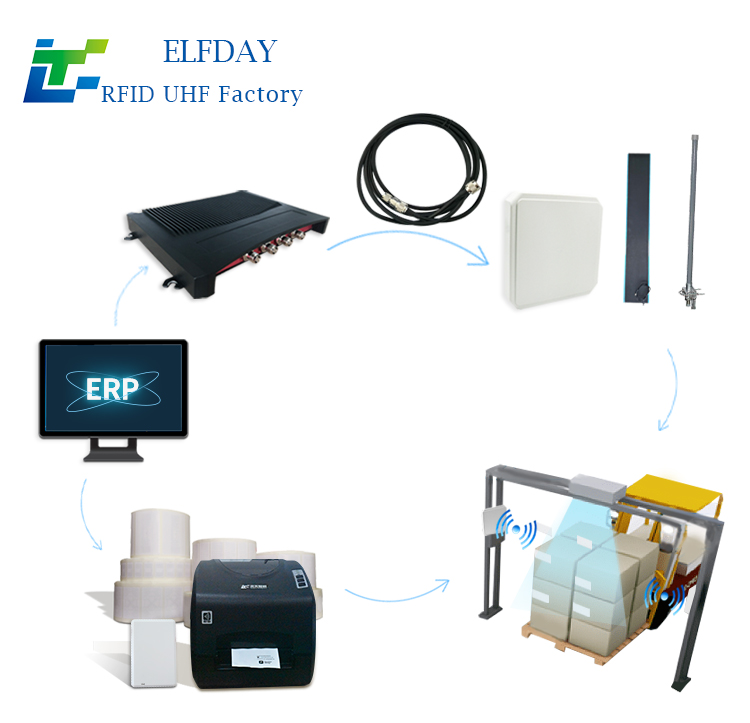
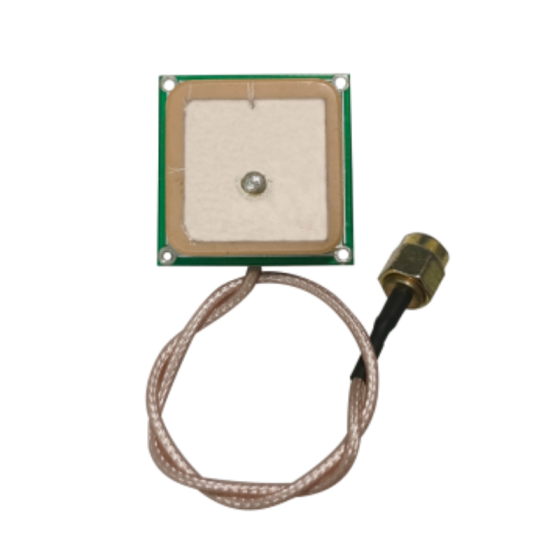
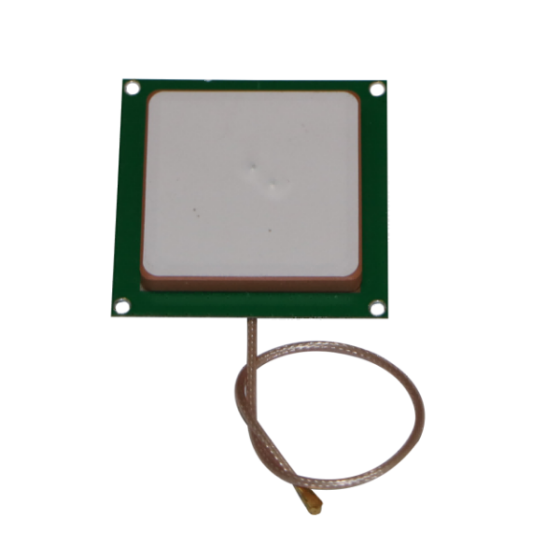
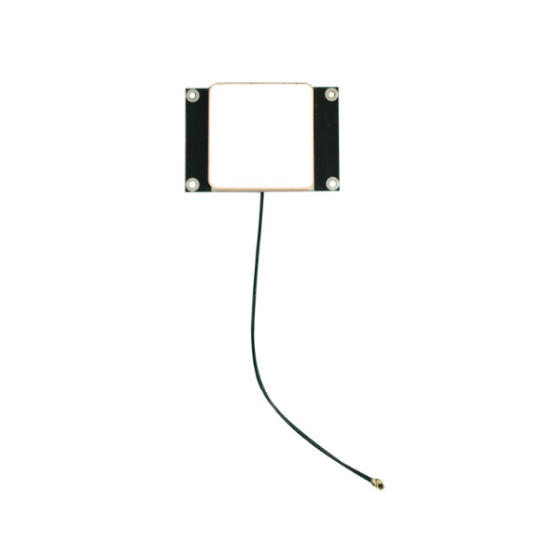
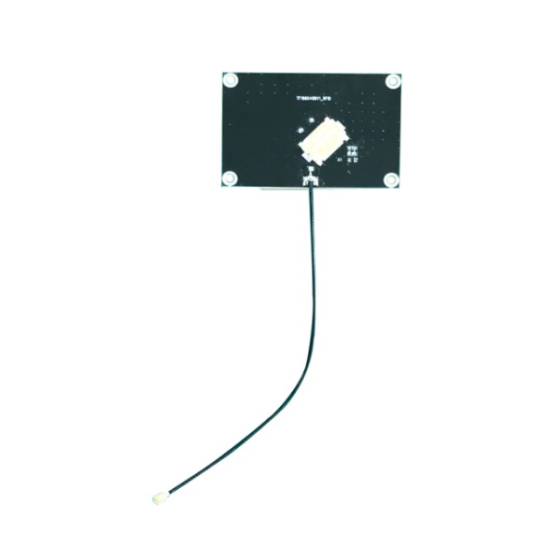
RFID stands for radio frequency identification. At its core, an RFID system has three parts: a tiny tag (often smaller than a coin), a reader (which sends out radio waves), and a backend database (where all the location data lives).
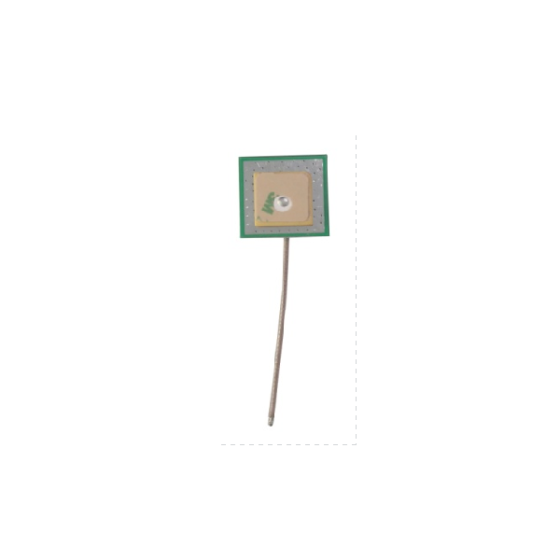
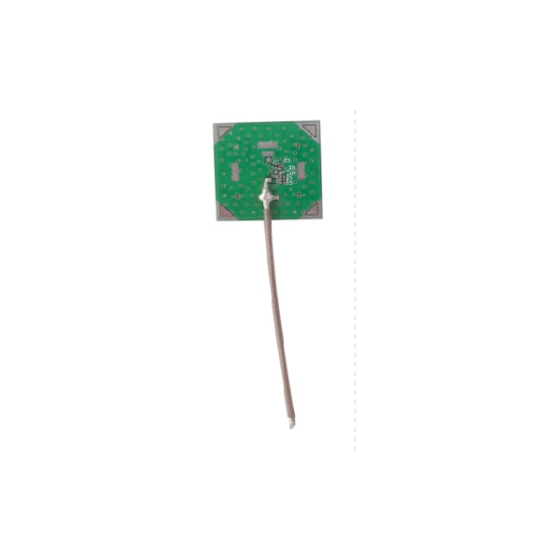
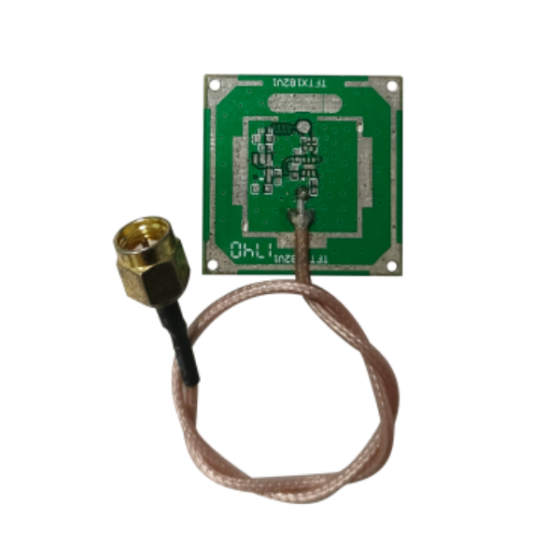
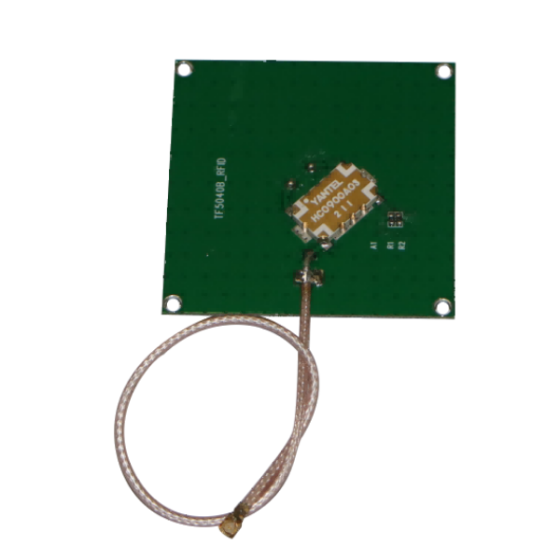
The tag contains a microchip and a small antenna. When the reader sends out a specific radio signal, the tag wakes up and responds with its unique ID number. That’s it. No line-of-sight needed. No aiming a laser at a barcode. The tag can be inside a drawer, under a pile of books, or even attached to a metal filing cabinet—the radio waves go right through.
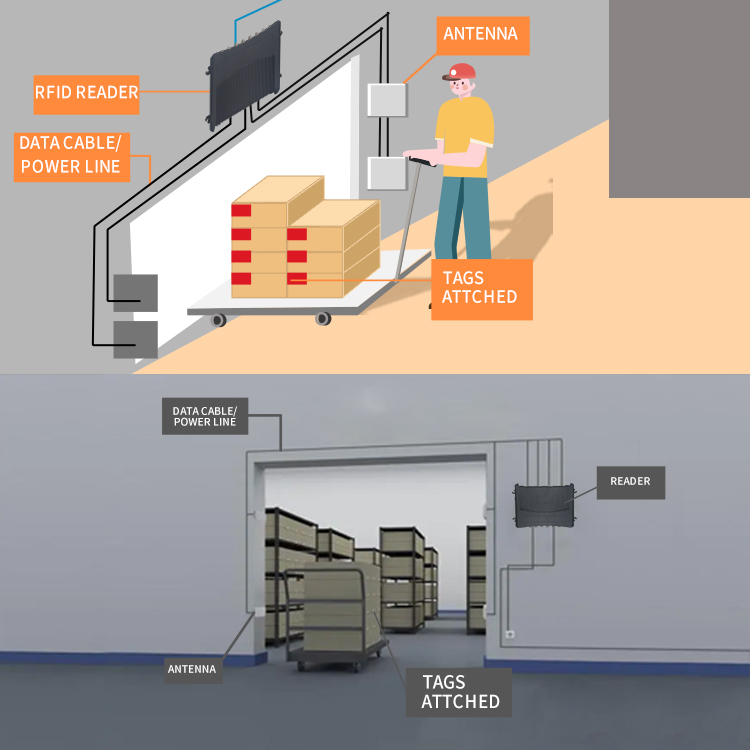
In a school setting, you stick these tags on assets like Chromebooks, microscopes, AV carts, musical instruments, or even maintenance tools. Then you place readers at key points: doorways, IT rooms, library exits, or carry a handheld reader during monthly inventory.
When a tagged laptop passes a doorway reader, the system logs its movement. When a staff member waves a portable reader over a shelf of tablets, every single tag within three to six feet responds instantly.
That’s the “how” in a nutshell. No magic. Just clever radio physics.
What happens inside a typical school day?
Let’s imagine a real morning at Lincoln High School.
At 8:15 AM, Ms. Chen’s chemistry class checks out six digital scales from the prep room. Each scale has an RFID tag for asset tracking in schools. A fixed reader above the prep room doorway automatically logs the checkout time and which staff member opened the door using their ID card. No sign-out sheet. No forgotten returns.
By 10:30 AM, the principal asks for a quick location check on three missing document cameras. Instead of walking to twelve classrooms, the operations manager pulls out a handheld RFID reader and walks the hallway. Two cameras respond from rooms 204 and 211. The third one pings from the storage closet on the second floor—someone had tucked it away after a repair. Total search time: under four minutes.
At 2 PM, the end-of-day sweep begins. A fixed reader at the main gate logs every asset leaving the building. A soccer team van takes six ball bags and two portable goals. The system records the timestamp, the coach’s name, and the expected return date. No gear ever “disappears” over the weekend without a digital trail.
That’s the real workflow. Passive, automatic, and almost invisible to teachers and students.
Why passive tags win over active ones in schools
You might have heard of “active” RFID tags that broadcast their own signal using a battery. They can be tracked in real time, but they cost more and need regular battery changes. For most schools, passive RFID tags are the smarter choice.
Passive tags have no battery. They only wake up when a reader sends a signal. A good passive tag can last over a decade—longer than the laptop it’s attached to. They cost a fraction of active tags, which means you can tag hundreds of items without blowing the annual budget.
When you search for RFID tags for asset tracking in schools, you’ll see mostly passive UHF (ultra-high frequency) tags. UHF gives you a read range of several meters with a handheld reader, and up to 10–12 meters with a fixed panel reader. That’s plenty for a classroom, a library, or a gym storage room.
Where schools see the biggest wins
Teachers and principals often assume RFID is only for warehouse giants like Amazon. But schools that have made the switch report three specific benefits that matter to educators:
1. Five-minute monthly inventories instead of two-day marathons
A high school in Ohio used to spend two full staff days every semester counting science lab equipment. With a handheld RFID reader and tagged items, the same inventory took 45 minutes. The lead science teacher told the principal: “I actually look forward to inventory now.” That’s a sentence no one thought possible.
2. Lost items drop by 70–90%
Once an item leaves its assigned room, the system knows. You can set alerts for high-value assets like 3D printers or robotics kits. If a tagged projector leaves the building without authorization, the office gets a silent notification within seconds. Schools report that the mere presence of RFID tags changes behavior—staff and students become more careful when they know every item has a digital fingerprint.
3. Better grant and budget reporting
When a school receives a technology grant, they often have to prove the equipment is still in use and accounted for. RFID tags for asset tracking in schools generate audit-ready logs without anyone typing a single number. Show the donor a report that says “100% of tagged laptops checked in within the last 30 days” and the next grant application writes itself.
What makes a good RFID tag for a school environment?
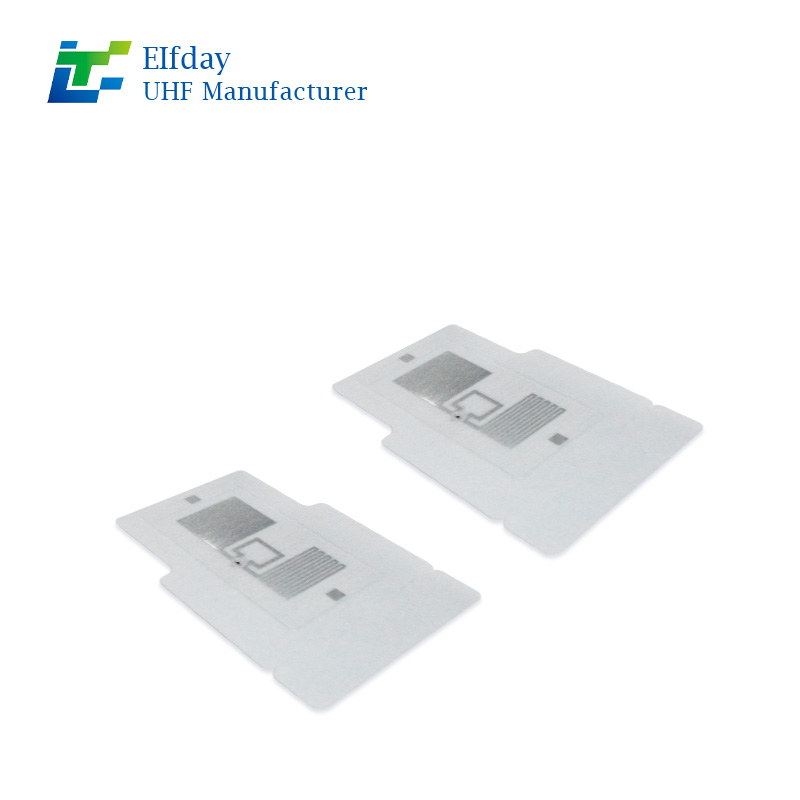
Not all tags are built the same. Classrooms can be tough on small electronics. You need tags that survive:
Constant handling – A tag on a shared tablet gets touched hundreds of times a month. Look for adhesive tags with reinforced edges or rugged casings for frequently moved items.
Metal surfaces – Many standard RFID tags fail when stuck directly on metal lab equipment or steel filing cabinets. Special “on-metal” tags solve that problem without extra fuss.
Moisture and dust – Art room supplies, greenhouse tools, and pool dehumidifiers need IP-rated tags that resist water and fine particles.
The good news is that the right tag for your specific asset type exists. You just need to match the tag construction to the surface and environment. A good supplier will help you test a few samples before you commit to hundreds.
The actual installation process (it’s easier than you think)
Schools often worry that RFID adoption means weeks of IT headaches. Here’s the step-by-step reality:
Step 1 – Pick your reader type
Most schools start with a handheld reader (looks like a beefy smartphone) and one or two fixed readers at key exits. No need to cover every square foot.
Step 2 – Enroll your assets
Attach each tag to an asset. Use the reader to “teach” the system what each tag ID corresponds to (e.g., “Tag 3049 = Science Lab Microscope #4”). This takes about five seconds per item.
Step 3 – Set simple rules
Decide which rooms or doors trigger automatic checkouts. Choose which high-value items send alerts when moved without permission.
Step 4 – Train staff (15 minutes, seriously)
Teachers don’t need to learn anything new. The system works in the background. Only the operations team needs to know how to use the handheld reader and run reports.
That’s it. No rewiring the building. No complex software integrations unless you want them.
What about privacy? (The question every school board asks)
Parents and board members sometimes worry that RFID tags could track students. That’s a legitimate concern, so let’s clear it up immediately: RFID tags for asset tracking in schools are designed to track equipment, not people. The tags never contain student information. They only know that “laptop #2216” moved, not who carried it.
Most schools explicitly ban attaching tags to backpacks, ID cards, or uniforms. The system stays asset-focused. Communicating this clearly to parents earns trust and prevents unnecessary pushback.
Signs your school is ready for RFID asset tracking
Not every school needs RFID tomorrow. But if any of these sound familiar, you’re a prime candidate:
You spend more than four staff hours per month hunting for lost equipment.
Your last inventory count had a 15% or higher discrepancy rate.
Teachers have started keeping “secret stashes” of supplies just to ensure they have what they need.
Your department heads can’t agree on who lost the expensive robotics kit last semester.
If you nodded at two or more of these, then learning how RFID tags for asset tracking in schools actually work isn’t just academic curiosity. It’s the first step toward ending the chaos.
The one question left: what should you do tomorrow?
Start small. Pick one problem area—maybe the laptop cart that never has the advertised number of laptops, or the AV equipment that grows legs every Friday. Tag twenty items. Use a basic handheld reader for one week. See the difference for yourself.
Most school administrators who run that small test never go back to barcodes and paper logs. The time savings alone pay for the system within a few months. And the peace of mind? That’s harder to measure, but any principal who has stopped a “lost” iPad from leaving campus will tell you it’s priceless.
So the next time someone asks, “How do RFID tags for asset tracking actually work in schools?” you can explain the radio waves, the passive tags, and the doorway readers. But the real answer is simpler: they work by giving you back hours of your week, stopping theft before it happens, and turning messy inventory days into five-minute check-ins.
Ready to see which specific RFID tags fit your school’s laptops, lab gear, and sports equipment? Reach out to a trusted supplier and ask for a small sample kit. Test the tags on your toughest assets. You’ll be surprised how something so small can make such a big difference.