



RFID Tags for Inventory Tracking from Stockroom to Sales Floor
Retail inventory management has become increasingly challenging as businesses handle more products, multiple sales channels, and higher customer expectations. Traditional inventory methods often rely on manual counting and barcode scanning, which can take significant time and may result in inaccurate stock information. RFID tags for inventory provide retailers with a smarter way to track products, improve stock accuracy, and create a more efficient inventory management process.
Retailers use RFID tags for inventory to monitor product movement from the stockroom to the sales floor. With RFID technology, employees can quickly locate items, perform faster stock checks, and maintain accurate inventory records. RFID inventory tags help reduce out-of-stock situations and improve customer shopping experiences in clothing stores, supermarkets, and specialty shops.
What Are RFID Tags for Inventory in Retail?
RFID tags for inventory are electronic tracking devices that use radio frequency identification technology to store and transmit product information. Each tag contains a unique identifier that allows retail inventory systems to recognize individual products automatically.
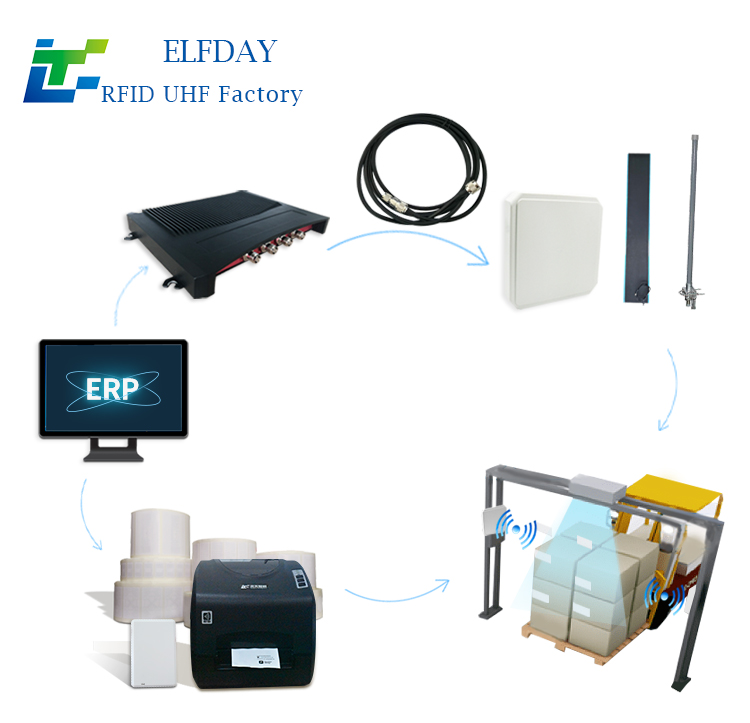
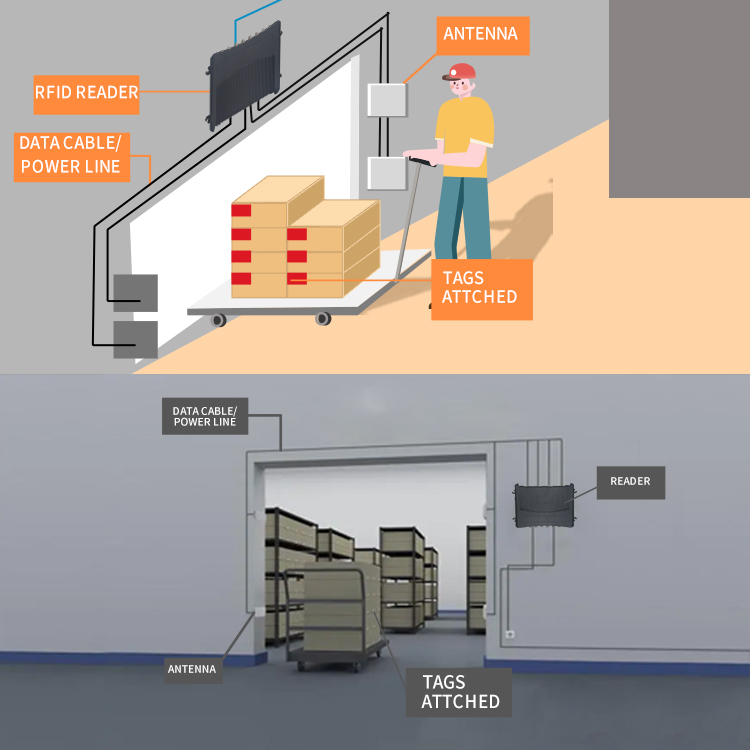
Unlike traditional barcode labels, RFID tags do not require direct scanning. Employees can use RFID readers to identify multiple items at once, even when products are inside boxes, shelves, or storage areas. This makes inventory tracking faster and more convenient for retail environments.
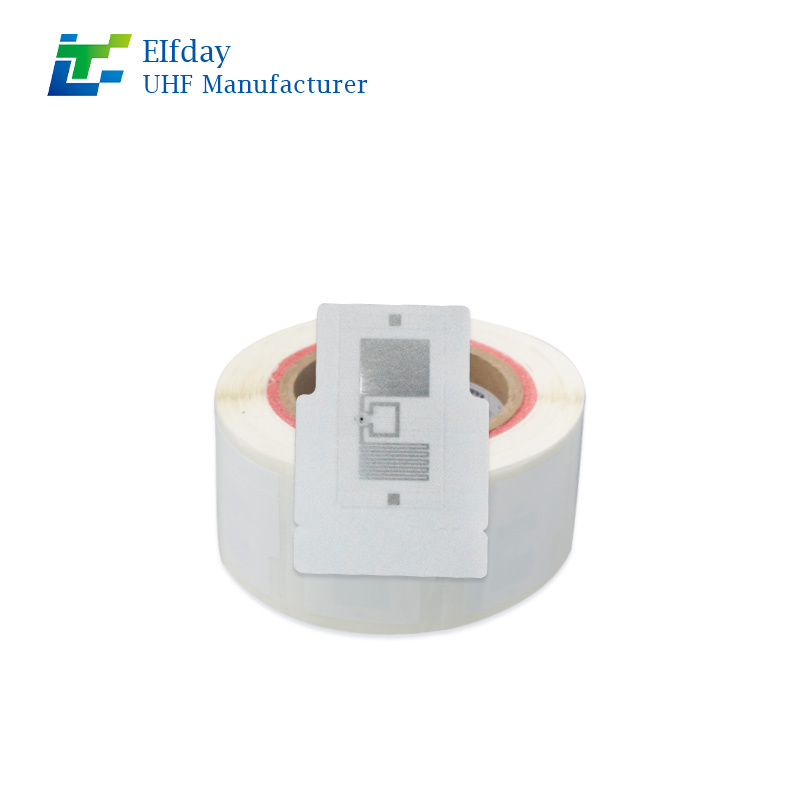
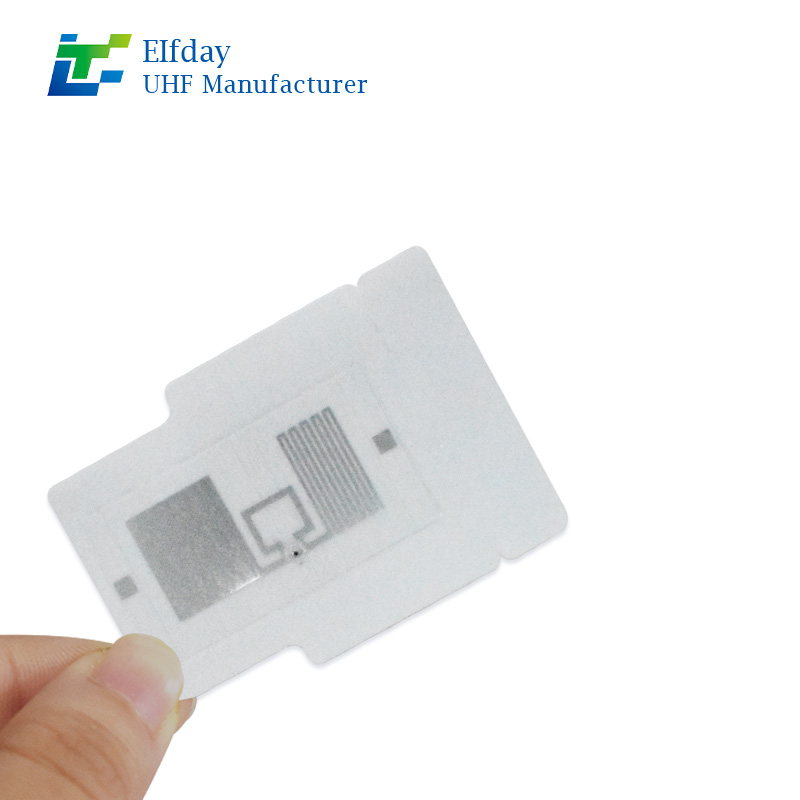
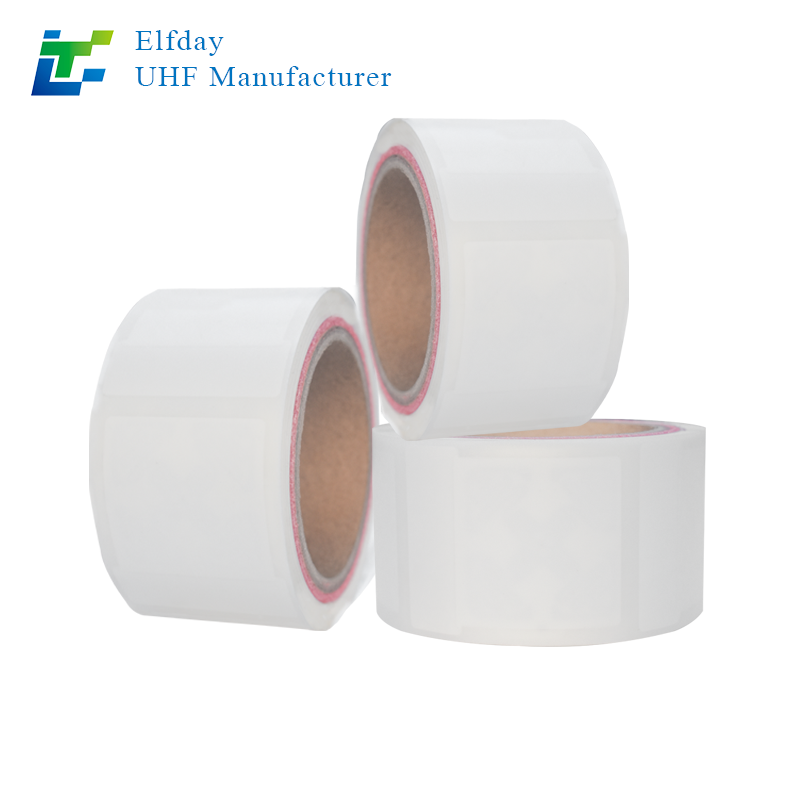
RFID inventory tags can be attached to clothing, electronics, packaged goods, accessories, and other retail products. Depending on the application, retailers can choose from different RFID tag designs, including adhesive RFID labels, hang tags, and durable RFID tags.
How RFID Tags Improve Retail Inventory Management
Accurate inventory information is essential for modern retail operations. When customers cannot find products that are shown as available online or in store systems, businesses may lose sales opportunities. RFID tags for inventory help retailers maintain accurate stock visibility and improve daily operations.
Real-Time Product Visibility
One of the biggest advantages of RFID inventory tracking is real-time visibility. Retail employees can quickly identify where products are located, whether in the stockroom, on store shelves, or moving through the supply chain.
This allows retailers to better understand inventory status and make faster decisions about product replenishment, stock transfers, and sales planning.
Faster Stock Checks
Manual inventory counting can be difficult, especially for large retail stores with thousands of products. RFID tags for inventory allow employees to complete stock checks much faster by scanning multiple items simultaneously.
Faster inventory counting reduces labor costs and allows store teams to spend more time improving customer service and sales activities.
Improved Inventory Accuracy
Inventory accuracy directly affects retail performance. Incorrect stock records can lead to overstocking, missing products, and unnecessary inventory costs.
By automatically collecting product data, RFID inventory tags help reduce human errors and provide more reliable inventory information. Retailers can better manage stock levels and improve overall inventory control.
RFID Tags for Inventory from Stockroom to Sales Floor
Retail products often move through several stages before reaching customers. They may arrive at a distribution center, enter a store stockroom, move to display areas, and eventually be purchased.
RFID tags for inventory allow retailers to track this entire journey. Employees can identify when products arrive, where they are stored, and when they need to be moved to the sales floor.
This improved product visibility helps retailers:
Maintain better stock availability
Reduce misplaced items
Improve shelf replenishment
Speed up product locating
Optimize store operations
By connecting inventory data with real-time tracking, RFID technology creates a more efficient retail environment.
Applications of RFID Tags for Inventory in Retail
Clothing Store Inventory Tracking
The fashion industry is one of the most common applications for RFID inventory tags. Clothing retailers manage thousands of products with different sizes, colors, and styles, making inventory accuracy extremely important.
RFID tags for inventory help clothing stores quickly locate garments, perform stock audits, and monitor product availability. This improves store efficiency and helps customers find the products they need.
Supermarket Inventory Management
Supermarkets handle a large number of products across different categories. RFID technology can help improve inventory visibility and reduce product shortages.
By using RFID tags for inventory, supermarkets can better monitor product movement, improve stock replenishment, and maintain accurate inventory records.
Specialty Retail Inventory Control
Specialty shops selling electronics, accessories, luxury products, or other high-value items can benefit from RFID inventory tracking.
RFID tags provide better control over valuable merchandise and help retailers monitor product locations, reduce losses, and improve customer service.
Benefits of Using RFID Tags for Inventory in Retail
Retailers adopting RFID inventory solutions can achieve several important benefits.
Better Stock Accuracy
RFID technology provides more accurate inventory data compared with traditional manual tracking methods. Retailers can maintain better control over available products and reduce inventory discrepancies.
Reduced Out-of-Stock Problems
Out-of-stock situations can negatively impact customer satisfaction and sales performance. RFID tags for inventory help retailers identify low stock levels faster and improve product replenishment.
Improved Customer Experience
When employees can quickly locate products and provide accurate availability information, customers enjoy a smoother shopping experience.
RFID technology helps retailers create faster, more convenient service both in physical stores and across online shopping channels.
Increased Operational Efficiency
Automated inventory tracking reduces the time employees spend on manual counting and searching for products. Retail teams can focus on more valuable tasks while maintaining better inventory control.
Types of RFID Tags Used for Retail Inventory
Different retail applications require different types of RFID tags.
RFID Label Tags
RFID label tags are lightweight and cost-effective options for product-level tracking. They are commonly used for clothing, packaging, and general merchandise.
RFID Hang Tags
RFID hang tags are popular in apparel retail because they can be easily attached to garments while providing reliable inventory tracking.
UHF RFID Tags
UHF RFID tags are widely used in retail inventory management because they support longer reading distances and faster scanning speeds.
Durable RFID Tags
For reusable containers, equipment, or special retail applications, durable RFID tags provide stronger resistance against environmental conditions.
How to Choose RFID Tags for Inventory Management
Selecting the right RFID tags for inventory depends on several factors.
The product type is an important consideration. Clothing, electronics, food products, and industrial goods may require different RFID tag designs.
The reading distance should also match the application. Large retail warehouses may require longer-range RFID solutions, while small stores may need shorter-range tracking.
The attachment method is another factor. Businesses should consider whether RFID tags will be attached with adhesive, embedded into products, or used as hanging labels.
The operating environment should also be evaluated to ensure reliable performance during daily retail operations.
The Future of RFID Inventory Tracking in Retail
Retail is becoming more connected and data-driven, and RFID technology continues to play an important role in improving inventory management. As customer expectations increase, businesses need faster and more accurate ways to manage products.
RFID tags for inventory will continue supporting smart retail operations by providing real-time product visibility, automated tracking, and improved decision-making.
With the integration of RFID technology, inventory management is moving from manual processes toward intelligent systems that help retailers improve efficiency and deliver better customer experiences.
RFID tags for inventory provide retailers with an efficient solution for tracking products from the stockroom to the sales floor. By improving inventory accuracy, speeding up stock checks, and reducing out-of-stock situations, RFID technology helps businesses create smoother retail operations.
From clothing stores and supermarkets to specialty shops, RFID inventory tags enable better product visibility and more efficient inventory management. As retail continues to evolve, RFID tracking solutions will remain an essential tool for businesses looking to improve accuracy, productivity, and customer satisfaction.