



Medical RFID Tag for Reliable Healthcare Asset Tracking and Equipment Management
Healthcare facilities manage thousands of medical assets every day, including patient monitoring devices, surgical instruments, diagnostic equipment, and essential medical supplies. Keeping track of these resources efficiently is critical for improving operational performance, reducing unnecessary costs, and ensuring healthcare professionals have access to the right equipment at the right time.
Traditional asset management methods often rely on manual records, spreadsheets, or barcode scanning. These approaches can be time-consuming and may lead to inaccurate data, misplaced equipment, and delays in daily operations. A medical RFID tag provides a reliable identification solution that enables hospitals, clinics, and healthcare organizations to achieve faster asset tracking, better inventory control, and improved equipment management.
By integrating RFID technology into healthcare workflows, medical organizations can gain greater visibility into their assets while reducing the risks associated with manual tracking processes.
What Is a Medical RFID Tag?
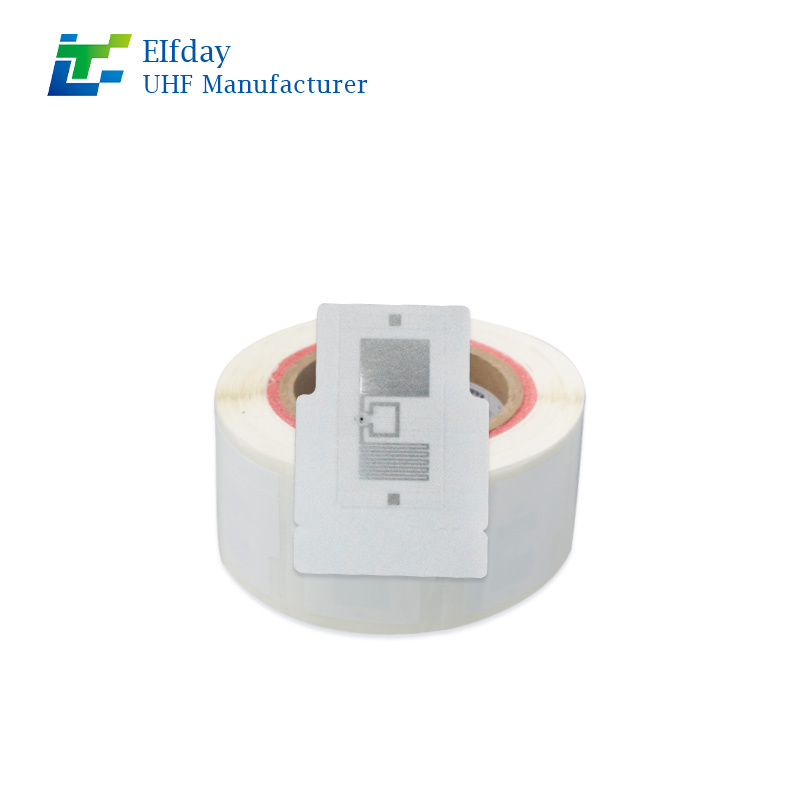
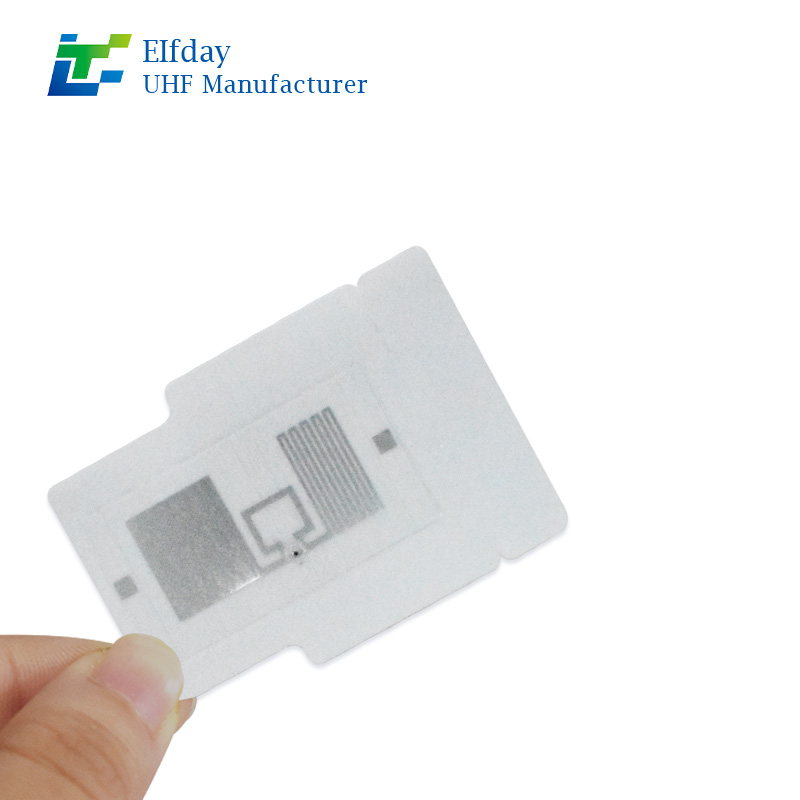
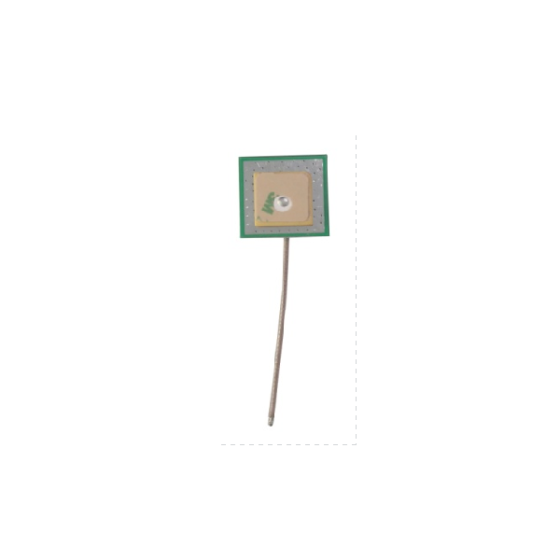
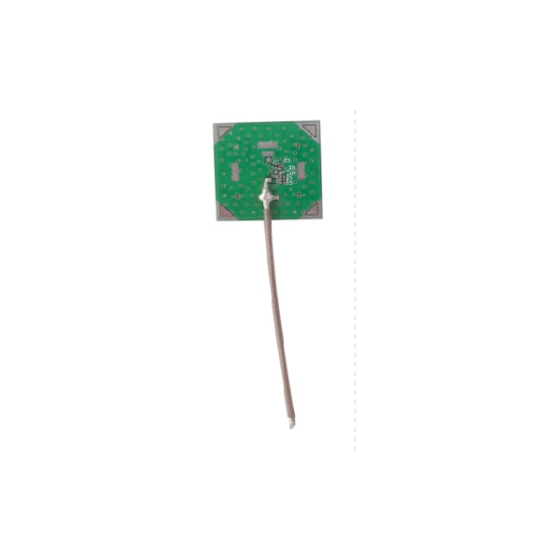
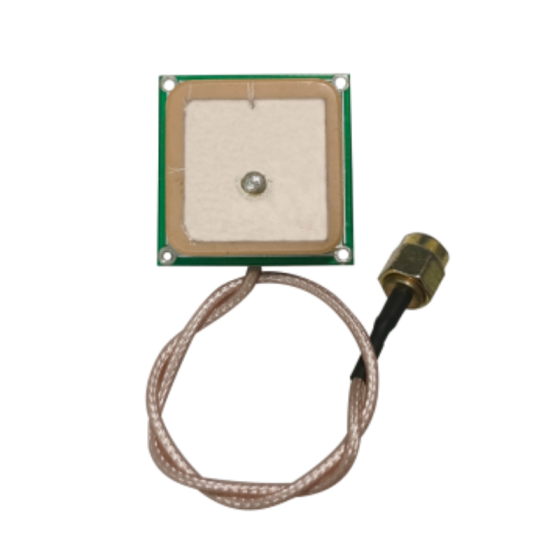
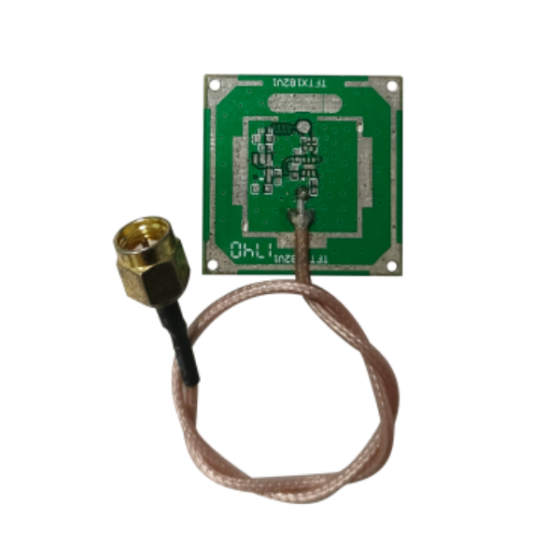
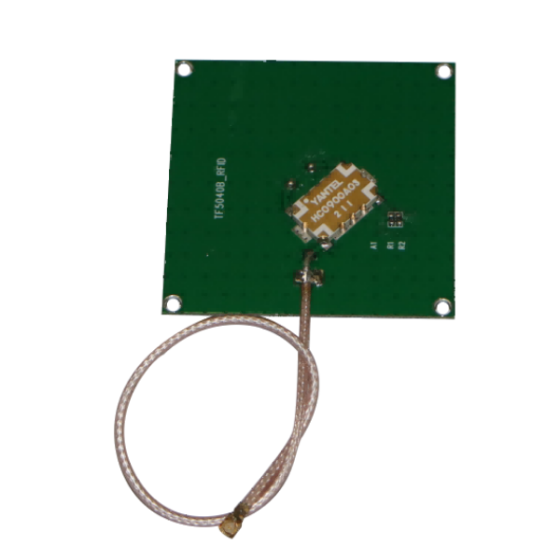
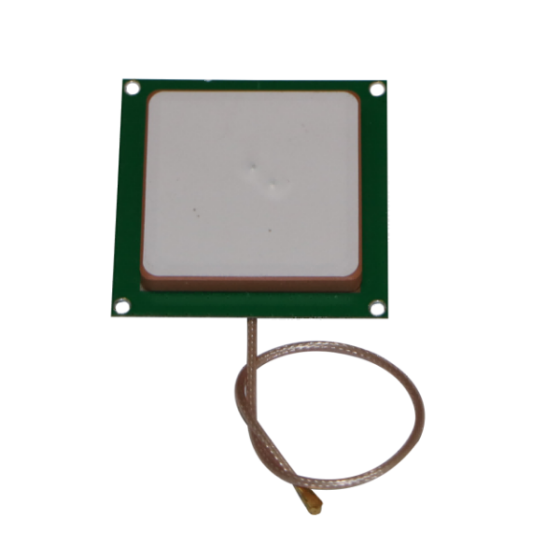
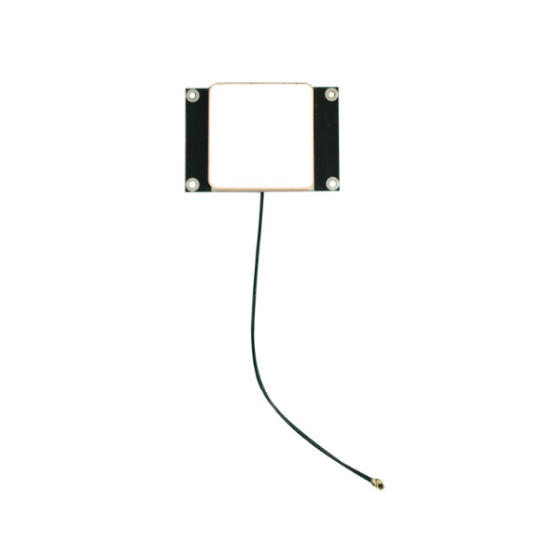
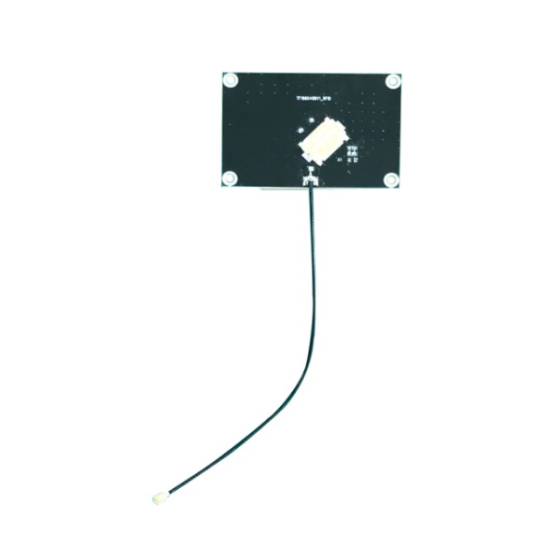
A medical RFID tag is an electronic identification device designed to help healthcare organizations track and manage medical equipment, supplies, and other valuable assets. Using radio frequency identification technology, these tags store unique information that can be automatically collected through RFID readers.
Unlike traditional labels or barcodes, RFID tags do not require direct scanning. Healthcare staff can identify multiple tagged items quickly, even when the tags are not directly visible, making asset management faster and more efficient.
Medical RFID tags are commonly designed to meet the demanding requirements of healthcare environments, offering features such as:
Reliable identification performance
Long-term durability
Compact and flexible designs
Compatibility with RFID tracking systems
Resistance to common healthcare cleaning processes
These advantages make RFID technology an effective solution for modern healthcare asset management.
Why Medical Asset Tracking Is a Challenge for Healthcare Facilities
Hospitals and healthcare facilities operate in complex environments where equipment moves frequently between departments, treatment rooms, storage areas, and operating rooms.
Without an efficient tracking system, organizations may face challenges such as:

Difficulty locating medical equipment quickly
Inaccurate inventory records
Equipment underutilization
Increased administrative workload
Higher risk of asset loss or misplacement
For example, a hospital may have hundreds of infusion pumps or patient monitoring devices shared across multiple departments. Without real-time visibility, staff may spend valuable time searching for available equipment instead of focusing on patient care.
A medical RFID tag helps solve these problems by providing automated identification and better asset visibility.
Improve Healthcare Asset Tracking Efficiency
One of the most important benefits of using medical RFID tags is improved asset tracking efficiency.
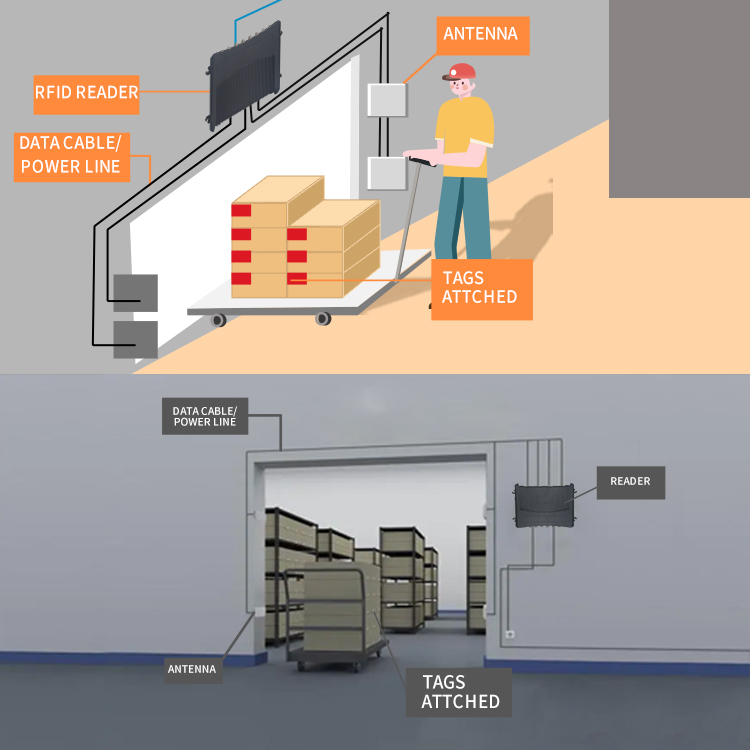
By attaching RFID tags to medical devices and equipment, healthcare organizations can monitor asset locations and movement throughout their facilities. Staff can quickly determine whether equipment is available, in use, under maintenance, or stored in another department.
Commonly tracked healthcare assets include:
Hospital beds
Wheelchairs
Infusion pumps
Ventilators
Surgical instruments
Diagnostic devices
Emergency equipment
This improves equipment availability and reduces time spent searching for critical medical resources.
Enhance Inventory Control and Visibility
Accurate inventory management is essential for hospitals and clinics. However, manual inventory checks can be inefficient, especially in large healthcare environments.
A medical RFID tag enables automated inventory identification and helps organizations maintain accurate asset records.
With RFID-based inventory management, healthcare providers can:
Perform faster inventory checks
Monitor asset quantities more accurately
Reduce inventory discrepancies
Improve supply planning
Optimize equipment utilization
Real-time visibility allows healthcare managers to make better decisions based on accurate asset information.
Reduce Manual Tracking Errors
Manual tracking methods depend heavily on human input, which increases the possibility of mistakes. Missing records, incorrect updates, and delayed reporting can affect equipment availability and operational efficiency.
RFID technology reduces these risks by automating the identification process.
A medical RFID tag helps minimize:
Manual data entry errors
Lost equipment information
Incomplete tracking records
Delayed asset updates
By reducing administrative tasks, healthcare teams can focus more resources on improving patient services.
Support Medical Equipment Management and Maintenance
Medical equipment requires regular inspection, maintenance, and calibration to ensure safe operation. Managing these activities manually can be difficult, especially when facilities have a large number of devices.
RFID-enabled asset management allows healthcare organizations to maintain detailed equipment records, including:
Equipment location history
Maintenance schedules
Usage information
Service records
Inspection status
This helps healthcare providers improve maintenance planning, extend equipment lifespan, and maintain better operational control.
Applications of Medical RFID Tags in Healthcare
The flexibility of RFID technology allows medical RFID tags to support a wide range of healthcare applications.
Hospital Equipment Management
Hospitals can use RFID tags to track valuable equipment across different departments, improving resource sharing and reducing unnecessary purchases.
Surgical Instrument Tracking
Surgical instruments require accurate management before and after procedures. RFID identification helps healthcare teams maintain better control over instrument availability and usage.
Medical Supply Management
Consumable supplies and healthcare materials can be monitored more efficiently, helping organizations maintain appropriate stock levels.
Laboratory Asset Tracking
Laboratories can improve the management of testing equipment, samples, and research assets with automated RFID identification.
Medical RFID Tag vs Traditional Tracking Methods
Compared with manual tracking and barcode-based systems, RFID technology provides greater automation and visibility.
| Feature | Medical RFID Tag | Traditional Barcode |
|---|---|---|
| Identification method | Radio frequency technology | Optical scanning |
| Line-of-sight requirement | Not always required | Required |
| Multiple item detection | Supports bulk reading | Usually one-by-one scanning |
| Real-time visibility | Available with RFID systems | Limited |
| Automation level | High | Lower |
For healthcare organizations managing large volumes of equipment and supplies, RFID provides a more scalable tracking solution.
How to Choose the Right Medical RFID Tag
Different healthcare applications require different RFID tag designs. When selecting a medical RFID tag, organizations should consider several factors.
Application Environment
Healthcare facilities should choose tags that match their operating conditions, including exposure to cleaning chemicals, frequent handling, or sterilization processes.
Reading Performance
The required reading distance and identification speed should match the intended tracking application.
Size and Installation Method
Medical equipment varies greatly in size, so RFID tags should be selected based on available mounting space and attachment requirements.
System Integration
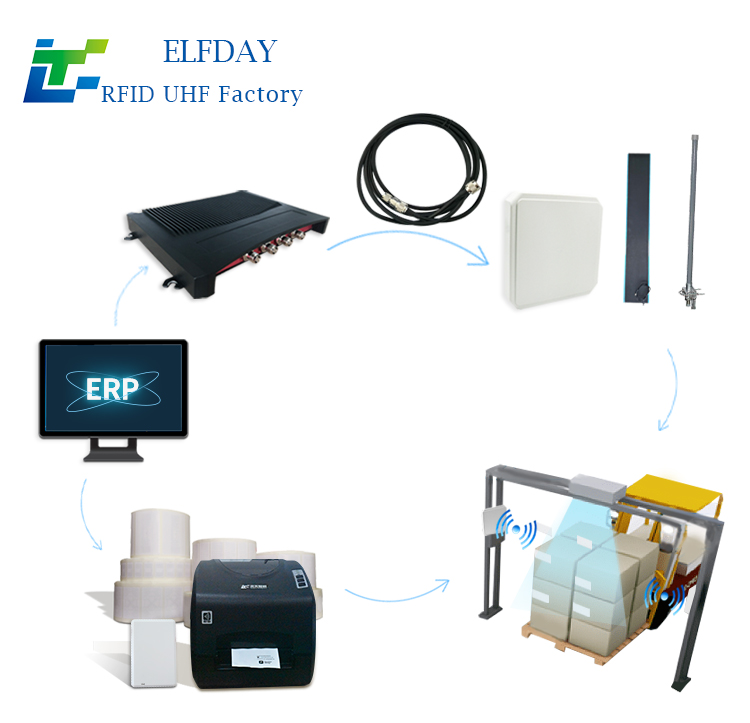
The RFID tag should work effectively with existing RFID readers, software platforms, and asset management systems.
The Future of Healthcare Asset Management with RFID
As healthcare continues moving toward digital transformation, intelligent asset management systems will become increasingly important.
RFID technology enables healthcare organizations to create connected environments where equipment, supplies, and resources can be tracked automatically. Combined with data analytics and smart management platforms, RFID solutions can help improve decision-making, reduce operational costs, and enhance overall healthcare efficiency.
A medical RFID tag is not only a tracking tool but also an important component of modern healthcare management systems.
A medical RFID tag provides hospitals, clinics, and healthcare facilities with a reliable way to improve asset tracking, inventory control, and equipment management. By replacing time-consuming manual processes with automated identification, RFID technology helps organizations achieve greater visibility, reduce errors, and optimize daily operations.
As healthcare environments become more complex, adopting RFID-based tracking solutions will help medical organizations build smarter, more efficient, and more reliable asset management systems.