

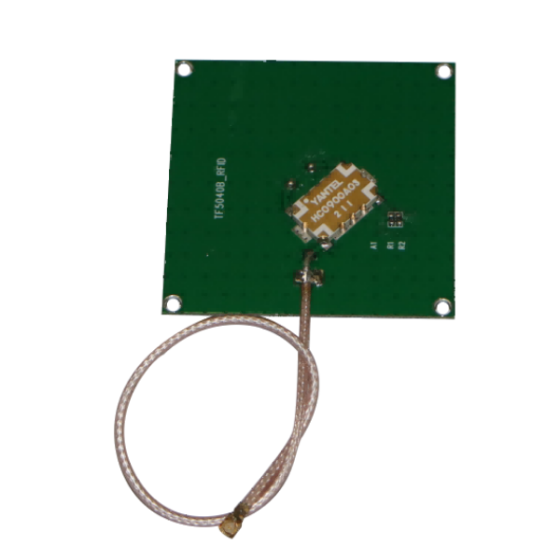
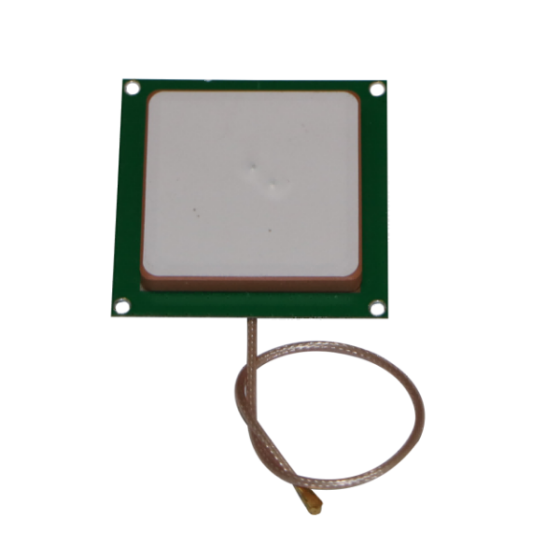


RFID Tags in Healthcare
Healthcare is evolving rapidly, and hospitals, clinics, and laboratories are under pressure to improve efficiency, patient safety, and resource management. One technology that has proven indispensable in achieving these goals is RFID tags in healthcare. By providing real-time tracking of patients, equipment, and medical supplies, RFID technology transforms the way healthcare organizations operate.
What Are RFID Tags in Healthcare?
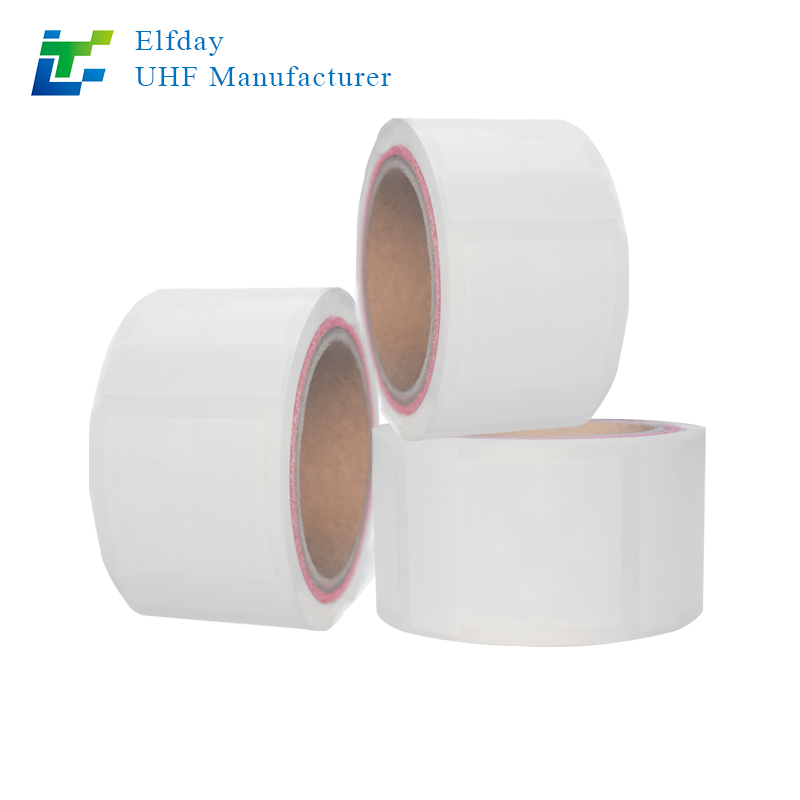
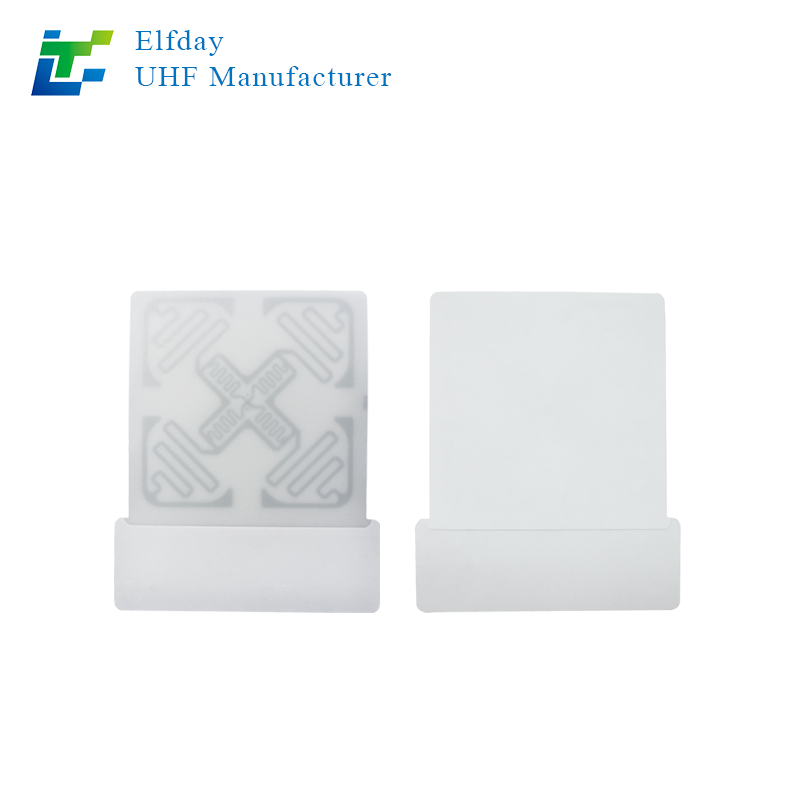
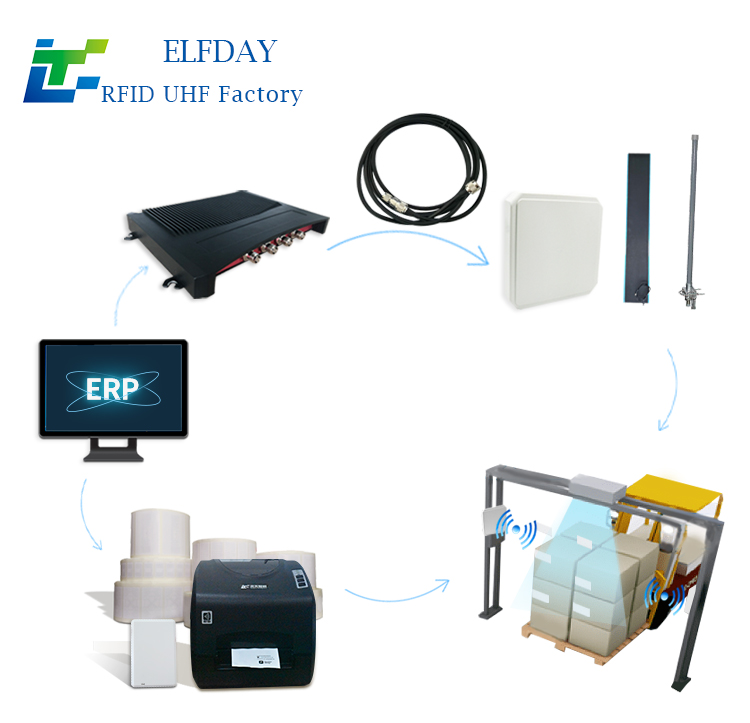
RFID (Radio Frequency Identification) tags are small electronic devices that store information and communicate wirelessly with RFID readers. In healthcare settings, these tags are applied to patient wristbands, medical equipment, pharmaceuticals, laboratory samples, and hospital assets.
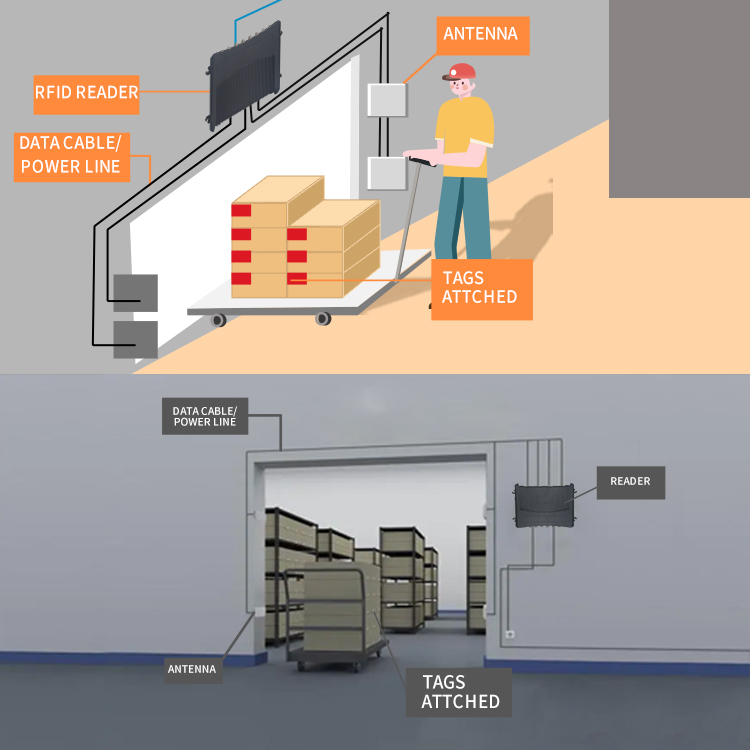
Unlike barcodes, RFID tags in healthcare do not require line-of-sight scanning. Multiple items can be tracked simultaneously, saving time and reducing human errors.
Key Benefits of RFID Tags in Healthcare
Healthcare providers face challenges such as lost equipment, medication errors, and inventory shortages. RFID tags in healthcare address these issues effectively:
- Enhanced Patient Safety: RFID-enabled wristbands ensure accurate patient identification, reducing the risk of medication and procedural errors.
- Real-Time Equipment Tracking: Hospitals can quickly locate critical devices, improving utilization and reducing operational delays.
- Efficient Inventory Management: Automatic monitoring of medical supplies ensures availability while minimizing waste.
- Operational Efficiency: Staff spend less time searching for items, allowing more focus on patient care.
- Regulatory Compliance: RFID systems maintain accurate records, supporting audits and quality standards.
Applications of RFID Tags in Healthcare
Patient Identification
Ensuring the correct treatment for each patient is crucial. RFID wristbands provide instant verification of identity, medical history, and medication instructions.
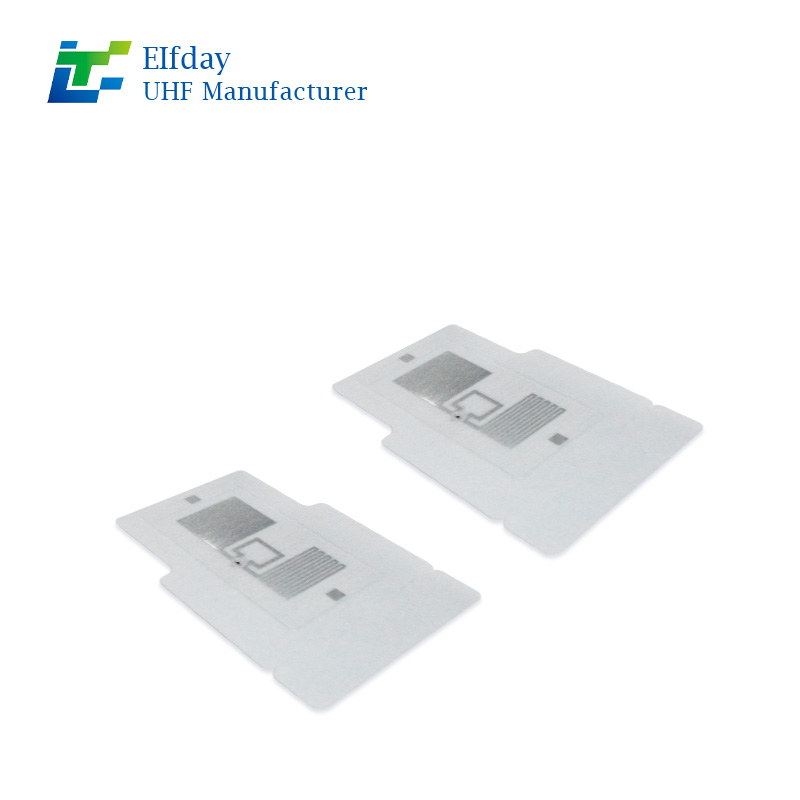
Medical Equipment and Asset Management
From infusion pumps to diagnostic tools, RFID tags in healthcare enable precise tracking of assets. Real-time location data reduces loss, prevents downtime, and optimizes utilization.
Inventory and Supply Chain Monitoring
Pharmaceuticals, surgical tools, and lab consumables can be automatically tracked. RFID alerts notify staff when stocks are low, ensuring continuous availability.
Laboratory Sample Tracking
RFID tags improve traceability for blood, tissue, and other samples, reducing errors and speeding up diagnostic workflows.
Choosing the Right RFID Solution
Selecting suitable RFID tags in healthcare is essential. Tags must withstand sterilization, temperature variations, and frequent handling. High-quality tags ensure reliable scanning, long-term durability, and seamless integration with existing hospital systems.
The Future of RFID in Healthcare
The adoption of RFID technology in healthcare is expected to grow as hospitals integrate it with real-time location systems, IoT platforms, and analytics tools. This will enhance patient safety, streamline operations, and enable smarter decision-making. Organizations that invest in RFID today are preparing for a more efficient, connected, and patient-centered future.
RFID tags in healthcare are no longer just a technological option—they are a critical component of modern medical operations. By improving patient safety, optimizing equipment use, and enhancing inventory management, RFID technology empowers healthcare providers to deliver higher-quality care. Investing in the right RFID system today ensures operational efficiency and sets the stage for a smarter, safer healthcare environment tomorrow.