



RFID Tags in Healthcare
Modern healthcare facilities face constant challenges in managing equipment, tracking medical supplies, and ensuring patient safety. As hospitals and clinics continue to adopt digital technologies, rfid tags in healthcare have become an essential tool for improving efficiency, accuracy, and visibility across medical operations.
What Are RFID Tags in Healthcare?
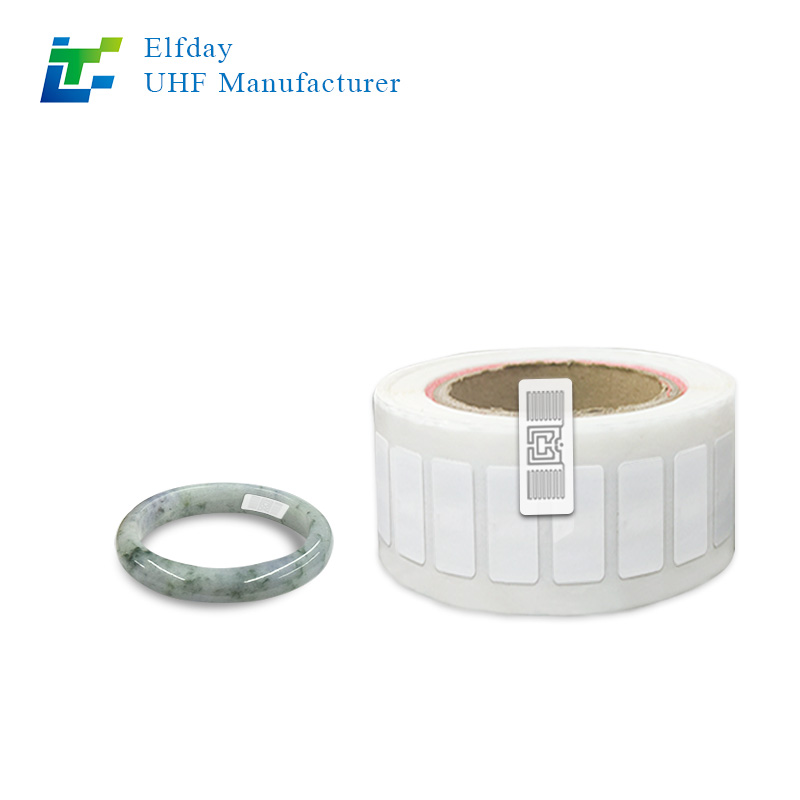
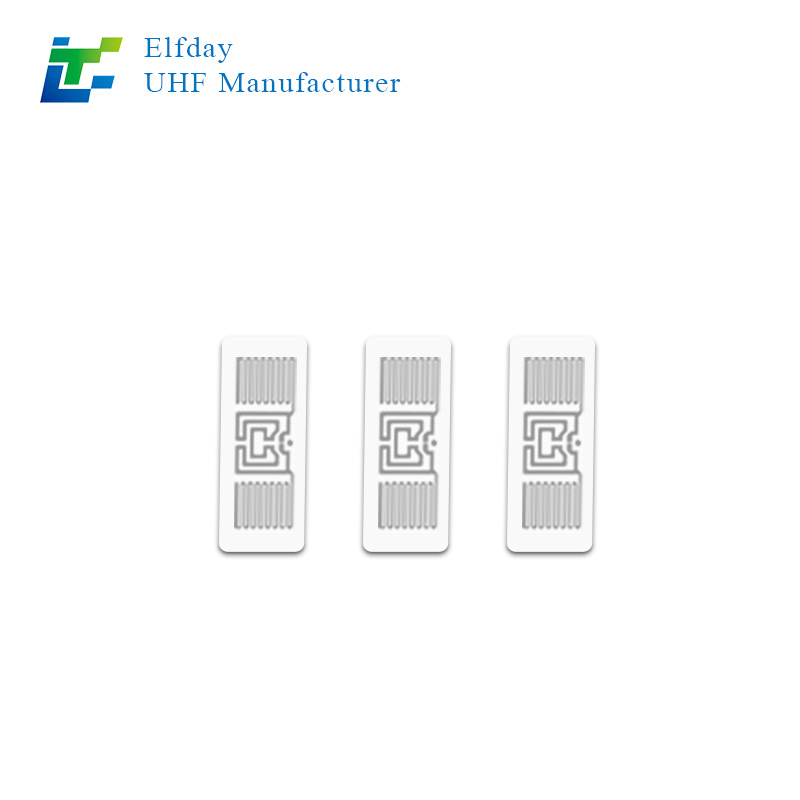
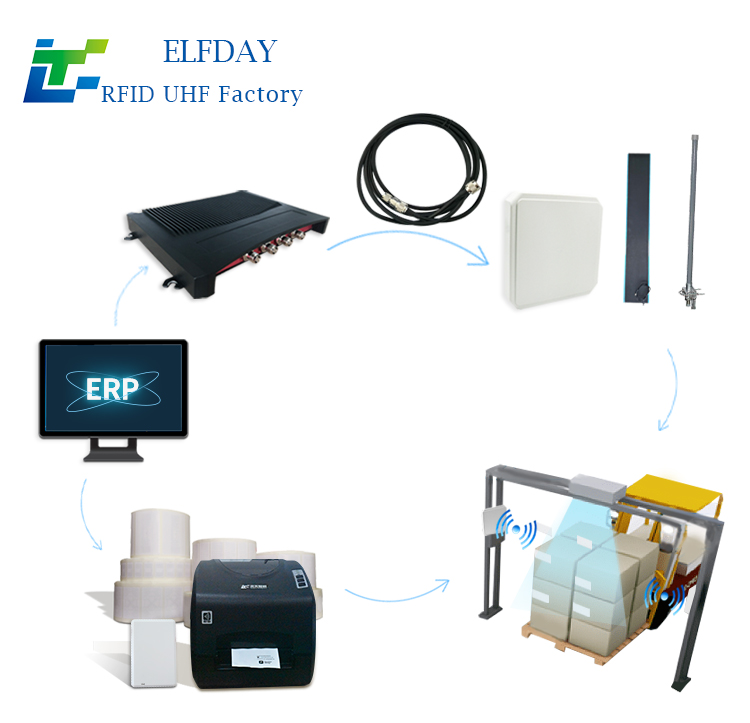
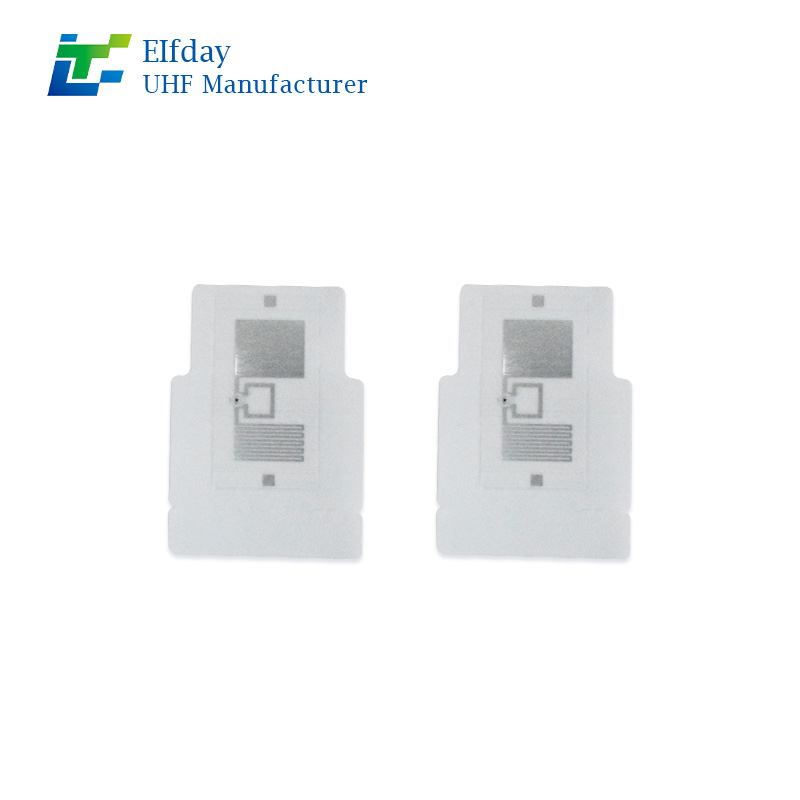
RFID (Radio Frequency Identification) technology uses wireless communication to identify and track objects, equipment, and people in real time. RFID tags in healthcare are small electronic devices attached to medical assets, patient wristbands, pharmaceutical products, laboratory samples, and other critical items.
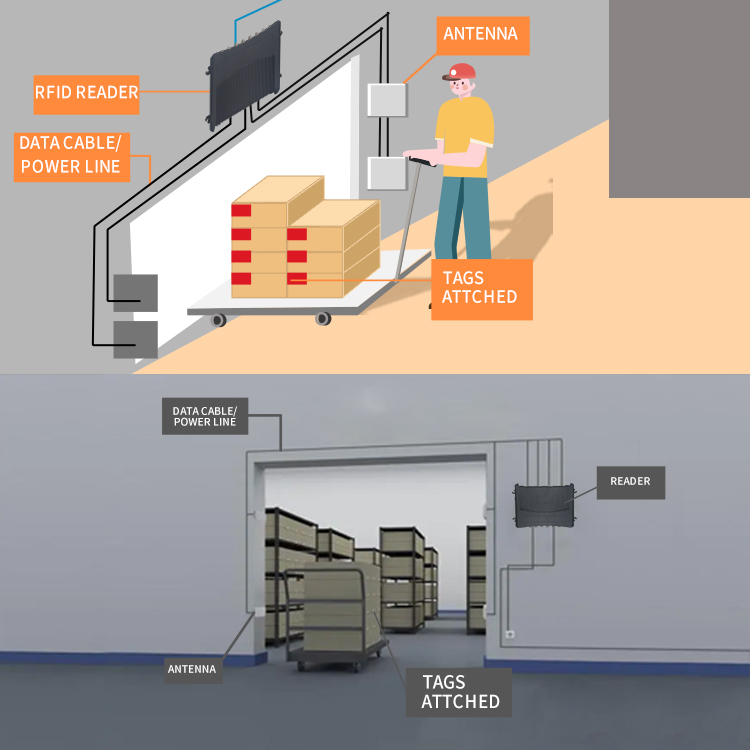
Unlike traditional barcode systems, RFID tags do not require direct line-of-sight scanning. This allows healthcare professionals to quickly locate and monitor assets without interrupting daily workflows.
Why Healthcare Organizations Are Adopting RFID Technology
The healthcare industry relies heavily on accurate information and timely access to resources. Lost equipment, inventory shortages, and patient identification errors can impact operational efficiency and care quality.
By implementing rfid tags in healthcare, medical organizations can:
- Improve patient identification accuracy
- Reduce equipment loss and theft
- Enhance inventory visibility
- Streamline staff workflows
- Increase operational efficiency
- Support regulatory compliance
- Improve overall patient experiences
These benefits make RFID technology an increasingly valuable investment for healthcare providers seeking long-term operational improvements.
Key Applications of RFID Tags in Healthcare
Patient Identification and Safety
Patient safety remains one of the highest priorities in healthcare. RFID-enabled wristbands help ensure that patients receive the correct medications, treatments, and procedures.
With rfid tags in healthcare, staff can instantly verify patient identities, reducing the risk of human error and improving confidence throughout the treatment process.
Medical Equipment Tracking
Hospitals often manage thousands of valuable assets, including infusion pumps, wheelchairs, monitors, and diagnostic devices. Locating equipment can consume valuable staff time.
RFID technology provides real-time asset visibility, allowing healthcare teams to quickly locate equipment when needed. This improves equipment utilization and helps reduce unnecessary purchases caused by misplaced assets.
Inventory and Supply Chain Management
Healthcare facilities depend on a continuous supply of medical products. Managing inventory manually can be time-consuming and prone to errors.
Using rfid tags in healthcare, organizations can monitor inventory levels automatically, track item movement, and receive alerts when stock levels change. This helps maintain adequate supplies while reducing waste and inefficiencies.
Pharmaceutical Tracking
Medication management requires accuracy and traceability. RFID technology helps healthcare providers track pharmaceutical products from storage to administration.
RFID-enabled systems improve visibility throughout the medication lifecycle, helping ensure that the right products reach the right patients at the right time.
Laboratory Sample Tracking
Accurate sample identification is essential for reliable diagnostic results. RFID tags help laboratories track specimens throughout testing processes, reducing the likelihood of misidentification and improving workflow efficiency.
Benefits of RFID Tags in Healthcare Facilities
The growing popularity of rfid tags in healthcare is driven by measurable operational improvements.
Greater Efficiency
Automated tracking reduces manual data entry and repetitive administrative tasks, allowing healthcare professionals to focus more on patient care.
Improved Accuracy
RFID systems capture information automatically, minimizing human errors associated with manual tracking methods.
Better Resource Utilization
Real-time visibility helps organizations understand asset usage patterns and optimize resource allocation.
Enhanced Patient Experience
Faster service delivery, improved safety procedures, and reduced delays contribute to a more positive patient experience.
Data-Driven Decision Making
RFID-generated data provides valuable insights that support operational planning and continuous improvement initiatives.
Choosing the Right RFID Tags for Healthcare Applications
Not all RFID solutions are designed for healthcare environments. When selecting RFID products, organizations should consider factors such as durability, reading performance, environmental resistance, and compatibility with existing systems.
High-quality rfid tags in healthcare should provide reliable performance in demanding medical environments while supporting accurate tracking and long-term operational goals.
Healthcare providers should also evaluate tag size, attachment methods, and application requirements to ensure optimal results.
The Future of RFID in Healthcare
As healthcare systems continue to modernize, RFID technology is expected to play an even greater role in patient care and operational management. Integration with cloud platforms, real-time location systems, and advanced analytics will further enhance the value of rfid tags in healthcare.
Organizations that adopt RFID solutions today are positioning themselves for a more connected, efficient, and patient-focused future.
The adoption of rfid tags in healthcare is transforming how hospitals, clinics, laboratories, and medical facilities manage assets, inventory, and patient safety. From real-time equipment tracking to accurate patient identification, RFID technology delivers the visibility and efficiency healthcare organizations need in an increasingly complex environment.
For healthcare providers seeking to improve operational performance and deliver better patient outcomes, RFID technology offers a practical and scalable solution that continues to drive innovation across the industry.