



How RFID Tags for Hospital Equipment Reduce Administrative Errors
In modern healthcare, efficiency and accuracy are not just goals—they are necessities. Hospitals handle a vast array of equipment daily, from vital diagnostic machines to everyday medical supplies. Managing these assets accurately is crucial, yet administrative errors, such as misplaced or miscounted equipment, remain common challenges. This is where RFID tags for hospital equipment have emerged as a transformative solution.
Understanding Administrative Errors in Hospitals
Administrative errors in hospitals often arise from manual tracking processes. Staff may misplace equipment, overlook maintenance schedules, or record data inaccurately. These mistakes can lead to delays in patient care, wasted time, and unnecessary stress for healthcare professionals. Even minor errors in equipment tracking can accumulate, causing inefficiencies across multiple departments.
How RFID Tags Work
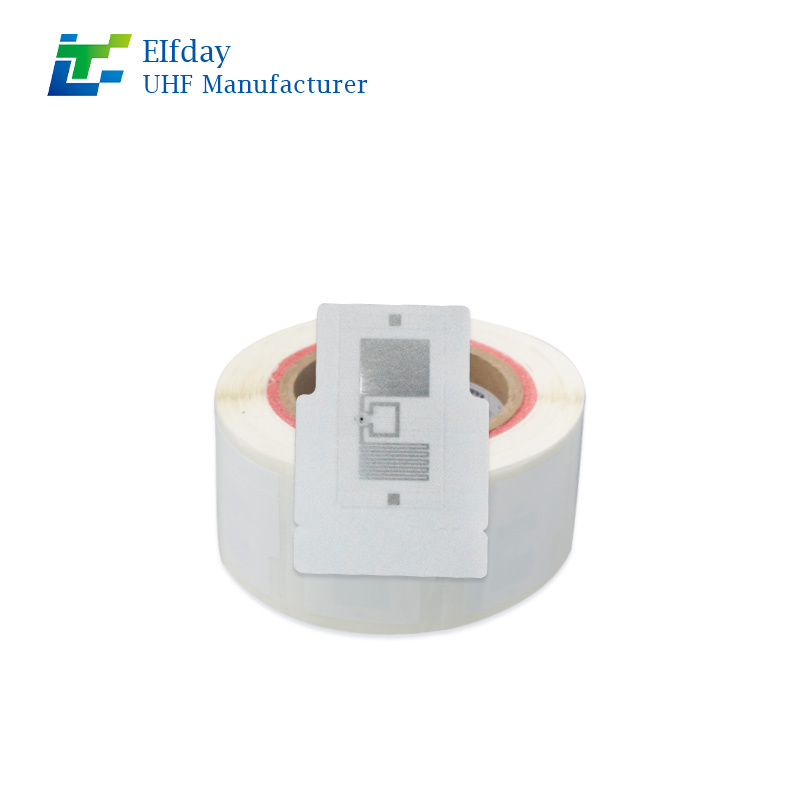
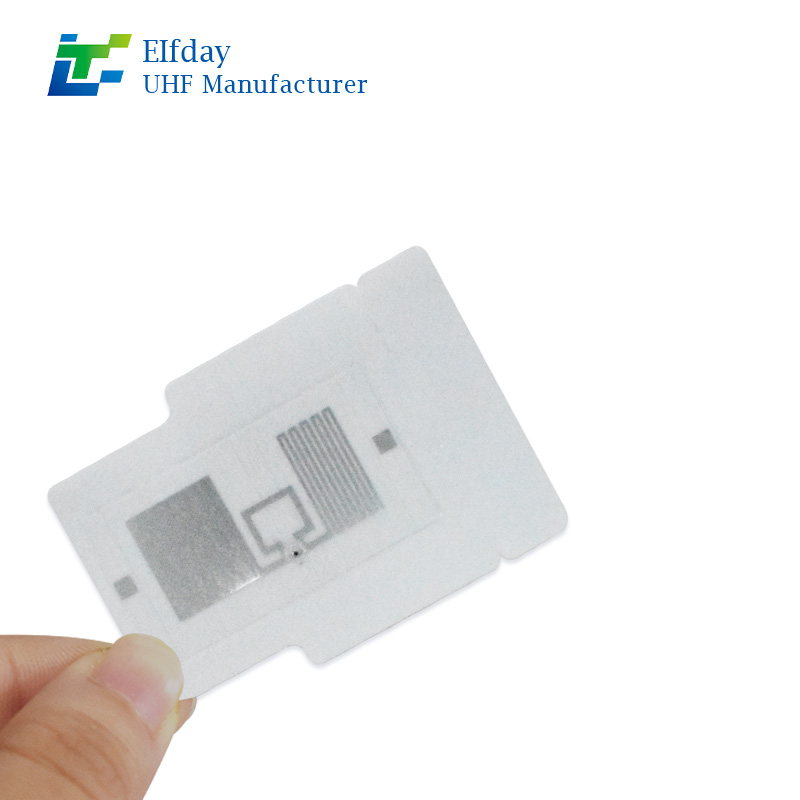
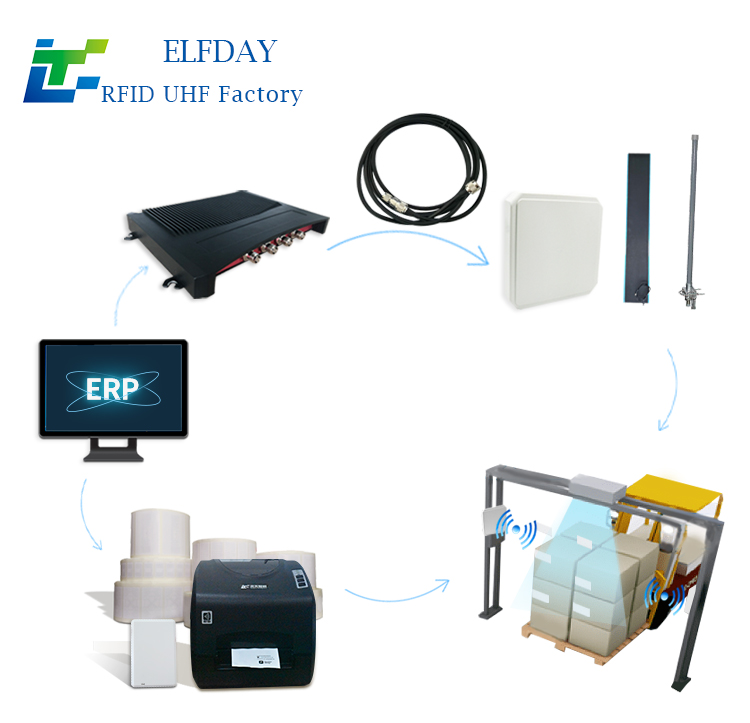
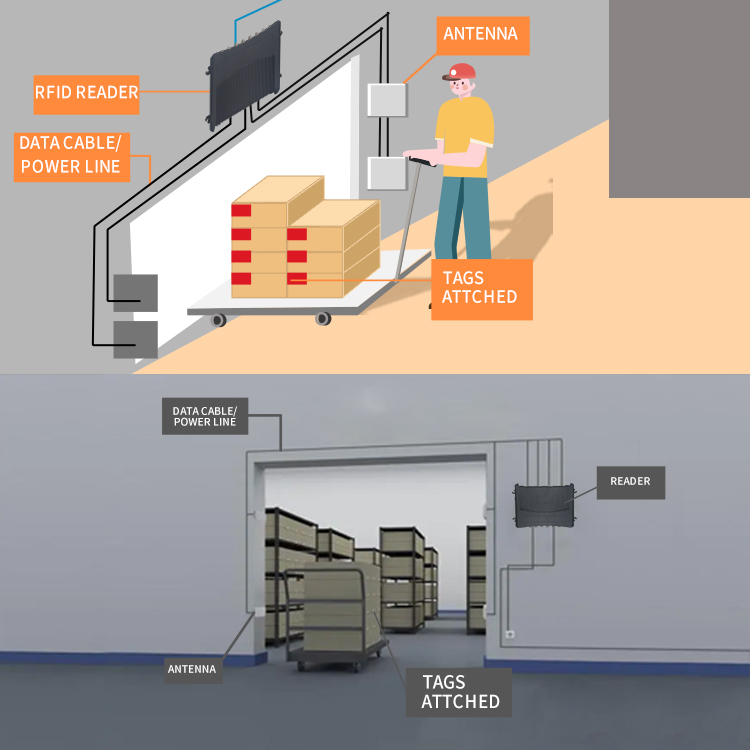
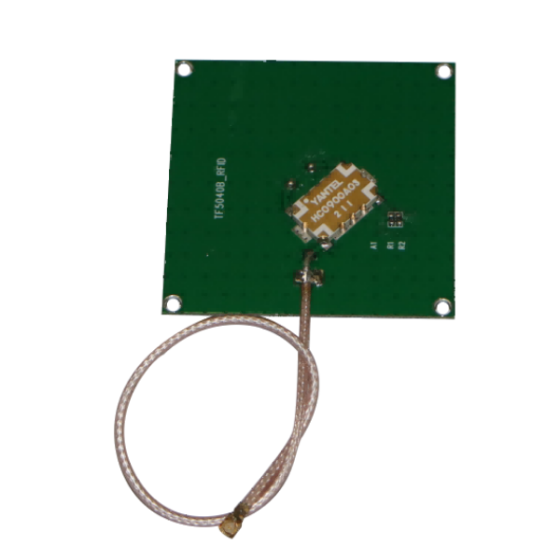
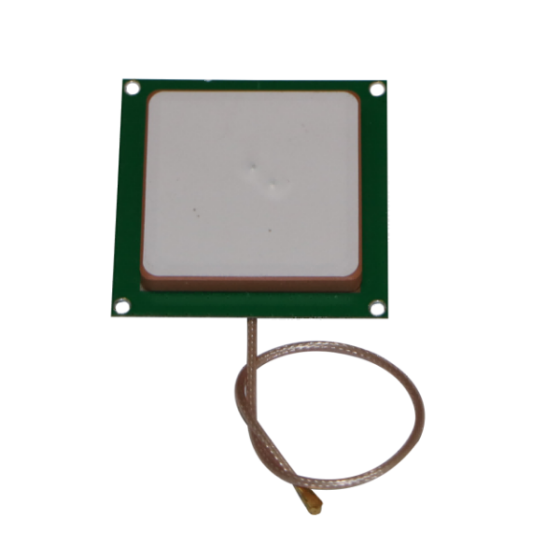
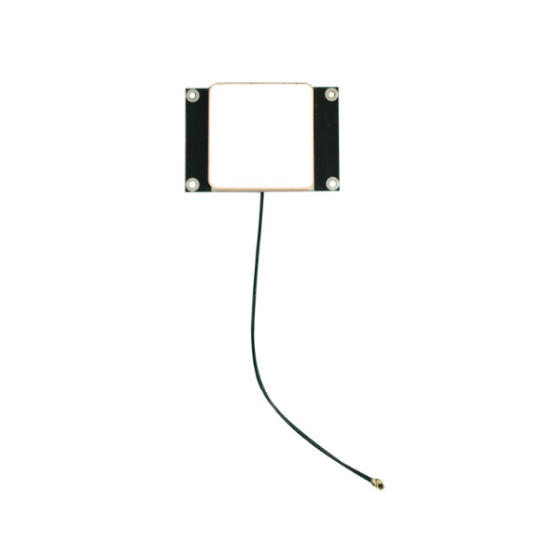
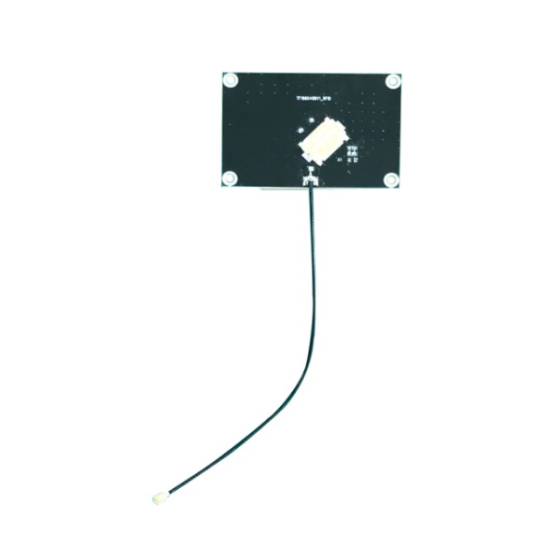
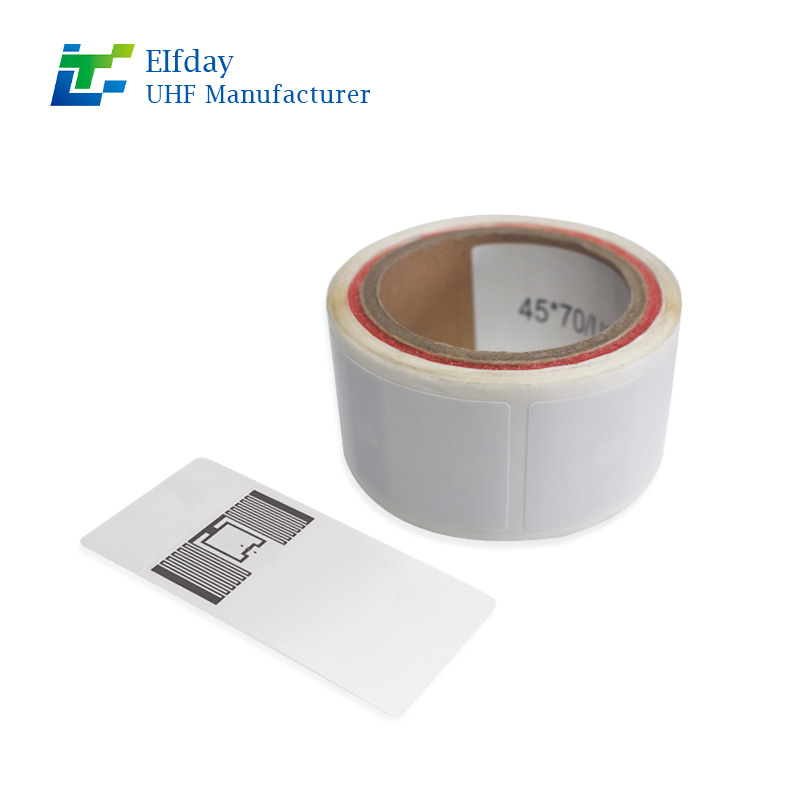
RFID tags for hospital equipment are small, electronic labels that store data and communicate with readers wirelessly. Each tag carries a unique identifier, allowing staff to track equipment in real time. Unlike traditional barcodes, RFID tags do not require line-of-sight scanning, which means multiple items can be read simultaneously, saving time and reducing human error.
Reducing Administrative Errors
Accurate Inventory Tracking
With RFID technology, hospitals can automatically monitor the location and status of equipment. This reduces the likelihood of misplaced items and ensures that inventory records are always up to date.
Streamlined Maintenance and Compliance
Regular maintenance and calibration of medical equipment are essential for safety and regulatory compliance. RFID tags provide automated reminders for maintenance schedules, reducing the risk of human oversight and ensuring that every piece of equipment is safe to use.
Time-Saving and Efficiency
Staff no longer need to manually log equipment movements or conduct physical counts. RFID tags for hospital equipment enable quick scanning of multiple items, freeing up staff to focus on patient care rather than administrative tasks.
Enhanced Data Accuracy
Data errors, such as incorrect equipment counts or missed updates, are minimized with RFID tracking. The automated system ensures that all movements and updates are recorded accurately in real time.
Reduced Risk of Loss or Misplacement
Hospitals often face equipment shortages due to items being misplaced. RFID tags provide instant visibility, allowing staff to locate equipment quickly and avoid unnecessary delays or replacements.
Improving Decision-Making
Reliable data from RFID systems also supports better decision-making. Hospital administrators can analyze usage patterns, optimize inventory levels, and plan purchases more effectively. This leads to improved resource allocation and a smoother workflow across departments.
Why Hospitals Choose RFID Tags
The benefits of RFID tags for hospital equipment extend beyond error reduction. They contribute to improved patient care, enhanced staff efficiency, and a safer hospital environment. Many hospitals have reported significant improvements in workflow efficiency and a noticeable decrease in administrative errors after implementing RFID systems.
Administrative errors in hospitals can impact both staff and patients, but they are preventable with the right technology. RFID tags for hospital equipment provide an effective solution by ensuring accurate tracking, streamlining processes, and reducing human error. By investing in RFID technology, hospitals not only enhance operational efficiency but also create a safer and more reliable environment for patient care.
Embracing RFID tags for hospital equipment is no longer just a technological upgrade—it is a strategic move toward excellence in healthcare administration.