



What Questions Should You Ask Before Choosing an RFID Tag?
Choosing an RFID tag becomes easier when you ask the right questions before comparing products. Instead of starting with price or advertised read range, begin by defining your tracking requirements, the item's physical characteristics, the operating environment, and the way the RFID system will be used.
The most useful questions cover the application, mounting surface, reading conditions, tag durability, reader compatibility, data requirements, installation method, and expected service life. Answering them early helps you eliminate unsuitable options, prepare a clearer purchasing specification, and reduce problems during deployment.
Use the following questions as a practical guide when evaluating RFID tags for inventory, retail, logistics, industrial equipment, or reusable assets.
1. What Exactly Do You Need to Track?
Start by identifying the objects that will carry the RFID tags. A tag suitable for a cardboard product package may not be appropriate for a metal tool or a reusable industrial container.
Ask yourself:
-
Are you tracking individual products, cartons, pallets, tools, equipment, or containers?
-
Does each item need a unique identity?
-
Will the tag remain attached for days, months, or several years?
-
Are the items disposable, reusable, or regularly transferred between locations?
-
Do all tracked items have similar sizes and materials?
For example, retail inventory may require compact labels that can be applied quickly to many products. Equipment tracking may require tags that remain attached through routine handling and maintenance.
The tracking target determines the physical format, attachment method, and durability requirements. If your project covers several asset types, identify whether one tag design can serve them all or whether separate designs are needed.
2. What Material Will the RFID Tag Be Attached To?
The mounting surface can influence RFID performance, so it should be identified before selecting a tag.
Ask:
-
Is the surface made of metal, plastic, cardboard, wood, glass, or another material?
-
Is the surface flat, curved, rough, or coated?
-
Will the tag be mounted directly on the surface?
-
Is there space to position the tag away from interfering materials?
-
Will the product's contents affect radio-frequency performance?
Standard RFID labels may work well on many non-metallic surfaces. Metal assets often require an on-metal tag designed for that application. Products containing liquids may need special attention to tag placement and testing, particularly when using UHF RFID.
Do not assume that a tag will perform the same way on every surface. A successful test on a plastic sample does not prove that the same tag will work on a metal enclosure.
What to do next: Provide the supplier or technical team with the target material, item dimensions, and proposed mounting position. When possible, test the tag on a representative item.
3. What Reading Distance and Method Do You Need?
The required reading method affects which RFID technology and tag design are appropriate.
Ask these questions:
-
Will employees scan individual items with a handheld reader?
-
Will fixed readers identify items passing through a doorway?
-
Must the system read several tagged items in a single operation?
-
Will tagged objects move during identification?
-
Is there a risk of reading items from neighbouring shelves or work areas?
Different workflows need different reading characteristics. A workstation used for close-range identification may benefit from a controlled reading zone. A warehouse system may require efficient identification of multiple items as they move through a defined area.
Avoid relying solely on a maximum read-range figure. Actual performance depends on the tag, reader, antenna arrangement, mounting surface, orientation, and surrounding environment.
Ask how the tag performs under conditions similar to your intended installation. If the project requires consistent identification at a particular distance, make that a test requirement rather than an assumption.
4. Which RFID Frequency and Protocol Does Your System Require?
An RFID tag must communicate using technology supported by the intended reader.
Ask:
-
Does the project require LF, HF, or UHF RFID?
-
Which frequency band does the reader support?
-
Which air-interface protocol or communication standard is required?
-
Will the same tags be used across multiple sites or countries?
-
Are there regional frequency or equipment requirements to consider?
LF, HF, and UHF systems differ in operating characteristics and common applications. For example, UHF RFID is frequently used for warehouse inventory and logistics, while HF is used in applications such as smart cards and close-range identification. The appropriate option depends on the complete system and workflow.
Confirm the reader's exact requirements before ordering. Tags that look similar may use different frequencies, protocols, or chip configurations and may not be interchangeable.
5. What Information Must the RFID Tag Store?
Not every RFID application requires a large amount of memory. In many tracking systems, the tag carries an identifier while detailed information is maintained in a connected database.
Ask:
-
Is a unique identifier sufficient?
-
Must additional information be stored directly on the tag?
-
Does the application require writable memory?
-
Are password protection or other access-control features necessary?
-
How will tag IDs be associated with product or asset records?
For routine inventory tracking, a unique identifier linked to a software record may be enough. Other applications may require additional memory or specific chip functions.
The important distinction is between information stored on the tag and information managed by the tracking software. Understanding this difference can help you choose an appropriate chip without paying for unnecessary capabilities.
If your project has specific data or security requirements, document them before comparing tag models.
6. What Environmental Conditions Must the Tag Withstand?
A tag must remain functional under the conditions it encounters during storage, transport, installation, and use.
Ask:
-
Will the tag be used indoors or outdoors?
-
What temperature range will it encounter?
-
Will it be exposed to rain, condensation, dust, or cleaning procedures?
-
Could it contact oils, solvents, or other chemicals?
-
Will it experience impact, vibration, abrasion, or repeated handling?
These conditions help determine whether a standard label, protective housing, or specialised industrial tag is appropriate.
For outdoor applications, consider moisture protection, sunlight exposure, and temperature changes. For cold storage, check the tag's operating temperature and the adhesive's suitability for the actual surface and application conditions. For industrial environments, verify resistance to the specific chemicals and handling processes involved.
Avoid relying on broad descriptions such as "waterproof" or "heavy-duty" without checking the supporting specifications. Ask for test information relevant to the expected exposure.
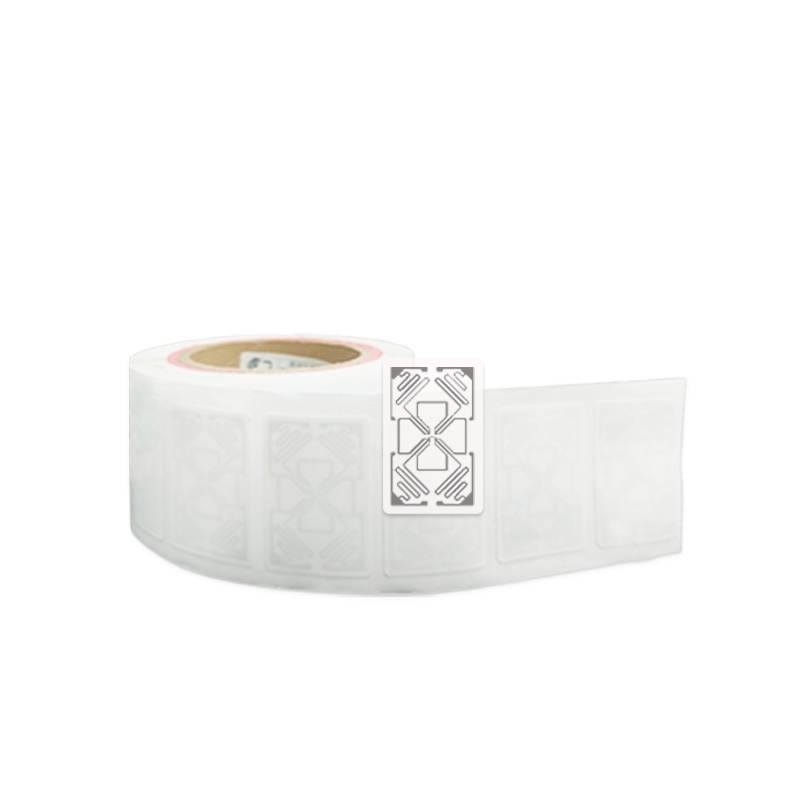
7. How Will the RFID Tag Be Attached?
The attachment method affects installation time, long-term retention, and replacement effort.
Ask:
-
Can the tag use adhesive backing?
-
Does the surface require cleaning or preparation?
-
Would screws, rivets, straps, or a mounting bracket be more suitable?
-
Is embedding the tag an option?
-
Must the tag be removable or replaceable?
-
Could the mounting method change the tag's reading performance?
Adhesive tags can be practical for many products, while mechanically attached tags may be more suitable for selected equipment and reusable assets. Embedded tags can work when the product design provides a suitable location.
Choose an attachment method that matches the surface and operating conditions. If the asset will be handled repeatedly, consider whether the tag will remain secure without frequent inspection or replacement.
For larger projects, include installation time in the evaluation. A small difference in installation effort can become significant when hundreds or thousands of tags are involved.
8. What Physical Size and Shape Will Fit the Item?
An RFID tag must fit the available space without interfering with the product, equipment, or normal workflow.
Ask:
-
What mounting area is available?
-
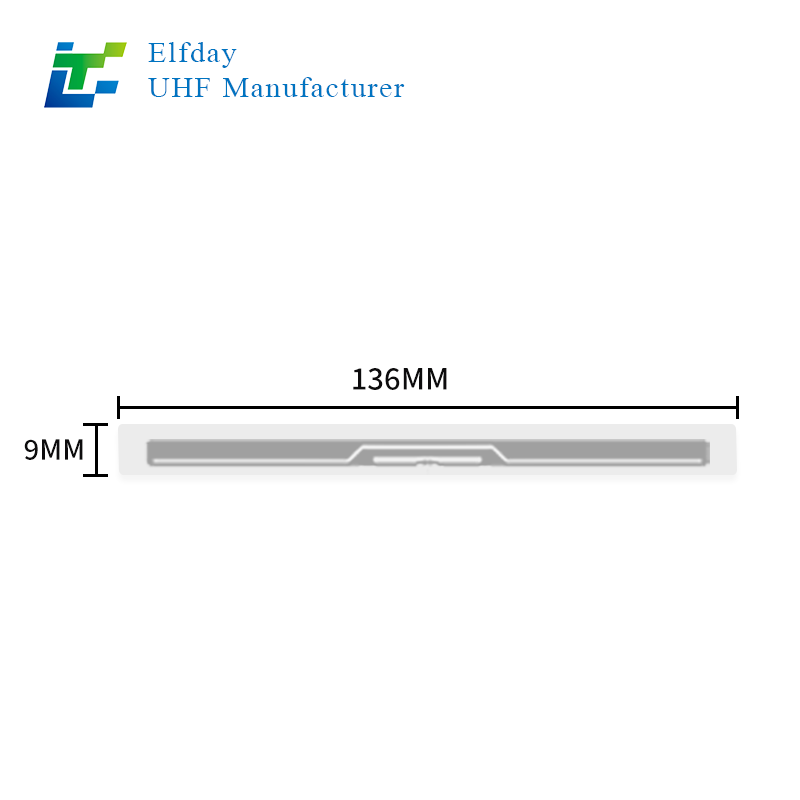
Are there limits on tag length, width, or thickness?
-
Is the surface curved or irregular?
-
Must the tag fit inside a housing or behind a cover?
-
Is a visible label needed alongside the RFID function?
-
Does the tag need a particular orientation?
Compact tags are useful when space is limited, but their performance depends on the antenna and overall design. A larger tag may offer different antenna options but may not fit every item.
Request dimensions and, where appropriate, a drawing or sample. Confirm that the proposed tag fits in its final mounting position, not just on an open test surface.
9. How Long Must the RFID Tag Last?
Expected service life can change which tag offers the best value.
Ask:
-
Is the tag used for a single shipment or a reusable asset?
-
How frequently will the item be handled?
-
Will the tag be exposed to repeated cleaning or abrasion?
-
What level of damage or detachment is acceptable?
-
Can the tag be replaced without disrupting the tracking process?
A disposable product label may only need to last through manufacturing, distribution, and retail handling. A tag on reusable transport equipment may need to remain readable through many trips and repeated cleaning cycles.
Look for durability information relevant to the actual application. If the expected service life is long or the asset is difficult to access, consider a pilot that includes representative handling and inspection.
A tag with a higher initial cost may be worthwhile if it reduces replacement labour and prevents avoidable tracking gaps.
10. What Reader and Software Compatibility Must Be Confirmed?
Compatibility should be checked across the entire tracking workflow, not just at the radio-frequency level.
Ask:
-
Does the tag support the reader's frequency and protocol?
-
Can the reader interpret the tag's identifier or memory structure?
-
Does the software recognise and associate the tag ID correctly?
-
Will the system use handheld readers, fixed readers, or both?
-
Are there requirements for encoding, commissioning, or replacing tags?
-
Will the same configuration need to work at multiple locations?
A tag can be technically readable but still create workflow problems if its identifier is not handled correctly by the software.
For example, replacing a damaged tag may require updating the link between the physical asset and its digital record. Establishing this process before deployment helps preserve data consistency.
Confirm integration requirements with the team responsible for the reader hardware and tracking software. A small end-to-end test can reveal issues that a tag-only test will not detect.
11. What Is the Total Cost of Using the Tag?
The purchase price is only one part of the cost of an RFID tracking project.
Ask:
-
What is the unit price at the required order quantity?
-
How much installation labour is needed?
-
Will additional mounting accessories be required?
-
How frequently might tags need replacement?
-
What inspection or maintenance work is expected?
-
Could inconsistent reading or tag failure disrupt operations?
A lower-priced tag may be suitable for disposable packaging, while a more durable design may be more economical for reusable equipment.
Compare options over the same time period and use realistic assumptions. Include purchase, installation, maintenance, and replacement costs where relevant.
The aim is not to select the most expensive tag. It is to choose an option that meets the technical requirements while keeping the overall operating cost acceptable.
12. Can the Supplier Provide Samples and Technical Documentation?
Before committing to a large order, confirm what evidence is available to support the tag's stated capabilities.
Ask the supplier or technical team:
-
Is a technical datasheet available?
-
Are frequency, protocol, chip, and dimensions clearly specified?
-
Are environmental ratings and temperature limits documented?
-
Is there test information for the intended mounting surface?
-
Can sample tags be provided for evaluation?
-
Are the product specifications consistent across future orders?
Documentation helps you compare candidates using the same criteria. Samples let you verify performance with your actual products, readers, and installation methods.
For specialised applications, ask whether the proposed tag has been tested in conditions similar to yours. If not, establish a test plan before placing a bulk order.
13. What Should You Include in a Tag Evaluation Test?
Once you have narrowed down the options, use a structured test to verify whether the tag meets your requirements.
A practical evaluation can include:
-
Representative items: Test different materials, shapes, and product contents.
-
Final mounting method: Install each tag as it would be installed in normal use.
-
Actual reader configuration: Use the intended reader and antenna arrangement.
-
Repeated identification: Record successful reads and missed reads across repeated trials.
-
Normal movement: Test the tag during the expected handling and movement process.
-
Environmental exposure: Where relevant, assess temperature, moisture, cleaning, or abrasion.
-
Software workflow: Confirm that the correct item record is returned for each tag ID.
-
Documented results: Record the tag model, mounting position, test conditions, and any failures.
Define acceptance criteria before starting. These might include a required read success rate, secure attachment, successful data association, or resistance to specified operating conditions.
A documented evaluation makes it easier to explain why one tag was selected and to maintain consistency when ordering replacements.
RFID Tag Selection Checklist
Use this checklist to turn your answers into a practical purchasing specification.
Tracking target and intended application
Surface material and item geometry
Required reading distance and workflow
Frequency and communication protocol
Chip, identifier, and memory requirements
Tag dimensions and installation space
Temperature and environmental exposure
Attachment and replacement method
Expected service life
Reader and software compatibility
Unit price and ongoing operating costs
Datasheets, samples, and acceptance criteria
You do not need to maximise every specification. Focus on the requirements that directly affect the project's performance, reliability, and operating cost.
Frequently Asked Questions
What is the first question to ask before choosing an RFID tag?
Start by asking what you need to track and how the tag will be used. The target item, material, reading workflow, and expected service life provide the foundation for selecting suitable tag designs.
Should I choose an RFID tag based on read range alone?
No. Read range is only one part of performance. Material compatibility, reading consistency, attachment reliability, environmental resistance, and reader integration can be equally important.
Do I need different RFID tags for different materials?
Sometimes. Standard tags may work across several non-metallic materials, but metal surfaces and liquid-containing products can require specialised designs or different mounting positions. Test each important material category before deployment.
How can I confirm that an RFID tag will work with my reader?
Check the tag's frequency, communication protocol, chip requirements, and reader specifications. Then perform a practical test with the intended reader and software workflow.
When should I request RFID tag samples?
Request samples before bulk ordering when the tag will be used on unfamiliar materials, exposed to demanding conditions, installed in limited space, or integrated into an existing tracking system. Sample testing helps uncover problems early.
What information should I provide when requesting RFID tag recommendations?
Provide the target item's material and dimensions, operating conditions, required reading method, reader details, attachment preference, expected service life, and approximate quantity. Photos of the item and its proposed mounting position can also be helpful.
The right RFID tag is the one that fits your tracking requirements, mounting surface, operating environment, and existing system. Asking the right questions before purchasing helps you move from broad product comparisons to a clear, testable specification.
Start by defining the application, then confirm material compatibility, reading requirements, environmental resistance, attachment method, data needs, and system integration. Finally, test suitable candidates under realistic conditions before ordering in bulk.
A structured selection process can reduce avoidable compatibility problems, simplify installation, and help ensure that the chosen RFID tags support reliable tracking over their intended service life.