



What Makes an RFID Tag Easy to Install and Maintain?
Choosing an RFID tag involves more than checking its frequency, read performance, and physical dimensions. In many applications, installation convenience and long-term maintenance are equally important. An RFID tag that is difficult to install, easy to detach, or inconvenient to replace can increase labor costs and complicate daily operations.
For manufacturers, warehouse operators, and asset management teams, an easy-to-install and maintain RFID tag can simplify deployment and support more consistent identification throughout the product lifecycle.
Several factors determine whether an RFID tag is practical to install and maintain, including its mounting method, material compatibility, physical design, environmental resistance, and accessibility. Understanding these factors helps businesses select RFID tags that fit their operational requirements.
1. A Suitable Mounting Method Simplifies Installation
The mounting method is one of the most important factors affecting RFID tag installation.
Different products and assets require different attachment methods. Choosing a suitable method can reduce installation time and help prevent tags from becoming loose or detached during normal use.
Common RFID tag mounting options include:
Adhesive Mounting
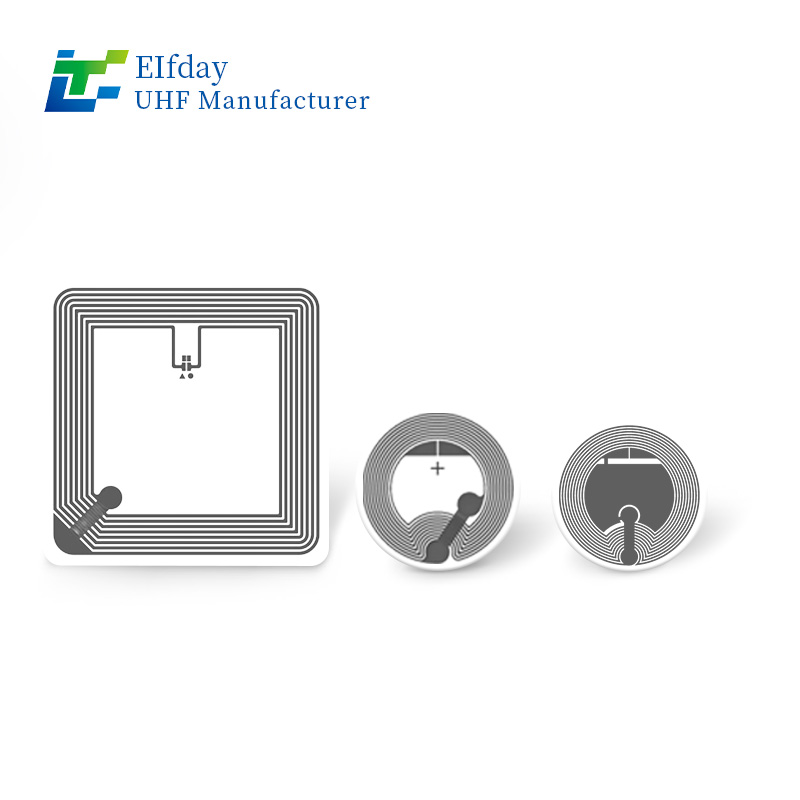
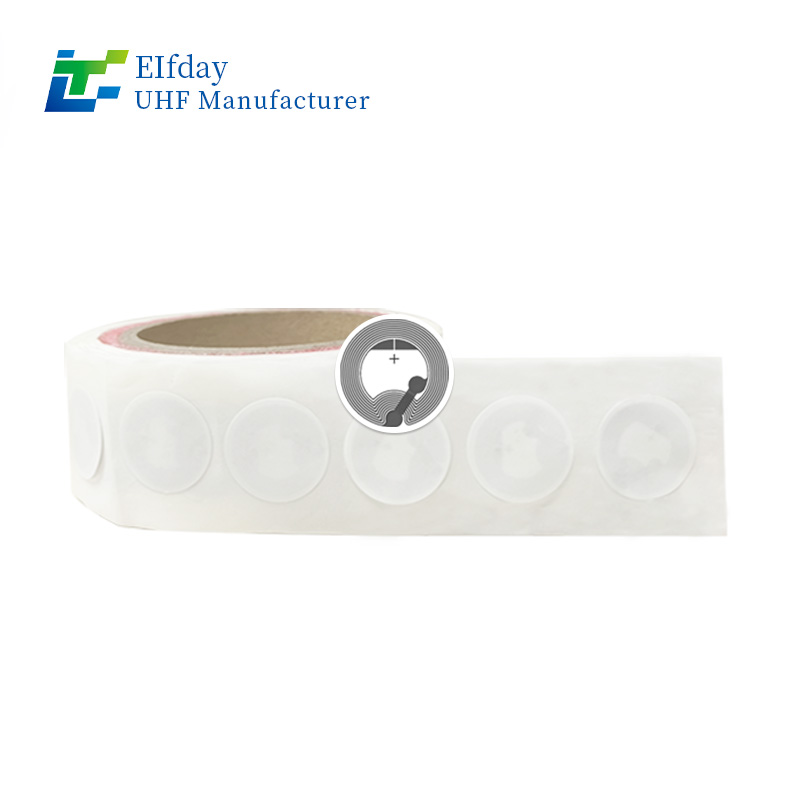
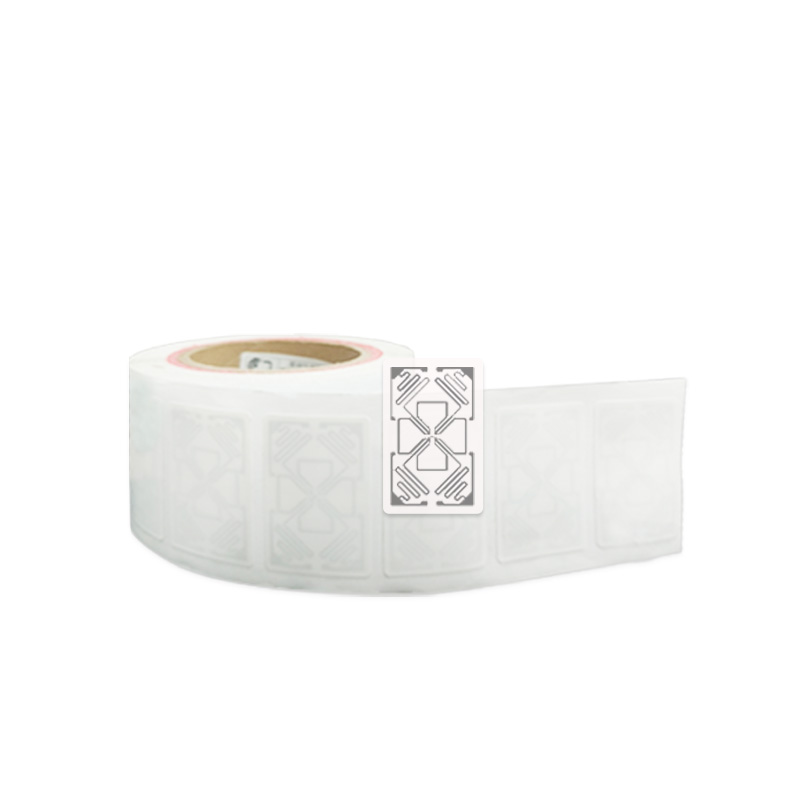
Adhesive-backed RFID tags are convenient for applications involving flat or relatively smooth surfaces. They can often be installed without drilling or additional mechanical fixtures.
However, adhesive performance depends on the surface material, cleanliness, temperature, moisture, and expected operating conditions.
Before installation, confirm that the adhesive is compatible with the mounting surface and application environment.
Screw or Mechanical Mounting
Some RFID tags are designed with holes, slots, or housings that support screw-based or other mechanical attachment methods.
Mechanical mounting can be useful for equipment, industrial assets, and applications where stronger physical attachment is required.
The mounting structure should be compatible with the asset and should not damage the tag antenna or interfere with RFID communication.
Embedded Mounting
For products designed with dedicated RFID installation areas, embedding a tag into a housing or structural component can provide a clean appearance and reduce exposure to accidental contact.
This method is generally easier to implement when RFID requirements are considered during product design.
The best mounting method depends on the asset, installation process, and expected maintenance requirements.
2. Material Compatibility Reduces Installation Problems
An RFID tag may be physically easy to attach but still perform poorly if its construction is unsuitable for the mounting surface.
Different materials can influence both attachment reliability and RFID communication.
For example:
-
Metal surfaces: Standard RFID tags may experience interference when mounted directly on metal. Tags specifically designed for metal applications should be considered.
-
Plastic surfaces: Many conventional RFID labels and tags can be installed on suitable plastic surfaces, subject to adhesive and material compatibility.
-
Curved surfaces: Flexible tags may be easier to install on curved products than rigid tags.
-
Rough surfaces: Special adhesive or mechanical mounting may be needed when the surface is uneven or textured.
-
Fabric and textile materials: RFID tags designed for laundry or textile applications may offer more suitable attachment options.
Material compatibility should be checked before large-scale deployment. A small installation test can help identify potential problems before they affect an entire asset population.
3. A Practical Tag Design Makes Handling Easier
The physical design of an RFID tag also influences installation convenience.
A tag with an appropriate shape, size, and structure is easier to position and handle during installation.
Consider these design characteristics:
-
Appropriate dimensions: The tag should fit the designated mounting area without obstructing other components.
-
Clear orientation: A recognizable installation direction can reduce positioning mistakes.
-
Accessible mounting features: Holes, adhesive backing, or designated attachment areas should be easy to use.
-
Suitable housing: Protective enclosures can help reduce damage from routine handling.
-
Consistent specifications: Standardized tag dimensions and mounting requirements simplify repeat installations.
For large deployment projects, even small improvements in tag handling can make the installation process more consistent.
4. Environmental Resistance Helps Reduce Maintenance
An RFID tag used in an industrial environment may be exposed to moisture, dust, vibration, impact, chemicals, or temperature changes.
If the tag is not designed for these conditions, physical damage or mounting failure may create additional maintenance work.
When selecting an RFID tag, evaluate the actual operating environment.
Important considerations include:
-
Exposure to water or cleaning processes.
-
Dust and other airborne particles.
-
Mechanical impact and vibration.
-
Temperature variations.
-
Exposure to oils, solvents, or cleaning agents.
-
Outdoor sunlight and weather conditions.
For example, an RFID tag used on industrial equipment may need a protective housing, while a tag used in textile management may require a construction suitable for repeated handling and washing processes.
Environmental resistance should be supported by relevant product specifications and testing. Do not assume that every RFID tag is suitable for harsh environments.
5. Easy Identification and Inspection Support Routine Maintenance
Maintenance is not limited to repairing or replacing damaged tags. It also includes checking whether tags remain attached, readable, and correctly associated with their assets.
An RFID tag that is easy to inspect can simplify routine maintenance activities.
A practical inspection process may include:
-
Check whether the tag is still securely attached.
-
Inspect the housing, adhesive area, or mechanical mounting points.
-
Scan the tag using the intended RFID reader.
-
Confirm that the tag ID matches the correct asset record.
-
Record any damaged, missing, or unreadable tags.
-
Replace or investigate tags that do not meet operational requirements.
For applications involving many assets, handheld RFID readers can help maintenance teams conduct periodic inspections without manually checking every asset record.
Combining physical inspection with RFID scanning can make maintenance procedures more systematic.
6. Replaceable Tags Can Simplify Long-Term Maintenance
Some applications require RFID tags to remain attached to assets for extended periods. However, tags may eventually become damaged, lose their attachment, or need replacement when an asset is refurbished.
In these situations, the replacement process should be considered during the initial tag selection.
Questions to evaluate include:
-
Can the tag be removed without damaging the asset?
-
Is there enough access to the mounting area?
-
Can a replacement tag be installed using the same method?
-
Does the replacement process require specialized tools?
-
Can the new tag be associated with the correct asset record?
A replaceable mounting design may be preferable when tags are expected to undergo periodic maintenance.
For embedded or permanently attached tags, manufacturers should consider how damaged tags will be identified and handled before finalizing the product design.
7. Standardized Installation Procedures Improve Consistency
Even a well-designed RFID tag can create problems if different employees install it in different ways.
A standardized installation procedure helps reduce mistakes and makes large-scale deployment easier to manage.
An effective procedure should define:
-
Approved tag models.
-
Required mounting positions.
-
Surface preparation requirements.
-
Installation tools and materials.
-
Tag orientation.
-
Post-installation read testing.
-
Asset registration and record updates.
For adhesive tags, for example, the procedure may specify how to clean and prepare the surface before attachment.
For mechanical tags, it may define the approved mounting points and fastening requirements.
Clear instructions also make it easier to train new employees and maintain consistent installation quality across different facilities.
8. Test Installation and Maintenance Before Large-Scale Deployment
Before deploying RFID tags across an entire facility or product range, conduct a pilot test.
The pilot should evaluate both initial installation and routine maintenance.
A useful evaluation process includes:
Installation testing
-
Measure the time required to install each tag.
-
Check whether the mounting method is practical.
-
Identify installation errors or difficult mounting positions.
-
Confirm that the tag remains readable after installation.
Maintenance testing
-
Check tag attachment after normal handling.
-
Test readability using the intended RFID equipment.
-
Evaluate the accessibility of tags during inspection.
-
Simulate tag replacement where applicable.
-
Document the maintenance procedure.
Testing in actual operating conditions provides a better understanding of installation convenience than relying on product specifications alone.
9. Work With an RFID Supplier to Select the Right Design
When installation and maintenance requirements are important, businesses should discuss the complete application with their RFID supplier.
A suitable solution may require adjustments to tag dimensions, housing materials, adhesive options, mounting structures, or antenna design.
Before requesting recommendations, prepare the following information:
-
Asset type and mounting surface.
-
Available installation space.
-
Required RFID frequency.
-
Environmental conditions.
-
Expected handling and maintenance activities.
-
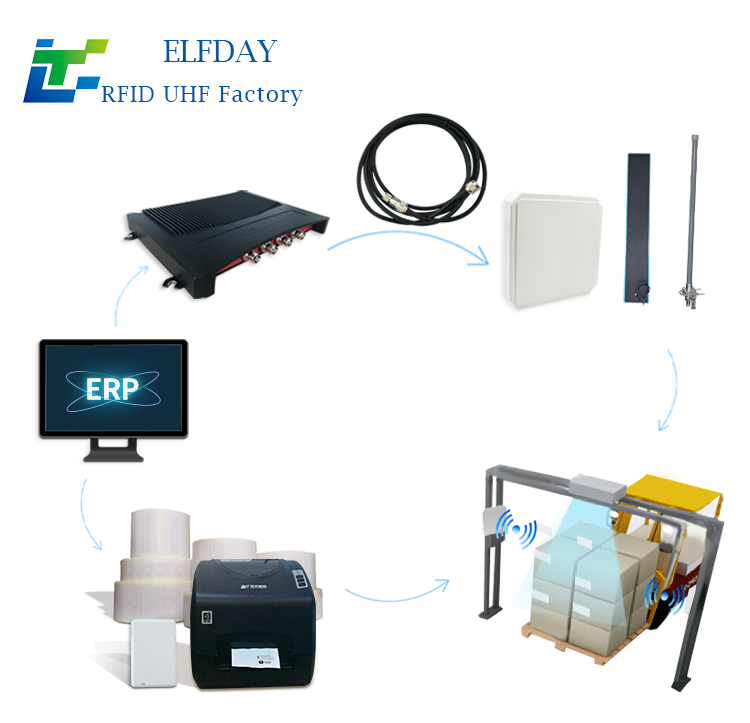
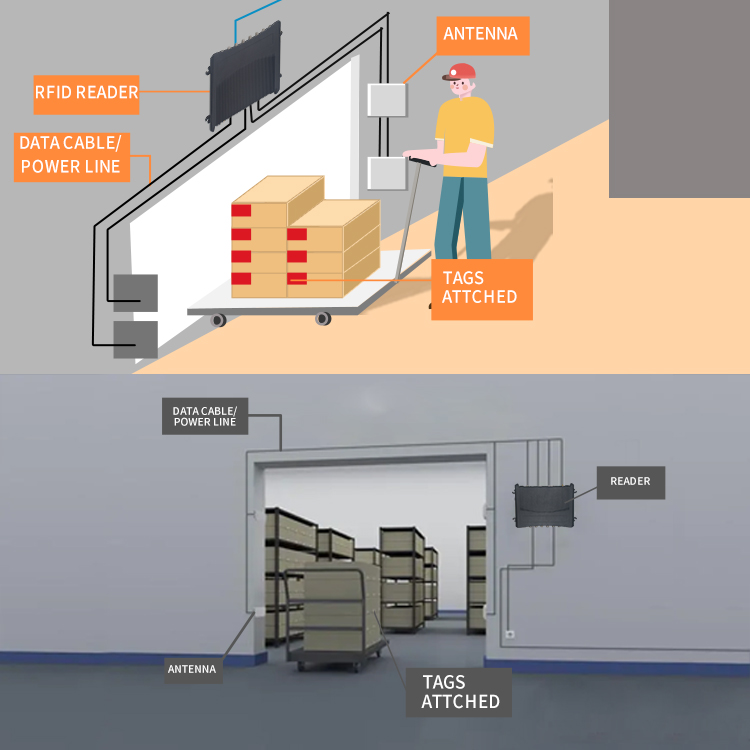
Reader and antenna configuration.
-
Preferred installation and replacement method.
This information helps the supplier evaluate whether a standard RFID tag is sufficient or whether a customized design is more appropriate.
An easy-to-install and maintain RFID tag combines suitable mounting options, material compatibility, practical physical design, environmental resistance, and convenient inspection or replacement.
The right choice depends on how the tag will be installed, how the asset will be used, and what maintenance activities may be required over time.
By evaluating installation and maintenance together, businesses can select RFID tags that are easier to deploy, inspect, and manage throughout their operational lifecycle.
Looking for RFID tags that simplify installation and maintenance? EFLDAY can help evaluate your application requirements and recommend suitable RFID tag designs, mounting options, and customization possibilities.