



What Is an RFID Warehouse Management System? A Detailed Look at Functions, Processes, and Applications
Warehouse management involves more than storing products and keeping inventory records. Businesses need to know what goods they have, where those goods are located, how inventory moves through the facility, and whether warehouse records match actual stock.
Traditional warehouse operations often rely on barcode scanning, manual counting, and repeated data entry. These methods can work well in certain environments, but they may require significant labor when warehouses handle large product volumes or frequent inventory movements.
An RFID warehouse management system uses Radio Frequency Identification (RFID) technology to improve how warehouse data is collected, processed, and managed. By attaching RFID tags to products, cartons, pallets, or other logistics units, businesses can identify tagged items through RFID readers and transfer the collected data to warehouse management software.
This article explains what an RFID warehouse management system is, how it works, its main functions, typical operating processes, and practical applications.
What Is an RFID Warehouse Management System?
An RFID warehouse management system is a warehouse management solution that integrates RFID technology with warehouse management software (WMS) to support automatic identification, inventory tracking, and warehouse operations.
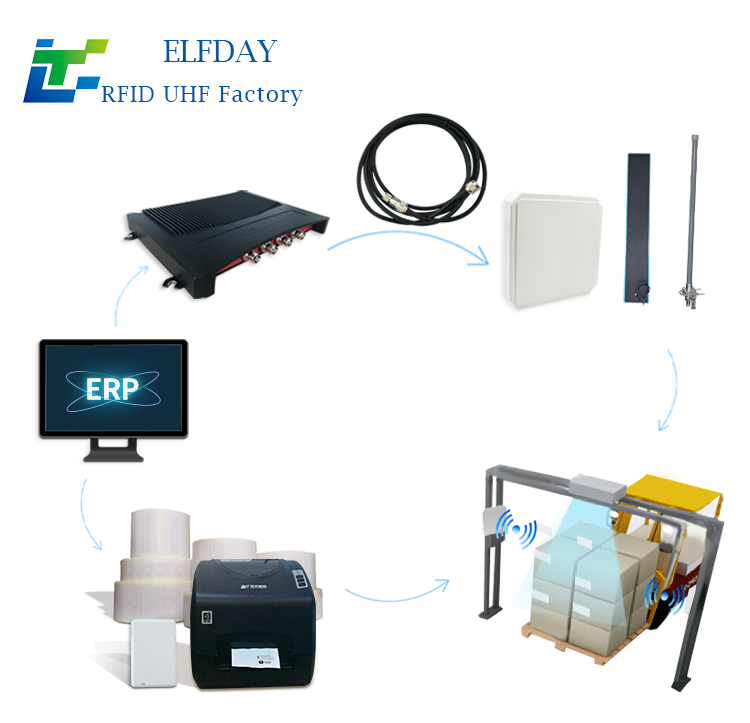
RFID tags are attached to products, packaging, cartons, pallets, or reusable containers. RFID readers and antennas detect these tags and collect their identification information. The collected data is then transferred to the warehouse management platform, where it can be matched with inventory records and used to update warehouse operations.
A typical RFID warehouse management system consists of several elements:
-
RFID tags: Store identification information associated with products, cartons, pallets, or assets.
-
RFID readers: Communicate with RFID tags and collect identification data.
-
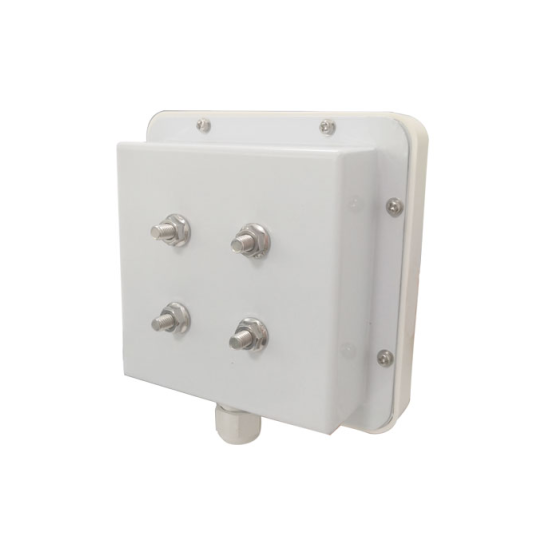
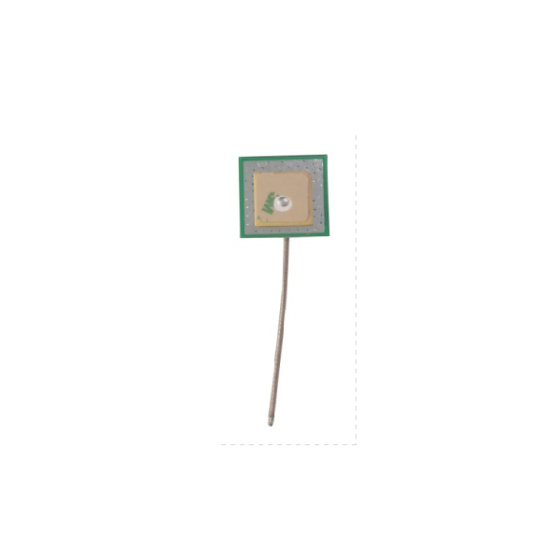
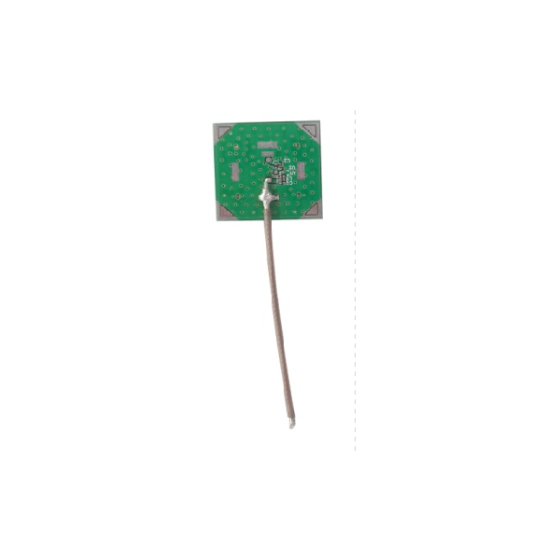
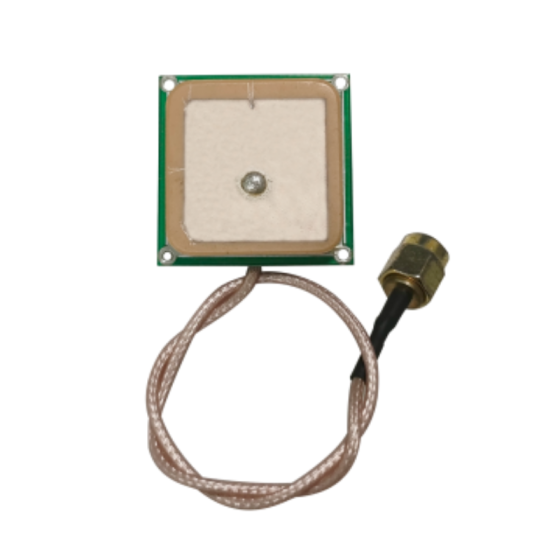
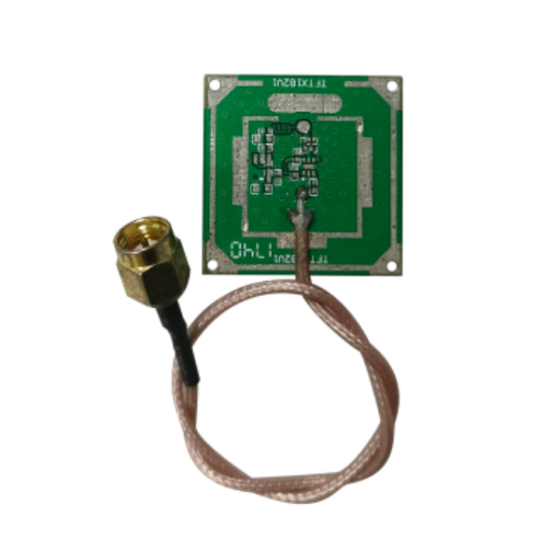
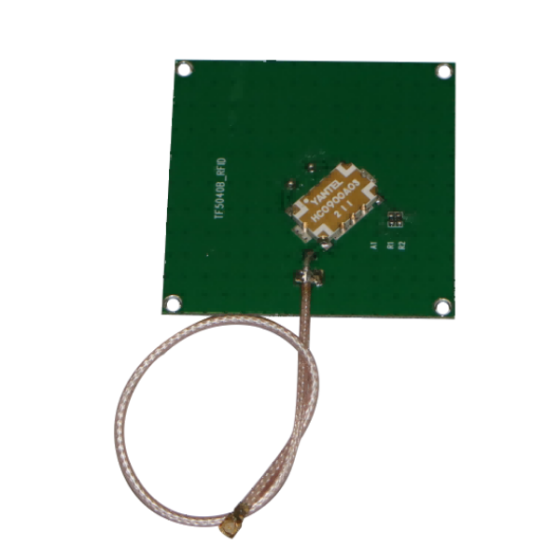
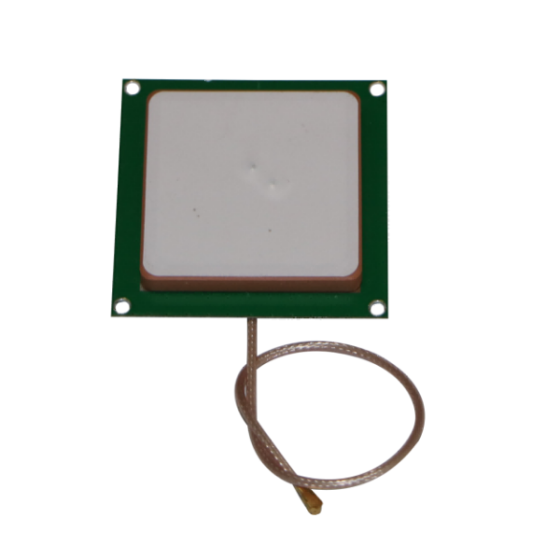
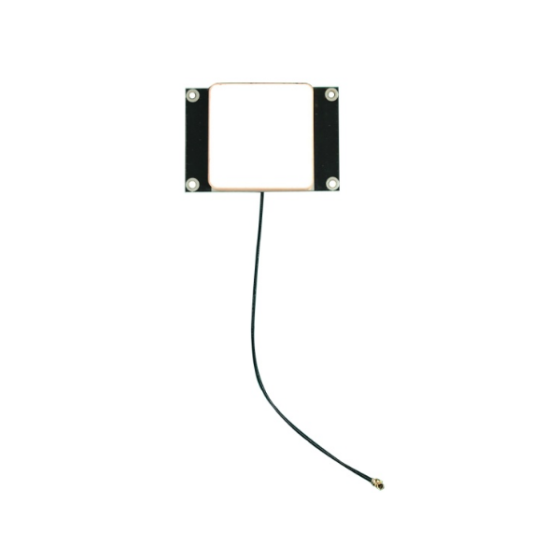
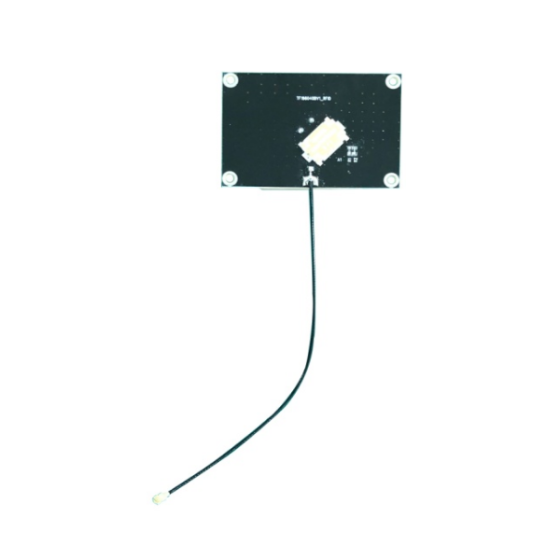
RFID antennas: Transmit and receive radio frequency signals in systems using external antennas.
-
RFID handheld terminals: Allow warehouse employees to identify tagged items and perform mobile inventory operations.
-
RFID gates or portals: Identify tagged goods moving through designated warehouse checkpoints.
-
Warehouse management software: Processes RFID data, manages inventory records, and coordinates warehouse workflows.
-
Network and integration interfaces: Connect RFID devices with WMS, ERP, and other business systems.
The purpose is not simply to read RFID tags. It is to connect automatic identification with actual warehouse processes, helping businesses maintain more consistent inventory records and improve operational visibility.
How Does an RFID Warehouse Management System Work?
An RFID warehouse management system works by connecting tagged goods, RFID reading devices, and warehouse software.
The general process can be divided into five stages.
Assign RFID Tags to Warehouse Items
The first step is to associate an RFID tag with each item or logistics unit that needs to be tracked.
Depending on the warehouse's requirements, tags can be attached to:
-
Individual products
-
Product packaging
-
Cartons and cases
-
Pallets
-
Storage containers
-
Reusable transport assets
Each tag has an identifier that can be linked to a corresponding inventory record in the warehouse database.
For example, a pallet tag may be associated with its product category, batch number, quantity, supplier, and warehouse status.
The appropriate tag type depends on the item's material, packaging, operating environment, and required identification method. For products stored on metal surfaces, specialized anti-metal RFID tags may be necessary.
RFID Readers Detect Tagged Items
When tagged goods enter an RFID reader's detection area, the reader communicates with the tags and collects their identification information.
Different reading devices can be used for different warehouse tasks:
-
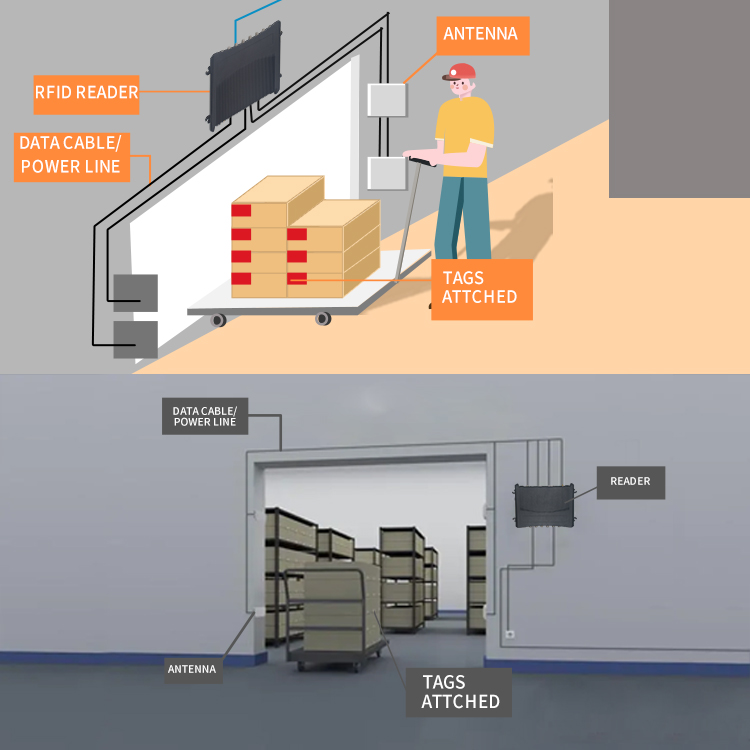
Fixed RFID readers can be installed at receiving areas, warehouse doors, conveyor lines, or shipping checkpoints.
-
Handheld RFID readers allow employees to identify tagged goods while moving through storage locations.
-
RFID portals can detect tagged items passing through designated entry and exit areas.
UHF RFID is commonly considered for warehouse applications because it supports contactless identification and can identify multiple compatible tags within a reading area.
However, actual reading performance depends on tag design, antenna placement, tag orientation, product materials, reader configuration, and the surrounding RF environment.
Transfer RFID Data to the WMS
After reading the tags, the RFID device sends the collected identification data to the warehouse management platform.
The software processes the incoming data and matches each tag ID with the corresponding inventory record.
A typical record may contain:
-
Product or item ID
-
SKU
-
Batch or lot number
-
Quantity
-
Storage location
-
Inventory status
-
Receiving or shipping information
The RFID tag usually does not need to store all of this information. In many systems, the tag carries an identifier while the detailed product and inventory data remain in the WMS database.
Process and Validate Warehouse Events
The WMS interprets the collected RFID information according to the current warehouse operation.
For example, if a tagged pallet is detected at a receiving checkpoint, the system can compare its identity with the expected receiving order.
If the detected items match the expected shipment, the WMS can record the receiving event. If an unexpected tag is detected, the system may generate an exception for employees to investigate.
Data filtering and event validation are important because a reader may detect tags outside the immediate target group or read the same tag more than once during a movement event.
Update Inventory Records
Once the event has been validated, the WMS updates the corresponding inventory records.
Depending on the workflow, the system may record goods as received, stored, relocated, picked, packed, or shipped.
This creates a more connected flow of inventory information across warehouse operations.
What Are the Main Functions of an RFID Warehouse Management System?
An RFID warehouse management system can support multiple warehouse processes. Its specific functions depend on the selected hardware, software, and integration requirements.
Automatic Goods Receiving
Goods receiving is one of the first stages in warehouse operations.
When tagged products, cartons, or pallets arrive, RFID readers installed at receiving checkpoints can identify compatible tags and collect their identification data.
The WMS can compare the detected information with purchase orders, advance shipping notices, or expected receiving records.
This helps warehouse employees:
-
Identify incoming goods.
-
Check received items against expected records.
-
Record receiving events.
-
Identify unexpected or missing items for further inspection.
-
Reduce repetitive manual data entry.
The system should be configured to distinguish goods belonging to the current receiving operation from tags located nearby.
Inventory Tracking and Visibility
Inventory tracking is a central function of warehouse management.
By associating RFID tag IDs with inventory records, the WMS can maintain information about tagged items and their recorded movements.
Depending on the reading infrastructure, businesses can monitor inventory events at receiving points, storage areas, production supply zones, and shipping locations.
This helps warehouse managers understand:
-
Which tagged items have been received.
-
Which goods have been moved.
-
Which items have been picked.
-
Which goods have been shipped.
-
Whether recorded inventory matches expected stock.
It is important to understand that RFID does not automatically provide continuous location tracking. In most warehouse systems, item location is updated when a tag is identified at a reader checkpoint, during a handheld scan, or through another configured identification process.
Faster Inventory Stocktaking
Traditional stocktaking often requires employees to locate products, scan individual barcodes, or count items manually.
With a properly designed RFID system, employees can use handheld readers or fixed reading zones to identify multiple tagged items without scanning each barcode individually.
Potential benefits include:
-
Less repetitive scanning.
-
More efficient inventory checks.
-
Easier identification of unexpected items.
-
Better comparison between physical inventory and WMS records.
-
More frequent stock verification.
For reliable stocktaking, the system must account for missed reads, duplicate reads, nearby tags, and items that are not compatible with the selected RFID technology.
Warehouse Location Management
RFID can support warehouse location management by associating item identification records with storage locations.
For example, an employee can scan a storage location identifier and then identify the RFID-tagged goods placed there.
The WMS can associate the detected items with the corresponding location record.
This helps maintain information about where products are expected to be stored and supports tasks such as put-away, relocation, and picking.
Order Picking and Sorting
During order fulfillment, warehouse employees need to select the correct products and quantities.
RFID can help identify tagged items during picking and sorting operations.
For example, an RFID reader installed at a picking station can identify tagged items placed in a designated reading area. The WMS can compare the detected items with the order requirements.
This may help reduce picking errors and improve order verification, provided that the reading zone is properly designed and the system validates the detected tags against the correct order.
Shipping Verification
Before goods leave the warehouse, RFID readers can identify tagged cartons or pallets at shipping checkpoints.
The WMS can compare the detected items with the outbound order or shipping list.
If the detected information matches the expected shipment, the system can record the shipping event. If there are discrepancies, employees can review the exception before dispatch.
This helps businesses maintain more complete records of outbound goods.
Inventory Alerts and Exception Management
An RFID warehouse management system can also support automated alerts.
Depending on the software configuration, the system may identify:
-
Unexpected items at a receiving checkpoint.
-
Goods detected at an incorrect warehouse area.
-
Missing items during an inventory check.
-
Products moved without a corresponding system transaction.
-
Differences between expected and detected shipment contents.
These alerts help employees investigate inventory discrepancies and operational exceptions.
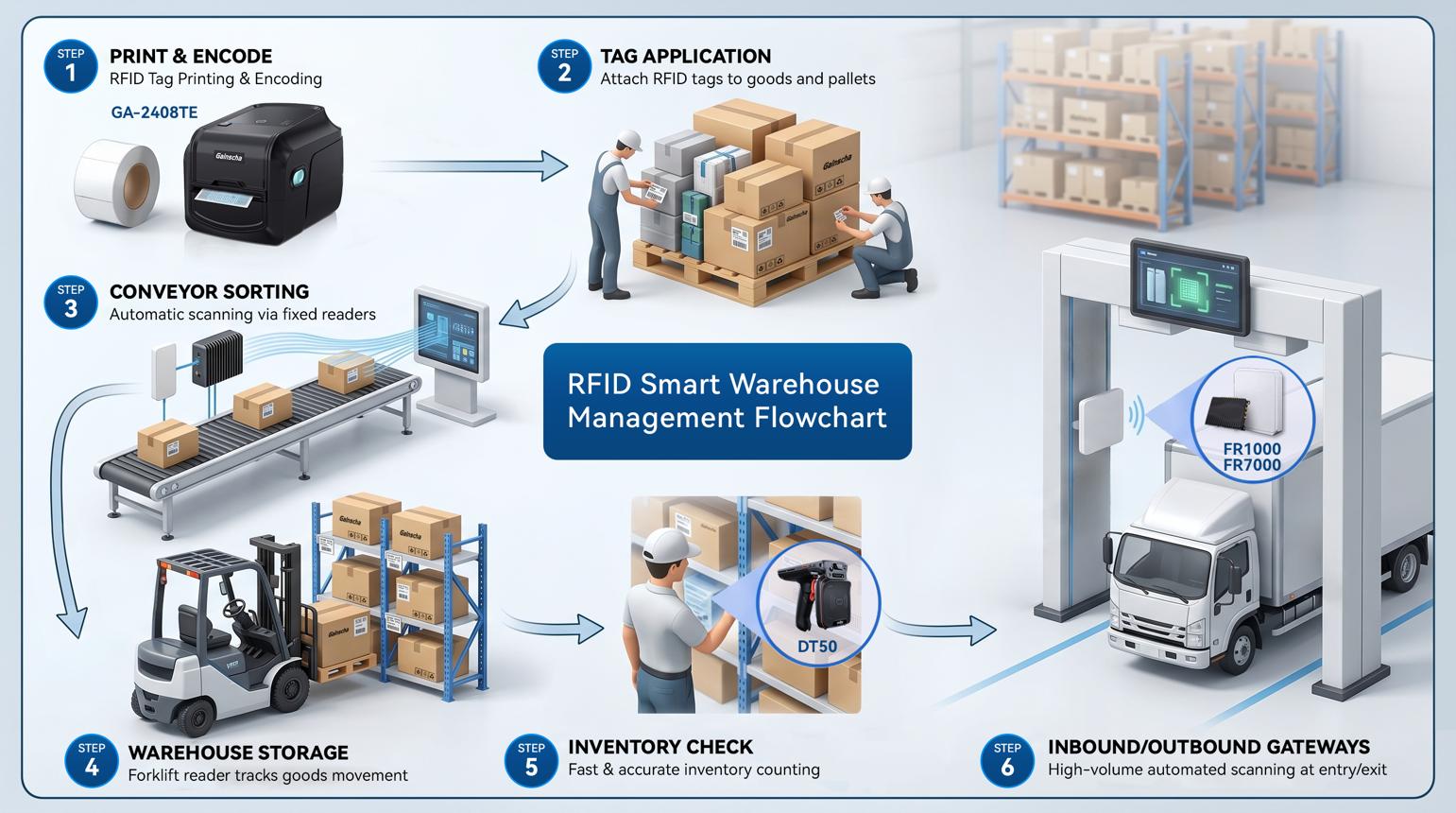
What Is the Complete RFID Warehouse Management Process?
To understand how RFID supports warehouse operations, it is useful to follow a typical product from arrival to shipment.
Step 1: Goods Receiving
Tagged goods arrive at the warehouse. RFID readers identify the tags at the receiving area, and the WMS compares the collected data with the expected receiving records.
Step 2: Put-Away and Storage
After receiving verification, goods are assigned to storage locations.
Employees can use handheld RFID readers to identify the items and storage location, allowing the WMS to record the put-away operation.
Step 3: Inventory Management
During storage, the warehouse uses RFID handheld devices or fixed readers to identify tagged items and record inventory-related events.
The WMS maintains the associated inventory information and location records.
Step 4: Internal Movement
When goods are transferred between storage areas, production zones, or picking locations, RFID identification can help record the movement.
The system updates the inventory location after the movement is confirmed according to the configured workflow.
Step 5: Order Picking
When an order is created, the WMS generates picking tasks.
Employees locate and identify the required goods. RFID readers can help verify the picked items against the order details.
Step 6: Packing and Shipping
Before dispatch, RFID readers identify the tagged cartons or pallets at the shipping area.
The WMS compares the detected items with the outbound order and records the shipping event after verification.
This process connects receiving, storage, inventory, internal movement, picking, and shipping through a shared inventory information system.
What Are the Common Applications of RFID Warehouse Management Systems?
RFID warehouse management systems can be used in different industries where businesses need to identify and manage large numbers of products or logistics units.
Manufacturing Warehouses
Manufacturing companies often manage raw materials, components, work-in-progress items, tools, and finished products.
RFID can help identify tagged materials during receiving, storage, production supply, and finished-goods handling.
When integrated with a manufacturing execution system (MES) or ERP platform, RFID events can also support material traceability and production-related inventory records.
E-Commerce Fulfillment Centers
E-commerce warehouses handle large numbers of individual products and frequent order-picking operations.
RFID can support product identification, inventory checks, sorting, and outbound verification.
For businesses with suitable item-level tagging, RFID may help improve inventory visibility across high-volume fulfillment workflows.
Retail Distribution Centers
Retail distribution centers receive goods from suppliers and distribute them to stores.
RFID tags attached to products, cartons, or pallets can help identify incoming and outgoing goods at designated checkpoints.
This can improve shipment verification and support inventory reconciliation between distribution centers and retail locations.
Logistics and Distribution Warehouses
Logistics providers handle goods from multiple customers and coordinate frequent movements between storage areas, loading zones, and transportation operations.
RFID can help identify pallets, containers, and reusable transport assets as they pass through designated reading points.
The collected events can be used to update warehouse records and support shipment visibility.
Pharmaceutical and Healthcare Warehouses
Pharmaceutical and healthcare supply chains require careful inventory management and traceability.
RFID can be used to identify tagged products, cartons, and storage containers and record their movements within controlled warehouse environments.
Implementation should account for applicable regulatory requirements, product labeling standards, data integrity, and the organization's validation procedures. RFID alone does not guarantee product authenticity or regulatory compliance.
RFID Warehouse Management System vs. Traditional Barcode Warehouse Management
RFID and barcode technologies are both used in warehouse identification. Their main differences relate to how information is captured and how reading operations are performed.
| Comparison | Barcode Warehouse System | RFID Warehouse System |
| Identification method | Optical scanning | Radio frequency communication |
| Line of sight | Usually required | Not generally required |
| Reading operation | Typically scans one barcode at a time | Some RFID systems can identify multiple tags in one reading area |
| Item orientation | Barcode must be presented to the scanner | Tag orientation can still affect performance, but direct optical alignment is not required |
| Data collection | Usually manual or scanner-triggered | Can be automated through fixed readers or handheld devices |
| Environmental considerations | Barcode damage, dirt, and print quality | RF interference, material compatibility, tag placement, and antenna design |
| Typical applications | Product scanning and order picking | Inventory identification, portal reading, asset tracking, and automated checkpoints |
RFID is not always a replacement for barcode technology. Some warehouses use both technologies, selecting the most appropriate identification method for each operation.
For example, barcode scanning may remain suitable for certain individual picking tasks, while RFID portals support automated pallet identification at receiving and shipping areas.
What Hardware Is Needed for an RFID Warehouse Management System?
A complete RFID warehouse solution requires hardware that matches the warehouse layout and operational requirements.
RFID Tags
RFID tags are attached to the products or logistics units that need to be identified.
Common options include:
-
UHF RFID labels for cartons and packaging.
-
UHF RFID hard tags for reusable assets.
-
Anti-metal RFID tags for metal equipment and containers.
-
Industrial RFID tags for demanding operating environments.
-
RFID tags for pallets and reusable transport units.
Tag selection should consider material compatibility, attachment method, operating temperature, exposure to moisture, and required durability.
Fixed RFID Readers
Fixed readers are installed at specific warehouse locations to identify tagged items passing through or entering a reading area.
Typical installation points include:
-
Receiving entrances.
-
Warehouse doors.
-
Conveyor systems.
-
Shipping checkpoints.
-
Production material transfer points.
RFID Antennas
RFID antennas transmit and receive radio frequency signals between readers and tags.
Their number, placement, polarization, gain, and beamwidth influence the reading area.
A warehouse may require different antenna arrangements for portal gates, conveyor lines, storage areas, and vehicle-loading zones.
RFID Handheld Readers
Handheld RFID readers allow warehouse employees to identify tagged items while moving around the facility.
They are useful for:
-
Inventory stocktaking.
-
Locating expected inventory.
-
Verifying storage locations.
-
Checking picking tasks.
-
Investigating inventory discrepancies.
RFID Middleware and WMS Software
RFID middleware processes the data collected by readers before it reaches the warehouse management platform.
It may filter duplicate reads, group tag observations into business events, and forward validated information to the WMS.
The WMS then manages inventory records, warehouse locations, receiving, picking, shipping, and reporting.
What Should Businesses Consider Before Implementing an RFID Warehouse Management System?
Successful RFID deployment requires more than installing readers and attaching tags. Businesses should evaluate the complete warehouse environment and workflow.
Define the Identification Level
Decide whether RFID tags will be attached to individual products, cartons, pallets, or reusable containers.
Item-level tagging provides more detailed identification but may require more tags and a different reading strategy. Pallet-level tagging may be sufficient when the business primarily needs to track logistics units.
Evaluate Product Materials
Metal and liquid-containing products can affect RFID performance.
For example, standard RFID labels may not work as expected when attached directly to metal surfaces. Specialized anti-metal tags or alternative mounting positions may be required.
Testing should use the actual products and packaging whenever possible.
Plan Reader and Antenna Locations
Reader and antenna placement determines which areas can be covered and which tags may be detected.
Businesses should consider:
-
Warehouse entrance dimensions.
-
Conveyor speed and layout.
-
Storage rack construction.
-
Tag orientation.
-
Nearby metal structures.
-
Adjacent reading zones.
-
The possibility of detecting tags outside the target area.
A site survey and pilot test can help determine suitable reader positions and antenna configurations.
Establish Reliable Data Processing Rules
RFID readers may detect the same tag multiple times as an item moves through a reading area.
The software should process these observations and determine when they represent a meaningful warehouse event.
For example, a pallet passing through a receiving gate should generate an appropriate receiving event rather than multiple unrelated inventory transactions.
Integrate RFID With Existing Systems
Before deployment, confirm how RFID data will connect with the existing WMS, ERP, MES, or transportation management system.
Important considerations include:
-
Data interfaces and communication protocols.
-
Product and tag ID mapping.
-
Inventory update rules.
-
Exception handling.
-
User permissions.
-
Data synchronization and reporting.
A well-planned integration helps RFID identification become part of normal warehouse operations rather than an isolated technology.
Frequently Asked Questions About RFID Warehouse Management Systems
What is the main purpose of an RFID warehouse management system?
Its main purpose is to use RFID technology to improve warehouse identification and inventory management. It can support automatic goods identification, inventory checks, location management, internal movement recording, picking verification, and shipping verification.
Can an RFID warehouse system read multiple products at once?
Yes. Compatible RFID systems, particularly UHF RFID, can identify multiple tags within a reading area using anti-collision mechanisms. Actual performance depends on the tag population, reader configuration, antenna arrangement, item materials, and operating environment.
Does RFID provide real-time warehouse location tracking?
Not necessarily. Most warehouse RFID systems record identification events at fixed reading points or during handheld scanning. The WMS can use these events to update item locations, but continuous real-time positioning requires additional infrastructure and a suitable location-tracking solution.
Is UHF RFID suitable for warehouse management?
UHF RFID is widely considered for warehouse applications because it supports contactless identification and can read multiple compatible tags. It is often used for pallet tracking, carton identification, inventory checks, and receiving or shipping checkpoints. The final choice should be based on the application and actual testing conditions.
Can RFID warehouse management systems integrate with ERP software?
Yes. Depending on the available interfaces, RFID middleware and WMS platforms can exchange information with ERP systems. This allows businesses to connect warehouse inventory events with purchasing, sales, production, and other business processes.
Do all warehouse products need an RFID tag?
No. The tagging strategy depends on the required level of inventory visibility, product value, operational needs, and project budget. Some businesses tag individual products, while others tag cartons, pallets, or reusable containers.
Can RFID completely replace manual inventory checks?
RFID can reduce repetitive manual identification and make inventory checks more efficient. However, businesses still need exception handling, physical verification where necessary, and procedures for investigating missed reads or inventory discrepancies.
An RFID warehouse management system combines RFID tags, readers, antennas, middleware, and warehouse management software to support automatic identification and inventory control.
From goods receiving and put-away to stocktaking, internal movement, order picking, and shipping, RFID can help warehouses collect operational data more efficiently and maintain better visibility of tagged inventory.
The effectiveness of an RFID solution depends on selecting suitable tags, planning reader and antenna locations, designing reliable data-processing rules, and integrating RFID events with warehouse software.
For businesses planning warehouse automation, RFID provides a flexible technology foundation for improving inventory identification, streamlining warehouse workflows, and supporting more data-driven operations.
Explore EFLDAY's RFID tags, RFID readers, and RFID antennas to find suitable hardware for your warehouse identification and inventory management projects.