



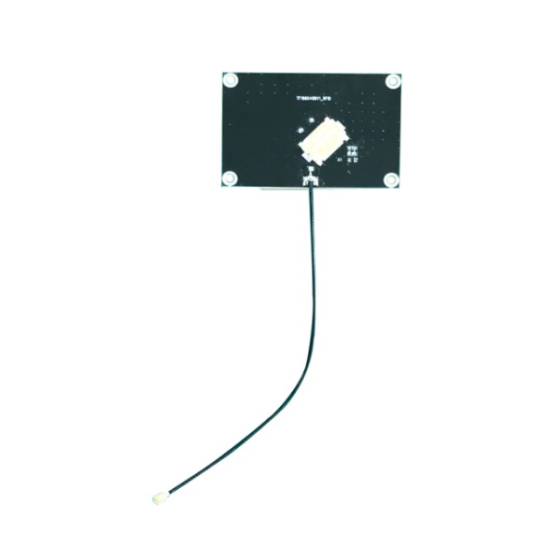


Very High Temperature RFID Tags for Industrial Heat Resistance Applications
In modern industrial environments, tracking assets under extreme heat conditions is no longer optional—it is essential. Standard RFID solutions often fail when exposed to continuous high temperatures, metal surfaces, or harsh manufacturing processes. This is where very high temperature RFID tags become critical.
Designed for reliability in extreme environments, these tags enable accurate identification and tracking even in conditions where traditional labels would degrade, melt, or lose signal performance.
If your operations involve heat-intensive processes such as metal processing, automotive manufacturing, aerospace production, or industrial laundering systems, high-temperature RFID technology can significantly improve visibility and operational efficiency.
What Are Very High Temperature RFID Tags?
Very high temperature RFID tags are specialized radio frequency identification labels engineered to withstand extreme heat exposure while maintaining stable performance and readability.
Unlike standard RFID tags, these industrial-grade tags are built using heat-resistant materials such as:
- Ceramic substrates
- High-performance engineering plastics
- Heat-resistant adhesives
- Encapsulated protective housings
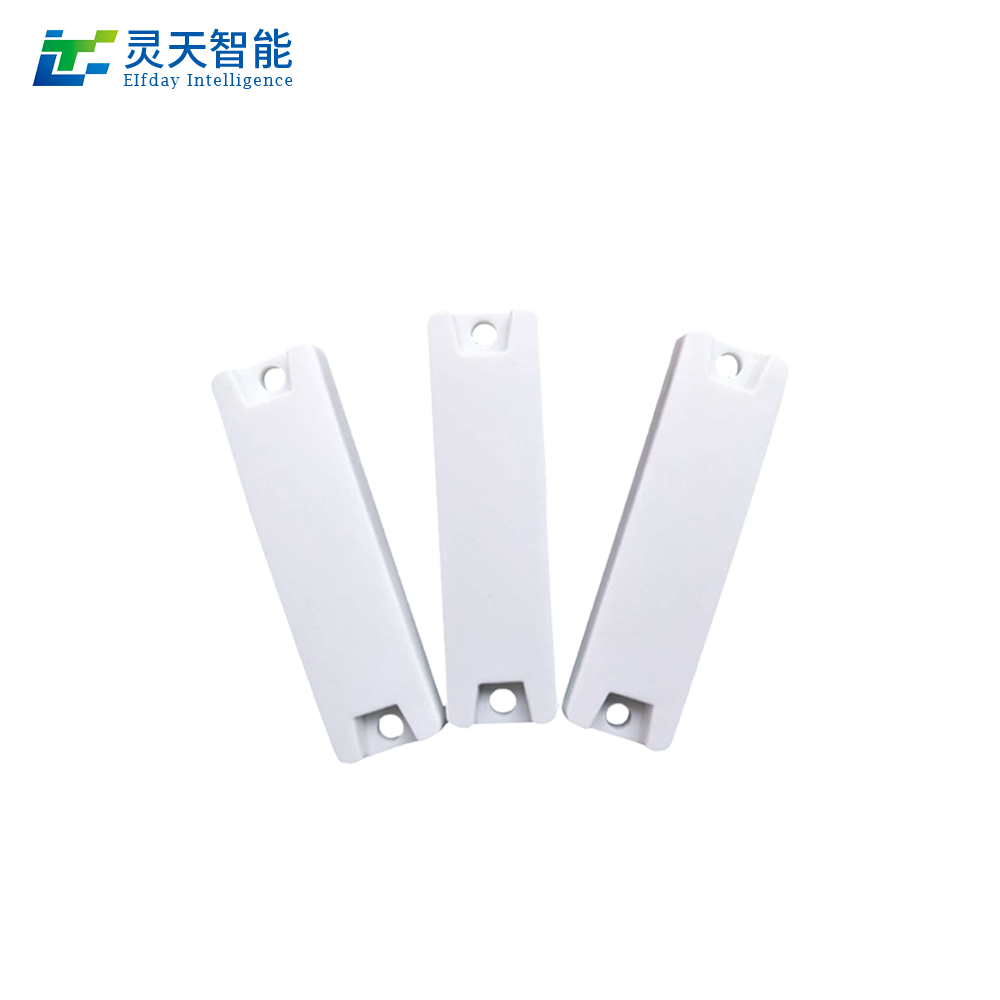
These materials allow the tags to operate in environments ranging from 200°C to over 300°C (and in some cases higher) depending on the design.
Why High Temperature Resistance Matters
In industrial workflows, exposure to extreme heat can occur during:
- Powder coating and painting processes
- Metal heat treatment and forging
- Automotive part curing cycles
- Industrial sterilization
- Manufacturing ovens and drying lines
Without heat-resistant RFID tags, companies often face:
- Tag failure or data loss
- Poor traceability in production lines
- Increased manual tracking costs
- Reduced supply chain visibility
Very high temperature RFID tags solve these issues by maintaining stable performance under continuous thermal stress.
Key Features of Very High Temperature RFID Tags
1. Extreme Heat Resistance
Engineered to survive prolonged exposure to high-temperature industrial processes without deformation or signal loss.
2. Durable Construction
Designed with rugged materials that resist chemicals, abrasion, pressure, and mechanical impact.
3. Stable RFID Performance
Maintains reliable read and write performance even in challenging environments.
4. Metal-Compatible Design
Some versions are optimized for direct attachment to metal surfaces without detuning or interference.
5. Long Lifecycle
Built for repeated industrial cycles, reducing replacement costs and downtime.
Common Industrial Applications
Very high temperature RFID tags are widely used across multiple industries:
- Automotive manufacturing and engine part tracking
- Metal processing and heat treatment monitoring
- Aerospace component identification
- Industrial painting and coating lines
- Heavy machinery maintenance tracking
- Reusable tool and asset management in factories
Their ability to maintain performance under extreme conditions makes them ideal for mission-critical environments.
Benefits for Industrial Operations
Implementing very high temperature RFID tags can significantly improve operational efficiency:
Improved Traceability
Every asset can be tracked through high-temperature processes without interruption.
Reduced Manual Errors
Automated identification reduces human error in complex production workflows.
Higher Production Efficiency
Faster scanning and tracking streamline industrial operations.
Cost Savings
Long-lasting durability reduces replacement frequency and maintenance costs.
Better Compliance
Supports quality control and traceability requirements in regulated industries.
How to Choose the Right High Temperature RFID Tags
When selecting the right solution, consider the following factors:
- Maximum operating temperature
- Surface type (metal, plastic, composite)
- Installation method (screw, adhesive, rivet)
- Required reading distance
- Chemical exposure conditions
- Tag size and form factor
Choosing the correct configuration ensures long-term performance and reliability in your specific environment.
As industrial processes become more automated and data-driven, the demand for reliable tracking under extreme conditions continues to grow. Very high temperature RFID tags provide a robust solution for environments where standard RFID technology fails.
By ensuring stable performance in high-heat applications, these tags help industries improve traceability, reduce operational risks, and optimize production efficiency.