

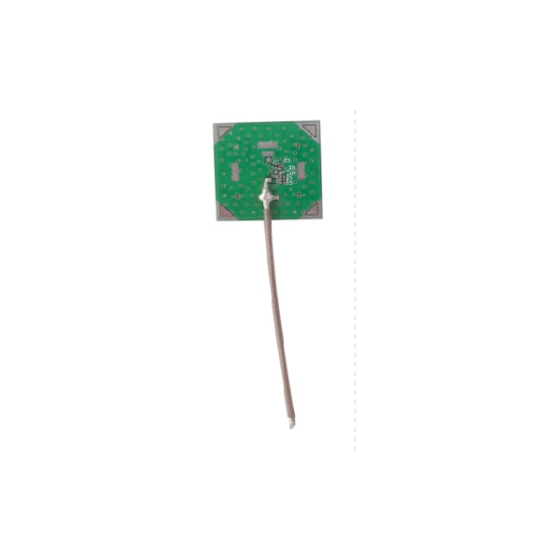
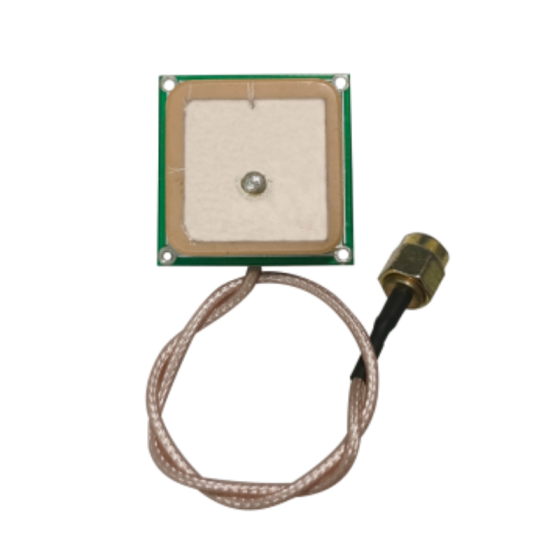
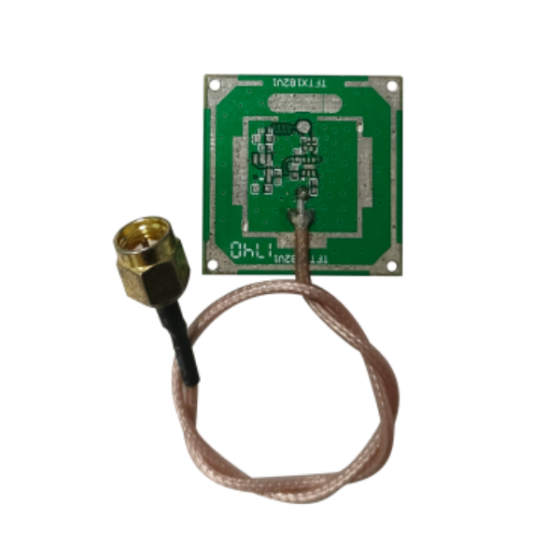
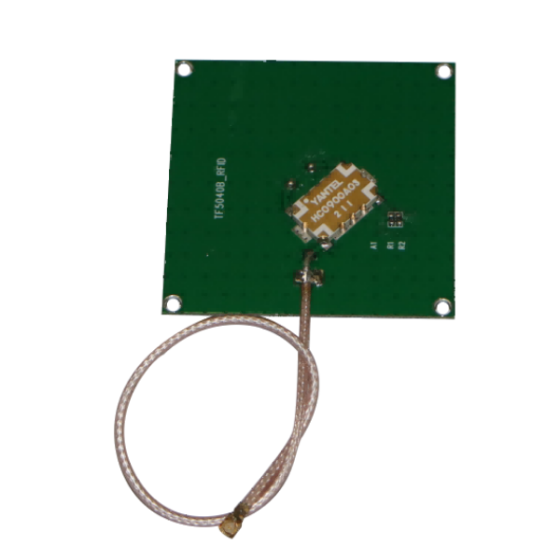


UHF RFID Tag Solutions for Automotive Inventory and Component Management
The automotive industry relies on highly efficient supply chains where thousands of parts, components, and materials must be tracked accurately throughout production and distribution processes. From engine components and electronic parts to spare parts and manufacturing supplies, maintaining real-time visibility is essential for improving productivity and reducing operational risks.
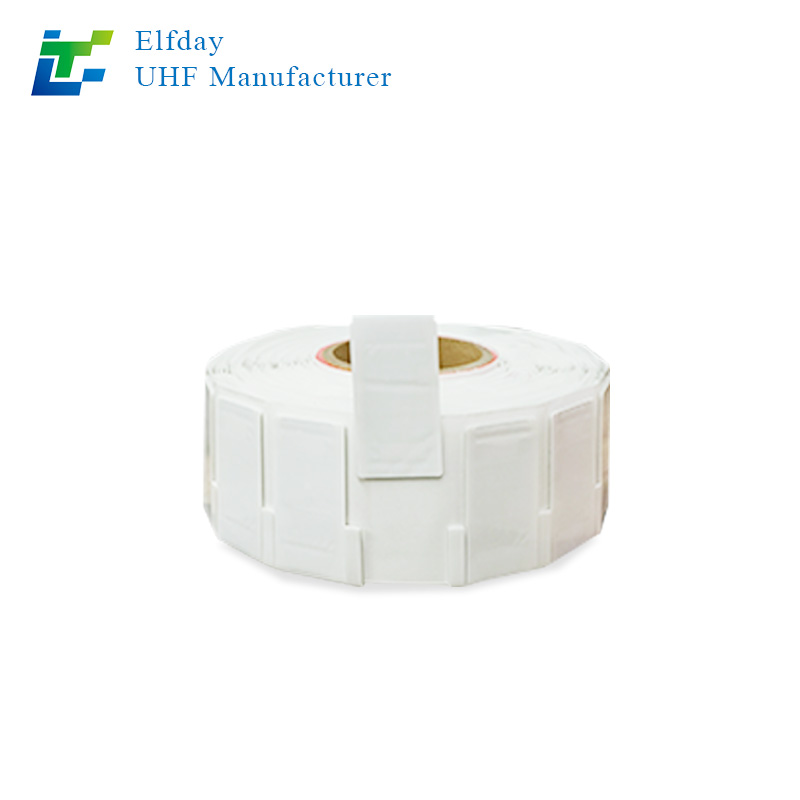
A UHF RFID tag provides an advanced tracking solution that helps automotive manufacturers and suppliers identify, monitor, and manage inventory more efficiently. By attaching UHF RFID tags to automotive parts, containers, pallets, and production materials, businesses can achieve faster identification, improve assembly line efficiency, and enhance quality control.
As automotive manufacturing becomes more automated and connected, UHF RFID technology plays an important role in building smarter production environments and more transparent supply chains.
What Is a UHF RFID Tag for Automotive Applications?
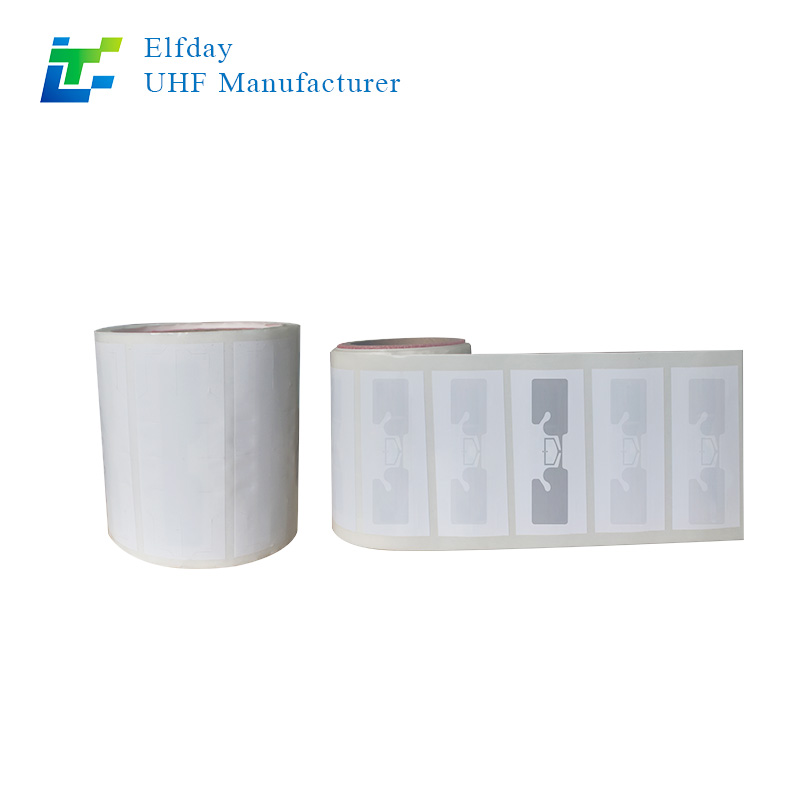
A UHF RFID tag is a wireless identification device that uses ultra-high frequency radio waves to exchange data between tagged items and RFID readers. In automotive manufacturing environments, these tags are used to track parts, components, tools, and materials throughout different production stages.
Unlike traditional barcode systems, UHF RFID tags do not require direct scanning. Multiple tagged items can be identified simultaneously, even when they are moving through warehouses or assembly areas. This makes RFID technology highly suitable for complex automotive supply chains where speed, accuracy, and traceability are critical.
Depending on the application requirements, automotive UHF RFID tags can be designed for different conditions, including:
High-temperature manufacturing environments
Metal component tracking
Reusable containers and pallets
Outdoor logistics operations
Long-term asset management
How UHF RFID Tags Improve Automotive Inventory Management
Accurate Tracking of Automotive Parts and Components
Automotive manufacturers manage thousands of individual components, each with different specifications, suppliers, and production requirements. Losing track of even a small number of parts can cause production delays and increased costs.
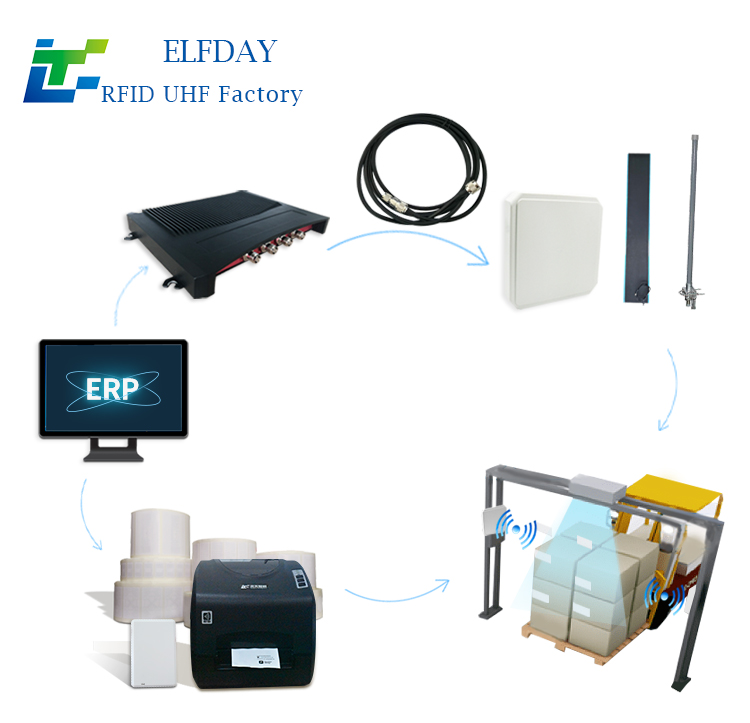
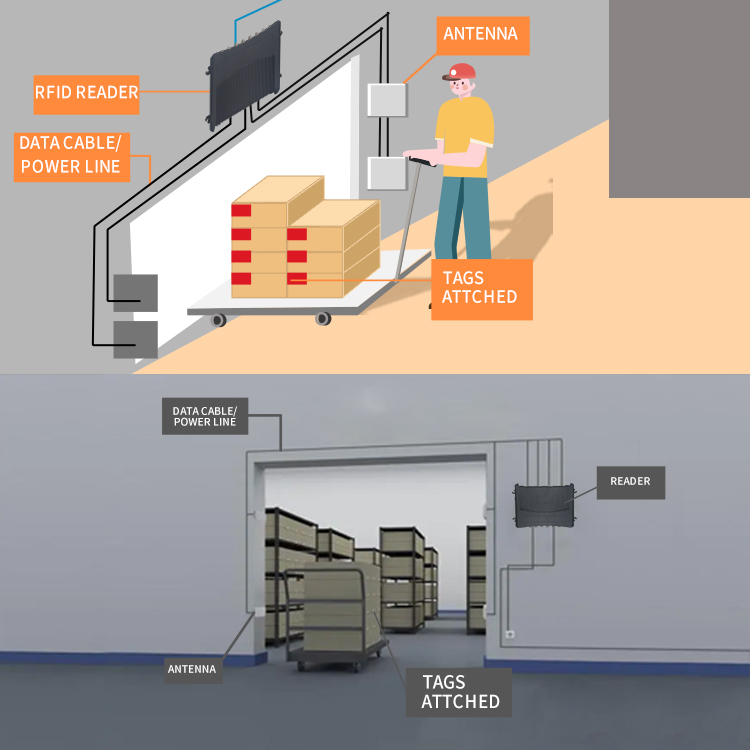
By applying a UHF RFID tag to automotive components, businesses can automatically identify and track parts throughout the supply chain. From supplier delivery and warehouse storage to assembly line usage, RFID technology provides accurate information about part location and movement.
This improves inventory visibility and helps manufacturers ensure that the right components are available at the right time.
Improving Assembly Line Efficiency
Production lines require a continuous supply of materials and components to avoid downtime. Traditional tracking methods may not provide enough visibility into part availability and production flow.
UHF RFID tags help manufacturers monitor components in real time and improve material management. Production teams can quickly locate required parts, reduce waiting times, and maintain smoother assembly operations.
By integrating RFID tracking with manufacturing systems, automotive companies can optimize workflows and increase production efficiency.
Enhancing Quality Control and Traceability
Quality control is a critical part of automotive manufacturing. Every component must meet strict standards, and manufacturers need reliable records throughout the production process.
UHF RFID tags allow companies to create detailed tracking records for individual parts and assemblies. Information such as production history, inspection status, and movement records can be associated with tagged items.
This improves traceability, supports quality management, and helps manufacturers quickly identify issues when necessary.
Reducing Inventory Errors and Operational Costs
Manual inventory management can lead to incorrect counts, misplaced components, and inefficient processes. These challenges become more significant in large automotive facilities with complex supply chains.
Using UHF RFID tags reduces dependence on manual data entry and improves inventory accuracy. Automated identification helps minimize human errors, reduce unnecessary searches, and lower operational costs.
Applications of UHF RFID Tags in the Automotive Industry
Automotive Parts Tracking
UHF RFID tags are widely used to track automotive parts such as engine components, electronic modules, mechanical parts, and replacement items. RFID identification enables better control over parts from production to final delivery.
Supply Chain Management
Automotive supply chains involve multiple suppliers, warehouses, and transportation stages. UHF RFID tags provide better visibility into the movement of components across the entire supply network.
Manufacturers can monitor incoming materials, manage supplier deliveries, and improve coordination between different production facilities.
Production Material Management
Raw materials and production supplies must be available when needed to keep manufacturing operations running smoothly. UHF RFID tags help track materials from storage areas to production lines, ensuring efficient replenishment and reducing production interruptions.
Reusable Container Tracking
Automotive manufacturers often use reusable containers, trays, and pallets to transport parts between suppliers and factories. Attaching UHF RFID tags to these assets allows companies to track their location, usage, and availability.
This helps reduce asset loss and improves logistics efficiency.
Benefits of Using UHF RFID Tags for Automotive Manufacturing
Better Inventory Visibility
UHF RFID technology provides real-time information about automotive inventory, allowing manufacturers to understand where parts are located and how they are moving through the supply chain.
Faster Data Collection
Compared with manual inspection and barcode scanning, UHF RFID tags enable faster identification of multiple items at once, improving operational speed.
Improved Production Efficiency
Accurate component tracking helps prevent material shortages, reduce assembly line interruptions, and support smoother manufacturing processes.
Enhanced Product Traceability
RFID-based tracking creates a complete history of components, helping manufacturers improve quality control and meet industry requirements.
Support for Smart Manufacturing
As automotive factories move toward automation and digital transformation, UHF RFID tags provide essential data for connected manufacturing systems and intelligent production management.
Choosing the Right UHF RFID Tag for Automotive Applications
Selecting the right UHF RFID tag depends on the specific automotive environment and tracking requirements.
Environmental Resistance
Automotive manufacturing environments may involve heat, vibration, chemicals, and mechanical stress. Choosing durable RFID tags designed for industrial conditions ensures reliable long-term performance.
Surface Compatibility
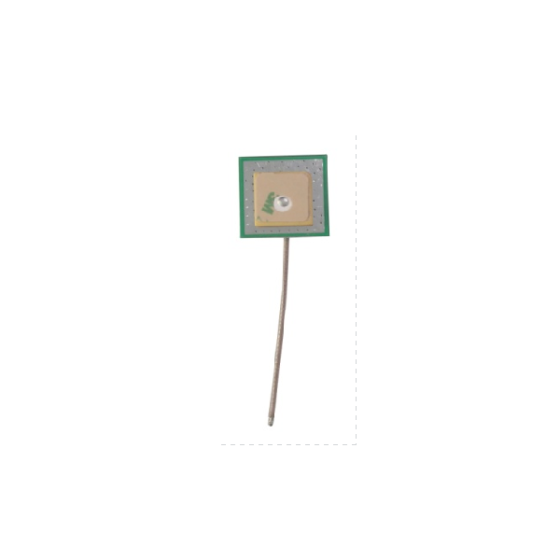
Some automotive components contain metal materials that may affect RFID performance. Specialized UHF RFID tags can be designed to work effectively on challenging surfaces.
Reading Distance Requirements
Different applications require different reading ranges. Warehouse inventory tracking may require longer distances, while production line applications may focus on precise identification.
Data Storage Needs
Depending on the application, manufacturers may need RFID tags with different memory capacities to store identification information and production data.
The Future of Automotive Tracking with UHF RFID Technology
The automotive industry is moving toward greater automation, connected factories, and smarter supply chains. UHF RFID tags provide the identification and tracking capabilities needed to support this transformation.
By improving inventory accuracy, increasing production visibility, and enabling real-time data collection, UHF RFID technology helps automotive manufacturers create more efficient and reliable operations.
From component management and assembly line tracking to supply chain optimization, UHF RFID tags are becoming an essential solution for modern automotive manufacturing.
FAQ About UHF RFID Tags in Automotive Applications
What are UHF RFID tags used for in the automotive industry?
UHF RFID tags are used to track automotive parts, components, production materials, tools, and reusable containers throughout manufacturing and supply chain processes.
How do UHF RFID tags improve automotive inventory management?
UHF RFID tags provide automatic identification and real-time tracking, helping manufacturers reduce inventory errors, improve visibility, and optimize production workflows.
Can UHF RFID tags be used on metal automotive parts?
Yes. Specialized UHF RFID tags are available for metal surfaces and can provide reliable identification for automotive components and equipment.
What is the difference between UHF RFID tags and barcodes?
Unlike barcodes, UHF RFID tags do not require direct scanning and can identify multiple items simultaneously, making them more efficient for large-scale automotive operations.
Are UHF RFID tags suitable for smart factories?
Yes. UHF RFID tags support automated identification and data collection, making them an important technology for smart manufacturing and Industry 4.0 applications.