In today’s data-driven supply chains, businesses need fast, accurate, and automated asset tracking systems. Traditional barcode systems and standard RFID tags often fail in complex industrial environments—especially when metal surfaces are involved.
This is where UHF RFID anti metal tag solutions play a critical role. Designed specifically for metal-rich environments, these tags ensure reliable performance, making them ideal for smart inventory and asset tracking systems.
What Is a UHF RFID Anti Metal Tag?
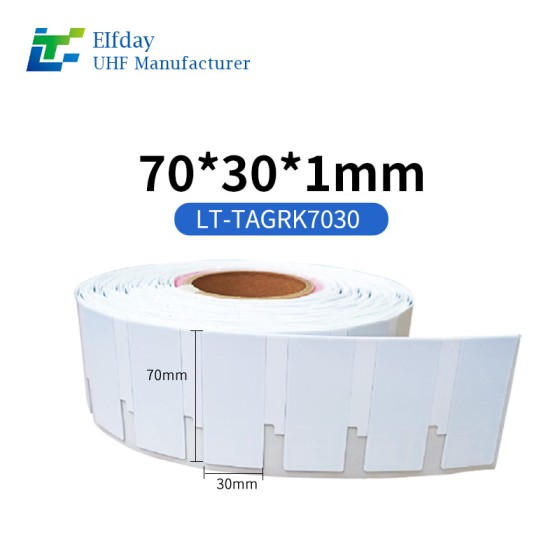
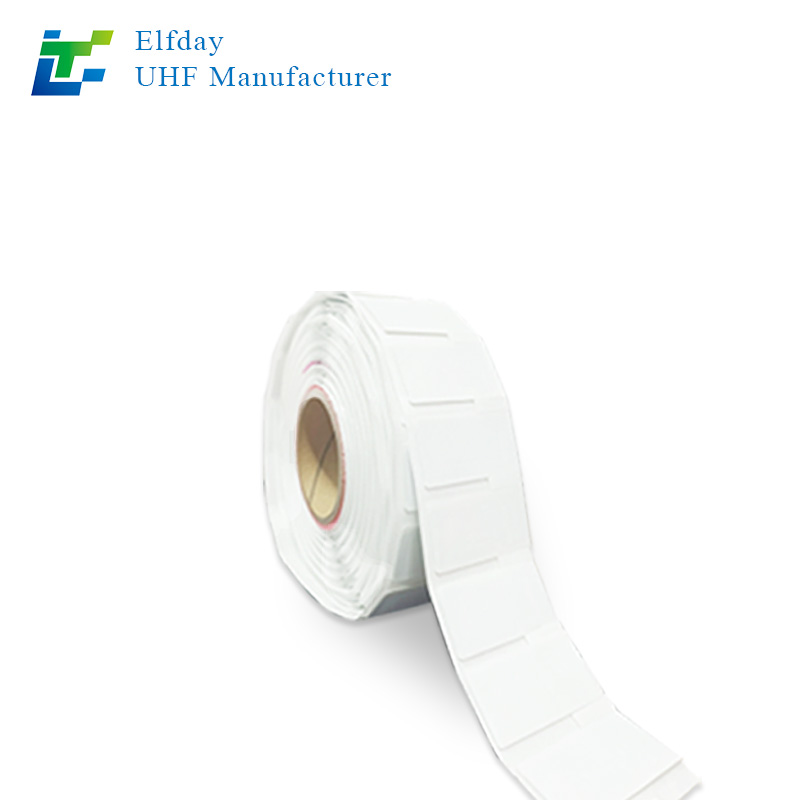
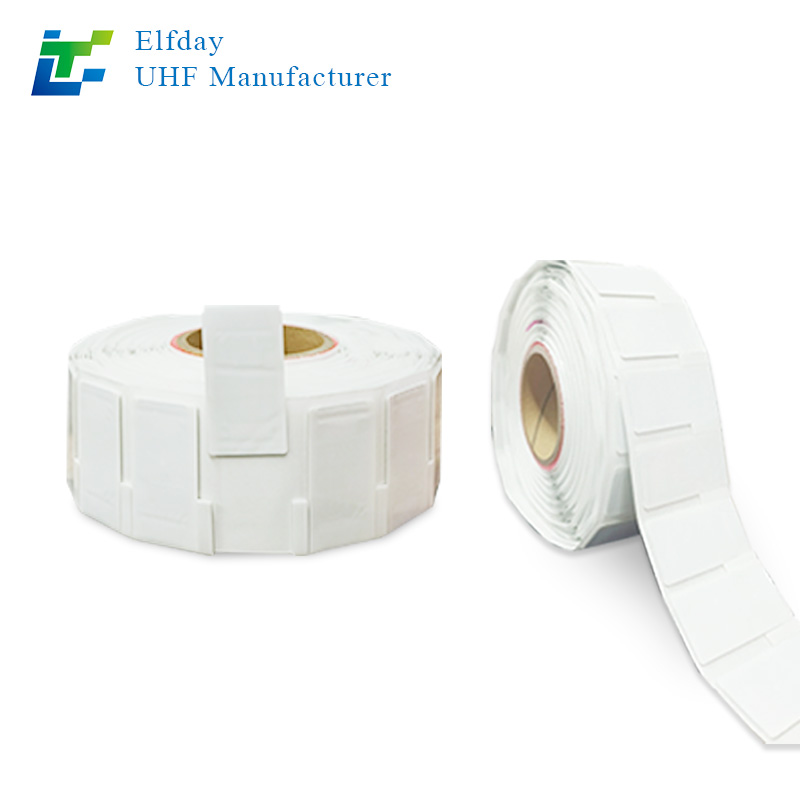
A uhf rfid anti metal tag is a specially engineered RFID label or hard tag that is designed to work effectively when attached to metal surfaces.
Unlike standard RFID tags, which suffer from signal distortion near metal, anti-metal tags use a protective isolation layer and optimized antenna design to maintain stable communication.
This makes them suitable for tracking:
- Metal equipment
- Industrial tools
- IT assets
- Shipping containers
- Heavy machinery
Why Metal Causes RFID Tracking Problems
Metal is one of the biggest challenges for RFID technology because it interferes with radio frequency signals.
Common issues include:
- Signal reflection and interference
- Antenna detuning
- Reduced reading distance
- Unstable or missing scans
These problems make traditional RFID systems unreliable in industrial environments where metal is everywhere.
How UHF RFID Anti Metal Tags Solve the Problem
The success of uhf rfid anti metal tag solutions lies in their specialized engineering.
1. Built-in Isolation Layer
A key feature is the insulating layer placed between the tag and the metal surface. This layer prevents direct contact and reduces signal disruption.
2. Optimized UHF Antenna Design
Operating in the UHF frequency range (860–960 MHz), the antenna is tuned for:
- Strong signal stability
- Long reading distance
- Fast data transmission
3. Improved Signal Reflection Control
Instead of losing energy into the metal surface, the tag redirects signals outward, improving readability and consistency.
Key Benefits of UHF RFID Anti Metal Tag Solutions
High Accuracy Tracking
Businesses can achieve near real-time visibility of assets, reducing human error and missing data.
Extended Read Range
UHF technology allows scanning from several meters away, improving operational efficiency.
Strong Industrial Durability
These tags are designed to withstand harsh conditions such as heat, vibration, and moisture.
Reduced Operational Costs
Improved automation reduces manual scanning labor and minimizes asset loss.
Applications in Smart Inventory and Asset Tracking
Warehouse Management
Improves inventory accuracy and speeds up stock counting processes.
Manufacturing Industry
Tracks tools, machinery, and production equipment across the factory floor.
IT Asset Tracking
Helps manage servers, laptops, and metal-cased electronic devices efficiently.
Logistics and Supply Chain
Enables real-time tracking of containers, pallets, and transport equipment.
Energy and Industrial Sites
Used for pipelines, cylinders, and field equipment in harsh environments.
UHF RFID Anti Metal Tags vs Traditional RFID Tags
| Feature |
Traditional RFID Tag |
UHF RFID Anti Metal Tag |
| Metal Surface Compatibility |
Poor |
Excellent |
| Signal Stability |
Weak |
Strong |
| Read Range |
Limited |
Extended |
| Industrial Use |
Restricted |
Highly Suitable |
| Data Accuracy |
Inconsistent |
High |
Why Businesses Are Switching to Anti Metal RFID Technology
As industries move toward automation and digital transformation, reliable asset tracking has become essential. Standard RFID systems cannot meet the demands of metal-heavy environments.
UHF RFID anti metal tag solutions provide:
- Stable performance in complex environments
- Improved inventory visibility
- Faster operational workflows
- Scalable tracking systems for Industry 4.0
UHF RFID anti metal tag solutions are transforming the way businesses manage inventory and assets in metal-rich environments. By solving signal interference issues and improving tracking accuracy, they provide a reliable foundation for modern smart logistics systems.
For companies aiming to improve efficiency and reduce tracking errors, these tags are no longer optional—they are a critical part of intelligent asset management.