



Top Benefits of Using NFC RFID Tags for Smart Tracking Systems
In today’s fast-moving digital economy, businesses are under constant pressure to improve efficiency, reduce operational costs, and gain real-time visibility over assets. One technology that has become essential in achieving these goals is the NFC RFID tag.
From inventory management to supply chain optimization, NFC RFID technology is reshaping how organizations track and manage physical items. But what makes it so powerful? Let’s explore the top benefits of using NFC RFID tags in smart tracking systems.
1. Real-Time Tracking and Visibility
One of the biggest advantages of NFC RFID tags is real-time data visibility.
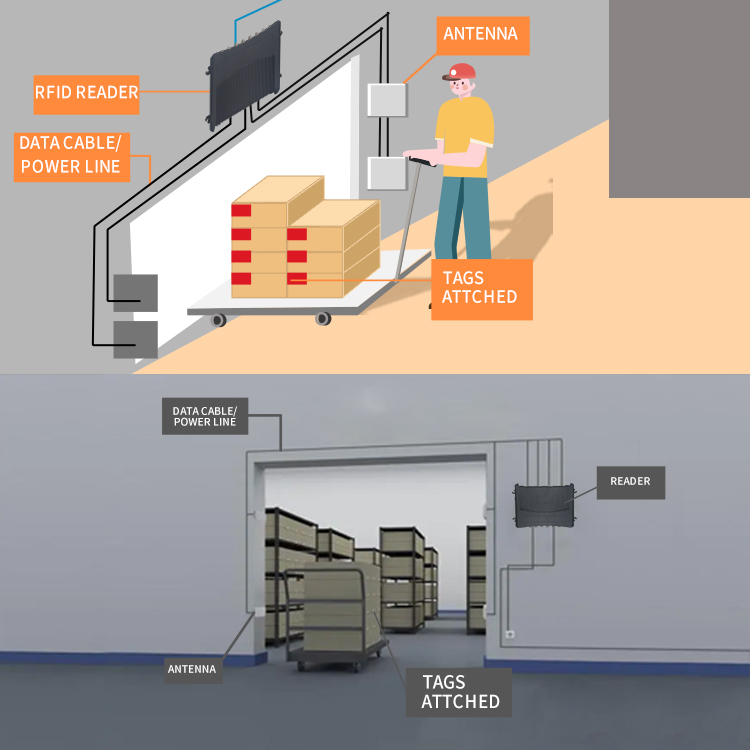
Unlike traditional barcode systems that require manual scanning, NFC RFID tags can be read automatically and in bulk, even without direct line-of-sight. This means businesses can:
- Track assets instantly across multiple locations
- Reduce manual scanning time
- Gain accurate, up-to-the-minute inventory data
For industries like logistics, healthcare, and retail, this level of visibility significantly improves decision-making and operational control.
2. Improved Operational Efficiency
NFC RFID technology eliminates many time-consuming manual processes. Employees no longer need to scan each item individually, which dramatically speeds up workflows.
Key efficiency improvements include:
- Faster inventory audits
- Automated asset tracking
- Reduced human error
- Streamlined warehouse operations
This allows teams to focus more on strategic tasks rather than repetitive manual work.
3. Enhanced Accuracy and Reduced Human Error
Manual data entry and barcode scanning are prone to mistakes. NFC RFID tags help minimize these errors by automating data capture.
Because information is recorded electronically:
- Mislabeling is reduced
- Inventory discrepancies are minimized
- Data accuracy is significantly improved
For businesses managing thousands of items, this accuracy can translate into major cost savings.
4. Better Security and Anti-Theft Protection
NFC RFID tags are widely used for asset security and theft prevention.
They can be integrated with access control systems or alert mechanisms to monitor unauthorized movement of goods.
Common security applications include:
- High-value asset tracking
- Restricted area access control
- Retail theft prevention systems
This adds an extra layer of protection across the entire supply chain.
5. Cost Reduction in the Long Run
Although implementing NFC RFID systems requires initial investment, the long-term cost savings are significant.
Businesses benefit from:
- Lower labor costs
- Reduced inventory loss
- Fewer operational errors
- Faster processing cycles
Over time, these efficiencies can lead to a strong return on investment.
6. Scalable and Flexible for Different Industries
NFC RFID tags are highly adaptable and can be used across a wide range of industries, including:
- Retail inventory management
- Healthcare equipment tracking
- Logistics and shipping
- Manufacturing production lines
- Library and document tracking
Their flexibility makes them a future-proof solution for growing businesses.
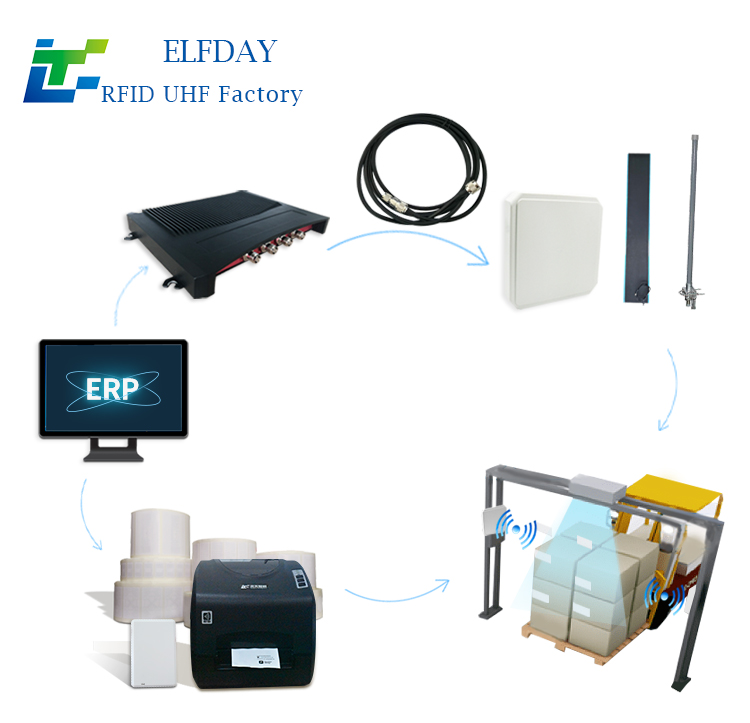
7. Seamless Integration with Smart Systems
Modern NFC RFID tags can be easily integrated with digital platforms such as:
- Warehouse management systems (WMS)
- Enterprise resource planning (ERP) systems
- IoT-based tracking platforms
This creates a fully connected ecosystem where data flows automatically between physical assets and digital systems.
8. Contactless and Fast Data Access
NFC RFID technology enables contactless communication, which is both fast and hygienic.
Tags can be read within seconds, even in challenging environments. This is especially useful in:
- Healthcare environments
- High-traffic warehouses
- Retail checkout systems
The speed and convenience improve both employee productivity and customer experience.
The adoption of NFC RFID tags in smart tracking systems is no longer optional for businesses aiming to stay competitive. From real-time visibility and improved accuracy to cost savings and scalability, the benefits are clear.
As industries continue to move toward automation and digital transformation, NFC RFID technology will play an increasingly critical role in shaping the future of intelligent tracking systems.