



Smart RFID Asset Tags for Efficient Equipment and Inventory Management
Modern manufacturing and industrial environments rely on efficient asset management to maintain productivity, reduce operational costs, and minimize equipment downtime. As companies manage increasing numbers of machines, tools, and production resources, traditional tracking methods often struggle to provide accurate and timely information.
RFID asset tags offer a smarter approach to equipment and inventory management by enabling automated identification, real-time tracking, and better control of valuable assets. By attaching RFID tags to machines, tools, and production equipment, businesses can monitor asset usage, maintenance records, and movement throughout their facilities, helping improve efficiency and reduce the risk of misplaced or unmanaged resources.
Improve Equipment Tracking with Real-Time Visibility
In manufacturing facilities, knowing the exact location and status of equipment is essential for maintaining smooth operations. Manual tracking methods, such as spreadsheets or physical inspections, can be time-consuming and may result in inaccurate records.
With RFID asset tags, each piece of equipment can be assigned a unique digital identity. RFID readers can quickly capture asset information without requiring direct visual contact, allowing managers to access real-time data about equipment location, availability, and usage status.
This improved visibility helps production teams quickly locate required tools, prevent unnecessary equipment searches, and maintain better control over factory resources.
Optimize Tool and Machinery Management
Production environments often rely on thousands of tools, components, and machines that need regular monitoring and maintenance. Losing track of these assets can lead to production delays, increased replacement costs, and reduced operational efficiency.
RFID asset tags help streamline tool and machinery management by recording important information such as asset history, usage frequency, and maintenance schedules. Managers can easily identify which equipment requires inspection or servicing, helping prevent unexpected failures and extend asset lifespan.
For example, manufacturing companies can attach durable RFID tags to industrial tools, assembly equipment, and machine parts to monitor their movement between production lines, storage areas, and maintenance departments.
Reduce Downtime and Improve Operational Efficiency
Unexpected equipment downtime can significantly impact production schedules and profitability. One common cause of delays is the inability to quickly locate available equipment or determine whether an asset is ready for use.
RFID asset tags provide accurate tracking information that allows teams to respond faster and make better operational decisions. By knowing where assets are located and how they are being used, companies can improve workflow planning and reduce interruptions caused by missing or unavailable equipment.
Automated tracking also reduces the time employees spend on manual inventory checks, allowing them to focus on more productive activities.
Enhance Inventory Accuracy in Manufacturing Facilities
Maintaining accurate inventory records is critical for efficient production management. Traditional inventory processes often require manual counting and data entry, which increases the possibility of human errors.
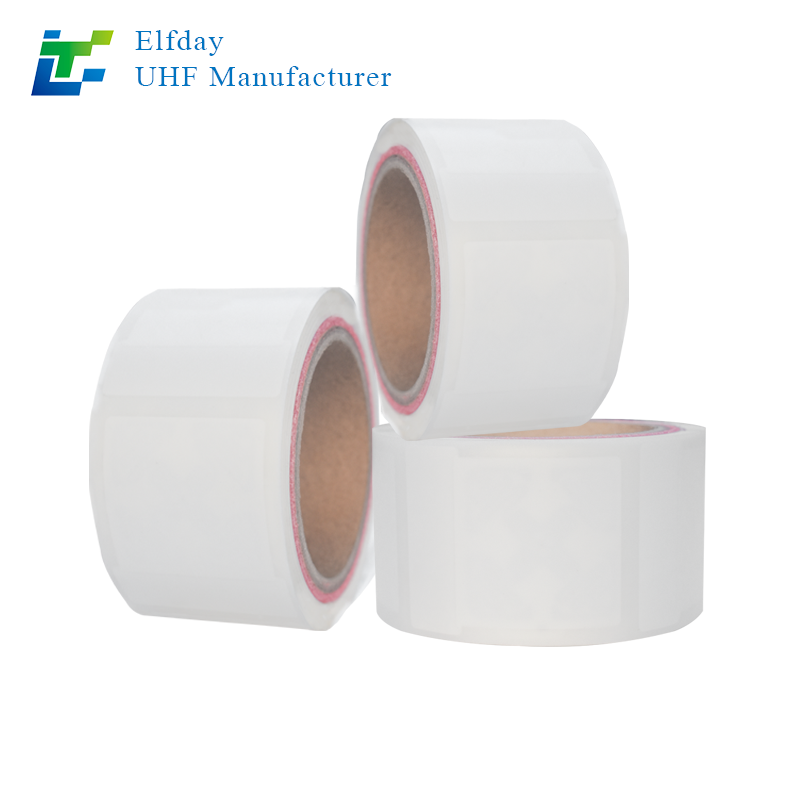
RFID asset tags simplify inventory management by automatically collecting asset information and updating records in real time. Companies can quickly verify equipment quantities, track asset transfers, and maintain accurate databases across multiple departments.
This makes it easier to manage spare parts, production tools, reusable containers, and other important resources within manufacturing operations.
Support Preventive Maintenance Programs
Regular maintenance plays an important role in extending equipment life and avoiding costly breakdowns. However, managing maintenance schedules manually can be challenging, especially in large industrial facilities.
By integrating RFID asset tags with asset management systems, businesses can easily track maintenance history and schedule future inspections. When equipment reaches a specific usage level or maintenance interval, teams can receive timely reminders to perform necessary servicing.
This proactive approach helps improve equipment reliability and supports continuous production efficiency.
Durable RFID Asset Tags for Industrial Applications
Manufacturing environments often involve challenging conditions, including dust, vibration, temperature changes, and exposure to chemicals. RFID asset tags designed for industrial use provide reliable performance even in demanding workplaces.
Depending on application requirements, businesses can select RFID tags with features such as waterproof protection, impact resistance, high-temperature tolerance, and strong adhesive or mounting options.
Durable RFID solutions ensure that assets remain identifiable throughout their operational lifecycle, even in harsh industrial environments.
Create a Smarter Manufacturing Asset Management System
As manufacturing continues to move toward automation and digital transformation, efficient asset tracking has become increasingly important. RFID asset tags provide the foundation for smarter equipment management by connecting physical assets with digital information systems.
From production machinery and maintenance tools to inventory resources and reusable equipment, RFID technology helps businesses improve visibility, reduce downtime, and optimize resource utilization.
By adopting RFID asset tags, manufacturing organizations can build a more efficient, accurate, and scalable asset management process that supports long-term operational growth.
Smart RFID asset tags provide manufacturers with an effective solution for managing equipment, tools, and inventory resources. Through automated identification and real-time tracking, businesses can improve asset visibility, reduce operational disruptions, and make better decisions based on accurate data.
As industries continue to demand higher efficiency and greater control, RFID asset tags are becoming an essential technology for modern equipment and inventory management.