


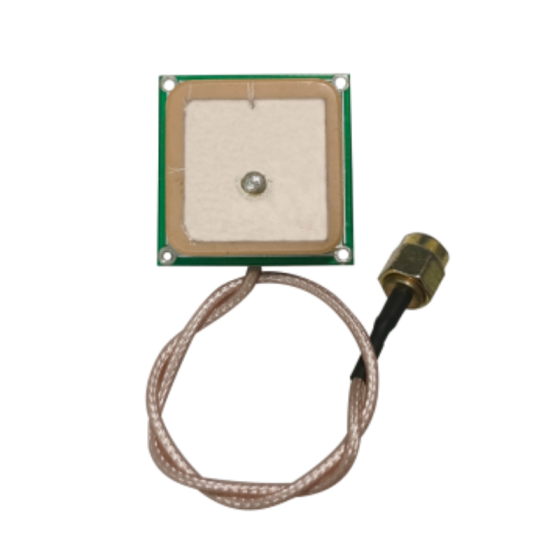
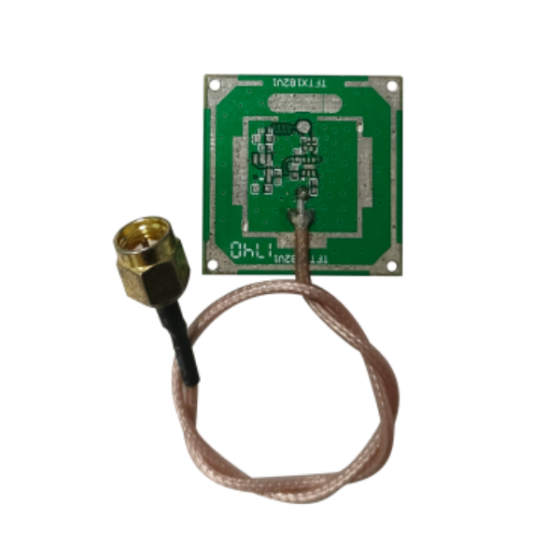
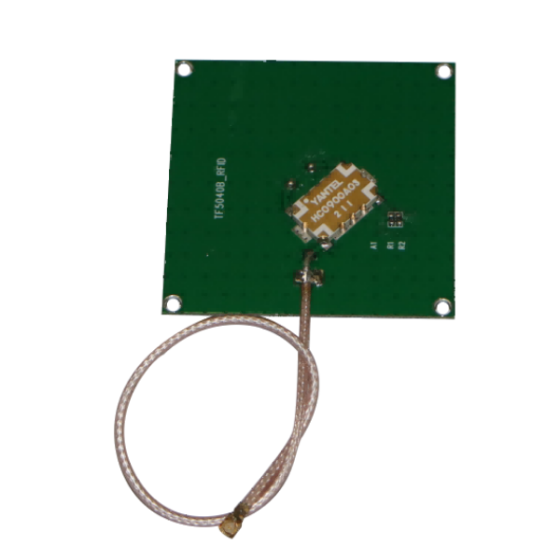
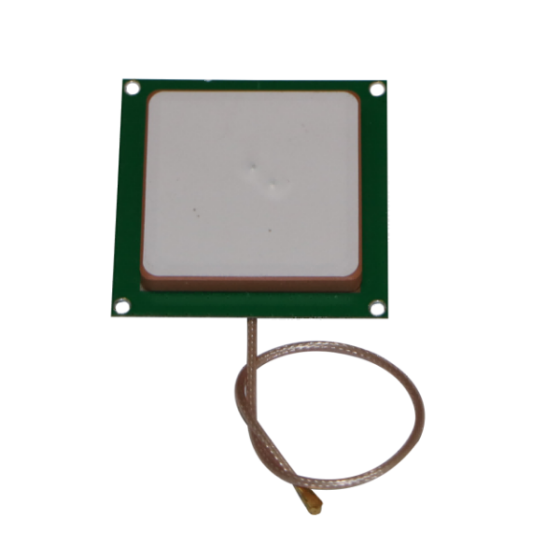


Rugged RFID Asset Tags for Pallet Tracking and Warehouse Asset Management
Modern warehouses and supply chain operations rely on accurate asset tracking to maintain efficiency, reduce errors, and improve inventory visibility. However, pallets, containers, and reusable transport assets often experience constant movement, heavy handling, and demanding working conditions. Traditional tracking methods may struggle to provide reliable identification throughout daily logistics operations.
Rugged RFID asset tags offer a durable and efficient solution for warehouse and supply chain management. Designed to withstand frequent handling, pallet movement, vibration, and harsh industrial environments, these RFID tags enable faster asset identification, improved inventory control, and better visibility across the entire supply chain.
By integrating rugged RFID technology into warehouse operations, businesses can reduce manual tracking efforts, improve operational accuracy, and create a more connected and efficient logistics system.
What Are Rugged RFID Asset Tags?
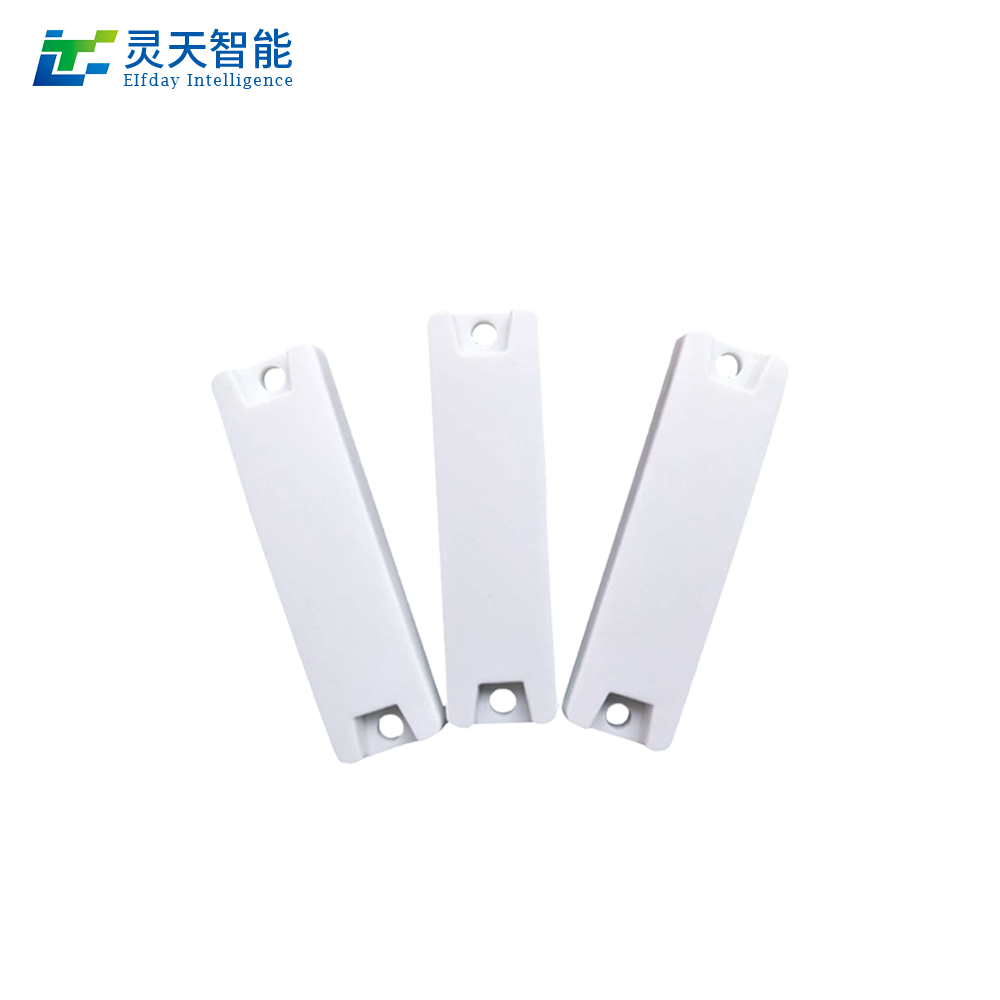
Rugged RFID asset tags are durable identification tags designed for tracking valuable assets in challenging environments. Unlike standard RFID labels, rugged versions are built with stronger materials and protective structures to withstand physical impact, moisture, dust, and repeated handling.
In warehouse and logistics applications, these tags are commonly attached to pallets, containers, racks, equipment, and reusable assets that require long-term identification.
Because supply chain assets are constantly moved between warehouses, transportation vehicles, and distribution centers, reliable identification is essential. Rugged RFID asset tags provide businesses with a practical way to monitor asset location, improve inventory accuracy, and maintain better control over logistics operations.
Why Warehouses Need Rugged RFID Asset Tags
Warehouse environments are fast-paced and require accurate information about thousands of moving assets. Pallets may travel through multiple locations, change ownership, or move between different facilities before reaching their final destination.
Manual tracking methods can create challenges such as inaccurate records, misplaced pallets, slow inventory checks, and increased labor costs. Barcode labels may also become damaged or difficult to scan after repeated exposure to warehouse conditions.
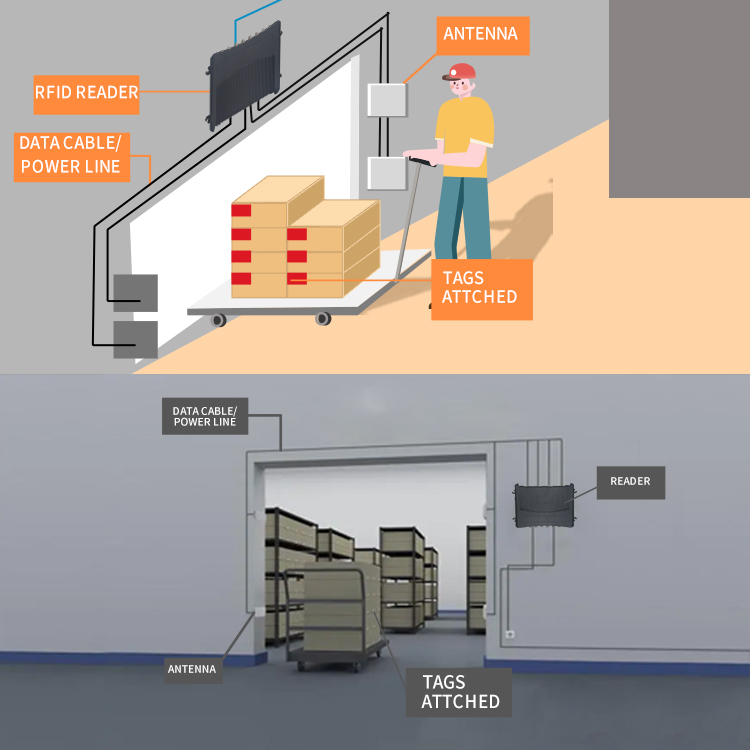
Rugged RFID asset tags solve these problems by providing automatic identification and reliable data collection. RFID technology allows multiple assets to be identified quickly without requiring direct visual scanning, helping warehouse teams improve productivity and reduce operational delays.
Improve Pallet Tracking with Rugged RFID Technology
Pallet management is a critical part of modern logistics operations. Companies often manage large numbers of wooden, plastic, or metal pallets that move throughout warehouses and distribution networks.
Using rugged RFID asset tags for pallet tracking allows businesses to create better visibility into asset movement. Each pallet can be assigned a unique digital identity, making it easier to track location, usage history, and transportation status.
With improved pallet visibility, companies can reduce pallet loss, optimize inventory levels, and improve the efficiency of returnable transport item management.
Rugged RFID pallet tracking solutions are especially valuable for industries that rely on reusable pallets and containers, including manufacturing, food and beverage distribution, automotive supply chains, and third-party logistics operations.
Rugged RFID Asset Tags for Warehouse Inventory Management
Accurate inventory management is essential for maintaining smooth warehouse operations. When assets cannot be located quickly, employees spend valuable time searching for equipment, pallets, and stored materials.
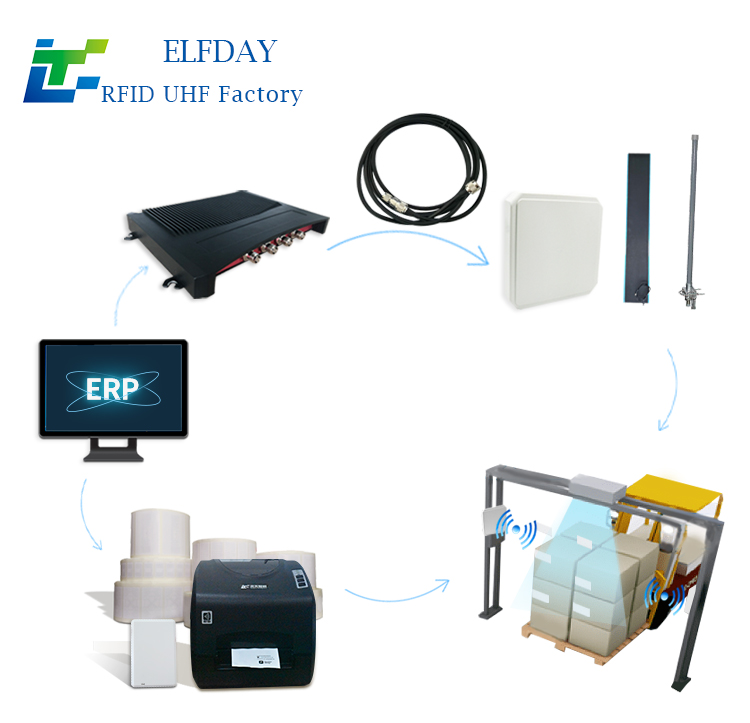
Rugged RFID asset tags help warehouses improve inventory accuracy by providing real-time asset identification. Workers can quickly collect information about stored assets and update inventory records with greater efficiency.
Compared with traditional manual inventory processes, RFID-based tracking reduces human errors and provides a clearer overview of warehouse resources.
This improved visibility helps companies make better decisions about storage planning, asset utilization, and supply chain performance.
Applications of Rugged RFID Asset Tags in Logistics Operations
Rugged RFID asset tags are widely used in logistics environments where durability and reliable tracking are required.
In distribution centers, these tags help track pallets, containers, and reusable packaging throughout daily operations. They support faster receiving, sorting, and shipping processes by improving asset identification speed.
In manufacturing supply chains, rugged RFID asset tags help monitor material handling equipment, production containers, and returnable transport items. Companies can better understand asset movement between suppliers, factories, and warehouses.
In transportation management, these durable RFID tags provide reliable identification for shipping containers, trailers, and logistics equipment exposed to outdoor conditions and frequent handling.
Key Benefits of Using Rugged RFID Asset Tags
The main advantage of rugged RFID asset tags is their ability to provide consistent performance in demanding environments.
Their durable construction helps protect RFID components from physical damage caused by impacts, vibration, moisture, and repeated handling. This makes them suitable for long-term asset tracking applications.
Another important benefit is improved operational efficiency. RFID technology enables faster identification compared with manual tracking methods, helping warehouse teams complete inventory tasks more quickly.
Rugged RFID asset tags also improve supply chain visibility by connecting physical assets with digital management systems. Companies can gain better control over asset movement, reduce losses, and optimize resource utilization.
How to Choose the Right Rugged RFID Asset Tags for Warehouse Applications
Selecting the right RFID asset tag depends on the operating environment and tracking requirements.
For pallet and warehouse applications, durability is one of the most important considerations. The tag should be able to withstand daily handling, impacts, and exposure to changing warehouse conditions.
The reading performance of the RFID tag is another important factor. Different warehouse layouts and tracking systems may require different read ranges and frequency options.
Installation method should also be considered. Depending on the asset type, rugged RFID asset tags can be attached using industrial adhesive, screws, rivets, or other secure mounting methods.
Choosing the right combination of durability, performance, and installation flexibility ensures reliable tracking throughout the asset lifecycle.
Build a Smarter Supply Chain with Rugged RFID Asset Tags
As supply chains become more complex, companies need better ways to manage physical assets and improve operational visibility. Traditional tracking methods often cannot meet the demands of modern logistics environments.
Rugged RFID asset tags provide a reliable foundation for smarter warehouse and supply chain management. By enabling fast identification, accurate tracking, and long-term durability, these RFID solutions help businesses improve efficiency and reduce unnecessary operational costs.
From pallet tracking and warehouse inventory management to transportation and reusable asset monitoring, rugged RFID technology supports more connected and efficient logistics operations.
Frequently Asked Questions About Rugged RFID Asset Tags
What are rugged RFID asset tags used for?
Rugged RFID asset tags are used for tracking pallets, containers, warehouse equipment, reusable assets, and industrial items that require durable identification.
Can rugged RFID asset tags be used for pallet tracking?
Yes. Rugged RFID asset tags are commonly used for pallet tracking because they can withstand repeated handling, transportation, and warehouse conditions.
Are rugged RFID asset tags suitable for outdoor logistics applications?
Yes. Many rugged RFID tags are designed to resist moisture, dust, temperature changes, and physical impact, making them suitable for outdoor and transportation environments.
How do rugged RFID asset tags improve warehouse efficiency?
They improve warehouse efficiency by enabling faster asset identification, reducing manual inventory work, improving tracking accuracy, and providing better supply chain visibility.
What assets can be tracked with rugged RFID asset tags?
They can be used to track pallets, containers, tools, warehouse equipment, returnable transport items, and other valuable logistics assets.