



Reusable RFID Tags: Enabling Circular Asset Management Through Smart Tracking
As businesses increasingly focus on sustainability, operational efficiency, and resource optimization, circular asset management is becoming an important part of modern supply chain operations. Instead of treating physical assets as disposable resources, organizations are looking for ways to extend asset lifecycles, improve reuse rates, and reduce unnecessary replacement costs.
Reusable RFID tags provide an effective way to support this transition. By attaching durable Radio Frequency Identification (RFID) tags to reusable assets, businesses can automatically identify, track, and manage items throughout multiple usage cycles. From returnable transport packaging and reusable containers to industrial equipment and warehouse assets, RFID technology helps organizations gain better visibility into asset movement and utilization.
Unlike traditional barcode-based tracking, RFID systems can identify multiple tagged items without requiring direct line-of-sight scanning. This makes them particularly useful for managing large volumes of reusable assets across warehouses, production facilities, distribution centers, and transportation networks.
This article explores how reusable RFID tags work, how they support circular asset management, their major applications, and the key factors businesses should consider when implementing an RFID-based asset tracking solution.
What Are Reusable RFID Tags?
Reusable RFID tags are durable identification devices designed to be used repeatedly across different asset management cycles. They contain a microchip and an antenna that communicate with RFID readers through radio frequency signals.
Each RFID tag carries a unique identification number that allows an individual asset to be recognized and associated with information stored in an asset management database.
Depending on the application, reusable RFID tags can be attached to containers, pallets, tools, industrial equipment, transport boxes, and other physical assets.
How Do Reusable RFID Tags Work?
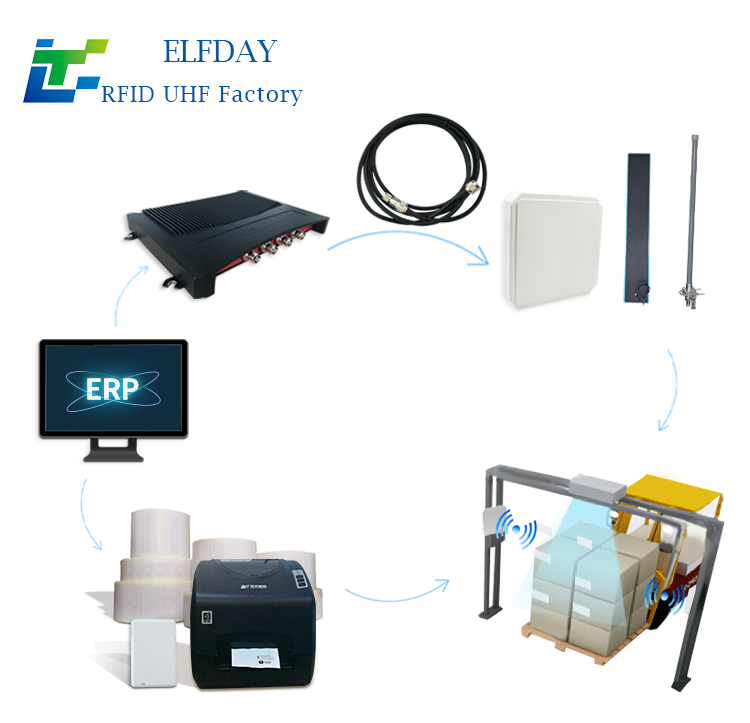
A typical reusable RFID tracking process involves four main components:
RFID Tags: Attached to reusable assets to provide unique identification.
RFID Readers: Capture tag information automatically using radio frequency signals.
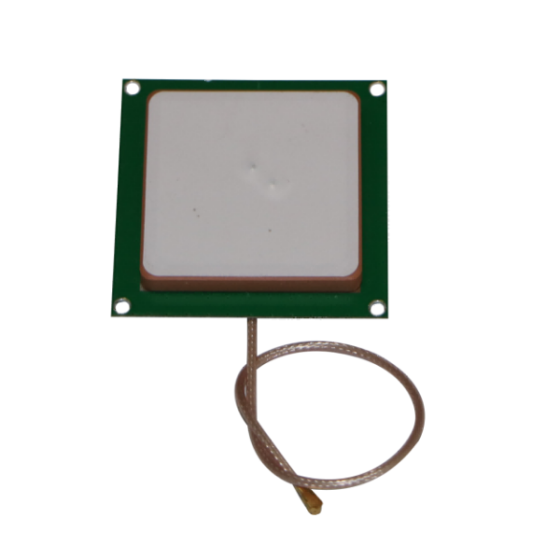
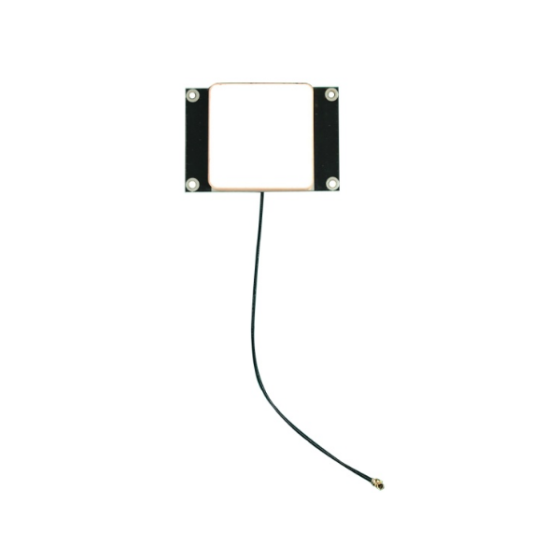
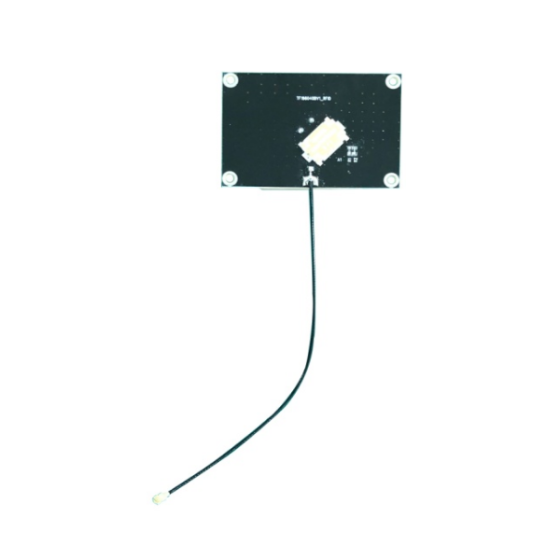
Antennas: Establish communication between RFID tags and readers.
RFID Management Software: Processes identification data and records asset movement, usage history, and inventory information.
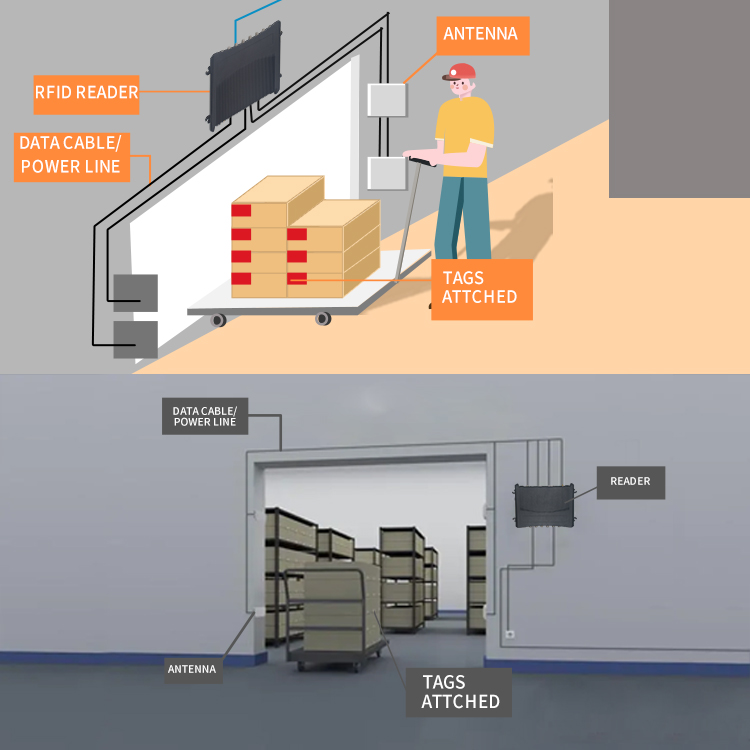
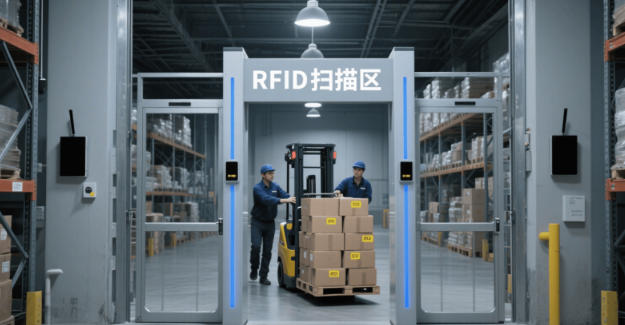
When a tagged asset passes through an RFID reading area, the reader captures its identification information and sends the data to the management system. The system then updates the asset's location, status, or transaction record.
For example, when a reusable plastic container leaves a warehouse, an RFID reader at the shipping area can automatically identify the container and record its outbound movement. When the container returns, another reading event updates its status and confirms that it has re-entered the facility.
This automated identification process reduces manual scanning and provides more accurate asset tracking information.
Reusable RFID Tags vs. Disposable RFID Labels
Reusable RFID tags are designed for repeated deployment, while disposable RFID labels are generally intended for short-term identification.
The main differences include:
| Feature | Reusable RFID Tags | Disposable RFID Labels |
| Intended use | Multiple usage cycles | Usually one-time or short-term use |
| Construction | Often durable housing | Usually thin label materials |
| Environmental resistance | Can be designed for harsh conditions | Depends on label material |
| Attachment | Screws, rivets, adhesive, or mounting structures | Usually adhesive |
| Applications | Containers, tools, equipment, pallets | Packages, cartons, and product labels |
| Lifecycle | Designed for extended use | Usually limited to one lifecycle |
The appropriate option depends on the asset's lifecycle, operating environment, identification requirements, and total cost of ownership.
What Is Circular Asset Management?
Circular asset management is an approach to managing physical assets that prioritizes reuse, maintenance, recovery, and resource efficiency throughout their entire lifecycle.
Traditional asset management often follows a linear model: purchase, use, replace, and dispose. Circular asset management focuses on extending asset life and keeping resources in productive use for as long as possible.
For businesses operating large fleets of reusable assets, this approach can help reduce unnecessary purchases, improve utilization, and minimize waste.
Linear vs. Circular Asset Management
In a traditional linear model, companies may purchase additional containers, pallets, or equipment when existing assets become difficult to locate or track.
In a circular model, organizations focus on recovering existing assets, monitoring their condition, and redistributing them where needed.
For example:
Linear management: Purchase new containers when inventory is insufficient.
Circular management: Locate unused containers, recover returned containers, and redistribute available stock.
The difference is not simply whether assets are reused. It is whether organizations have sufficient information to manage asset circulation efficiently.
Why Asset Lifecycle Visibility Matters
Circular asset management requires accurate information about where assets are, how frequently they are used, and when they need maintenance or replacement.
Without reliable tracking, businesses may experience:
Lost or unreturned reusable assets.
Excessive purchases caused by poor inventory visibility.
Uneven asset distribution between facilities.
Difficulty identifying damaged or inactive assets.
Limited information about asset utilization.
RFID technology helps address these challenges by connecting physical assets with digital identification records.
How Reusable RFID Tags Support Circular Asset Management
Reusable RFID tags provide the identification foundation for tracking assets across repeated usage cycles.
By connecting RFID hardware with asset management software, organizations can monitor asset movements and build more complete lifecycle records.
1 Tracking Assets Throughout Their Lifecycle
Each reusable asset can be assigned a unique RFID identification number. The system can associate this ID with relevant information, including:
Asset identification number.
Asset category and description.
Purchase or registration date.
Current location.
Usage status.
Maintenance records.
Inspection history.
Reuse and return history.
Whenever an asset passes through an RFID reading point, the system can record the relevant transaction.
This allows businesses to maintain a continuous record of asset movement from initial registration to reuse, maintenance, and eventual retirement.
2 Improving Asset Return and Recovery Rates
One of the major challenges in circular asset management is ensuring that reusable assets return after being transferred between facilities, suppliers, customers, or transportation partners.
RFID readers installed at shipping and receiving points can automatically record asset movements.
If a reusable container has not returned within the expected period, the management system can identify the outstanding asset and generate an overdue return alert.
This helps organizations reduce asset loss and improve recovery efficiency.
3 Reducing Unnecessary Asset Purchases
Poor asset visibility often causes businesses to purchase more containers, pallets, and equipment than they actually need.
With RFID-based tracking, companies can identify available assets across different locations and redistribute them according to operational requirements.
Instead of purchasing new assets immediately, managers can first evaluate existing inventory and recover underutilized resources.
This can reduce unnecessary capital expenditure and improve asset utilization.
4 Supporting Maintenance and Condition Monitoring
Reusable assets may experience wear, damage, or performance degradation after repeated use.
RFID tags can connect assets to digital maintenance records, allowing employees to retrieve inspection history and maintenance information through an RFID reader or compatible handheld device.
For example, industrial containers can be assigned inspection records that include inspection dates, damage descriptions, repair history, and current operating status.
This helps organizations determine whether an asset can be reused, requires maintenance, or should be retired.
5 Enabling Efficient Asset Redistribution
RFID tracking provides better visibility into asset availability across multiple locations.
When a warehouse has excess reusable containers and another facility has a shortage, managers can use the system's inventory information to coordinate redistribution.
This reduces idle inventory and supports a more balanced asset circulation network.
Key Applications of Reusable RFID Tags
Reusable RFID tags are suitable for industries where physical assets move repeatedly between different locations or operational stages.
1 Returnable Transport Packaging (RTP)
Returnable transport packaging includes reusable containers, trays, crates, and other packaging materials used to transport products between manufacturers, suppliers, and distribution centers.
RFID tags attached to each packaging unit enable automatic identification during shipping, receiving, storage, and return operations.
Businesses can monitor:
Packaging identification numbers.
Outbound and inbound transactions.
Current facility or location.
Return status.
Number of circulation cycles.
Damage and maintenance records.
This helps companies reduce packaging losses and improve returnable packaging management.
2 Reusable Plastic Containers (RPCs)
Reusable plastic containers are widely used in food distribution, retail logistics, agriculture, and manufacturing.
Because these containers circulate between multiple participants, manual tracking can become difficult.
RFID tags can be embedded into or attached to containers to provide persistent identification.
When containers pass through RFID reading points, the system can automatically record their movements and update inventory information.
For businesses managing thousands of RPCs, RFID can significantly simplify container counting and circulation monitoring.
3 Industrial Pallets and Containers
Industrial pallets and containers are essential assets in manufacturing and logistics operations.
When these assets move between production lines, warehouses, and external suppliers, organizations need accurate information about their locations and availability.
Reusable RFID tags allow individual pallets and containers to be identified without manually scanning each item.
RFID portals at warehouse entrances and loading areas can support automated asset movement recording and inventory updates.
4 Reusable Tools and Industrial Equipment
Manufacturing facilities often manage large numbers of reusable tools, fixtures, molds, and production equipment.
Attaching RFID tags to these assets allows employees to identify equipment quickly and retrieve relevant maintenance and usage records.
The system can also support tool borrowing, return management, inspection scheduling, and overdue notifications.
This improves equipment accountability and reduces time spent searching for shared resources.
5 Linen and Laundry Management
Hotels, hospitals, and industrial laundry facilities handle large volumes of reusable textiles.
RFID laundry tags are designed for applications requiring repeated washing and exposure to water, heat, detergents, and mechanical processing.
Each tagged textile item can be tracked through collection, washing, sorting, storage, distribution, and reuse.
The system can also record washing cycles and identify missing, damaged, or retired linen items.
This helps improve textile utilization and reduce replacement costs.
6 Rental Equipment Management
Rental companies need to monitor equipment availability, customer assignments, return dates, and maintenance status.
Reusable RFID tags provide unique identification for rental assets and allow businesses to automate inventory checks and equipment movement records.
By connecting RFID data with rental management software, companies can improve asset accountability and reduce the risk of misplaced equipment.
Benefits of RFID-Based Circular Asset Management
Implementing reusable RFID tags can provide several operational and financial benefits.
Improved Asset Visibility
RFID technology enables automated identification at designated reading points, providing more timely information about asset movements and inventory status.
Reduced Asset Loss
By recording outbound and inbound transactions, organizations can identify missing or overdue assets and take corrective action.
Higher Asset Utilization
Real-time or event-based asset visibility helps businesses locate idle resources and redistribute them where needed.
Lower Operational Costs
Automated identification reduces repetitive manual scanning, counting, and recordkeeping tasks.
Better asset recovery can also reduce unnecessary replacement purchases.
Better Lifecycle Management
Connecting RFID identification with digital asset records allows businesses to track usage history, maintenance activities, inspection results, and retirement status.
Improved Resource Efficiency
Extending the useful life of reusable assets and reducing unnecessary replacements can support broader sustainability objectives.
However, the actual financial and environmental benefits depend on asset recovery rates, tag durability, system design, operating conditions, and implementation costs.
How to Choose the Right Reusable RFID Tags
Selecting suitable reusable RFID tags requires evaluating the physical environment, identification requirements, and expected asset lifecycle.
1 Durability and Environmental Resistance
Reusable RFID tags should be selected according to their operating conditions.
For example:
Industrial applications may require impact-resistant housings.
Outdoor applications may require UV and weather resistance.
Laundry applications require tags designed for repeated washing and drying.
Metal equipment may require specialized on-metal RFID tags.
Chemical processing environments may require resistance to specific cleaning agents or chemicals.
It is important to evaluate actual environmental conditions rather than relying on general durability claims.
2 RFID Frequency Selection
Different RFID frequencies serve different application requirements.
| RFID Frequency | Common Applications | Key Characteristics |
| LF (125–134.2 kHz) | Animal identification and specialized access applications | Short-range identification |
| HF (13.56 MHz) | Smart cards, item identification, and certain industrial applications | Near-field communication |
| UHF (860–960 MHz, depending on region) | Warehouse inventory, pallets, containers, and logistics tracking | Suitable for bulk identification and longer reading distances |
For many returnable asset tracking applications, UHF RFID is a common choice because it supports multiple-tag identification and automated reading at warehouse entrances and logistics checkpoints.
However, the actual performance depends on tag design, reader configuration, antenna placement, materials, and regional frequency regulations.
3 Read Distance and Identification Performance
Businesses should determine how and where RFID tags will be read.
For example:
Handheld readers may be suitable for mobile inventory checks.
Fixed RFID readers can monitor asset movement at designated locations.
RFID portals can identify multiple tagged assets passing through warehouse entrances.
Conveyor-based reading systems can support automated production and sorting operations.
Tag selection and reader configuration should be tested under real operating conditions.
4 Attachment and Installation Methods
Reusable RFID tags may be attached using:
Industrial adhesives.
Screws or rivets.
Cable ties.
Integrated embedding structures.
Dedicated mounting brackets.
The attachment method should provide secure installation without interfering with the asset's normal use.
5 System Compatibility
RFID tags should be compatible with the organization's readers, middleware, and asset management software.
For UHF applications, EPC Gen2 / ISO 18000-63 compatibility is commonly considered.
Businesses should also evaluate data encoding, tag memory, identification standards, and integration requirements before deployment.
How to Implement a Reusable RFID Asset Management System
A successful RFID implementation requires more than attaching tags to assets. It involves coordinating hardware, software, asset data, and operational processes.
1: Identify and Classify Reusable Assets
Create an asset inventory and classify assets according to their types, usage scenarios, ownership, and circulation patterns.
2: Assign Unique RFID Identification
Attach a reusable RFID tag to each asset and associate its unique identification number with the corresponding digital asset record.
3: Deploy RFID Readers
Install fixed readers, antennas, handheld readers, or RFID portals at important operational locations, such as warehouse entrances, loading docks, production areas, and return stations.
4: Integrate RFID Data with Management Software
Connect RFID identification data to an asset management platform, warehouse management system (WMS), enterprise resource planning (ERP) system, or other relevant business applications.
5: Establish Asset Circulation Rules
Define operational procedures for asset dispatch, receipt, return, inspection, maintenance, redistribution, and retirement.
6: Monitor and Optimize Asset Utilization
Use collected RFID data to evaluate circulation frequency, asset availability, return delays, idle inventory, and maintenance requirements.
Organizations can gradually improve asset allocation and circulation efficiency based on these insights.
Frequently Asked Questions About Reusable RFID Tags and Circular Asset Management
What are reusable RFID tags?
Reusable RFID tags are durable radio frequency identification devices designed for repeated use across multiple asset management cycles. They allow businesses to identify and track reusable containers, pallets, equipment, tools, and other physical assets.
Can RFID tags be reused on different assets?
Some reusable RFID tags can be detached from one asset and reassigned to another, provided the tag is physically undamaged and its previous asset association is properly updated in the management system. Other tags are permanently embedded or attached and are intended to remain with the same asset.
How long do reusable RFID tags last?
The service life depends on tag construction, operating environment, attachment method, and usage frequency. Industrial RFID tags are available in designs intended for long-term use, but businesses should evaluate product specifications and conduct durability testing under actual operating conditions.
Can reusable RFID tags withstand industrial environments?
Yes. Specialized RFID tags are available with protective housings and materials designed for environments involving vibration, impact, moisture, temperature changes, and certain chemicals. The appropriate model depends on the specific application.
How does RFID support circular asset management?
RFID supports circular asset management by providing unique identification and automated asset tracking. Businesses can monitor asset movements, improve return rates, identify available resources, manage maintenance records, and extend the useful life of reusable assets.
Are reusable RFID tags cost-effective?
Reusable RFID tags can be cost-effective for businesses managing high-value or frequently circulating assets. Although the initial investment may be higher than disposable labels, repeated use, improved asset recovery, and reduced manual tracking can help lower long-term operating costs.
Which RFID frequency is best for reusable asset tracking?
UHF RFID is commonly used for logistics and returnable asset tracking because it supports bulk identification and relatively long reading distances. HF and LF may be more appropriate for specific applications requiring shorter-range identification or different communication characteristics.
Building a Smarter Circular Asset Management System with RFID
Reusable RFID tags play an important role in connecting physical assets with digital management systems. By enabling automated identification and lifecycle tracking, RFID technology helps businesses improve asset visibility, strengthen return management, reduce unnecessary purchases, and increase resource utilization.
From returnable transport packaging and reusable containers to industrial equipment, linen, and rental assets, RFID-based tracking provides a practical foundation for more efficient circular asset management.
For organizations seeking to improve operational efficiency and sustainability, choosing the right RFID tags and integrating them with an appropriate management platform can be an important step toward building a smarter and more transparent asset circulation system.
Looking for reusable RFID tags for your asset tracking project?
Explore RFID tag solutions designed for industrial asset identification, reusable container tracking, and returnable asset management. Contact our team to discuss your application requirements, environmental conditions, RFID frequency, and customization needs.