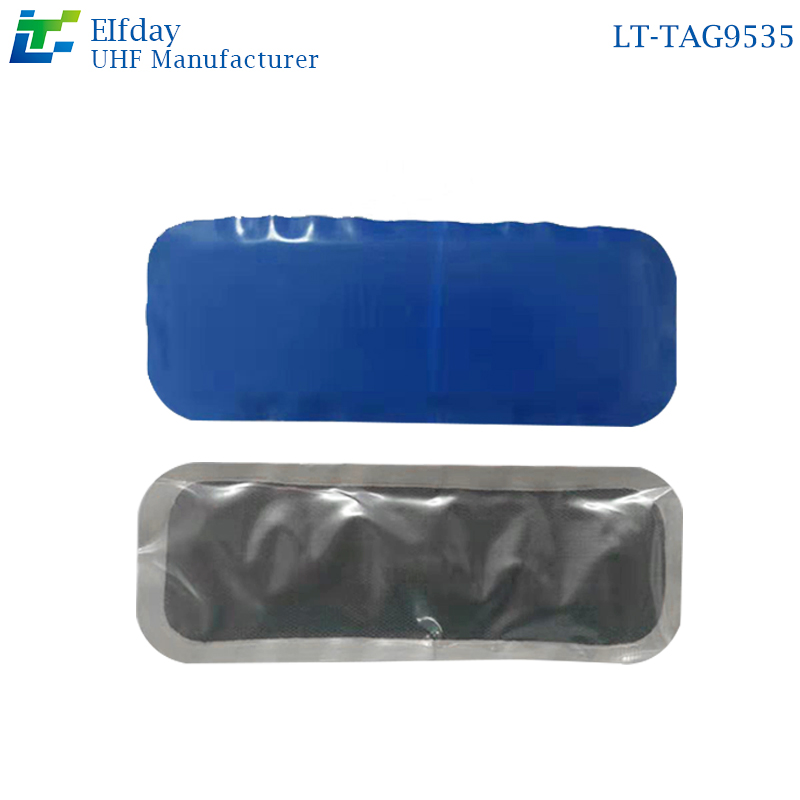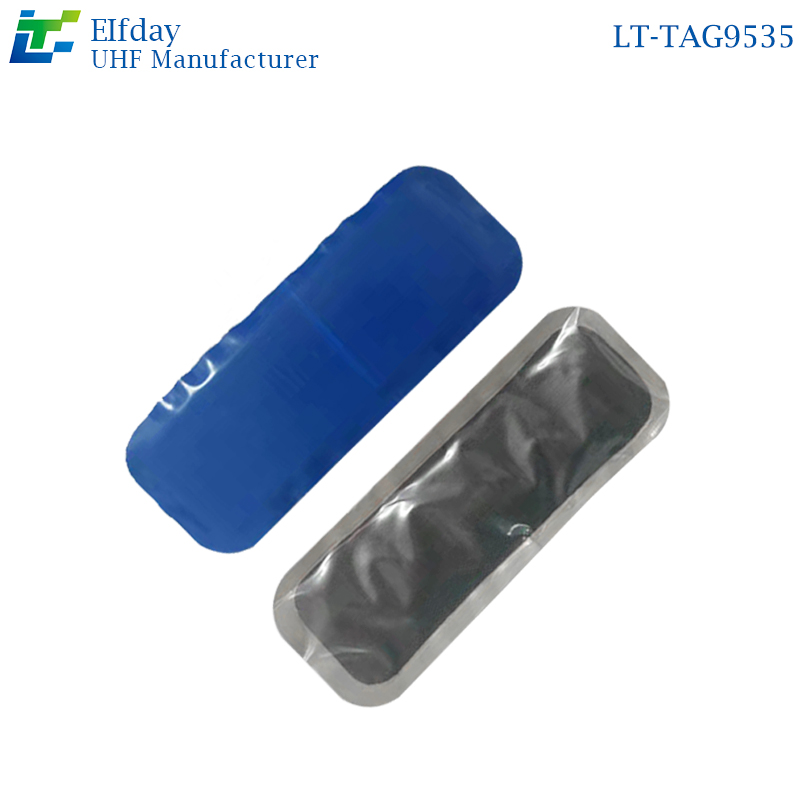


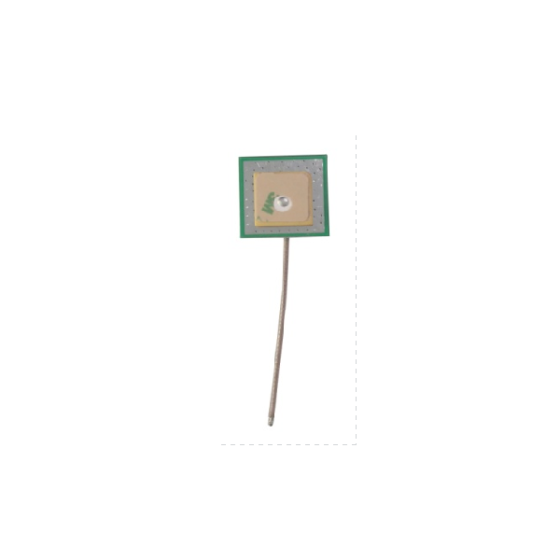
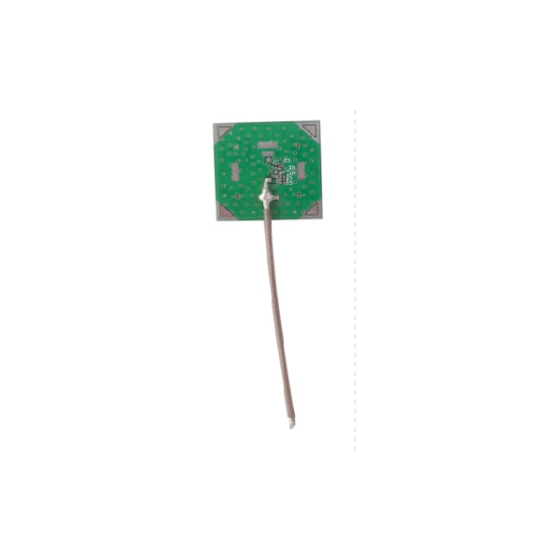
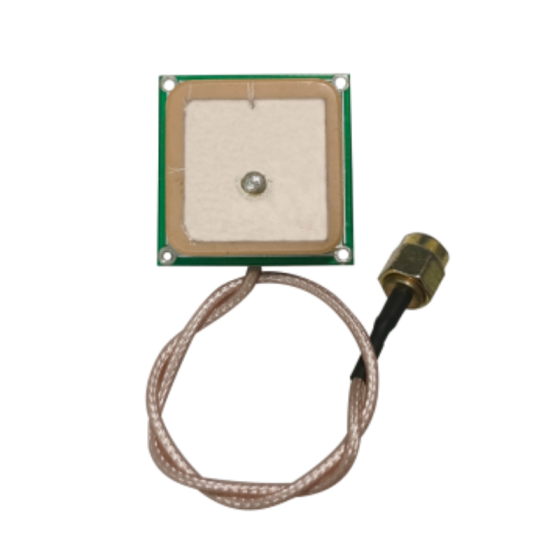
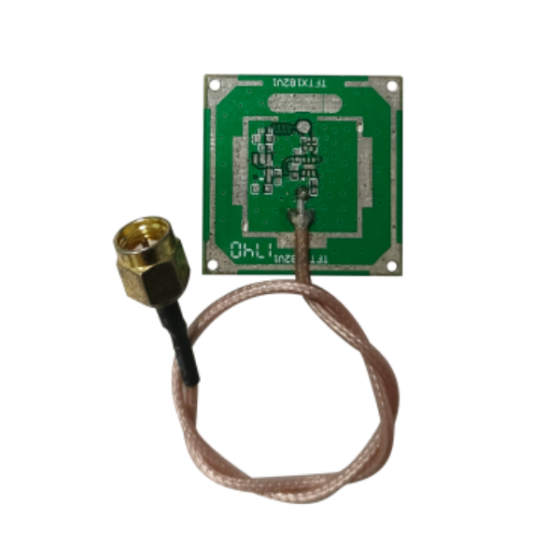
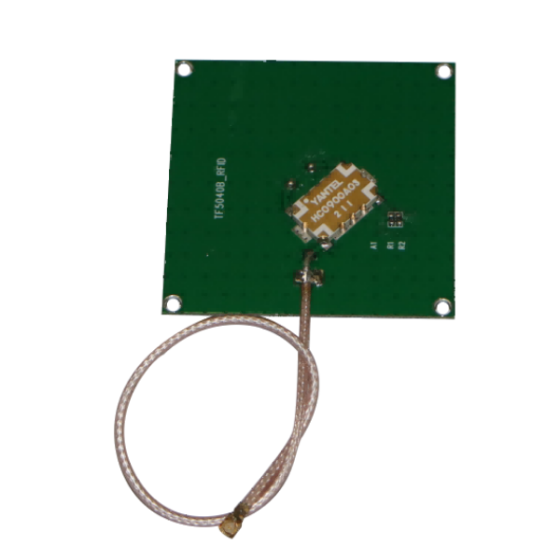
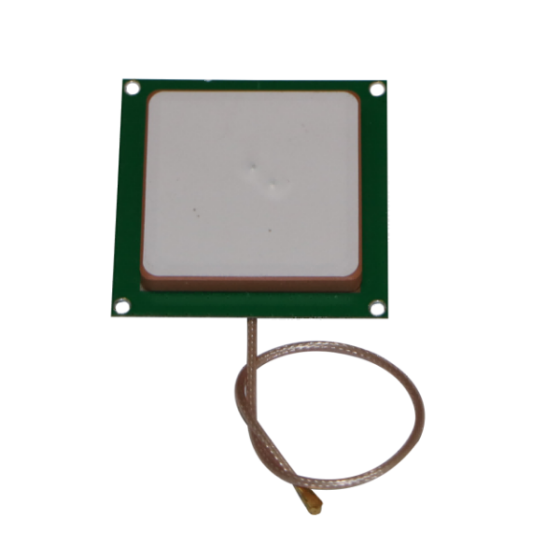
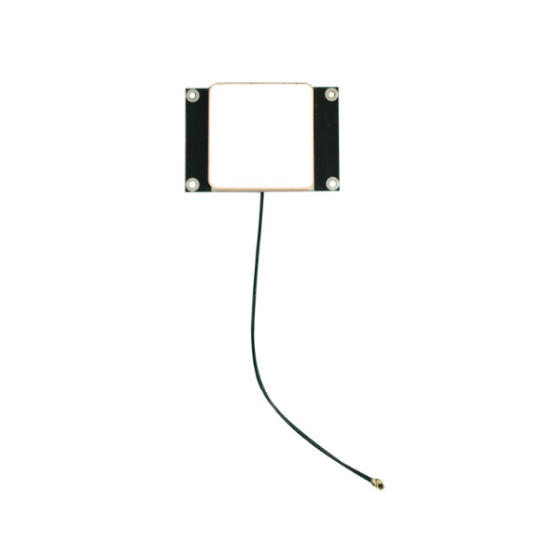
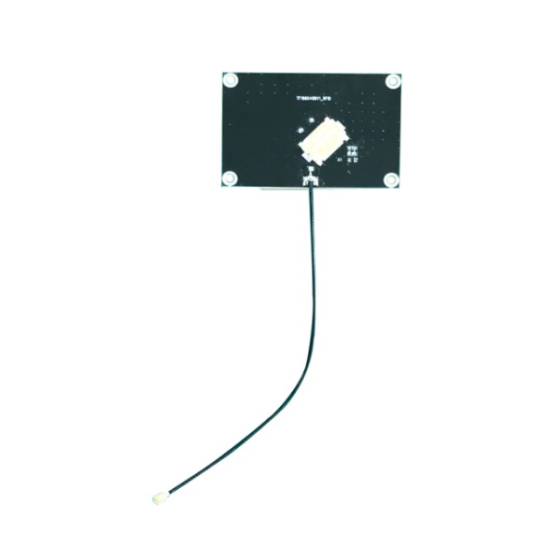


RFID Tire Tag for Efficient Tire Inventory Tracking and Warehouse Management
Managing a large number of tires in warehouses, manufacturing facilities, and automotive service centers has always been a complex task. Traditional methods that rely on printed labels, barcodes, or manual records often require significant labor and are prone to errors. As tire inventories continue to grow, businesses need a smarter way to identify, track, and manage every tire throughout its lifecycle.
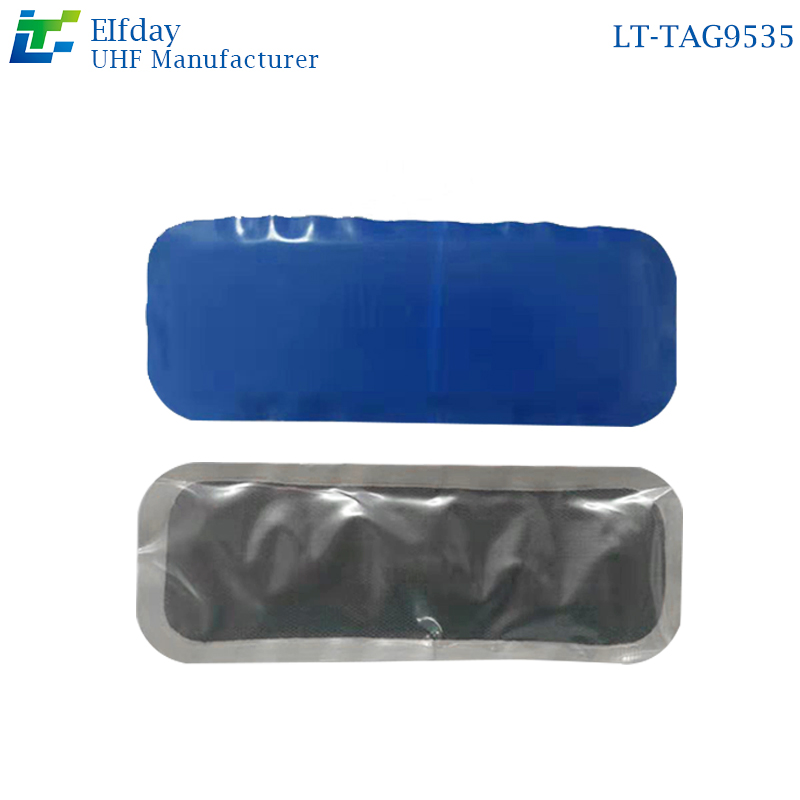
An RFID tire tag provides an advanced identification solution that enables automated data collection and real-time tracking. By attaching an RFID tag to each tire, companies can create a digital connection between physical tires and their management systems, improving visibility from production and storage to installation and maintenance.
With RFID technology, tire information can be accessed quickly without manually scanning individual labels or searching through inventory records. This helps businesses improve operational efficiency while reducing the risks associated with inaccurate inventory data.
Faster Tire Identification in Warehouse Operations
In a busy tire warehouse, locating specific tires can become time-consuming, especially when thousands of products with different sizes, models, and production batches are stored together. Manual inspection requires employees to check labels one by one, increasing labor costs and slowing down order fulfillment.
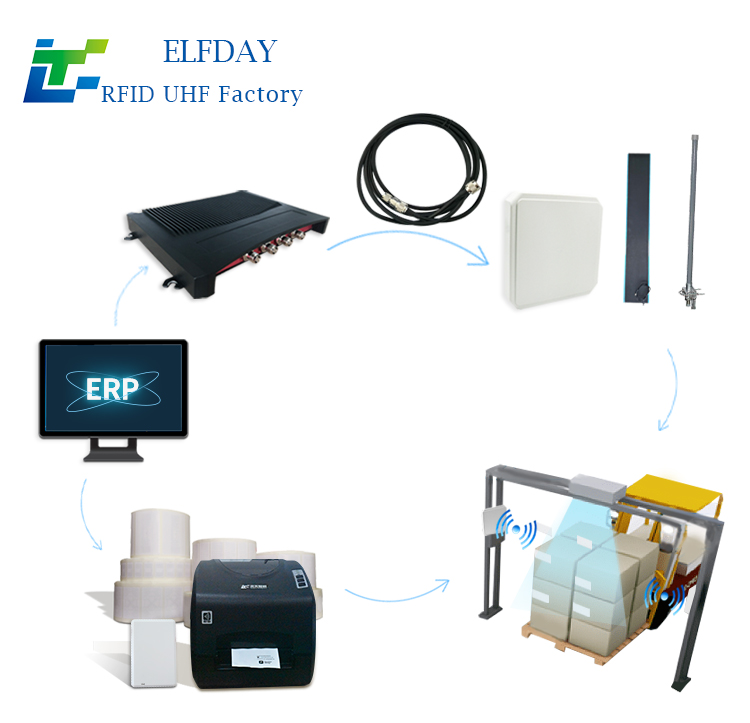
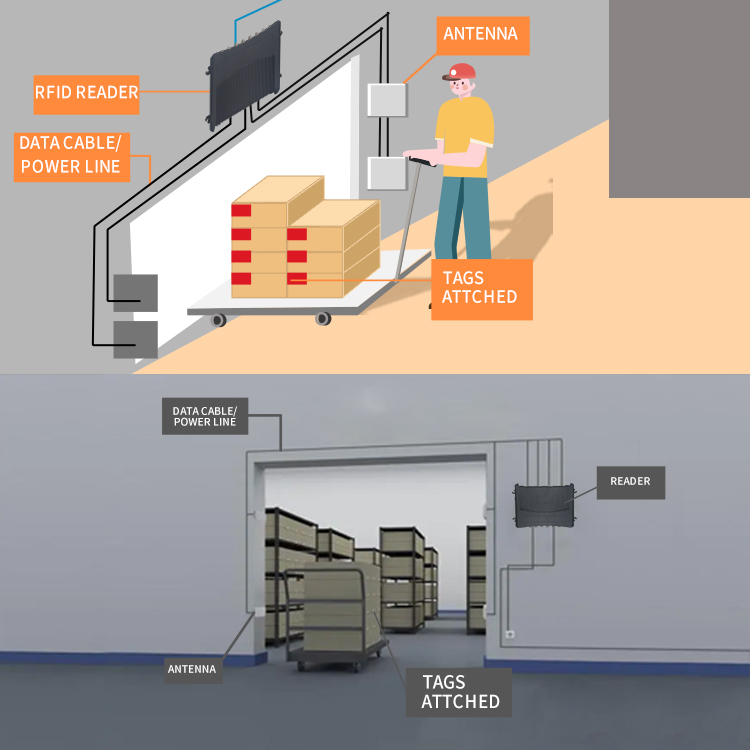
Using an RFID tire tag, workers can identify and locate tires more efficiently with automated scanning. Multiple tagged tires can be read simultaneously, even when they are stacked or stored in large quantities. This significantly reduces the time required for inventory checks, stock counting, and product searching.
For warehouse managers, RFID-based identification provides better control over inventory movement, helping ensure that the right tires are available at the right time.
Improving Tire Inventory Accuracy and Data Management
Accurate inventory management is essential for tire distributors, manufacturers, and automotive service providers. Missing, misplaced, or incorrectly recorded tires can lead to unnecessary costs and operational delays.
An RFID tire tag stores or links important tire-related information, including:
Tire specifications and product details
Manufacturing date and production batch
Storage location information
Installation history
Inspection and maintenance records
Usage status and replacement schedules
By connecting tire data with a digital management system, businesses can maintain accurate inventory records and make better decisions based on real-time information.
Unlike traditional identification methods, RFID technology minimizes manual data entry and reduces human errors, creating a more reliable tire management process.
Supporting Tire Lifecycle Tracking from Production to Replacement
A tire goes through multiple stages before reaching the end user, including manufacturing, transportation, storage, installation, inspection, and replacement. Without effective tracking, it can be difficult to understand a tire’s complete history.
RFID tire tags help businesses establish full lifecycle visibility by recording important events throughout the tire’s journey. Manufacturers can monitor production information, warehouses can manage stock movement, and fleet operators can track usage and maintenance cycles.
This lifecycle approach helps companies improve quality control, optimize maintenance planning, and extend tire service life.
Enhancing Fleet Tire Management and Maintenance Efficiency
For transportation companies and fleet operators, tire management directly affects safety, operating costs, and vehicle performance. Regular inspections and timely replacements are essential, but managing hundreds or thousands of tires manually can be challenging.
RFID tire tags allow fleet managers to quickly access tire records and monitor important information such as installation dates, mileage usage, inspection results, and maintenance history.
By having accurate tire data available at any time, fleet operators can:
Schedule preventive maintenance more effectively
Reduce unexpected tire failures
Improve vehicle safety
Control tire replacement costs
Optimize tire utilization
This makes RFID technology a valuable tool for modern fleet management systems.
Durable RFID Solutions for Demanding Automotive Environments
Tires operate in challenging conditions where they are exposed to vibration, pressure, temperature changes, moisture, and mechanical stress. Therefore, RFID tire tags must be designed for durability and reliable performance.
High-quality RFID tire tags are engineered to maintain stable identification performance in automotive environments. Depending on application requirements, they can be designed for different installation methods, reading distances, and operating conditions.
Their durability makes them suitable for various applications, including:
Tire manufacturing facilities
Tire warehouses and distribution centers
Automotive repair shops
Fleet management operations
Smart transportation systems
Why Businesses Choose RFID Tire Tags
The adoption of RFID technology brings significant advantages to tire management:
Automated Identification
RFID enables fast and accurate tire recognition without requiring direct visual scanning.
Real-Time Visibility
Businesses can monitor tire locations, inventory status, and usage information more effectively.
Reduced Labor Costs
Automated data collection reduces the need for manual inventory inspections.
Better Traceability
Each tire can be linked with a complete digital record throughout its lifecycle.
Improved Operational Efficiency
Faster searching, counting, and tracking help streamline daily operations.
The Future of Smart Tire Management
As industries continue moving toward digital transformation, intelligent asset tracking is becoming increasingly important. RFID tire tags play a key role in building smarter tire management systems by connecting physical tires with digital information.
From warehouse inventory control to fleet maintenance optimization, RFID technology helps businesses improve accuracy, reduce costs, and gain better control over tire assets.
By replacing manual tracking methods with automated identification, companies can create a more efficient, transparent, and reliable tire management process.