



RFID Tags Grocery Stores for Efficient Inventory Management
Grocery retailers deal with thousands of products moving through shelves, storage areas, checkout zones, and distribution facilities every day. Keeping track of this inventory accurately can be challenging, especially when traditional barcode scanning requires employees to handle products one by one. RFID tags grocery stores use offer a faster way to identify and monitor products, helping staff improve inventory visibility while reducing the time spent on repetitive stock counts.
Why Inventory Management Is a Challenge for Grocery Stores
Accurate inventory is essential for keeping shelves stocked and customers satisfied. However, grocery stores often manage a wide range of products with different packaging, sizes, storage requirements, and turnover rates.
Manual inventory checks can take considerable time. Employees may need to walk through aisles, scan individual barcodes, record quantities, and repeat the process for backroom inventory. Products can also be misplaced or overlooked during busy periods.
RFID technology provides another approach. Instead of relying entirely on individual barcode scans, RFID systems can identify multiple tagged items within the reader's range, making routine inventory checks more efficient.
How RFID Tags Support Grocery Store Inventory
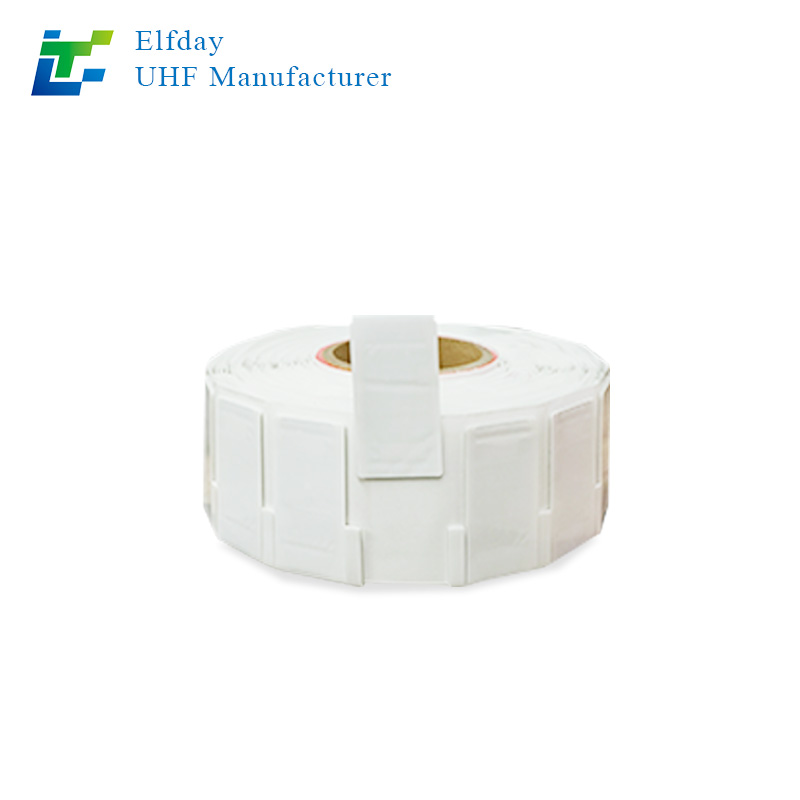
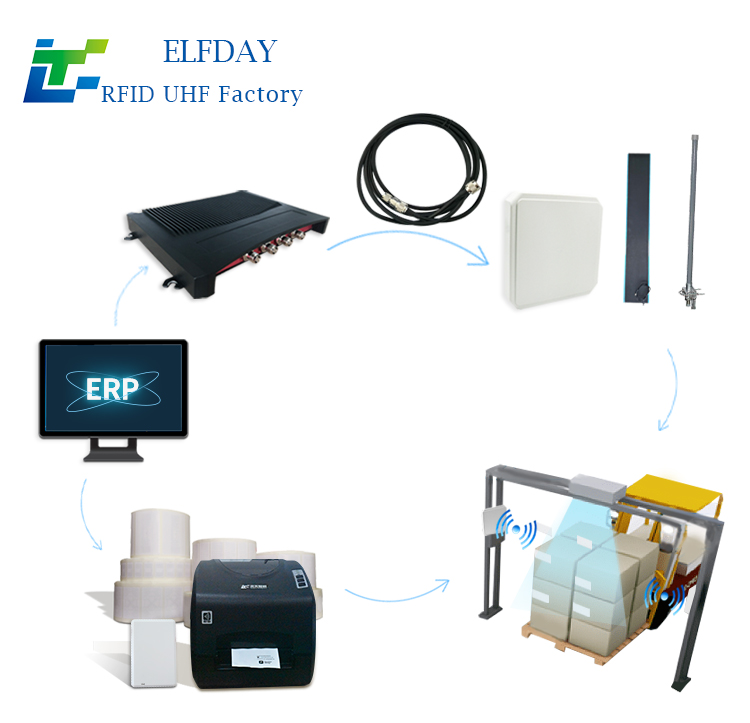
RFID tags grocery stores use can provide individual products, cases, containers, or other inventory items with a unique identification method. When an RFID reader detects the tags, product information can be captured and transferred to inventory management software.
This can help grocery staff:
- Identify products more quickly
- Check inventory levels with less manual work
- Improve visibility across shelves and storage areas
- Locate products more efficiently
- Support faster stock counting
- Reduce errors associated with manual inventory recording
- Monitor inventory movement between different areas
The result is a more connected inventory process from receiving and storage to shelf replenishment.
Faster Inventory Checks With RFID
One of the biggest advantages of RFID is its ability to read multiple tags without requiring employees to scan every item individually.
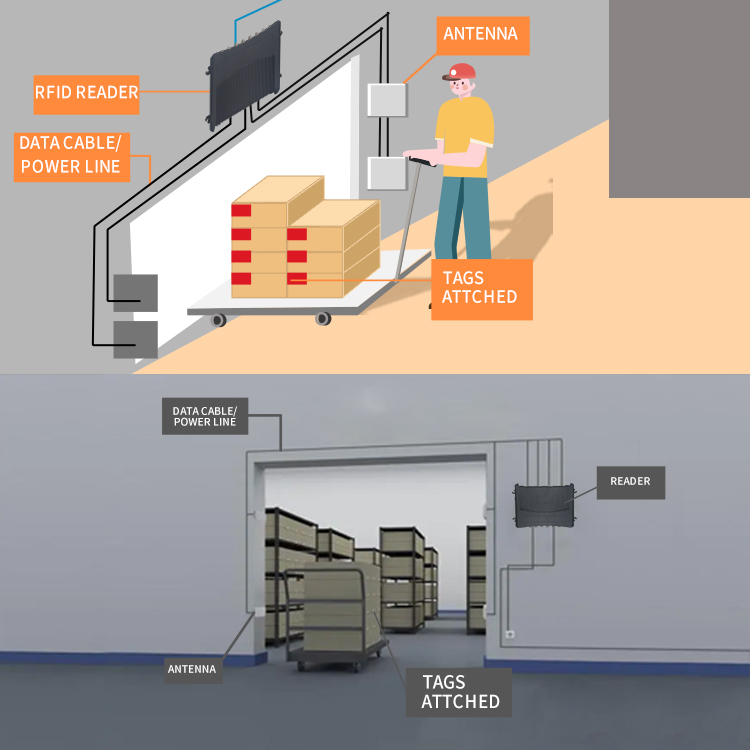
For example, during a stock count, an employee can use an RFID reader to capture information from multiple tagged products in a designated area. The collected data can then be compared with inventory records to identify differences.
This approach can make routine inventory checks less labour-intensive and allow employees to spend more time on customer service, shelf replenishment, and other important store operations.
Improving Shelf Replenishment
Empty shelves can lead to missed sales and a poor shopping experience. At the same time, grocery stores need to avoid unnecessary overstocking in limited storage areas.
RFID can help staff gain a clearer view of product availability. When inventory information is updated more efficiently, employees can identify products that need replenishment and retrieve stock from the backroom more quickly.
For high-turnover grocery products, better inventory visibility can be particularly useful for maintaining consistent product availability.
Tracking Products From Receiving to the Sales Floor
Inventory management does not start when products reach the shelf. Grocery products typically move through several stages, including receiving, backroom storage, shelf replenishment, and sometimes transfers between locations.
RFID tags can provide products or cases with a consistent digital identity throughout these stages. Staff can use RFID readers at different points to capture product information and improve visibility of inventory movement.
This can help reduce uncertainty about where products are located and make it easier to identify inventory discrepancies.
Supporting Backroom Inventory Management
Backrooms can become crowded with cartons, cases, reusable containers, and other inventory. Finding a specific product manually can take time, particularly when employees are working during busy periods.
With RFID identification, staff can use compatible RFID readers to locate and verify tagged inventory more efficiently. This can simplify the process of checking whether products are available in storage before ordering additional stock or replenishing shelves.
RFID Tags for Grocery Supply Chain Visibility
Modern grocery operations often involve multiple locations, including suppliers, distribution centres, warehouses, and retail stores. Inventory visibility can become more difficult as products move between these locations.
RFID technology can support item-level or case-level tracking across different stages of the supply chain. By capturing tag information at key checkpoints, businesses can gain a clearer understanding of inventory movement.
This can be particularly useful for retailers managing multiple stores or large distribution networks.
Reducing Manual Counting Work
Traditional inventory counting often requires employees to scan or record products individually. For large stores, this can turn into a repetitive and time-consuming task.
RFID tags grocery stores use can reduce some of this manual work by allowing multiple tagged items to be identified during a single reading process. Employees can therefore complete inventory checks more efficiently while maintaining better visibility of stock.
RFID does not eliminate the need for inventory management processes, but it can make many routine identification tasks faster and more consistent.
Supporting More Accurate Inventory Data
Good inventory decisions depend on reliable data. If stock records do not accurately reflect what is physically available, employees may order too much, fail to replenish products, or spend unnecessary time searching for missing inventory.
RFID can provide automated identification data that supports more frequent inventory updates. When integrated with suitable inventory software, this information can help retailers compare recorded stock with actual inventory and identify discrepancies sooner.
Applications Beyond Product Tracking
RFID technology can also be used to identify more than individual grocery products. Depending on the application, retailers can place RFID tags on:
- Reusable crates
- Plastic totes
- Delivery containers
- Storage bins
- Roll cages
- Equipment and other store assets
Tracking these reusable items can help grocery operations monitor their movement and reduce the number of containers or assets that become misplaced.
What to Consider When Choosing RFID Tags for Grocery Stores
Not every RFID tag is suitable for every grocery application. Tag performance can be affected by product packaging, materials, liquids, metals, temperature, tag placement, and the reading environment.
Before selecting an RFID tag, grocery retailers should consider:
Tag size: Smaller tags may be suitable for compact products, while larger tags can provide more flexibility for certain applications.
Read performance: The required reading distance and environment should be evaluated before deployment.
Product material: Liquids and metal packaging can affect RFID performance, so tag selection should match the application.
Attachment method: Adhesive, hangable, embedded, or other mounting methods may be appropriate depending on the product or asset.
System compatibility: RFID tags should be compatible with the readers, software, and RFID frequency used by the inventory system.
The Future of Grocery Inventory Management
As grocery retailers continue to look for ways to improve operational efficiency, automated identification technologies are becoming increasingly valuable. RFID can provide a foundation for more connected inventory processes by linking physical products with digital inventory data.
From receiving and backroom management to shelf replenishment and stock counting, RFID tags grocery stores use can help reduce repetitive manual tasks and provide employees with better visibility of inventory.
For grocery retailers looking to improve inventory efficiency, RFID is not simply about replacing barcode scanning. It is about creating a faster and more data-driven way to understand where products are, how inventory is moving, and when stock needs attention.