



RFID Linen Tags Provide Reliable Tracking Solutions for Hospitals, Clinics, and Healthcare Facilities
Healthcare facilities handle a large number of textile items every day, including patient gowns, surgical textiles, hospital bedding, towels, and medical uniforms. These linens are essential for patient care and must meet strict hygiene standards through frequent washing, disinfection, and replacement.
However, managing thousands of textile items manually can be challenging. Healthcare organizations often face problems such as missing linens, inaccurate inventory records, inefficient laundry processes, and difficulty monitoring washing history.
An RFID linen tag provides a reliable tracking solution that helps hospitals, clinics, and healthcare facilities achieve smarter textile management. By attaching RFID tags to medical linens, healthcare providers can automatically identify, track, and manage each item throughout its entire lifecycle, from collection and cleaning to storage and redistribution.
With improved visibility and automation, RFID linen tracking helps healthcare organizations reduce losses, maintain better hygiene control, and improve operational efficiency.
What Is an RFID Linen Tag?
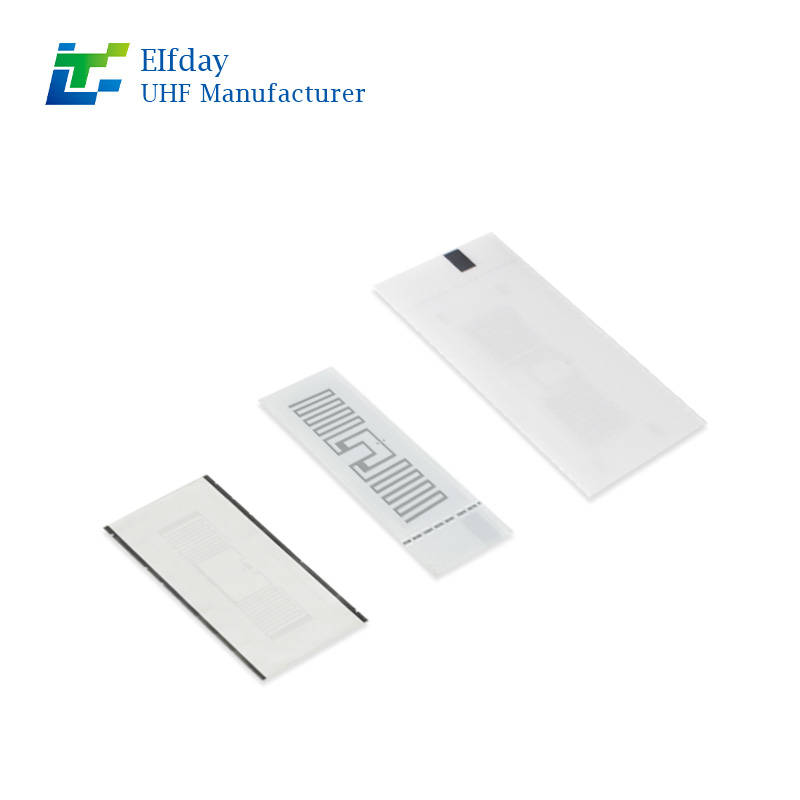
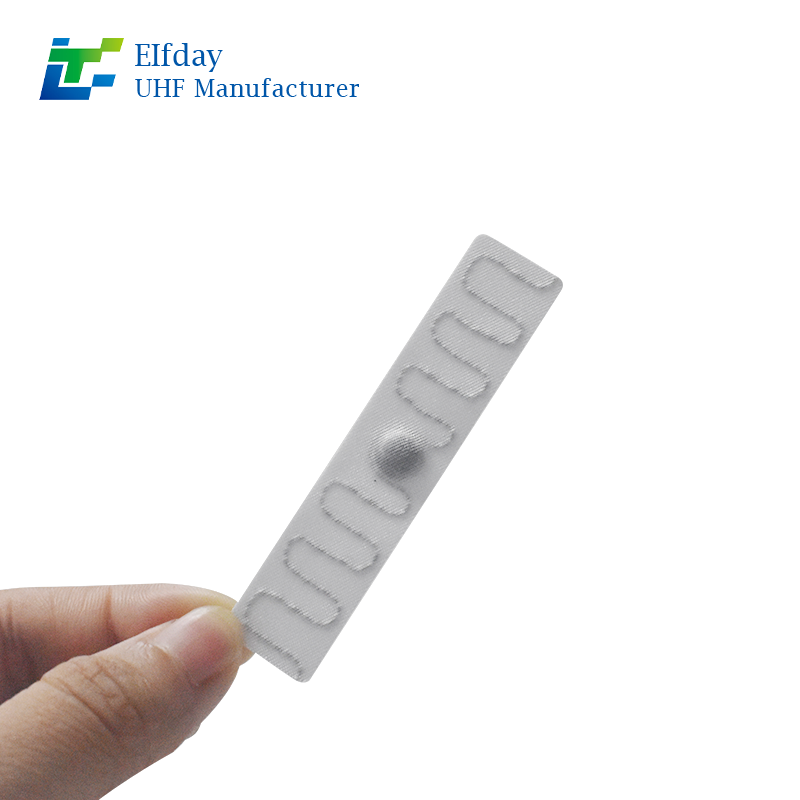
An RFID linen tag is a small electronic identification device designed specifically for textile tracking applications. It contains an RFID chip that stores unique identification information, allowing linen items to be recognized automatically through RFID readers.
Unlike traditional labels or barcode systems, RFID technology does not require direct scanning. Multiple tagged items can be identified simultaneously, making it ideal for busy healthcare environments where large volumes of textiles are processed every day.
RFID linen tags are specially designed to withstand demanding laundry conditions, including:
Repeated industrial washing
High-temperature drying
Chemical detergents
Moisture exposure
Frequent handling and transportation
This durability allows RFID linen tags to remain functional throughout hundreds of cleaning cycles, making them suitable for long-term healthcare textile management.
Why Hospitals Need RFID Linen Tracking Solutions
Hospitals and healthcare facilities operate complex linen circulation systems. A single facility may manage thousands of sheets, gowns, surgical fabrics, and reusable textiles across multiple departments.
Without accurate tracking, healthcare teams may struggle with:
Unclear linen inventory levels
Lost or misplaced textiles
Delayed laundry turnaround
Difficulty monitoring washing records
Unexpected linen shortages
An RFID linen tag creates a digital identity for each textile item, allowing healthcare managers to access accurate information about inventory quantity, location, usage history, and cleaning status.
This enables healthcare providers to make better decisions and ensure that clean linens are always available when needed.
Improving Medical Linen Inventory Management
Inventory control is one of the biggest challenges in healthcare textile management. Manual counting requires significant labor and can easily result in errors.
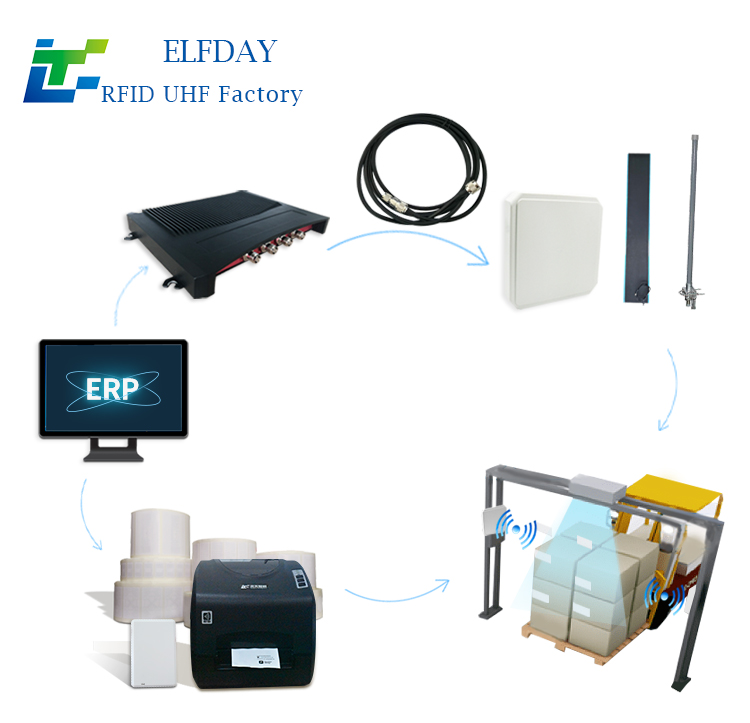
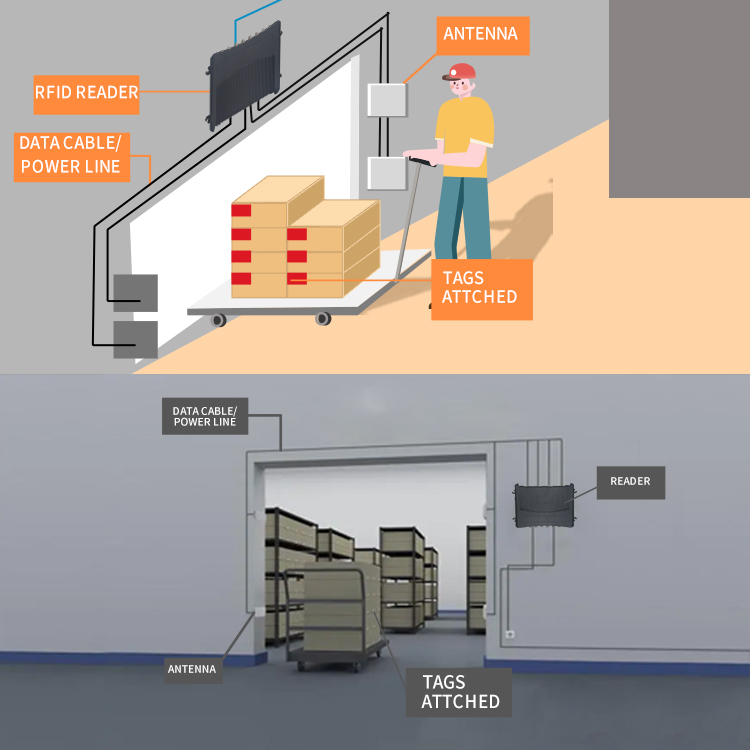
With RFID linen tags, healthcare facilities can automate inventory tracking. RFID readers capture information quickly and update the management system in real time.
Healthcare managers can easily check:
How many linens are currently available
Which department is using specific items
Which textiles are in the laundry process
Which items require replacement
This improved accuracy helps prevent shortages and reduces unnecessary purchases caused by poor inventory visibility.
Tracking Washing Cycles and Hygiene Compliance
Medical linens require strict cleaning procedures to ensure patient safety and infection control. Keeping accurate washing records is an important part of healthcare textile management.
RFID linen tags allow facilities to monitor the complete washing history of each item. Managers can track how many cleaning cycles a textile has completed and determine whether it is still suitable for continued use.
This information helps healthcare organizations:
Maintain better sanitation control
Monitor textile conditions
Improve laundry quality management
Support internal compliance requirements
By connecting RFID tracking with laundry processes, healthcare facilities gain greater confidence in their hygiene management systems.
Reducing Linen Loss and Operational Costs
Linen loss can create significant expenses for hospitals and healthcare organizations. Textiles may be misplaced during transportation, mixed with other facilities, or removed from circulation without proper records.
An RFID linen tag provides detailed tracking information throughout the textile lifecycle. Each item can be monitored from the moment it leaves a department until it returns after cleaning.
This visibility helps reduce:
Lost bedding and patient gowns
Unnecessary textile replacement
Manual searching time
Inventory management costs
By protecting valuable textile assets, RFID linen tracking helps healthcare facilities improve cost efficiency while maintaining reliable linen availability.
Optimizing Hospital Laundry Operations
Healthcare laundry involves multiple steps, including collection, sorting, washing, drying, inspection, storage, and delivery. Efficient coordination between these stages is essential for maintaining a stable linen supply.
RFID linen tags simplify laundry operations by enabling automatic identification and faster sorting. Instead of manually checking each item, staff can quickly identify large quantities of textiles and organize them according to department, category, or destination.
This helps improve:
Laundry processing speed
Sorting accuracy
Textile circulation efficiency
Overall workflow management
As a result, healthcare laundry teams can handle higher volumes of textiles with fewer manual processes.
Applications of RFID Linen Tags in Healthcare
RFID linen tags are widely used in different healthcare textile management scenarios.
Patient Linen Tracking
Hospitals can attach RFID linen tags to patient gowns, sheets, blankets, and towels to monitor usage and availability.
Surgical Textile Management
Surgical fabrics require strict cleaning and handling procedures. RFID tracking helps maintain accurate records of usage and washing cycles.
Hospital Laundry Management
Healthcare laundry departments can improve textile identification, sorting, and distribution through automated RFID tracking.
Medical Uniform Tracking
RFID linen tags help healthcare organizations manage staff uniforms and reusable garments more effectively.
Key Benefits of RFID Linen Tags for Healthcare Facilities
Using RFID linen tags provides healthcare organizations with several important advantages.
Accurate Textile Tracking
Each linen item receives a unique digital identity, making it easier to monitor movement and status.
Improved Inventory Visibility
Healthcare teams can access real-time information about linen availability and usage.
Better Hygiene Management
Detailed washing records support effective cleaning procedures and textile lifecycle monitoring.
Reduced Labor Requirements
Automated identification reduces the need for manual counting and record keeping.
Lower Replacement Costs
By reducing losses and optimizing textile usage, RFID linen tags help extend asset lifespan and control expenses.
The Future of Healthcare Linen Management with RFID Technology
As healthcare organizations continue moving toward digital and automated management systems, traditional manual linen tracking methods are becoming less efficient.
An RFID linen tag provides a smarter approach by combining accurate identification, real-time tracking, and reliable performance in demanding healthcare environments.
From hospitals and clinics to healthcare laundry facilities, RFID linen tracking technology helps create a more efficient and transparent textile management process. By improving inventory control, supporting hygiene requirements, and reducing operational challenges, RFID solutions are becoming an important tool for modern healthcare management.
Frequently Asked Questions About RFID Linen Tags
What is an RFID linen tag used for?
An RFID linen tag is used to track healthcare textiles such as patient gowns, hospital bedding, surgical fabrics, towels, and uniforms throughout washing, storage, and distribution processes.
How does an RFID linen tag work?
An RFID linen tag stores unique identification information inside an RFID chip. RFID readers capture the data wirelessly, allowing healthcare facilities to track textile movement automatically.
Can RFID linen tags survive repeated washing?
Yes. RFID linen tags designed for healthcare applications can withstand repeated industrial washing, drying, and exposure to cleaning chemicals.
Are RFID linen tags better than barcode tracking?
Yes. RFID technology allows multiple items to be identified at the same time without direct scanning, making it faster and more efficient than traditional barcode systems.
How do RFID linen tags help hospitals reduce costs?
RFID linen tags reduce textile loss, improve inventory accuracy, decrease manual labor, and help healthcare facilities optimize linen replacement schedules.