



RFID Asset Tags for Real-Time Equipment Tracking and Loss Prevention
Managing valuable assets efficiently has become a major challenge for businesses across different industries. Companies often handle thousands of assets, including equipment, tools, inventory, computers, and office resources. Traditional tracking methods such as spreadsheets and manual inspections can be time-consuming and may result in inaccurate records.
RFID asset tags provide an advanced solution for modern asset management. By attaching RFID tags to physical assets, businesses can identify, monitor, and track equipment in real time. This technology improves asset visibility, reduces the risk of loss, and helps organizations simplify daily management tasks.
From warehouses and manufacturing facilities to healthcare centers and corporate offices, RFID asset tags are becoming an essential tool for improving operational efficiency and protecting valuable resources.
What Are RFID Asset Tags?
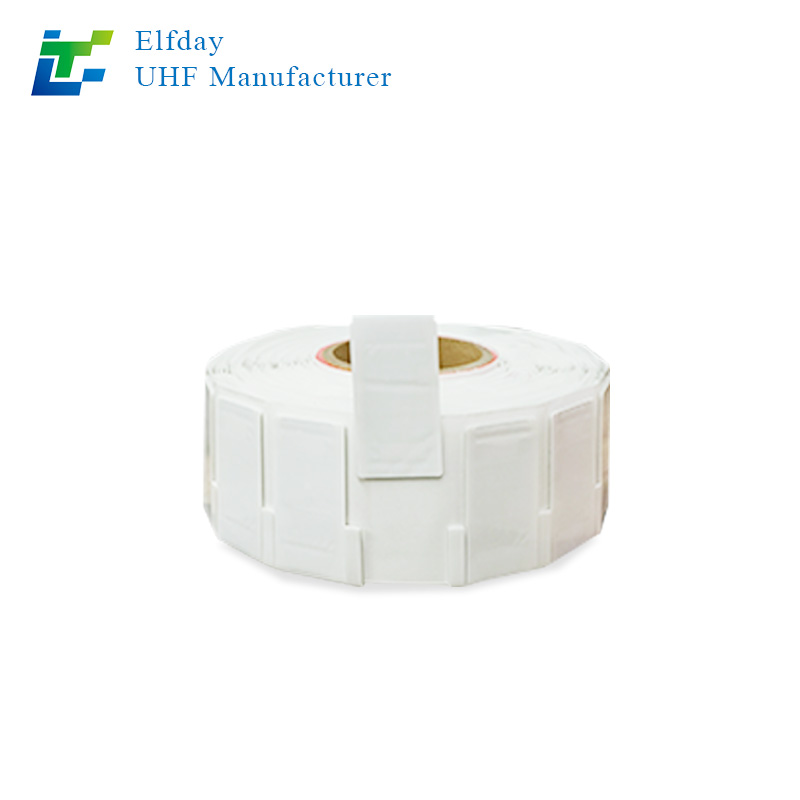
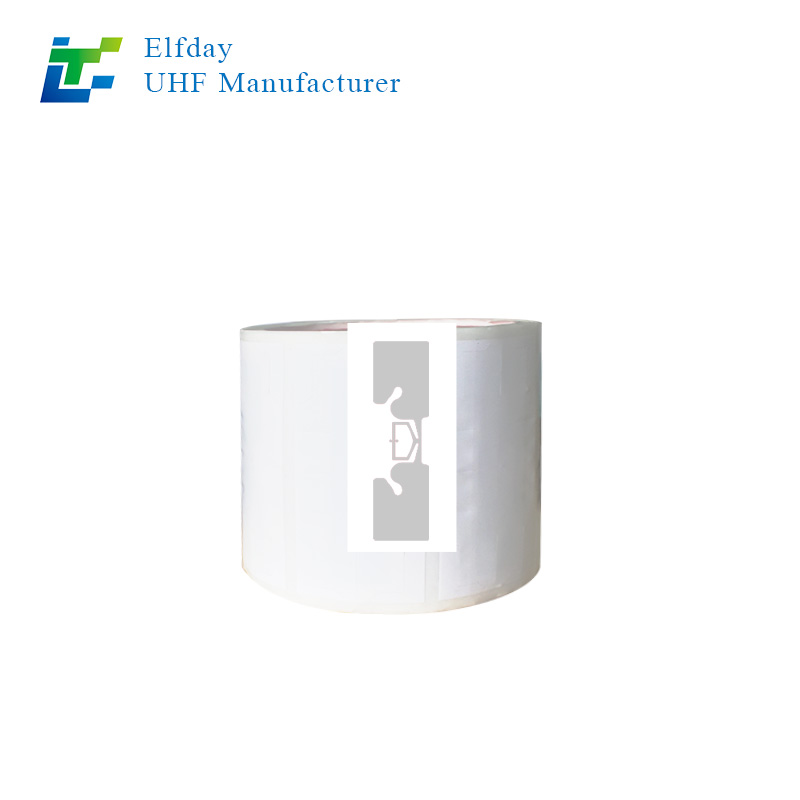
RFID asset tags are electronic identification labels that use radio frequency technology to store and transmit asset information. Each tag contains a unique identification number that allows RFID readers to quickly recognize and track individual items.
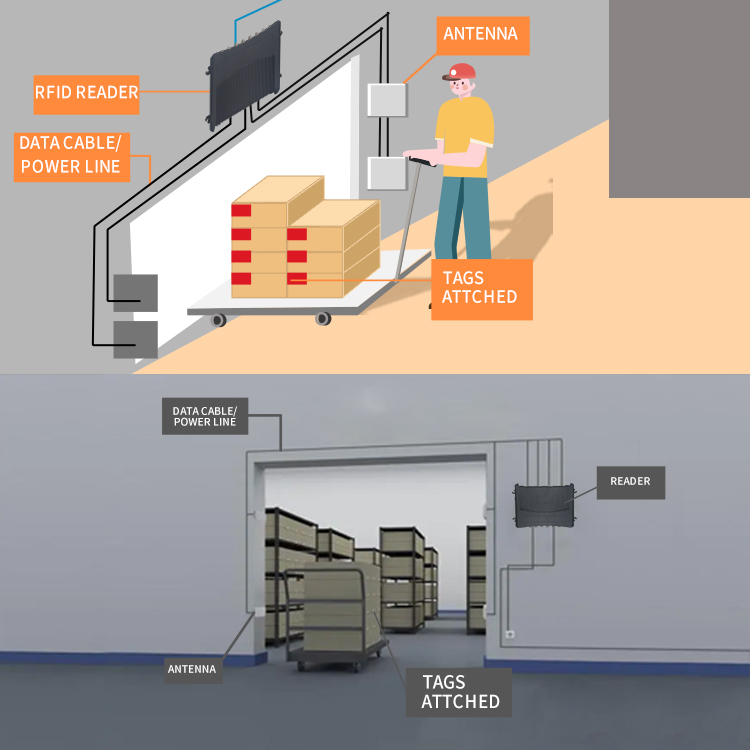
Unlike traditional barcode labels, RFID asset tags do not require direct scanning. Multiple tagged items can be identified at the same time, making inventory checks faster and more efficient.
RFID asset tags can be applied to many types of assets, including equipment, machinery, tools, IT devices, medical equipment, warehouse items, and reusable containers.
How RFID Asset Tags Improve Equipment Tracking
Real-Time Asset Visibility
One of the biggest advantages of RFID asset tags is the ability to provide real-time visibility into asset locations and status. Businesses can quickly identify where equipment is stored, who is using it, and when it has been moved or maintained.
For example, a manufacturing facility can track production tools across different work areas, while a warehouse can monitor the movement of inventory throughout storage and shipping processes.
With better asset visibility, employees spend less time searching for equipment and more time focusing on important tasks.
Reduce Asset Loss and Misplacement
Lost or misplaced equipment can increase operational costs and affect productivity. Manual tracking systems often make it difficult to determine the location of missing assets.
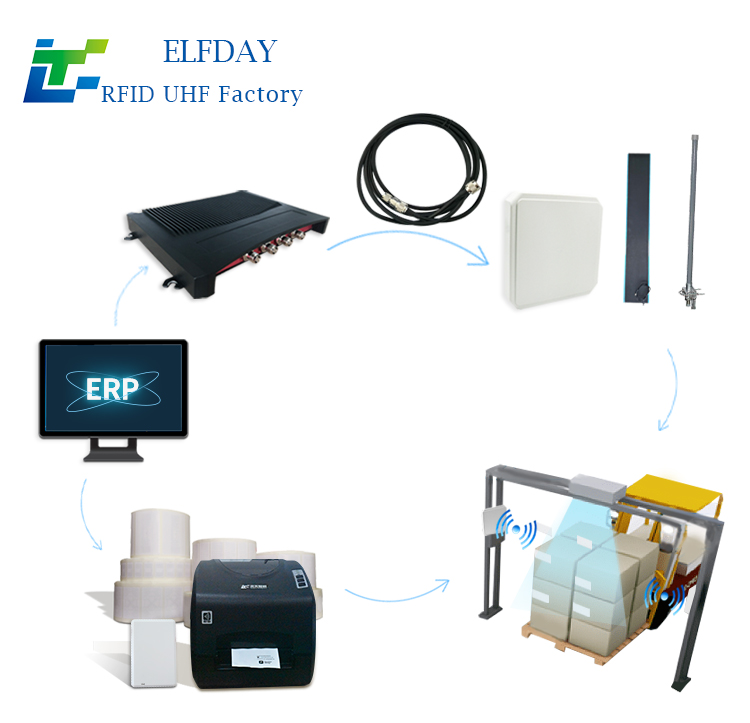
RFID asset tags help businesses create accurate digital records for each asset. When equipment is moved, transferred, or checked out, the information can be updated automatically through an RFID management system.
This helps companies reduce asset loss, improve responsibility tracking, and prevent unnecessary replacement expenses.
Improve Inventory Management Efficiency
Traditional inventory audits often require employees to manually inspect and record every item. This process can take a significant amount of time and may lead to human errors.
RFID asset tags allow businesses to complete inventory checks faster by automatically collecting asset information. Companies can maintain more accurate records while reducing the workload involved in asset management.
This makes RFID technology especially useful for organizations with large numbers of assets or multiple locations.
Applications of RFID Asset Tags
RFID Asset Tags for Warehouse Management
Warehouses rely on accurate tracking to manage products, tools, pallets, and storage equipment. RFID asset tags help warehouse teams monitor inventory movement and improve stock accuracy.
By using RFID technology, businesses can reduce missing items, optimize storage processes, and improve supply chain visibility.
RFID Asset Tags for Manufacturing Equipment
Manufacturing companies often manage expensive machinery, production tools, and maintenance equipment. RFID asset tags allow manufacturers to track equipment usage, maintenance history, and location.
This helps improve equipment availability, reduce downtime, and support better maintenance planning.
RFID Asset Tags for IT Equipment Tracking
Companies with large IT infrastructures need effective ways to manage computers, servers, and electronic devices. RFID asset tags make it easier for IT departments to monitor equipment ownership, location, and service records.
Better IT asset tracking helps prevent device loss and improves resource management.
RFID Asset Tags for Healthcare Equipment
Hospitals and medical facilities depend on quick access to essential equipment. RFID asset tags help healthcare teams locate medical devices such as wheelchairs, monitoring equipment, and other critical resources.
Improved equipment tracking allows staff to save time and ensures that important assets are available when needed.
Benefits of Using RFID Asset Tags
Improved Asset Accuracy
RFID asset tags reduce errors caused by manual data entry and outdated records. Automated identification ensures that businesses have more reliable asset information.
Enhanced Asset Security
By tracking asset movement and usage history, RFID technology helps organizations improve control over valuable equipment and reduce unauthorized movement.
Reduced Operating Costs
RFID asset tags help businesses lower costs by reducing lost assets, improving inventory efficiency, and minimizing unnecessary equipment purchases.
Increased Workplace Productivity
Employees can quickly locate the equipment they need instead of spending time searching for missing items. This improves workflow efficiency and overall productivity.
Better Asset Lifecycle Management
RFID asset tags support the complete lifecycle of an asset, including acquisition, deployment, maintenance, transfer, and retirement. Businesses can maintain better records throughout the entire asset lifespan.
How to Choose the Right RFID Asset Tags
Selecting the right RFID asset tags depends on the application environment and asset type.
Businesses should consider factors such as durability, reading distance, attachment method, and operating conditions.
For industrial environments, durable RFID asset tags designed to withstand heat, moisture, chemicals, and outdoor conditions may be required. For office or IT applications, smaller and more lightweight tags may provide a better fit.
The right RFID asset tag solution ensures reliable performance and long-term tracking efficiency.
RFID Asset Tags vs Traditional Asset Tracking Methods
Compared with manual tracking methods and barcode systems, RFID asset tags provide faster identification, improved accuracy, and better visibility.
Traditional methods often require employees to scan items individually or manually update records. RFID technology allows multiple assets to be identified quickly, reducing workload and improving data accuracy.
This makes RFID asset tags a valuable solution for businesses looking to modernize their asset management processes.
RFID asset tags provide businesses with a smarter way to track equipment, inventory, and valuable resources. By enabling real-time identification and improving asset visibility, RFID technology helps organizations reduce losses, increase efficiency, and simplify asset management.
Whether used in warehouses, manufacturing facilities, healthcare environments, or corporate offices, RFID asset tags offer a reliable solution for improving control over physical assets and creating more efficient operations.