

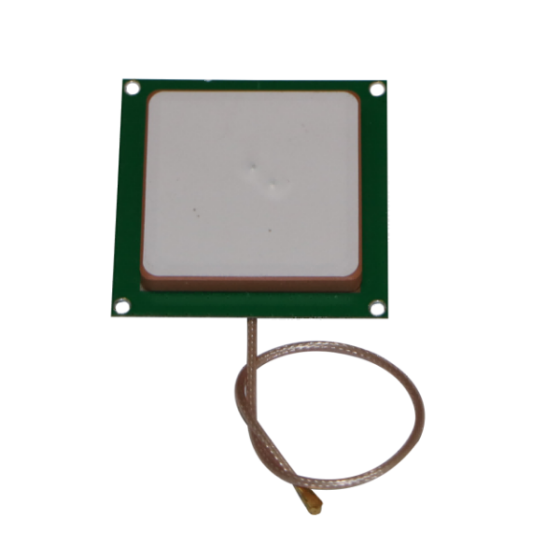
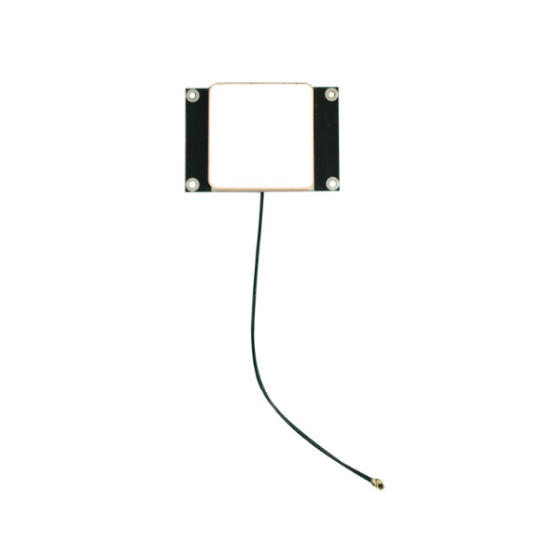
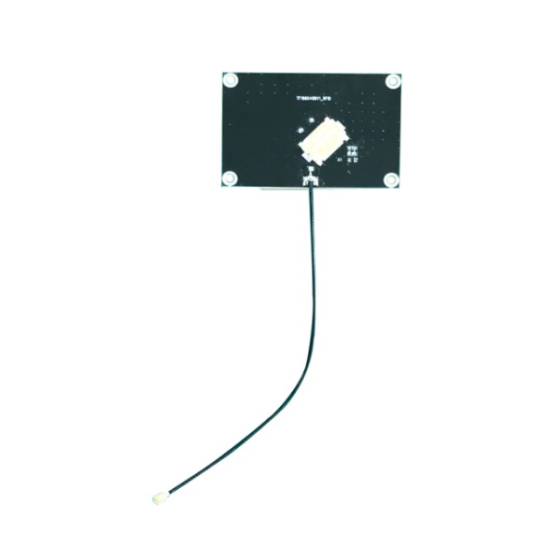


RFID Asset Tags for Manufacturing Equipment Tracking and Lifecycle Management
Modern manufacturing environments depend on thousands of tools, machines, and production assets to maintain smooth operations. As factories become more automated and production processes become more complex, traditional asset tracking methods often struggle to provide accurate and timely information.
RFID asset tags offer manufacturers a smarter way to monitor equipment, manage production resources, and improve asset lifecycle control. By attaching RFID tags to machines, tools, and industrial equipment, manufacturers can quickly identify assets, track movement, and maintain detailed usage records.
From production lines and maintenance departments to warehouses and equipment storage areas, RFID asset tags help manufacturers improve visibility, reduce downtime, and create more efficient workflows.
What Are RFID Asset Tags for Manufacturing?
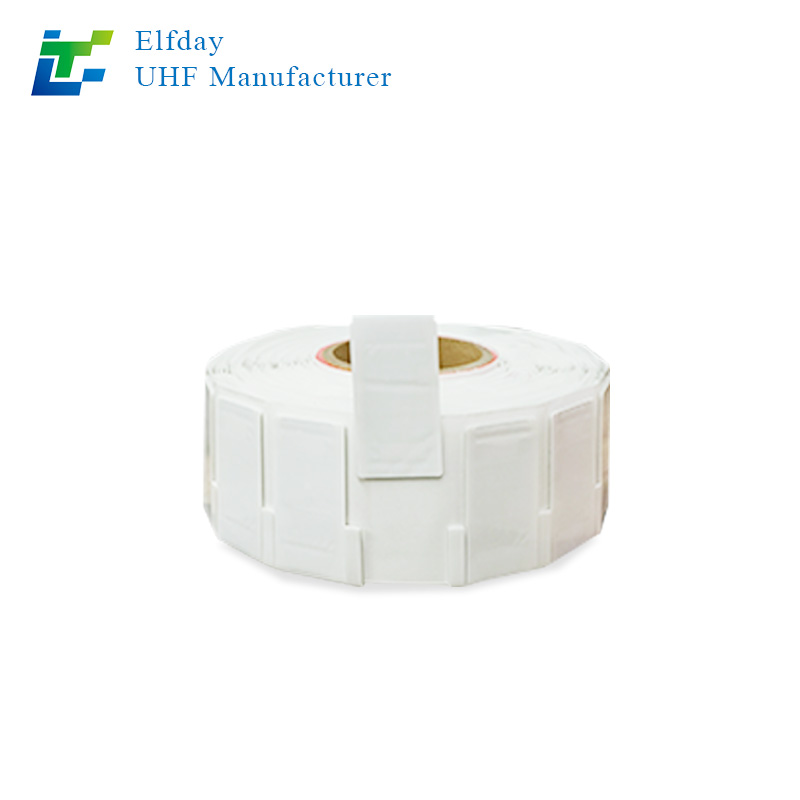
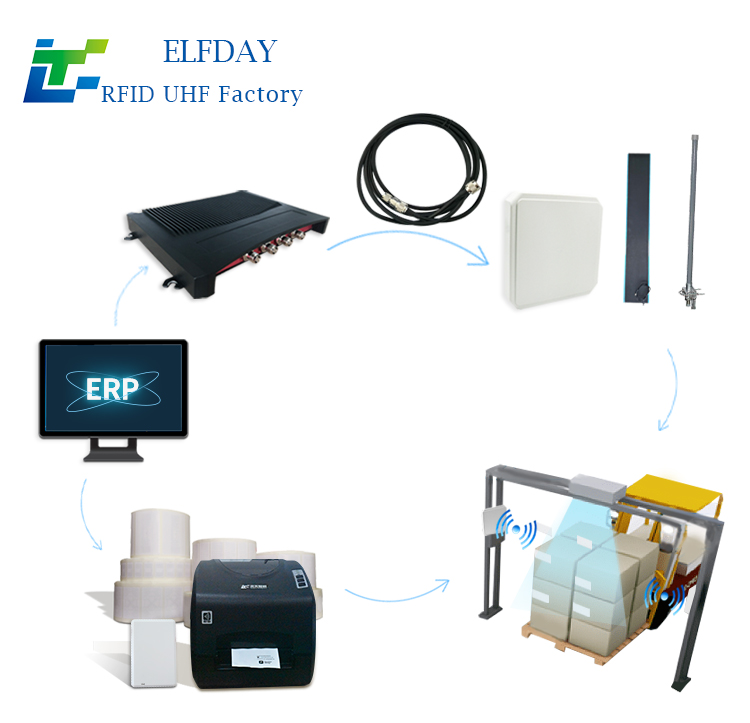
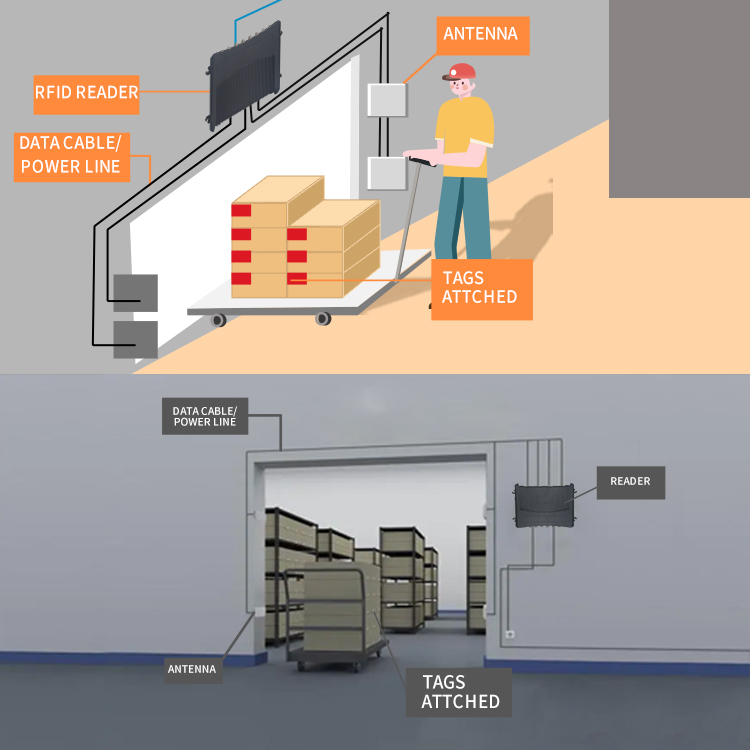
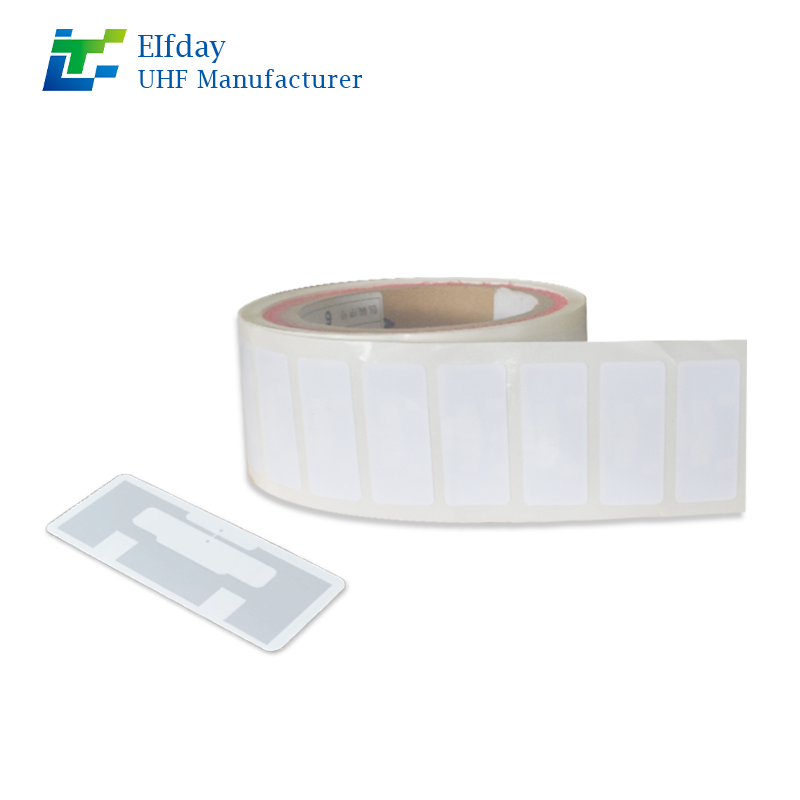
RFID asset tags are electronic identification solutions designed to track and manage physical assets using radio frequency technology. Each tag contains unique identification data that can be captured by RFID readers, allowing manufacturers to monitor equipment information without manual recording.
Unlike traditional labels or barcode systems, RFID asset tags do not require direct scanning. Multiple assets can be identified simultaneously, making them ideal for large manufacturing environments where speed and accuracy are essential.
Manufacturing assets commonly tracked with RFID asset tags include:
Production machines
Industrial tools
Maintenance equipment
Assembly line components
Raw material containers
Safety equipment
Reusable production assets
How RFID Asset Tags Improve Manufacturing Equipment Tracking
Real-Time Equipment Visibility
One of the biggest challenges in manufacturing is knowing the exact location and status of equipment. Tools and machines are often moved between production areas, maintenance stations, and storage locations, making manual tracking difficult.
RFID asset tags provide real-time visibility by creating a digital connection between physical equipment and asset management systems. Manufacturers can quickly identify where assets are located and monitor their movement throughout the facility.
Improved visibility helps production teams reduce search time, prevent equipment delays, and improve resource allocation.
Better Maintenance Scheduling and Equipment Management
Regular maintenance is essential for keeping manufacturing equipment operating efficiently. However, many companies still rely on manual records or scheduled inspections, which can lead to missed maintenance tasks or unexpected equipment failures.
With RFID asset tags, manufacturers can maintain accurate equipment histories, including usage records, maintenance schedules, and service information.
This allows companies to:
Improve preventive maintenance planning
Identify equipment requiring service
Reduce unexpected breakdowns
Extend equipment lifespan
Improve machine reliability
By supporting proactive maintenance strategies, RFID technology helps manufacturers keep production lines running smoothly.
Reduce Downtime and Improve Production Efficiency
Unexpected equipment downtime can significantly impact manufacturing productivity. When machines fail or tools cannot be located quickly, production schedules may be delayed.
RFID asset tags help reduce downtime by providing accurate asset information and faster equipment identification. Maintenance teams can quickly locate tools, review equipment history, and take action before minor issues become major problems.
This creates a more efficient production environment with fewer interruptions and better workflow control.
RFID Asset Tags for Industrial Equipment Lifecycle Management
Managing equipment throughout its entire lifecycle is an important part of modern manufacturing. Assets need to be tracked from purchase and installation to maintenance, relocation, and retirement.
RFID asset tags support complete lifecycle management by recording important asset information, such as:
Equipment identification details
Installation dates
Maintenance history
Usage information
Location changes
Replacement schedules
With complete lifecycle records, manufacturers can make better decisions about repairs, upgrades, and equipment replacement.
Applications of RFID Asset Tags in Manufacturing Facilities
Production Line Equipment Tracking
Manufacturing facilities use RFID asset tags to monitor production machines, assembly tools, and line equipment. Real-time tracking helps ensure that critical assets are available when needed and reduces production delays.
Tool Management
Manufacturing tools often move between different workstations and teams. RFID asset tags allow companies to track tool location, usage frequency, and maintenance requirements.
This improves tool availability and reduces the risk of misplaced equipment.
Maintenance Department Management
Maintenance teams depend on accurate equipment information to perform repairs efficiently. RFID asset tags help technicians quickly identify assets and access maintenance records.
This improves repair speed and supports better equipment management.
Warehouse and Material Handling Equipment
Manufacturing warehouses often contain pallets, containers, carts, and material handling equipment. RFID asset tags help track these reusable assets and improve inventory accuracy.
Key Benefits of RFID Asset Tags for Manufacturers
Increased Asset Visibility
RFID technology provides manufacturers with accurate information about equipment location, status, and usage, helping teams manage resources more effectively.
Reduced Equipment Loss
Industrial tools and equipment represent significant investments. RFID asset tags help prevent loss by improving tracking and accountability.
Improved Operational Efficiency
Automated asset identification reduces manual work and allows employees to spend more time on productive activities.
Lower Maintenance Costs
Better maintenance tracking helps companies identify problems earlier, reduce repair expenses, and extend equipment service life.
Accurate Data for Better Decisions
RFID asset tags generate valuable asset data that helps manufacturers analyze equipment performance and optimize operations.
Choosing the Right RFID Asset Tags for Manufacturing
Manufacturing environments can be demanding, so selecting the right RFID asset tags is important. Factors such as operating conditions, equipment materials, and tracking requirements should be considered.
For heavy industrial applications, durable RFID asset tags may need to withstand heat, vibration, chemicals, dust, and moisture. For indoor equipment tracking, smaller RFID tags may provide a more flexible solution.
Manufacturers should also consider reading distance, attachment method, and compatibility with existing asset management systems.
RFID Asset Tags vs Traditional Equipment Tracking Methods
Traditional equipment tracking often depends on spreadsheets, paper records, or barcode scanning. These methods require manual updates and can become difficult to manage as the number of assets increases.
RFID asset tags provide a more automated approach by allowing faster identification, improved accuracy, and better real-time visibility.
Compared with traditional tracking methods, RFID technology helps manufacturers:
Reduce manual data entry
Improve inventory accuracy
Track more assets in less time
Maintain complete equipment histories
Improve overall operational control
Building Smarter Manufacturing Operations with RFID Asset Tags
As manufacturing continues to evolve, efficient equipment management has become essential for improving productivity and reducing operational costs. RFID asset tags provide manufacturers with a reliable solution for tracking production tools, machines, and industrial equipment throughout their lifecycle.
By improving equipment visibility, supporting preventive maintenance, and reducing downtime, RFID technology helps manufacturers create smarter and more efficient production environments.
For factories looking to optimize asset management and improve operational performance, RFID asset tags offer a powerful way to achieve better control over valuable manufacturing resources.