



Industrial RFID Tags for Faster Warehouse Inventory Management
Warehouses are under constant pressure to move products faster while keeping inventory records accurate. Manual scanning, repeated counting, and searching for misplaced pallets or containers can take valuable time, especially in high-volume operations.
Industrial RFID tags offer a more efficient way to identify and track physical inventory. By attaching RFID tags to pallets, cartons, containers, and other warehouse items, businesses can use RFID readers to capture multiple tags quickly without requiring employees to scan every item individually.
What Are Industrial RFID Tags?
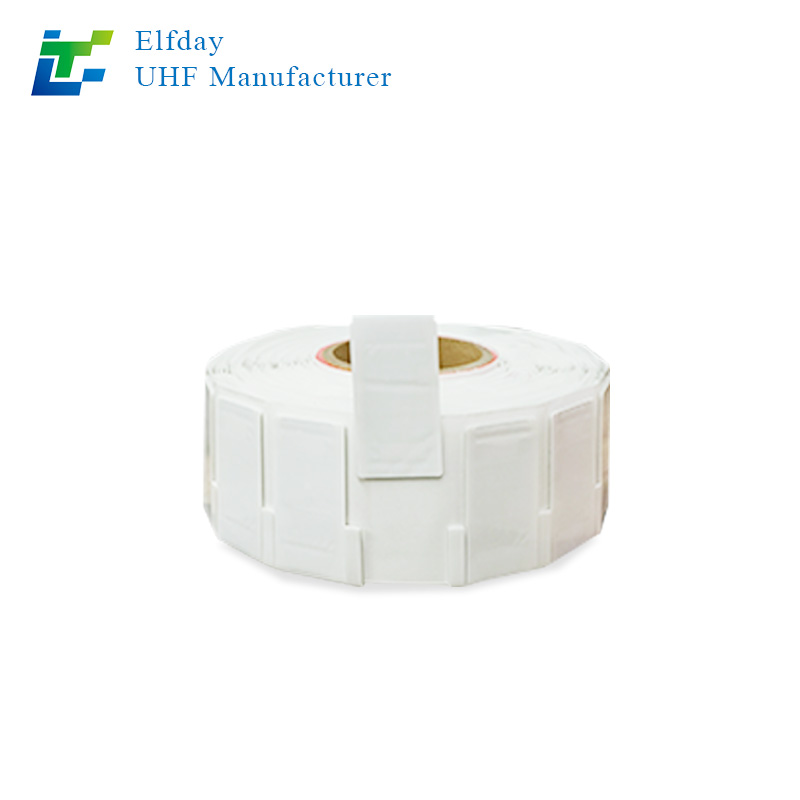
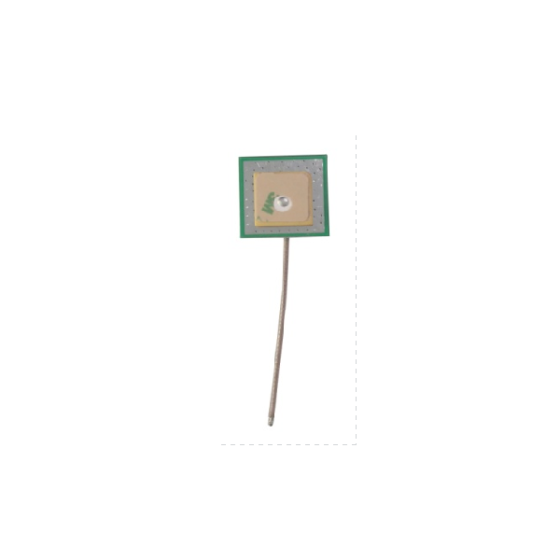
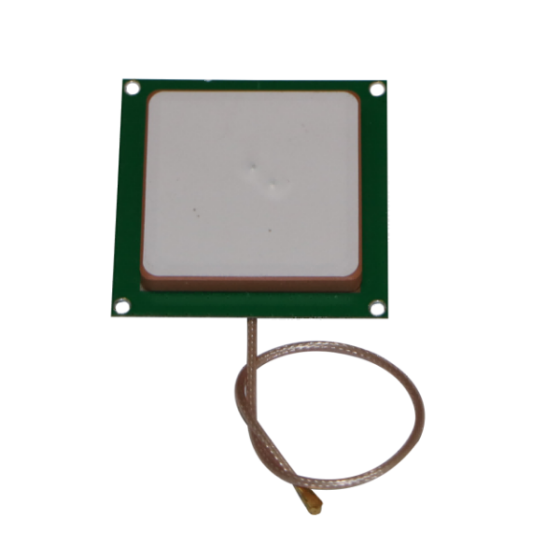
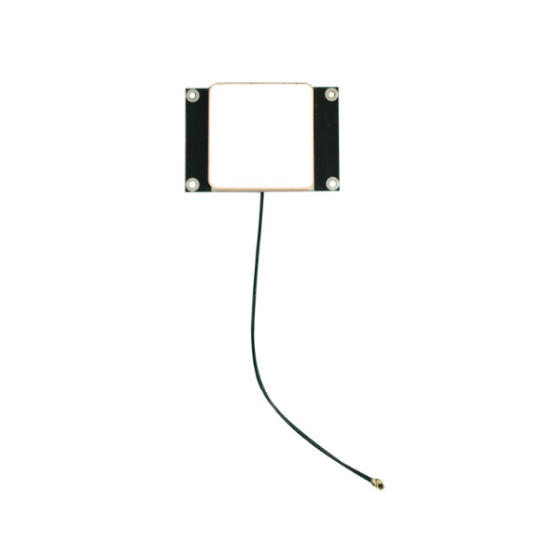
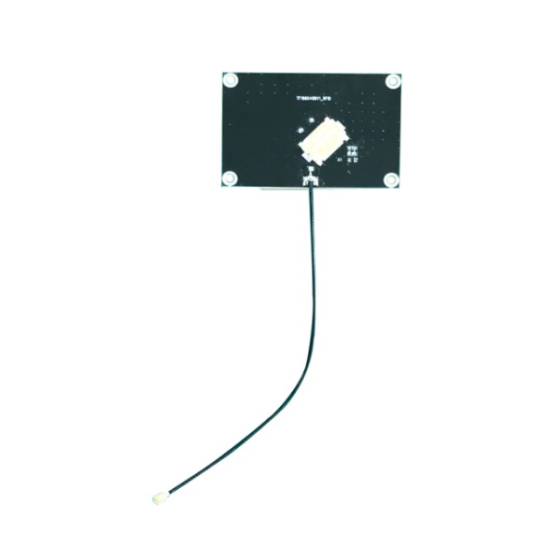
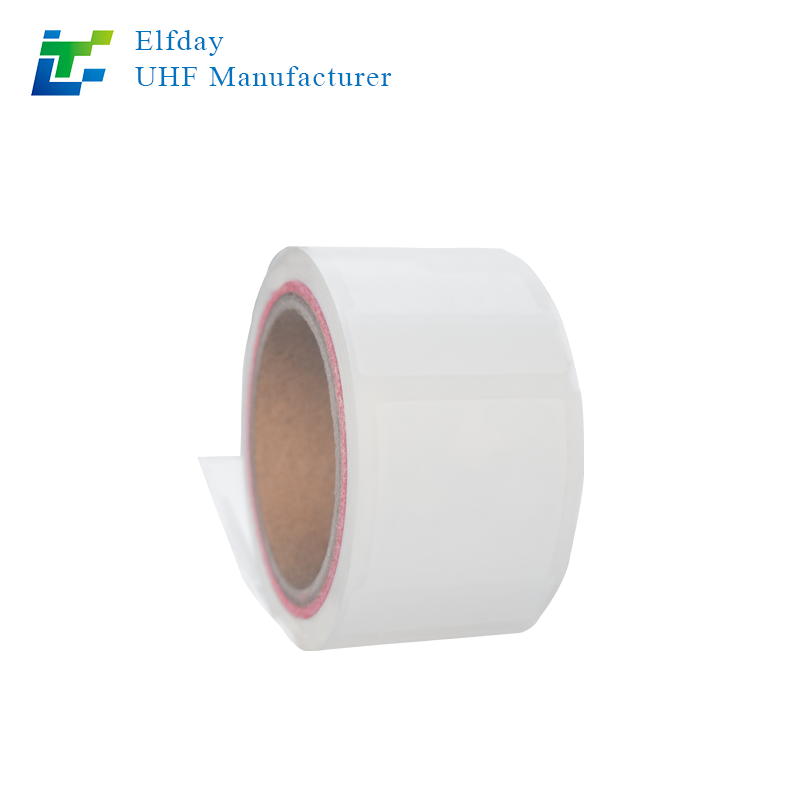
Industrial RFID tags are identification tags designed for use in demanding environments such as warehouses, factories, logistics centers, and distribution facilities. Each tag contains an RFID chip and antenna that can store or transmit identification data when detected by a compatible RFID reader.
Unlike traditional barcode labels, RFID tags do not always require direct line-of-sight between the tag and reader. This makes them useful when products are stacked on pallets, placed inside containers, or moving through warehouse receiving and shipping areas.
Depending on the application, industrial RFID tags can be available in different sizes, materials, reading ranges, and mounting options. Some versions are designed for plastic or cardboard surfaces, while specialized tags can be used on metal equipment and industrial assets.
How Industrial RFID Tags Improve Warehouse Inventory Management
The main advantage of RFID is the ability to identify multiple tagged items efficiently. Instead of scanning individual barcodes one at a time, an RFID reader can detect several tags within its reading area.
This can support a range of warehouse activities.
Faster Receiving
Receiving is one of the busiest stages of warehouse operations. Employees may need to verify incoming pallets, cartons, and products against purchase orders or shipment records.
Industrial RFID tags can help automate item identification during receiving. When tagged goods pass through an RFID reading area, the system can capture their identification information and send it to inventory software.
This can reduce repetitive scanning and help warehouse teams process incoming shipments more efficiently.
More Efficient Inventory Counting
Traditional inventory counting can require employees to locate products, read individual barcodes, and manually record quantities. The process becomes increasingly time-consuming as inventory levels grow.
With industrial RFID tags, workers can use handheld RFID readers to identify multiple tagged items while moving through storage areas. This can make cycle counts and inventory audits faster while reducing the amount of manual data entry.
Easier Pallet and Carton Tracking
Pallets and cartons frequently move between receiving docks, storage locations, picking areas, and shipping zones. Without an effective identification system, it can be difficult to know where a particular item is located.
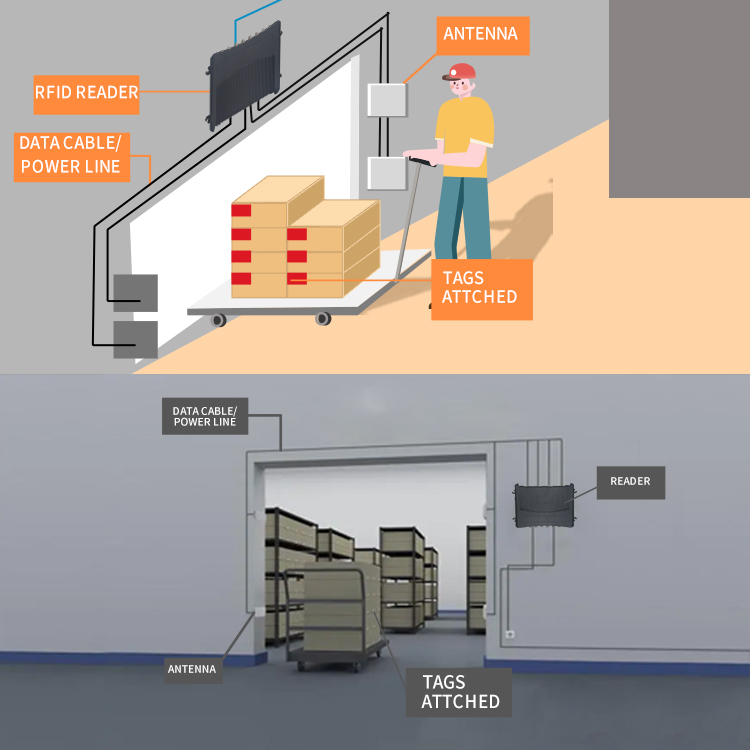
RFID tags can give each pallet, carton, or container a unique identity. RFID readers positioned at key points can capture tag information as items move through the warehouse.
This creates better visibility into inventory movement and can help employees locate goods more efficiently.
Streamlined Picking Operations
Order picking requires employees to find the correct products and quantities quickly. When inventory records are inaccurate, workers may spend additional time searching for items or checking stock manually.
Industrial RFID tags can support product identification during picking. RFID systems can help associate tagged items with warehouse records, making it easier to verify products and maintain more accurate inventory information.
Smoother Shipping
Shipping errors can lead to delayed orders, additional labor, and customer dissatisfaction. Before products leave a warehouse, employees need to confirm that the correct items are being loaded.
RFID technology can help identify tagged pallets, cartons, and containers during the shipping process. Multiple items can potentially be captured as they move through an RFID reading zone, helping warehouse teams verify shipments more efficiently.
Where Can Industrial RFID Tags Be Used in a Warehouse?
Industrial RFID tags can be applied to many different warehouse assets and inventory types.
Common examples include:
- Pallets
- Cartons
- Reusable containers
- Plastic totes
- Storage bins
- Industrial racks
- Returnable transport items
- Finished products
- Raw materials
- Spare parts
- Tools and equipment
The best tag type depends on the surface, environment, reading distance, and expected usage. For example, a tag used on a cardboard carton may have different requirements from one attached to a metal container.
Industrial RFID Tags vs. Barcode Labels
Barcodes remain widely used because they are affordable and easy to implement. However, they typically require a scanner to have a clear view of the printed code.
RFID provides a different approach. Tags can often be detected without direct visual alignment, and multiple tags may be read within the same reading area.
| Feature | Industrial RFID Tags | Barcode Labels |
|---|---|---|
| Direct line-of-sight | Often not required | Generally required |
| Multiple-item identification | Possible | Usually one at a time |
| Manual scanning | Can be reduced | Usually required |
| Data capture speed | Fast for multiple tagged items | Depends on individual scans |
| Reusable applications | Available | Usually less suitable |
| Challenging environments | Specialized options available | Labels may be vulnerable to damage |
RFID does not necessarily replace barcodes in every warehouse. Many businesses use both technologies depending on the specific workflow and cost requirements.
Choosing the Right Industrial RFID Tags
Not every RFID tag is suitable for every warehouse application. Several factors should be considered before selecting a tag.
1. Tag Material
The tag material should match the operating environment. Warehouses may have exposure to moisture, dust, chemicals, impact, or temperature changes.
2. Mounting Surface
The surface being tagged is important. Cardboard, plastic, wood, and metal can affect RFID performance differently.
For metal pallets, containers, and equipment, specialized on-metal RFID tags may provide better performance than standard labels.
3. Reading Distance
Consider how far away the RFID reader needs to identify the tag. Applications using handheld readers may have different requirements from fixed readers installed at warehouse entrances.
4. Durability
If tags will remain on reusable containers, pallets, or equipment for extended periods, they may need to withstand repeated handling and environmental exposure.
5. RFID Frequency
UHF RFID is commonly considered for warehouse inventory applications because it can support relatively fast identification over useful reading distances. However, the appropriate RFID technology depends on the specific environment and system design.
Building a More Connected Warehouse
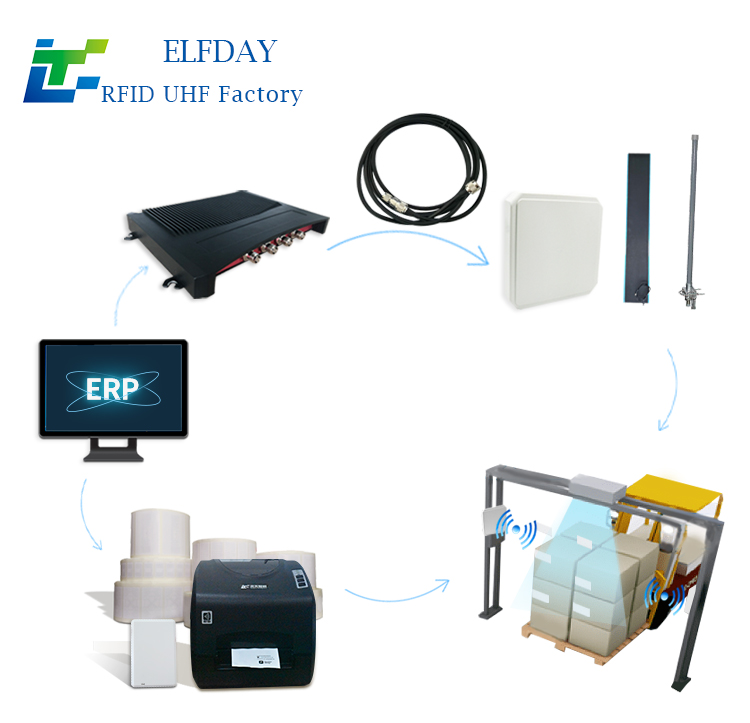
The value of industrial RFID tags extends beyond simply replacing manual barcode scans. When RFID readers, tags, and inventory software work together, warehouses can create a more connected flow of inventory information.
For example, a pallet can receive a unique RFID identity when it arrives at the receiving dock. As it moves into storage, through picking, and eventually to shipping, RFID readers can capture its movement at different points.
This provides warehouse managers with more timely information about inventory location and movement.
The result can be a smoother workflow from receiving to storage, picking, packing, and shipping.
Benefits of Using Industrial RFID Tags in Warehouses
A well-designed RFID system can provide several operational benefits:
- Faster identification of inventory
- Reduced manual scanning
- More efficient inventory counting
- Better pallet and container visibility
- Improved tracking of reusable assets
- Easier inventory audits
- Faster receiving and shipping processes
- Reduced time spent searching for items
- Better integration with warehouse management systems
The actual results depend on tag selection, reader placement, warehouse layout, software integration, and the type of inventory being tracked.
Frequently Asked Questions
Can industrial RFID tags be used on pallets?
Yes. RFID tags can be attached to pallets to give each pallet a unique identity. This can help warehouses monitor pallet movement through receiving, storage, picking, and shipping areas.
Can RFID readers identify multiple warehouse items at once?
Yes. One of the key advantages of RFID is that compatible readers can capture information from multiple tags within their reading area. The actual number of tags detected depends on the reader, tag design, environment, distance, and system configuration.
Do industrial RFID tags require direct line-of-sight?
Generally, RFID does not require the same direct visual alignment as barcode scanning. However, materials, tag orientation, reader position, and the surrounding environment can affect RFID performance.
Are industrial RFID tags suitable for metal containers?
They can be. When tagging metal surfaces, it is important to choose RFID tags specifically designed for metal or on-metal applications.
Can RFID tags improve warehouse inventory accuracy?
RFID can help improve inventory visibility by automating identification and reducing some manual scanning activities. However, overall inventory accuracy also depends on system configuration, tag placement, reader coverage, and operational processes.
For warehouses handling large volumes of pallets, cartons, containers, and inventory items, manual identification can become a significant source of labor and delays. Industrial RFID tags provide a practical way to automate physical item identification and improve inventory visibility.
From receiving and inventory counting to picking and shipping, RFID can help warehouse teams capture information faster and reduce repetitive scanning tasks. With the right tags, readers, and software integration, RFID technology can become an important part of a more efficient and connected warehouse operation.