





How to Standardize RFID Tag Specifications Across Multiple Sites
Standardizing RFID tag specifications across multiple sites is essential for ensuring consistent identification, reliable data collection, and seamless system integration. Whether you operate multiple warehouses, manufacturing facilities, distribution centers, or retail locations, using different RFID tags across sites can lead to compatibility issues, inconsistent read performance, higher procurement costs, and unnecessary maintenance complexity.
The goal is not necessarily to use one RFID tag for every application. Instead, organizations should establish a unified RFID specification framework that allows different sites to use compatible, approved tag models based on their operational requirements.
Here is a practical approach to achieving RFID tag standardization.
Assess RFID Requirements Across All Sites
Before selecting standardized RFID tags, evaluate the operational environments and application requirements at each location.
Different sites may have different RFID use cases, such as:
Warehouse inventory tracking
Supply chain and logistics management
Manufacturing process monitoring
Asset tracking
Retail inventory management
Access control and personnel identification
Container and vehicle tracking
Collect the following information from each site:
|
Evaluation Area |
Information to Collect |
|
RFID application |
Inventory, asset tracking, logistics, etc. |
|
Operating environment |
Indoor, outdoor, high-temperature, wet, dusty |
|
Tagged materials |
Metal, plastic, cardboard, glass, fabric |
|
Read distance |
Short-range, medium-range, long-range |
|
RFID frequency |
LF, HF, UHF |
|
Reader equipment |
Reader models and antenna configurations |
|
Installation method |
Adhesive, screw-mounted, embedded, cable-tie |
|
Data requirements |
EPC, TID, User Memory, encoding format |
This assessment helps identify common requirements and application-specific differences.
Establish a Unified RFID Tag Classification System
Instead of allowing every site to purchase RFID tags independently, create a centralized classification system.
A practical structure is to divide RFID tags into standardized product categories.
|
Tag Category |
Typical Applications |
Key Requirements |
|
General-purpose UHF tags |
Cartons, pallets, inventory |
Stable read performance, cost efficiency |
|
On-metal RFID tags |
Metal equipment, tools, containers |
Anti-metal design, reliable performance on metal |
|
Industrial RFID tags |
Manufacturing, industrial assets |
Durability, temperature resistance |
|
Waterproof RFID tags |
Outdoor assets, logistics |
Waterproof and dustproof protection |
|
RFID labels |
Retail, packaging, warehouse goods |
Thin design, adhesive performance |
|
RFID hard tags |
Reusable assets, containers |
Mechanical strength, long service life |
Each category should have a primary approved specification and, where necessary, a limited number of approved alternatives.
This approach provides flexibility without sacrificing standardization.
Define Mandatory RFID Technical Specifications
One of the most important steps is establishing a common technical specification document.
For UHF RFID applications, the following parameters should be standardized wherever possible.
|
Specification |
Standardization Requirements |
|
RFID Frequency |
Define supported regional frequency bands |
|
RFID Protocol |
EPC Gen2 / ISO 18000-63 |
|
Operating Frequency |
Specify the applicable frequency range |
|
Chip Type |
Define approved chip models or performance requirements |
|
EPC Memory |
Establish minimum memory requirements |
|
TID Memory |
Define identification and traceability requirements |
|
Read Performance |
Establish minimum read sensitivity and application-specific read rates |
|
Read Distance |
Define target performance under specified test conditions |
|
Polarization |
Linear or circular, according to the reader antenna configuration |
|
Tag Dimensions |
Define standard size ranges |
|
Antenna Material |
Specify approved materials |
|
Adhesive |
Define adhesive type based on the application |
|
Operating Temperature |
Establish minimum and maximum operating temperatures |
|
IP Rating |
Specify waterproof and dustproof requirements |
|
Data Encoding |
Standardize EPC structure and encoding procedures |
Important: Not every parameter needs to be identical across all RFID tags. For example, an RFID label used on cardboard packaging and an on-metal RFID tag used on industrial equipment have fundamentally different antenna designs.
The objective is to standardize performance requirements, interfaces, and documentation rather than force every application to use the same physical tag.
Standardize RFID Frequency and Communication Protocols
Communication compatibility is critical when multiple sites share RFID infrastructure.
For UHF RFID systems, consider adopting:
EPC Gen2 / ISO 18000-63 as the common air-interface protocol.
Regionally compliant UHF frequency bands.
A consistent EPC numbering and encoding structure.
Compatible RFID reader configurations.
Standardized reader-to-system data interfaces.
For example, UHF RFID frequency allocations differ by region:
|
Region |
Common UHF RFID Band |
|
United States |
902–928 MHz |
|
Europe |
865–868 MHz |
|
China |
920–925 MHz |
Actual permitted frequencies and operating conditions must be verified against local regulations.
For multinational operations, select RFID tags and readers that support the required regional bands rather than assuming one frequency configuration will work everywhere.
Create a Centralized RFID Approved Vendor List
Supplier management is another essential part of standardization.
Different suppliers may offer RFID tags with similar specifications but significantly different actual performance.
Establish a centralized Approved Vendor List (AVL) containing:
Approved RFID manufacturers
Approved tag models
Technical specification sheets
Chip and antenna configurations
Product certifications
Sample test reports
Unit pricing
Minimum order quantities
Production lead times
Warranty and quality policies
Each approved RFID tag model should have a unique internal identification code.
For example:
|
Internal Code |
Tag Type |
Application |
|
RFID-UHF-001 |
General-purpose UHF label |
Carton tracking |
|
RFID-UHF-002 |
On-metal UHF tag |
Equipment tracking |
|
RFID-UHF-003 |
Waterproof UHF tag |
Outdoor asset tracking |
|
RFID-UHF-004 |
Industrial UHF hard tag |
Manufacturing |
This prevents different sites from purchasing incompatible or untested products.
Establish a Unified RFID Testing and Validation Process
Technical specifications alone cannot guarantee consistent RFID performance.
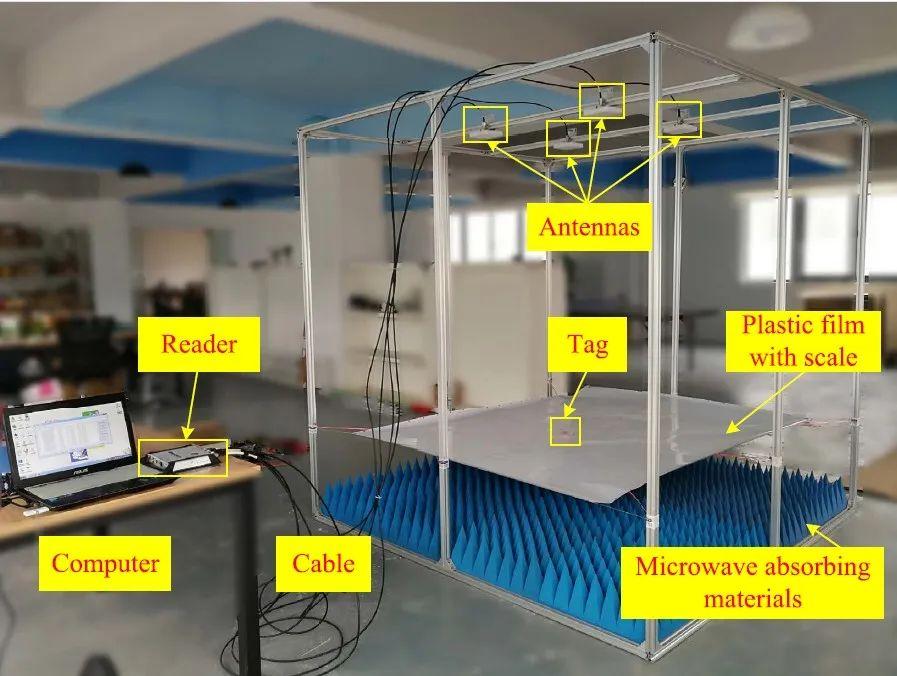
RFID tags should be tested under actual operating conditions before being approved for deployment.
A standardized testing process should include:
1. Read performance testing
Maximum and minimum read distance
Read sensitivity
Read consistency
Read rate under different orientations
Performance with multiple tags in the same reading area
2. Environmental testing
High- and low-temperature resistance
Humidity resistance
Water and dust protection
UV exposure where applicable
Chemical resistance where applicable
3. Material compatibility testing
Performance on cardboard
Performance on plastic
Performance on glass
Performance on metal
Performance on liquid-containing products
A tag should only be added to the approved list after passing the defined tests.
Standardize RFID Data Encoding and Naming Conventions
Physical tag standardization is only one part of the process. Data consistency is equally important.
All sites should follow the same RFID data management rules.
Recommended practices include:
-
Establish a consistent EPC numbering structure.
-
Define unique identification rules for products, assets, pallets, and containers.
-
Standardize data encoding and commissioning procedures.
-
Prevent duplicate EPC assignments.
-
Define access permissions for writing and modifying tag data.
-
Maintain consistent data synchronization between local systems and central databases.
Where applicable, adopt GS1 identification standards to support interoperability across supply chains.
For example, a company can use a common EPC data structure across its warehouses, even when individual locations use different physical tag models.
Implement Centralized Procurement and Change Management
Once the specifications and approved suppliers have been established, implement centralized procurement controls.
A recommended procurement process is:
Site submits RFID requirements
Central team reviews requirements
Selects approved RFID tag model
Supplier and quality verification
Procurement approval and deployment
Any changes to an approved RFID tag should go through a formal change-control process.
For example, replacing an RFID chip, modifying an antenna design, changing adhesive materials, or changing tag dimensions should trigger technical review and, when necessary, revalidation.
This prevents suppliers from making seemingly minor product changes that negatively affect system performance.
Monitor RFID Standardization Across All Sites
Standardization should be an ongoing management process rather than a one-time project.
Establish common performance indicators to evaluate whether all sites are following the same standards.
|
KPI |
What to Monitor |
|
Approved tag usage rate |
Percentage of sites using approved RFID tags |
|
RFID read success rate |
Percentage of successful tag reads |
|
Tag failure rate |
Percentage of defective or non-performing tags |
|
Procurement cost |
Average cost per RFID tag |
|
Supplier quality |
Defect rates and delivery consistency |
|
System compatibility |
Compatibility across readers and software |
|
Inventory accuracy |
Accuracy of RFID-based inventory records |
Conduct regular reviews to identify performance differences between locations and determine whether specifications need updating.
Develop a Centralized RFID Standardization Document
The final step is to create an official RFID Tag Specification Standard that applies to every site.
Your document should include these sections:
|
Document Section |
Required Content |
|
1. General Requirements |
Purpose, scope, applicable sites |
|
2. RFID Technology |
Frequency, protocol, chip requirements |
|
3. Technical Specifications |
Memory, sensitivity, read performance |
|
4. Physical Specifications |
Dimensions, materials, antenna design |
|
5. Environmental Requirements |
Temperature, humidity, IP rating |
|
6. Data Standards |
EPC format, encoding, identification |
|
7. Supplier Requirements |
Approved manufacturers and models |
|
8. Testing Standards |
Performance and environmental validation |
|
9. Procurement Rules |
Purchasing and supplier approval |
|
10. Change Management |
Specification updates and reapproval |
Recommended Implementation Roadmap
A phased implementation makes standardization easier to manage.
-
Phase 1 – Assessment
Collect RFID tag specifications and application requirements from every site.
-
Phase 2 – Classification
Group RFID tags by application and establish common product categories.
-
Phase 3 – Specification Development
Create unified technical requirements and approved tag models.
-
Phase 4 – Testing and Validation
Conduct pilot testing at representative sites.
-
Phase 5 – Deployment
Implement centralized procurement and gradually replace non-compliant tags.
-
Phase 6 – Continuous Improvement
Monitor performance, supplier quality, and compliance across all sites.
Standardizing RFID tag specifications across multiple sites requires more than selecting a common RFID tag. It involves establishing consistent technical requirements, communication protocols, data structures, supplier qualifications, testing procedures, and procurement policies.
The most effective strategy is to establish a centralized RFID standard with application-specific tag categories.
This allows different sites to maintain the flexibility they need while ensuring compatibility, consistent performance, easier procurement, and long-term scalability.