

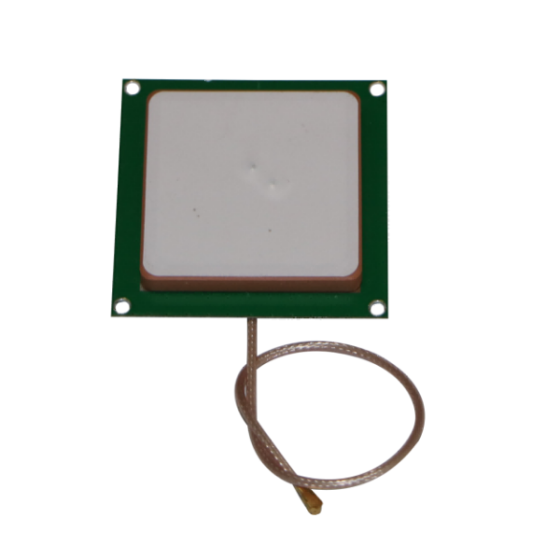
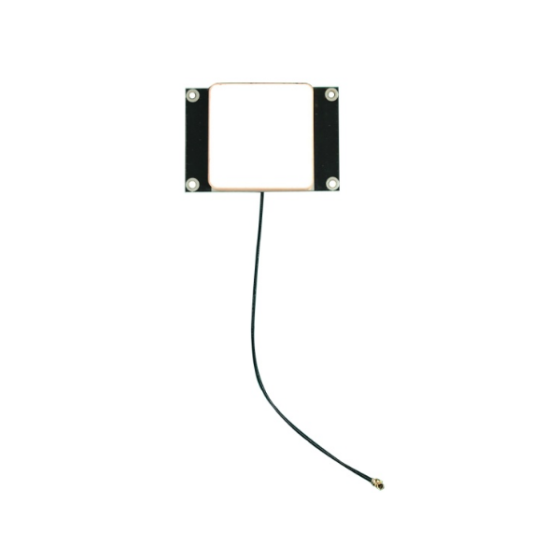
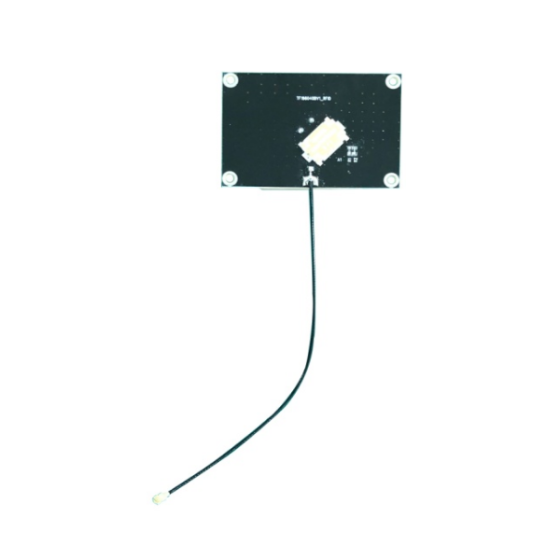


How to Narrow Down RFID Tag Options for Complex Tracking Projects
Selecting RFID tags for a straightforward tracking application can be relatively simple. Complex tracking projects are different. They may involve multiple asset types, varied installation surfaces, demanding operating environments, different reading zones, and several locations that must work within the same tracking system.
In these situations, comparing every available RFID tag can consume considerable time without bringing the project closer to a decision. Some tags may offer suitable read performance but fail to meet durability requirements. Others may fit the installation space but prove difficult to integrate into the existing workflow.
The most effective approach is to narrow the options systematically. By separating essential requirements from preferences, grouping assets by their actual tracking needs, and eliminating unsuitable candidates early, businesses can focus their resources on a smaller number of viable RFID tags.
1. Define the Scope of the Tracking Project
Before comparing RFID tag specifications, establish what the project needs to accomplish.
A complex tracking project often includes several objectives, such as identifying equipment, monitoring reusable containers, locating tools, tracking work-in-progress items, or recording asset movements between facilities.
These objectives may appear similar, but they can create different technical requirements.
For example, a tag attached to a large metal machine may need a specialized mounting design. A tag used on a plastic tote may need to withstand repeated handling and washing. A tag applied to a small component may need to fit within a restricted installation area.
Start by documenting the main elements of the project:
-
Assets: What items need to be identified?
-
Tracking events: Where and when must each item be read?
-
Operating conditions: Will the assets encounter moisture, vibration, chemicals, temperature changes, or frequent handling?
-
Reading requirements: Must tags be identified at close range, across a portal, or while assets are moving?
-
System requirements: Which readers, antennas, software platforms, and data workflows will be used?
-
Deployment scope: Will the solution operate in one controlled area or across multiple facilities?
This information establishes the boundaries for the search. It also prevents teams from evaluating tags that are technically interesting but unsuitable for the actual application.
2. Group Assets by Their Tracking Requirements
One of the most common mistakes in complex RFID projects is assuming that every asset should use the same tag.
Standardization can simplify procurement, installation, and maintenance. However, a single tag design may not perform consistently across metal, plastic, glass, fabric, and other surfaces.
Instead of grouping assets only by their business category, classify them according to the conditions that affect tag selection.
| Asset group | Main consideration | Potential tag direction |
| Metal machinery and equipment | Metal interference and mounting position | RFID tags designed for metal surfaces |
| Plastic totes and reusable containers | Handling frequency and attachment durability | Durable labels or reusable-asset tags |
| Small components | Available space and identification requirements | Compact RFID tags or inlays |
| Outdoor equipment | Moisture, temperature, sunlight, and impact | Weather-resistant industrial tags |
| High-value tools | Retention, identification reliability, and accountability | Robust tags with secure attachment options |
| Mixed materials across multiple sites | Consistency and deployment flexibility | A controlled set of tag types matched to asset groups |
The final tag direction depends on the actual installation and reading conditions. These categories are starting points for screening, not automatic product selections.
When Should You Use Multiple RFID Tag Types?
Multiple tag types may be appropriate when asset groups have substantially different physical or environmental requirements.
For instance, a distribution operation might use one tag design for metal handling equipment and another for plastic containers. Both can still be connected to the same asset database and identification workflow.
The important distinction is between standardizing the tracking process and forcing every asset to use identical hardware.
A practical strategy is to maintain a limited, approved range of RFID tags. Each type should have a clearly defined application, documented specifications, and an established replacement process.
3. Separate Mandatory Requirements From Preferences
Once asset groups have been defined, distinguish requirements that every candidate must meet from features that would simply be beneficial.
This step is essential because complex projects often accumulate long specification lists. If every preference becomes a mandatory requirement, the selection process may eliminate useful options unnecessarily.
Mandatory requirements
Typical non-negotiable conditions include:
-
Compatibility with the RFID frequency and reader infrastructure.
-
Reliable identification under the intended installation conditions.
-
Physical dimensions that fit the available mounting area.
-
Sufficient resistance to the environmental conditions the asset will encounter.
-
An attachment method appropriate for the asset's use and maintenance cycle.
-
Compatibility with the project's data and identification workflow.
Preferred features
Depending on the application, preferences might include a smaller tag footprint, a particular label format, easier visual identification, a specialized housing, or additional customization options.
Record these separately. A candidate that meets all essential requirements should not automatically be rejected because it lacks an optional feature.
A simple requirements matrix can make the distinction clear.
| Requirement | Classification | Evaluation method |
| Reader and frequency compatibility | Mandatory | Verify technical specifications |
| Fit on the target asset | Mandatory | Check dimensions and installation clearance |
| Read performance in the intended zone | Mandatory | Test under representative conditions |
| Environmental resistance | Mandatory when exposure requires it | Review ratings and conduct relevant tests |
| Preferred color or appearance | Optional unless operationally necessary | Visual inspection |
| Custom printing or encoding | Application-dependent | Confirm workflow and supplier capabilities |
| Lowest purchase price | Preference, subject to project constraints | Compare total lifecycle cost |
This matrix gives the team a consistent basis for rejecting unsuitable tags before investing in extensive testing.
4. Screen Candidates by Material and Installation Constraints
A tag's physical installation can be just as important as its electronic specifications.
The same RFID tag may behave differently when mounted on different surfaces. Nearby metal, liquid-containing products, dense materials, or surrounding structures can affect RF performance. Adhesives and mechanical fasteners can also behave differently under real operating conditions.
During initial screening, ask three questions.
First, what surface will the tag be attached to?
Identify the actual mounting material rather than relying on a broad description of the asset. A machine may contain painted steel, exposed metal, plastic covers, and composite panels in different locations.
Second, how much installation space is available?
Consider the tag's complete dimensions, including its housing, mounting features, cable connections if applicable, and required clearance. A tag that fits on paper may still interfere with moving parts or routine maintenance.
Third, how will the tag remain attached?
Possible approaches include adhesive mounting, screws, rivets, brackets, and integrated installation. The appropriate method depends on surface condition, vibration, handling, tampering risks, and whether the tag must eventually be removed.
Eliminate candidates that cannot be installed safely or consistently. For the remaining options, plan a physical fit check using the actual asset or a representative sample.
5. Use Reading Requirements to Reduce the Shortlist
Read range is important, but it should not be treated as a universal ranking metric.
A tag that performs well at a long distance under controlled conditions may not deliver the best results when installed on a specific asset or used in a crowded reading zone.
Define how the tracking system is expected to read each asset.
Consider:
-
Reading distance: How far away must the tag be identified?
-
Reading direction: Can assets approach from different angles?
-
Asset movement: Will items be stationary, carried by workers, or transported through portals?
-
Tag density: How many tagged items may be within the reading area simultaneously?
-
Reading accuracy: What level of missed or unintended reads can the workflow tolerate?
-
Available infrastructure: Which reader and antenna configurations are already installed or planned?
These requirements help identify which specifications deserve the most attention.
For example, a tag for a tool checked out at a workstation may not need the same reading characteristics as a tag on equipment moving through a vehicle gate.
Avoid rejecting candidates solely because their advertised read ranges differ. Compare their expected performance under the same relevant conditions and with compatible reader configurations.
6. Check Environmental Suitability Early
Environmental requirements can eliminate unsuitable options before sample testing begins.
A tracking project may span indoor storage areas, outdoor yards, production lines, washdown zones, refrigerated facilities, or locations where equipment encounters oils and cleaning agents.
Create an exposure profile for each asset group.
| Environmental factor | What to check |
| Moisture and water | Appropriate ingress protection or water-resistance evidence |
| Temperature | Operating and storage temperature limits |
| Sunlight | UV resistance for prolonged outdoor exposure |
| Chemicals | Compatibility with the specific substances involved |
| Vibration and impact | Housing strength and attachment stability |
| Washing and cleaning | Resistance to cleaning methods, pressure, and repeated cycles |
| Dust and debris | Suitability for the actual installation environment |
Do not assume that a tag described as industrial-grade is suitable for every industrial application. Verify the relevant specifications and test the tag against the exposures that matter to the project.
Environmental screening should also consider the attachment method. A durable tag can still become unusable if its adhesive fails or its mounting hardware loosens.
7. Confirm Compatibility With the Existing RFID System
An RFID tag does not operate in isolation. It must work within the wider identification and data-processing system.
Before keeping a candidate on the shortlist, verify the basic technical requirements.
Frequency and protocol
Confirm that the tag uses a frequency supported by the planned readers and that its air-interface protocol is compatible with the infrastructure.
A tag designed for one frequency band is not automatically interchangeable with a tag designed for another.
Encoding and identification
Determine how tag identifiers will be assigned, encoded, recorded, and linked to asset records.
The project may require unique identifiers, a predefined numbering scheme, or integration with an existing asset management platform. Check that the proposed tag and encoding process support those requirements.
Reader and software workflow
Confirm that the complete setup can capture the tag data and pass it to the intended application. If the project relies on additional memory, specific data fields, or a specialized reader configuration, verify those requirements before approving a candidate.
Regional requirements
For projects spanning countries or regions, confirm that the equipment is appropriate for the applicable radio regulations and operating requirements in each location.
Early compatibility checks prevent the team from spending time testing tags that cannot be used in the intended system.
8. Apply a Shortlisting Scorecard
After removing candidates that fail mandatory requirements, use a scorecard to compare the remaining options.
A weighted scorecard helps teams make trade-offs more transparent, especially when operations, IT, procurement, and maintenance personnel have different priorities.
The following example illustrates a possible scoring model. Adjust the weights to reflect the actual project.
| Evaluation criterion | Example weight |
| Read performance in the target application | 25% |
| Environmental suitability and durability | 20% |
| Reader and system compatibility | 15% |
| Installation and attachment suitability | 15% |
| Physical fit and ease of deployment | 10% |
| Lifecycle cost | 10% |
| Supply continuity and documentation | 5% |
| Total | 100% |
Score each surviving candidate on a consistent scale, such as 1 to 5, where 1 means poor suitability and 5 means excellent suitability. Multiply each score by its weight and calculate the overall result.
However, a weighted score should never override a mandatory requirement. A tag that fails an essential compatibility, safety, or environmental condition should be removed even if its overall score looks attractive.
The scorecard is intended to organize judgment, not replace technical validation.
9. Compare Total Cost Rather Than Unit Price Alone
In large or complex projects, the lowest-priced RFID tag may not be the least expensive option over its useful life.
The purchase price is only one part of the cost. Installation labor, reader configuration, replacement frequency, maintenance, downtime, and inventory management can all influence the total cost of ownership.
Evaluate the following cost categories:
-
Initial tag purchase and any customization charges.
-
Installation hardware, tools, and labor.
-
Encoding, commissioning, and system integration.
-
Testing and quality assurance.
-
Replacement tags and maintenance labor.
-
Operational disruption caused by tag failure or identification errors.
-
Storage and procurement costs associated with maintaining multiple tag types.
For example, a less expensive label may be suitable for a disposable package, while a more durable tag may make more sense for equipment that is reused over several years.
The correct comparison depends on the asset's expected service life, the cost of replacing a tag, and the consequences of a tracking failure.
10. Validate the Shortlist With Representative Samples
Desk-based screening narrows the options, but it cannot fully predict field performance.
Before making a large purchase, test a manageable number of candidates under representative operating conditions.
A useful validation process includes:
-
Install each sample as intended. Use the actual asset or a representative surface and the proposed attachment method.
-
Test with the planned reader setup. Keep reader settings, antenna positions, and test procedures consistent when comparing candidates.
-
Reproduce real operating conditions. Include relevant distances, orientations, movement, nearby materials, and tag density.
-
Check environmental and mechanical suitability. Apply relevant handling, cleaning, temperature, or vibration tests when required.
-
Record the results. Document successful reads, missed reads, unintended reads, attachment issues, and other observed problems.
-
Confirm the data workflow. Verify that the captured identifier reaches the correct asset record and supports the intended business process.
Set acceptance criteria before testing begins. These criteria might include a minimum read success rate, acceptable installation time, required resistance to environmental exposure, or successful integration with the asset database.
The purpose of testing is not to prove that a preferred tag works under ideal conditions. It is to determine whether the shortlisted candidates satisfy the project's real requirements.
11. Standardize the Final Selection Across the Project
Once suitable candidates have been validated, document the approved tag types and the applications for which they are permitted.
A practical tag standard should identify:
-
Approved tag model or specification.
-
Intended asset categories and mounting surfaces.
-
Supported reader and frequency configuration.
-
Installation method and placement guidance.
-
Environmental limitations.
-
Encoding and identification requirements.
-
Inspection and replacement procedures.
-
Approved alternatives and supplier documentation.
For multi-site deployments, use the same qualification process at every location. A tag validated in one facility may still require additional verification if another site uses different readers, mounting practices, environmental conditions, or operating workflows.
Keep a controlled process for introducing new tag models. Unapproved substitutions can create inconsistencies in reading performance, installation, maintenance, and spare-parts management.
Common Mistakes When Narrowing Down RFID Tag Options
Choosing one tag for every asset without checking the installation surface. Standardization is valuable, but it should not come at the expense of reliable identification.
Comparing only advertised read range. Actual results depend on the complete tag-reader environment, including the mounting surface and antenna arrangement.
Treating every specification as mandatory. Separating essential requirements from preferences helps preserve viable options.
Ignoring attachment and maintenance. A tag that performs well initially may become unsuitable if it is difficult to install, inspect, or replace.
Selecting the cheapest candidate before calculating lifecycle costs. Installation labor, replacement needs, and operational disruption can outweigh a lower unit price.
Testing samples under unrealistic conditions. Controlled bench tests are useful, but they should be followed by representative application testing.
Failing to document approved alternatives. Without clear standards, later purchasing decisions may introduce incompatible or insufficiently tested tags.
Frequently Asked Questions
How many RFID tag options should remain after initial screening?
There is no fixed number. The goal is to eliminate candidates that fail mandatory requirements and retain a manageable shortlist for meaningful comparison. The right number depends on the diversity of assets, the complexity of the environment, and the amount of testing required.
Should a complex tracking project use multiple RFID tag types?
It can. Multiple tag types may be appropriate when assets have substantially different materials, installation constraints, or environmental exposures. The project can still standardize identification rules, data management, documentation, and purchasing controls.
What is the most important factor when narrowing down RFID tags?
The most important factor is whether a tag meets the project's mandatory requirements under actual operating conditions. Reader compatibility, installation suitability, environmental durability, and read performance should be evaluated together rather than in isolation.
Can RFID tags be selected using technical specifications alone?
No. Specifications are useful for initial screening, but they cannot fully predict performance in every installation. Representative sample testing is needed to verify how a tag behaves on the target asset and within the intended reader setup.
How can businesses avoid unnecessary RFID tag testing?
Define the application clearly, group assets by similar requirements, establish mandatory criteria, and eliminate incompatible candidates before ordering samples. Testing should focus on the remaining options and the conditions most likely to affect project success.
How often should approved RFID tag options be reviewed?
Review the approved list when asset requirements, operating environments, reader infrastructure, regulations, suppliers, or deployment scale change. Periodic reviews can also help identify discontinued products and opportunities to simplify the approved tag range.
Narrowing down RFID tag options for a complex tracking project requires more than comparing product specifications. It involves understanding asset differences, defining mandatory requirements, screening for installation and environmental suitability, confirming system compatibility, and evaluating cost over the asset's useful life.
A structured shortlist reduces wasted testing and helps teams focus on tags that have a realistic chance of succeeding in the final application. Representative sample testing and clear documentation then provide a reliable basis for approval, standardization, and future expansion.
By combining requirement-based screening with practical validation, businesses can make RFID tag selection more efficient without sacrificing tracking reliability.