




How to Define RFID Tag Requirements Before Designing a Tracking System
Designing an RFID tracking system starts with more than choosing readers and antennas. One of the most important steps is defining the RFID tag requirements according to the objects being tracked and the operating environment.
Different applications require different tag designs. A tag suitable for tracking cardboard cartons may not work properly on metal equipment or liquid containers. Selecting an unsuitable tag can lead to inconsistent identification, installation difficulties, and additional system costs.
So, what should businesses consider before selecting RFID tags for a tracking system?
Identify What Needs to Be Tracked
The first step is to define the objects that the RFID system will identify.
Common tracking targets include:
Products and packaging
Warehouse cartons and pallets
Industrial equipment
Tools and reusable containers
Vehicles and logistics assets
The size, material, shape, and movement of these objects influence tag selection.
For example, a small product may require a compact RFID label, while industrial equipment may need a more durable tag with a suitable mounting structure.
Determine the Required Reading Distance
Reading distance is an important factor when defining RFID tag requirements.
Consider how and where the tags will be identified:
Close-range identification at a workstation.
Identification of products on warehouse shelves.
Reading cartons or pallets at warehouse entrances.
Identifying moving items on conveyor systems.
Detecting vehicles at designated access points.
The required reading distance should be evaluated together with the reader, antenna, tag design, and installation environment.
Avoid selecting a tag based only on its advertised reading distance. Actual performance should be tested under representative operating conditions.
Evaluate the Operating Environment
The environment in which an RFID tag operates can significantly affect its suitability.
Before choosing a tag, consider:
| Environmental Factor | What to Consider |
| Metal surfaces | Whether an anti-metal RFID tag is required |
| Liquid exposure | Whether the tag position or design needs adjustment |
| Temperature | Operating and storage temperature requirements |
| Moisture and dust | Required environmental protection |
| Vibration and impact | Housing strength and attachment method |
| Chemicals | Compatibility of tag materials and adhesives |
For example, standard RFID labels may not perform as expected when attached directly to metal. In such cases, specialized anti-metal RFID tags may be more appropriate.
Define the Tag Installation Method
The installation method should be considered before finalizing the tag design.
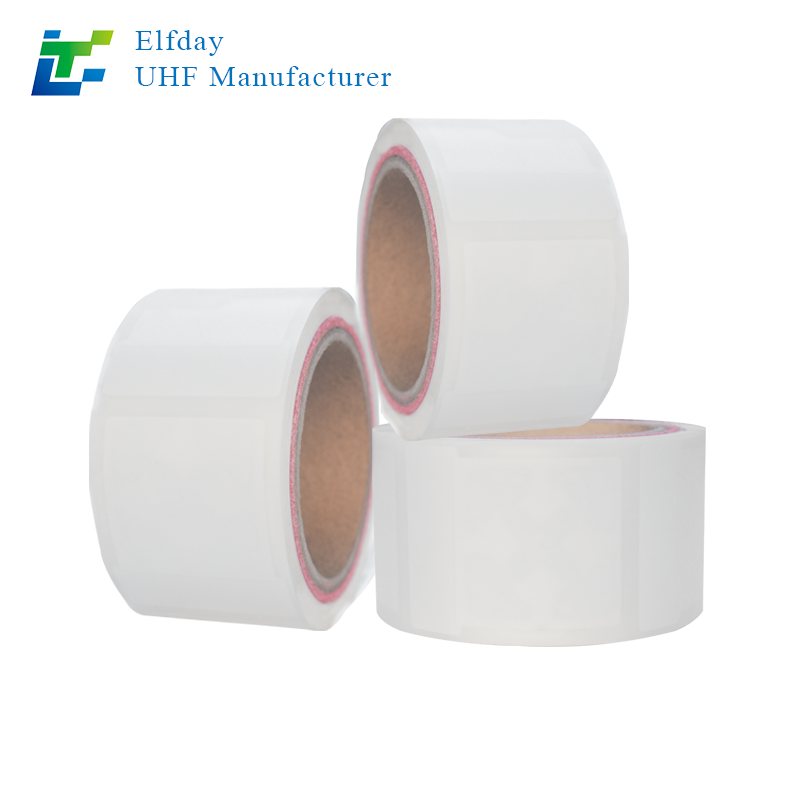
Depending on the object and application, RFID tags may be attached using:
Adhesive backing
Screws or bolts
Rivets
Cable ties or mounting brackets
Embedding into products or equipment
The tag's dimensions, shape, housing, and mounting structure should match the available installation space.
For products with limited space, compact or customized RFID tags may be worth considering.
Choose the Appropriate RFID Frequency
RFID frequency affects communication characteristics and determines which readers and tags can work together.
The main frequency categories include:
LF (Low Frequency): Used in certain proximity identification applications.
HF (High Frequency): Commonly used for contactless cards and selected item identification applications.
UHF (Ultra-High Frequency): Widely used in warehouse inventory, logistics, asset tracking, and industrial identification.
The correct frequency depends on the application, required reading distance, tag format, and existing equipment.
Make sure the selected tags are compatible with the readers and applicable regional frequency regulations.
Define Data and System Compatibility Requirements
An RFID tracking system needs to connect tag identification with useful business information.
Before selecting tags, determine:
-
What identification data each tag needs to carry.
-
Whether a unique identifier is sufficient.
-
Whether additional user memory is required.
-
Which RFID protocols and standards the system supports.
-
Whether the tags are compatible with existing readers and software.
In many tracking applications, the RFID tag only stores an identifier. Product details, asset information, and movement records are maintained in the connected database.
This approach makes it easier to manage information centrally without storing every business detail on the tag.
Test RFID Tags Before Finalizing the System Design
After defining the initial requirements, test candidate tags in the actual application environment.
A practical evaluation should include:
-
Reading performance on the target material.
-
Identification at the intended reading distance.
-
Performance at different tag orientations.
-
Compatibility with selected readers and antennas.
-
Attachment reliability during normal operations.
-
Performance under representative environmental conditions.
Testing helps identify potential problems before large-scale deployment and reduces the risk of choosing unsuitable RFID hardware.
RFID Tag Requirement Checklist
Use the following checklist when preparing an RFID tracking project:
| Requirement | Questions to Answer |
| Tracking target | What products, equipment, or assets need identification? |
| Material | Are the objects made of metal, plastic, cardboard, or other materials? |
| Reading distance | How far away should the tags be identified? |
| Environment | Will tags encounter heat, moisture, dust, vibration, or chemicals? |
| Installation | Will tags use adhesive, screws, brackets, or embedding? |
| Frequency | Is LF, HF, or UHF required? |
| Data | Is a unique identifier sufficient, or is additional memory needed? |
| Compatibility | Do the tags work with the selected readers and software? |
| Testing | Have the tags been evaluated under actual operating conditions? |
Defining RFID tag requirements is an essential step before designing a tracking system. Businesses should first understand the tracking objects, reading distance, operating environment, installation method, frequency, and data requirements.
These factors help determine the appropriate RFID tag type and ensure compatibility with the planned readers, antennas, and software.
Rather than selecting tags based only on price or advertised performance, businesses should evaluate their actual application requirements and test suitable options before deployment.
Looking for RFID tags for warehouse management, industrial equipment, or asset tracking? Explore EFLDAY's RFID tag solutions to find suitable products for your project.

