



How to Choose the Right On Metal RFID Tags for Your Needs
In today’s fast-paced industrial and logistics environments, tracking assets efficiently is no longer optional—it’s essential. Whether you manage a warehouse, a manufacturing plant, or high-value equipment, the accuracy and durability of your tracking system can make all the difference. That’s where on metal RFID tags come into play. These specially designed tags are engineered to perform reliably on metal surfaces, overcoming the limitations of standard RFID tags. But with so many options available, how do you choose the right on metal RFID tags for your needs? Let’s break it down.
Understanding On Metal RFID Tags
Standard RFID tags often struggle when placed on metal objects. Metal can interfere with radio signals, leading to poor read rates and inconsistent performance. On metal RFID tags solve this problem by incorporating materials and designs that allow them to function reliably even when attached directly to metal surfaces. They are widely used in industries like manufacturing, logistics, IT asset management, and healthcare, where tracking metal assets is critical.
Key Factors to Consider When Choosing On Metal RFID Tags
1. Tag Material and Durability
Your environment plays a major role in determining the type of tag you need. On metal RFID tags are available in different materials such as hard plastics, aluminum, or rugged encapsulated designs. Consider factors like temperature, exposure to moisture, chemicals, or physical impact. For outdoor or industrial use, durable tags that resist corrosion and mechanical stress are essential.
2. Read Range and Frequency
Different applications require different read ranges. For example, inventory tracking might need long-range tags, while equipment management may only need a short-range solution. On metal RFID tags operate at various frequencies, including UHF and HF. Selecting the right frequency ensures reliable reading without interference and helps optimize your tracking system’s efficiency.
3. Size and Form Factor
Size matters when placing tags on equipment or products. Smaller tags are ideal for compact assets, but larger tags may offer longer read ranges and better durability. On metal RFID tags come in a variety of shapes and sizes to suit different applications, from small electronic devices to heavy machinery.
4. Adhesive or Mounting Options
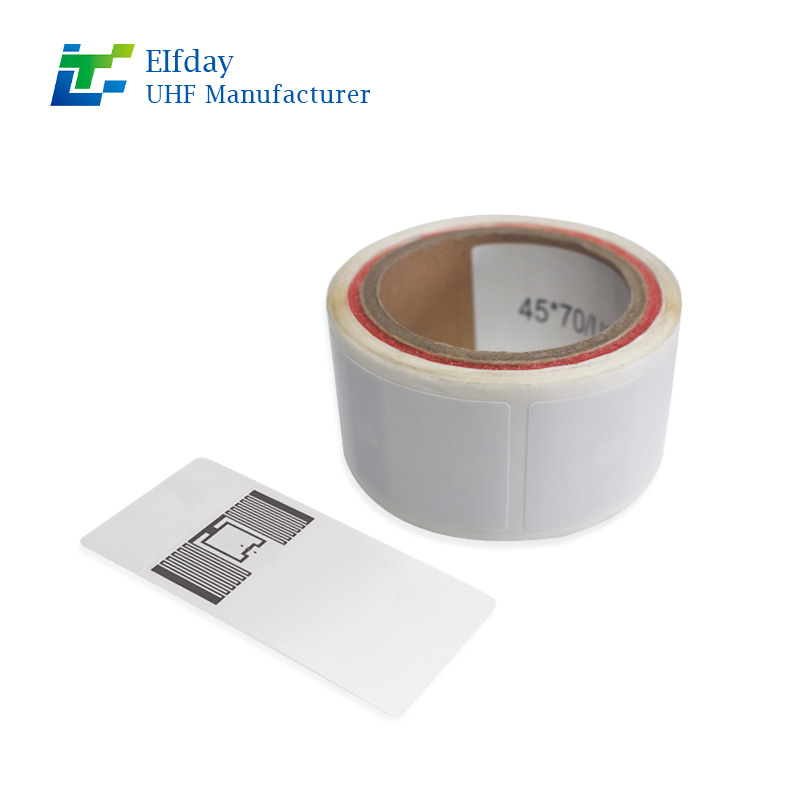
How you attach the tag can affect both performance and convenience. Many on metal RFID tags come with industrial adhesives or mounting holes for screws. Choosing the right mounting option ensures the tag stays securely in place, even in harsh environments.
5. Environmental Compatibility
Consider the operating conditions your assets face. Are they exposed to extreme temperatures, moisture, or chemical cleaning agents? On metal RFID tags designed for industrial conditions often include protective coatings or encapsulation to withstand these challenges, ensuring consistent performance over time.
Benefits of Using On Metal RFID Tags
Investing in on metal RFID tags comes with several advantages. They provide reliable and accurate asset tracking, which reduces losses and improves inventory visibility. They can also streamline operations by speeding up audits, reducing manual labor, and enabling real-time monitoring. For businesses managing valuable or critical assets, this translates into cost savings and improved operational efficiency.
How to Make the Right Choice
Choosing the right on metal RFID tags requires balancing performance, durability, and cost-effectiveness. Start by evaluating your assets and their environment. Determine the read range and frequency you need. Consider the tag’s size, material, and mounting options. Finally, test a few options in your real-world conditions to ensure they meet your requirements.
Final Thoughts
Selecting the right on metal RFID tags isn’t just a technical decision—it’s a strategic one. The right tags enhance efficiency, reduce errors, and protect your valuable assets. By carefully considering material, durability, read range, size, and mounting options, you can choose tags that not only perform well but also support your business goals.
Investing in the right on metal RFID tags today means smoother operations and peace of mind for tomorrow.