



How Metal Tracking Tags Improve Industrial Asset Visibility and Control
In modern industrial environments, managing high-value assets with accuracy and efficiency has become a critical priority. From manufacturing plants and logistics hubs to energy facilities and construction sites, organizations are under constant pressure to reduce losses, improve tracking accuracy, and maintain full visibility over operational assets. This is where metal tracking tags play a transformative role.
Unlike traditional labeling methods, metal-compatible tracking technologies are designed specifically to perform in harsh environments where heat, pressure, moisture, or metal interference would normally cause tracking failures. As industries continue to digitize operations, these tags have become essential tools for improving asset visibility and control.
What Are Metal Tracking Tags?
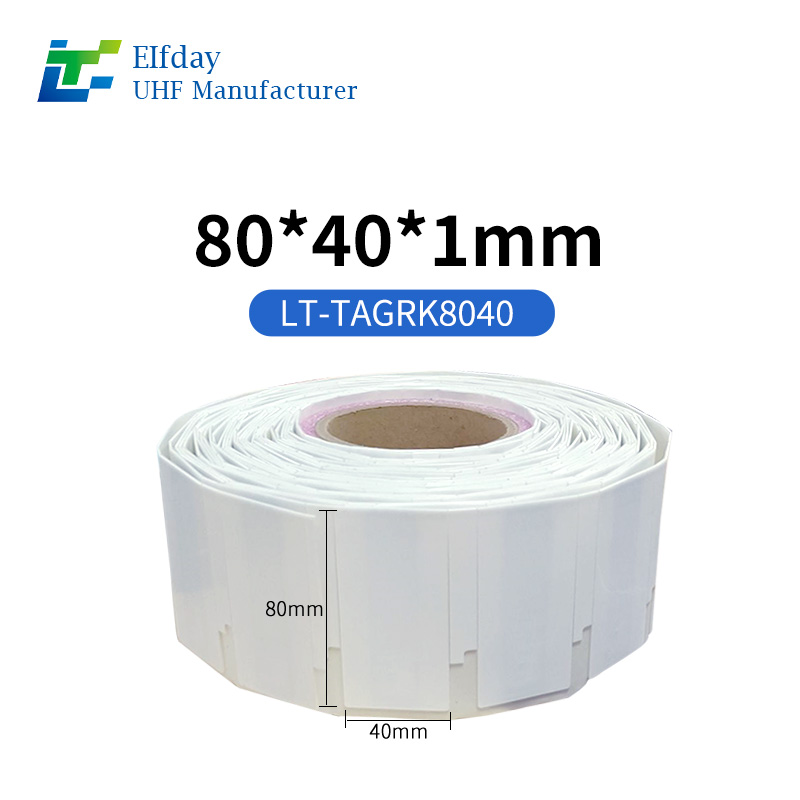
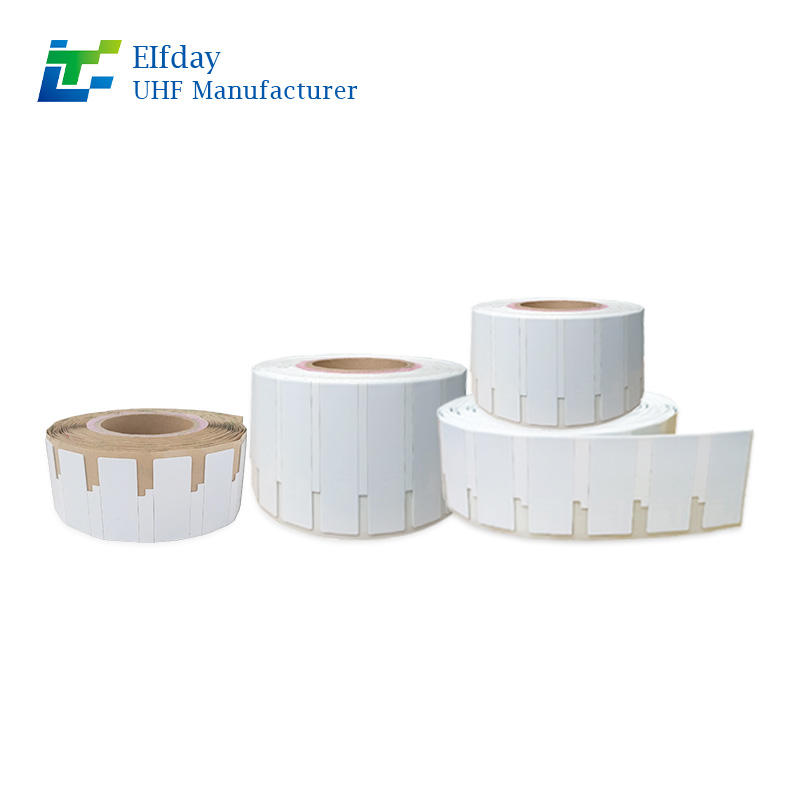
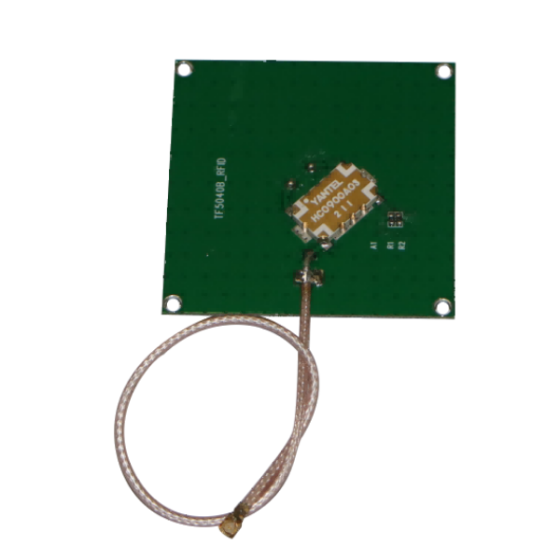
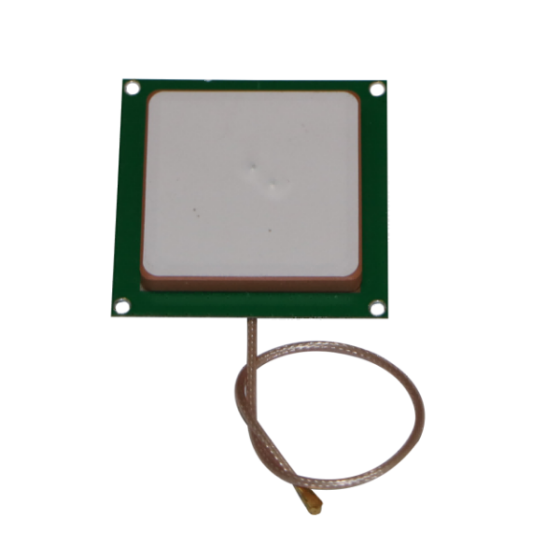
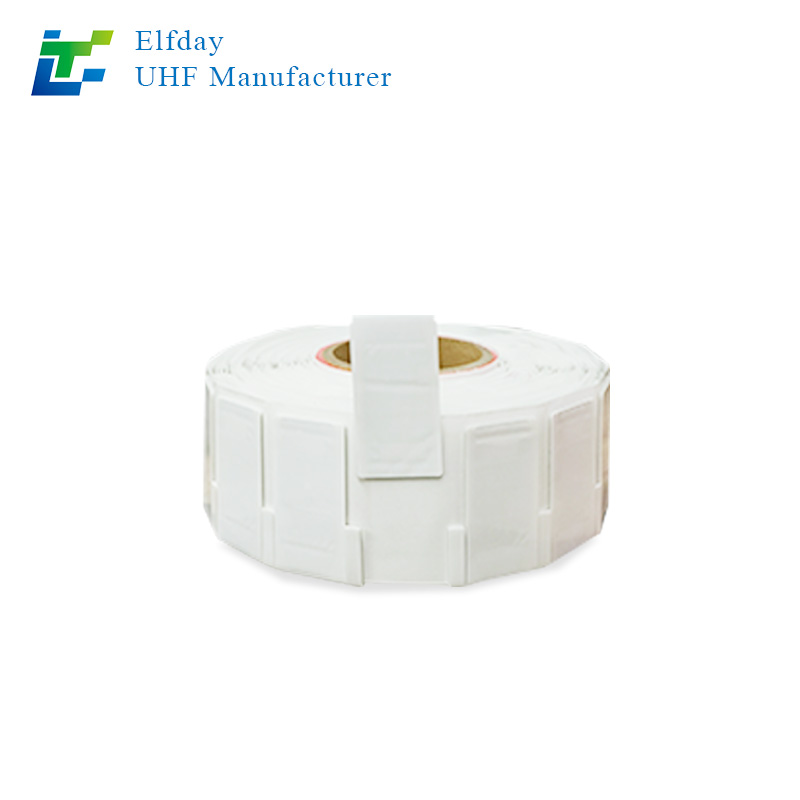
Metal tracking tags are durable identification tools designed to be attached directly to metal surfaces or used in environments with high metal density. They are commonly used in RFID (Radio Frequency Identification) or barcode-based tracking systems to store and transmit asset information.
What makes them unique is their ability to maintain strong readability and performance even when placed on metallic objects, where standard tags often fail due to signal interference.
These tags are widely used in:
- Manufacturing equipment tracking
- Tool and machinery management
- Warehouse asset identification
- Transportation and logistics tracking
- Oil, gas, and heavy industry operations
Why Visibility Matters in Industrial Asset Management
Asset visibility refers to how accurately and in real time a company can track the location, status, and usage of its equipment. Poor visibility often leads to:
- Lost or misplaced assets
- Inefficient equipment utilization
- Increased operational costs
- Delays in production or logistics workflows
- Compliance and audit difficulties
In high-volume industrial settings, even small tracking errors can lead to significant financial losses. This is why many organizations are shifting toward automated identification systems powered by metal tracking tags.
How Metal Tracking Tags Improve Visibility
Metal tracking tags enhance asset visibility by enabling real-time or near real-time tracking across complex environments. Their advantages include:
1. Reliable Performance on Metal Surfaces
Traditional RFID or adhesive labels often fail when applied to metal objects. Metal tracking tags are engineered to overcome signal reflection and interference, ensuring consistent scanning accuracy.
2. Real-Time Asset Monitoring
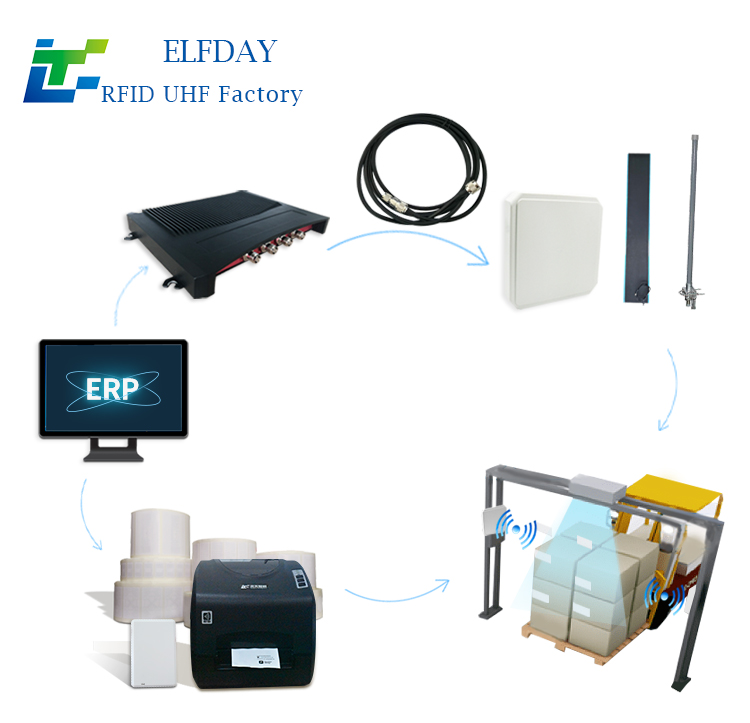
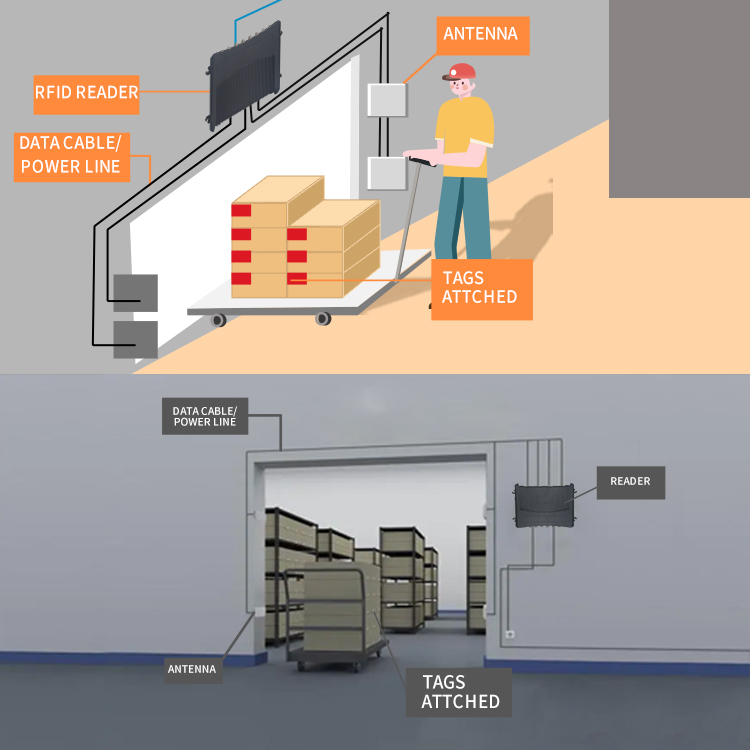
When integrated into digital tracking systems, these tags allow businesses to monitor asset movement across facilities, warehouses, or job sites instantly.
3. Reduced Human Error
Manual tracking systems rely heavily on human input, which increases the risk of mistakes. Automated tagging significantly reduces data entry errors and improves inventory accuracy.
4. Improved Operational Transparency
Managers gain a clearer understanding of asset usage patterns, helping optimize workflows and reduce idle equipment time.
Strengthening Control Over Industrial Assets
Beyond visibility, metal tracking tags also improve control over how assets are managed and utilized.
Enhanced Inventory Accuracy
Organizations can maintain precise records of asset location, status, and availability, reducing discrepancies between digital records and physical inventory.
Faster Auditing and Compliance
With automated tracking data, audits become faster and more accurate, helping companies meet regulatory requirements with less manual effort.
Theft and Loss Prevention
Real-time tracking helps detect unauthorized movement or missing assets early, improving security across the entire supply chain.
Better Resource Allocation
By understanding where and how assets are used, companies can allocate resources more effectively, reducing unnecessary purchases and downtime.
Key Applications Across Industries
The flexibility of metal tracking tags makes them suitable for a wide range of industrial applications:
- Manufacturing: Tracking tools, molds, and machinery components
- Logistics & Warehousing: Managing pallets, containers, and shipments
- Energy Sector: Monitoring equipment in oil rigs and power plants
- Construction: Tracking heavy tools and rental equipment
- Aviation & Automotive: Managing high-value parts and maintenance tools
Each industry benefits from improved efficiency, reduced losses, and more accurate operational insights.
Choosing the Right Metal Tracking Tags
When selecting metal tracking tags for industrial use, consider the following factors:
- Environmental durability (heat, water, chemical resistance)
- Reading range and signal stability
- Attachment method (adhesive, screw-mounted, or embedded)
- Compatibility with existing tracking systems
- Data storage capacity and encoding type
Choosing the right solution ensures long-term reliability and maximum return on investment.
As industries continue to embrace digital transformation, the demand for accurate and reliable asset tracking solutions is growing rapidly. Metal tracking tags provide a powerful solution for improving both visibility and control in complex industrial environments.
By enabling real-time monitoring, reducing human error, and enhancing operational transparency, these tags are becoming a core component of modern asset management systems. Businesses that adopt them early can gain a significant competitive advantage in efficiency, accuracy, and cost control.