



How Inventory Tracking Tags Improve Manufacturing Traceability and Efficiency
Modern manufacturing relies on accurate inventory control to maintain smooth production operations. From raw materials and components to work-in-progress items and finished products, every stage of the manufacturing process requires reliable tracking. Traditional manual inventory methods often lead to inaccurate records, misplaced materials, and production delays.
Inventory tracking tags provide manufacturers with a smarter way to monitor and manage inventory movement. Using RFID technology, these tags enable real-time identification, improve material traceability, reduce inventory errors, and help companies build more efficient production systems.
As manufacturing becomes increasingly automated and data-driven, inventory tracking tags are becoming an essential tool for improving operational visibility and supply chain performance.
What Are Inventory Tracking Tags?
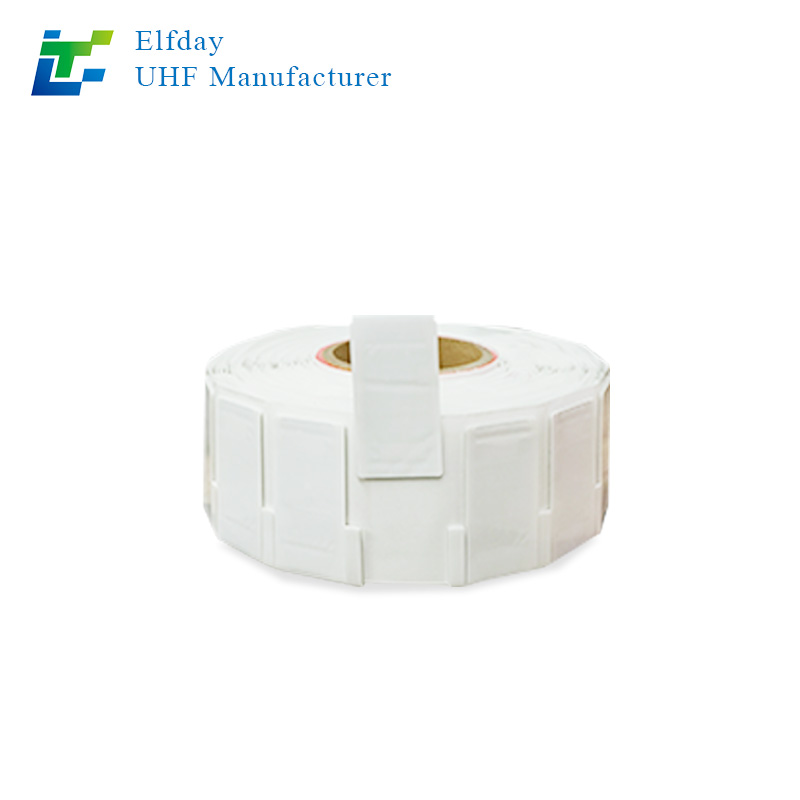
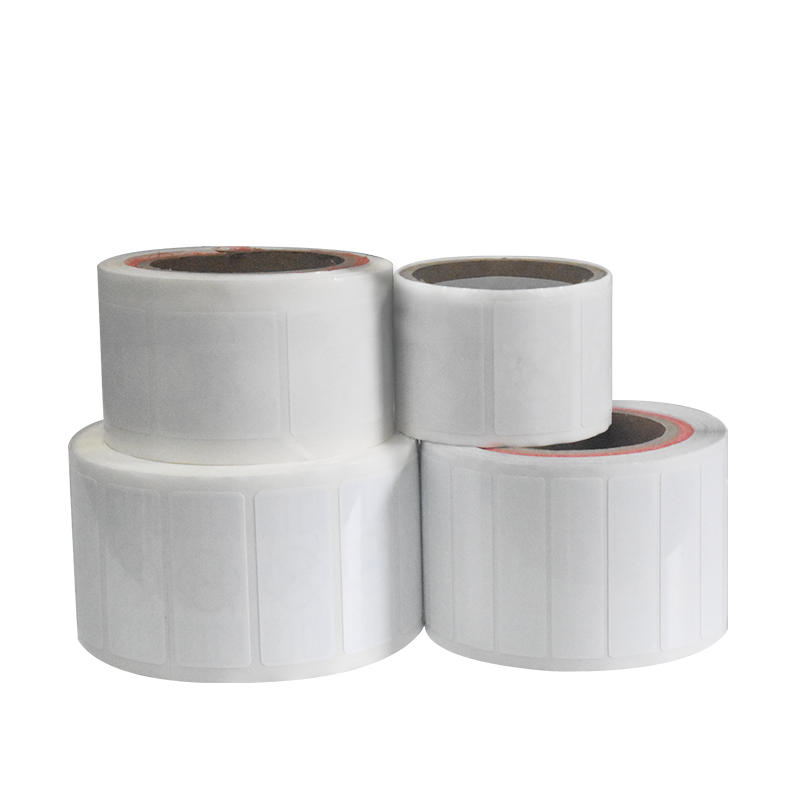
Inventory tracking tags are identification devices attached to materials, products, containers, or equipment to provide real-time tracking information throughout the supply chain. These tags typically use RFID (Radio Frequency Identification) technology, allowing businesses to identify and monitor inventory without requiring direct scanning.
Unlike traditional labels or barcodes that require manual handling, RFID inventory tracking tags can store product information and communicate with RFID readers automatically. This allows manufacturers to quickly locate materials, check inventory levels, and track product movement across different production areas.
Common applications include:
Raw material tracking
Component management
Work-in-progress monitoring
Finished goods identification
Warehouse inventory control
Production line management
By creating a digital connection between physical items and inventory systems, inventory tracking tags help manufacturers achieve greater accuracy and efficiency.
How Inventory Tracking Tags Improve Manufacturing Traceability
1. Real-Time Visibility of Materials and Products
One of the biggest challenges in manufacturing is knowing exactly where materials and products are located at any given time. Delays often occur when employees spend time searching for missing components or verifying inventory records.
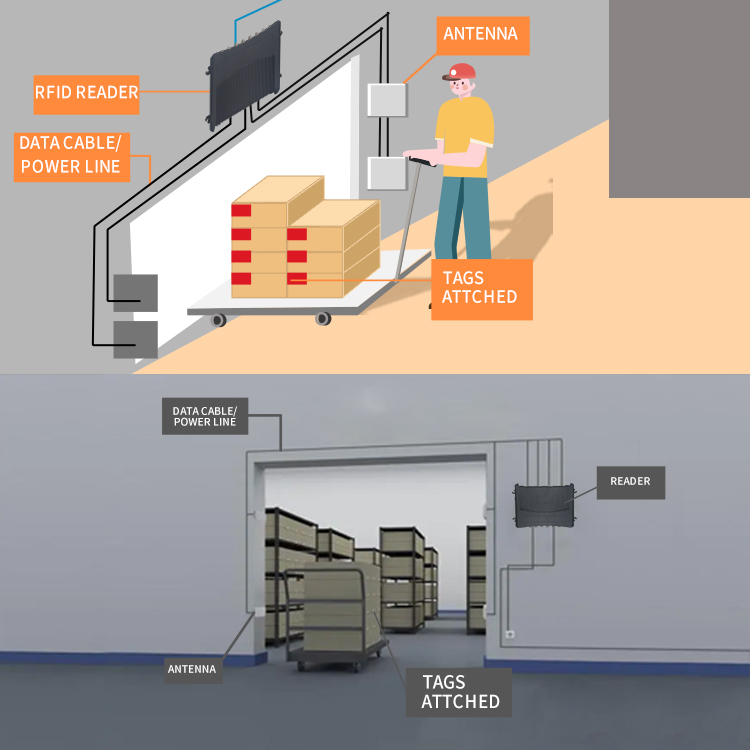
Inventory tracking tags provide real-time visibility by automatically capturing the location and movement of tagged items. Manufacturing teams can quickly identify whether materials are stored in warehouses, moving between production stages, or ready for shipment.
This improved visibility helps reduce downtime and allows production managers to make faster decisions based on accurate inventory data.
2. Enhanced Material Traceability
Manufacturers need detailed records of where materials come from, how they are processed, and where finished products are delivered. This is especially important in industries with strict quality control requirements.
With inventory tracking tags, every tagged item can be assigned a unique digital identity. Manufacturers can track:
Material receiving information
Production history
Processing stages
Quality inspection records
Storage locations
Shipping details
Better traceability helps companies quickly identify issues, improve quality management, and respond more effectively to customer requirements.
3. Reduced Inventory Errors and Shortages
Manual inventory counting can be time-consuming and prone to mistakes. Incorrect stock records may result in unexpected shortages, over-ordering, or production interruptions.
RFID-based inventory tracking tags automatically collect inventory data, reducing dependence on manual entry. Manufacturers can maintain more accurate stock levels and receive better visibility into available materials.
This helps prevent production delays caused by missing components and supports more efficient inventory planning.
The Role of RFID Technology in Inventory Tracking
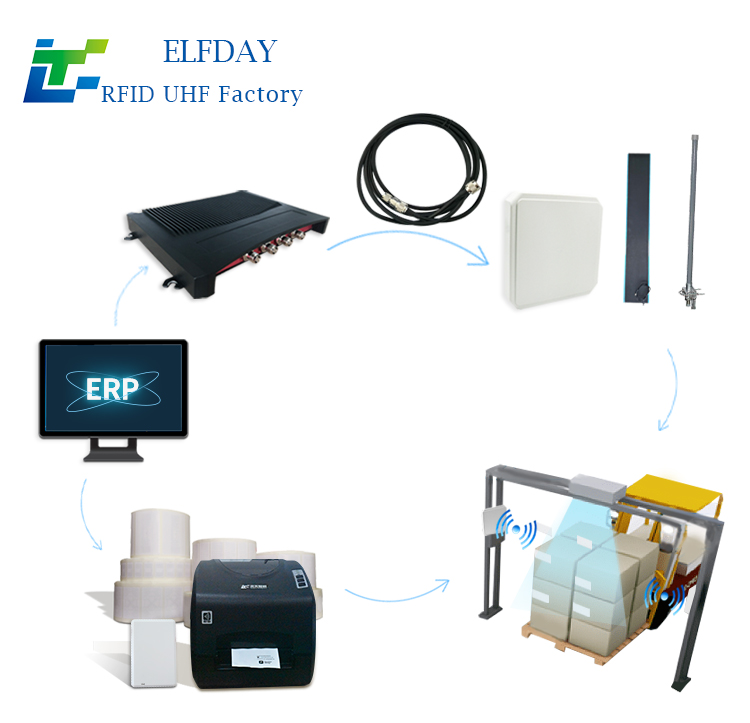
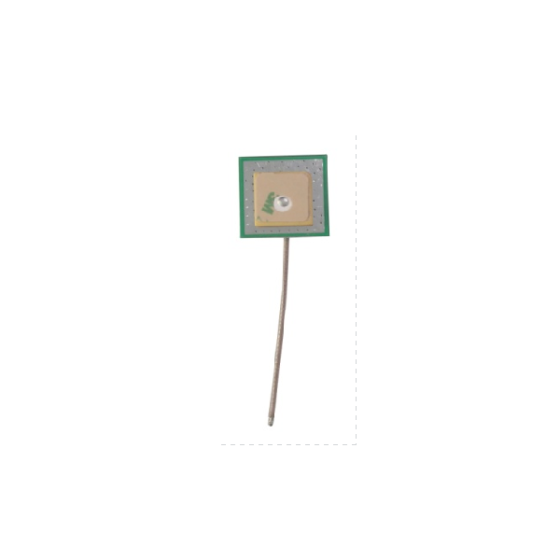
RFID technology is the foundation behind many modern inventory tracking solutions. RFID tags contain electronic information that can be read by compatible devices, allowing multiple items to be identified quickly and accurately.
Compared with traditional barcode systems, RFID inventory tracking tags offer several advantages:
Faster data collection
No direct line-of-sight scanning required
Ability to read multiple tags simultaneously
Improved tracking accuracy
Better automation capabilities
These advantages make RFID inventory tracking tags particularly suitable for large-scale manufacturing environments where thousands of items may move through production and storage areas every day.
Applications of Inventory Tracking Tags in Manufacturing
Raw Material Management
Manufacturers often store large quantities of raw materials before production begins. Inventory tracking tags help monitor material quantities, storage locations, and usage status.
By knowing exactly what materials are available, production teams can reduce waste and ensure that required resources are ready when needed.
Production Process Monitoring
During manufacturing, components may move through multiple assembly and processing stages. Inventory tracking tags allow companies to track work-in-progress items and monitor production flow.
This improves scheduling accuracy and helps identify bottlenecks that may affect manufacturing efficiency.
Finished Product Tracking
After production, finished goods need to be stored, packaged, and shipped accurately. RFID inventory tracking tags provide detailed information about product status and location.
This supports better warehouse organization, faster order fulfillment, and improved customer service.
Benefits of Using Inventory Tracking Tags for Manufacturers
Improved Operational Efficiency
Automated inventory tracking reduces manual work and allows employees to focus on higher-value tasks. Faster identification and data collection improve overall workflow efficiency.
Better Inventory Accuracy
Real-time tracking information helps maintain accurate inventory records and reduces discrepancies between physical stock and digital systems.
Increased Production Reliability
By preventing material shortages and improving planning, inventory tracking tags help manufacturers maintain consistent production schedules.
Stronger Supply Chain Management
Inventory visibility extends beyond the factory floor. Manufacturers can better coordinate suppliers, warehouses, and distribution processes through accurate tracking data.
How to Choose the Right Inventory Tracking Tags
Selecting the right inventory tracking tags depends on several factors, including:
Operating Environment
Manufacturers should consider whether tags will be used in warehouses, production lines, outdoor environments, or areas exposed to heat, moisture, or chemicals.
Reading Distance Requirements
Different RFID tags offer different reading ranges. Large warehouses may require long-range tags, while smaller applications may only need short-distance identification.
Material Compatibility
The surface where a tag is attached can affect RFID performance. Manufacturers should choose tags designed for specific materials such as metal, plastic, wood, or packaging.
Data Requirements
Some applications require simple identification, while others need additional information storage and integration with inventory management systems.
Future Trends of Inventory Tracking Tags in Manufacturing
As smart factories continue to develop, inventory tracking tags will play an increasingly important role in automated manufacturing systems.
Future trends include:
Integration with industrial IoT platforms
AI-powered inventory analysis
Automated warehouse operations
Real-time production optimization
Advanced supply chain visibility
These technologies will help manufacturers create more connected, flexible, and efficient production environments.
Inventory tracking tags are transforming the way manufacturers manage materials, components, and finished products. By providing real-time identification and improved traceability, RFID-based solutions help companies reduce inventory errors, prevent shortages, and improve production efficiency.
For modern manufacturing businesses looking to optimize operations and build smarter supply chains, inventory tracking tags offer a reliable solution for achieving better control, accuracy, and visibility throughout the entire production process.