



How Does an RFID-Based Jewelry Display Case Management System Assist in Verifying the Quantity of Exhibits and Their Display Information?
Jewelry stores, exhibition halls, museums, and luxury brand showrooms often need to manage valuable items displayed in glass cabinets. These displays may contain numerous rings, necklaces, bracelets, watches, and other jewelry pieces. Staff members must not only maintain accurate inventory records but also ensure that every displayed item matches its assigned product information.
Traditional manual counting and visual inspection can be time-consuming, especially when jewelry collections are frequently rearranged or contain many similar-looking pieces. Missing items, incorrect display positions, and inconsistent product information can also make daily management more complicated.
An RFID-based jewelry display case management system provides a more automated approach. By attaching RFID tags to jewelry items and installing RFID readers and antennas around display areas, the system can identify tagged exhibits, compare detected items with inventory records, and assist staff in verifying display quantities and information.
How Does an RFID Jewelry Display Case Management System Work?
An RFID jewelry display case management system uses radio frequency identification technology to identify and manage jewelry items.
Each jewelry item is associated with an RFID tag containing a unique identification number. The tag is linked to a corresponding record in the jewelry management database.
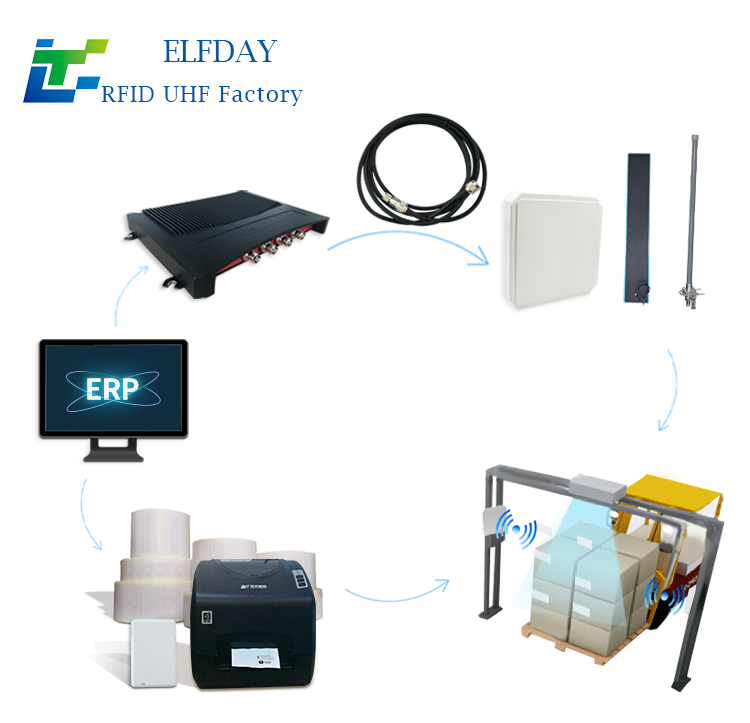
A typical system includes the following components:
-
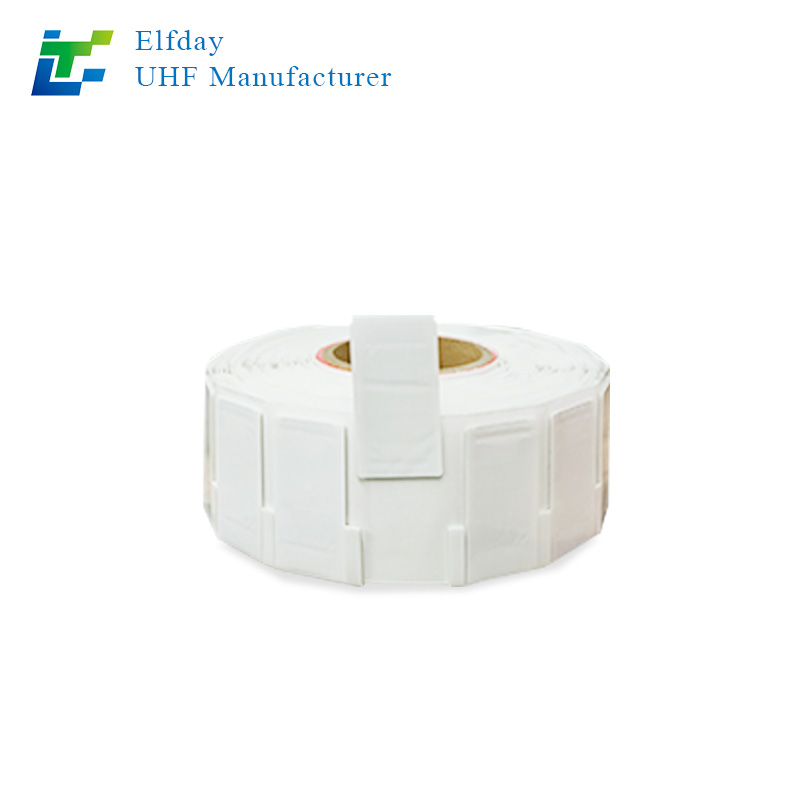
RFID jewelry tags: Each tagged jewelry item has a unique identifier used for identification.
-
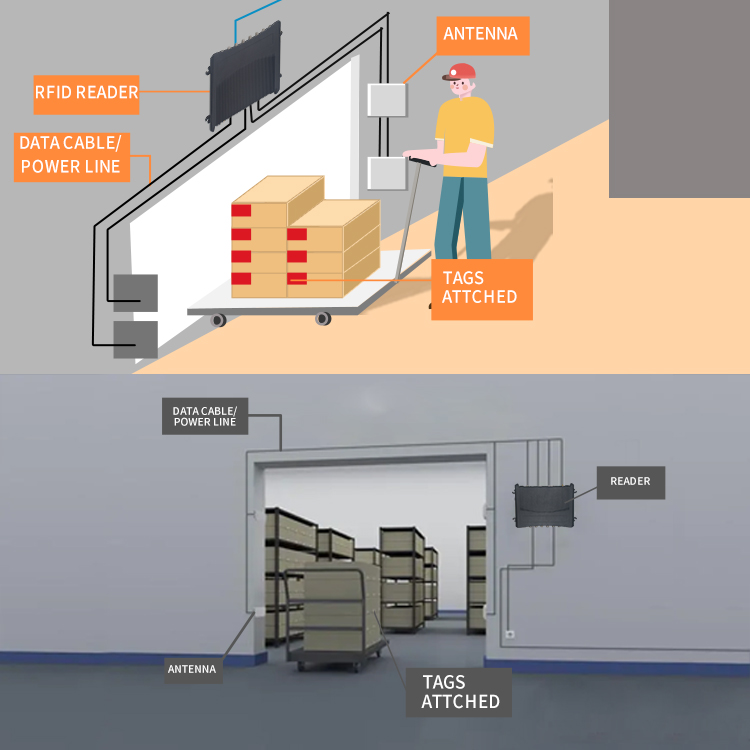
RFID readers: Readers collect identification information from RFID tags within the configured reading area.
-
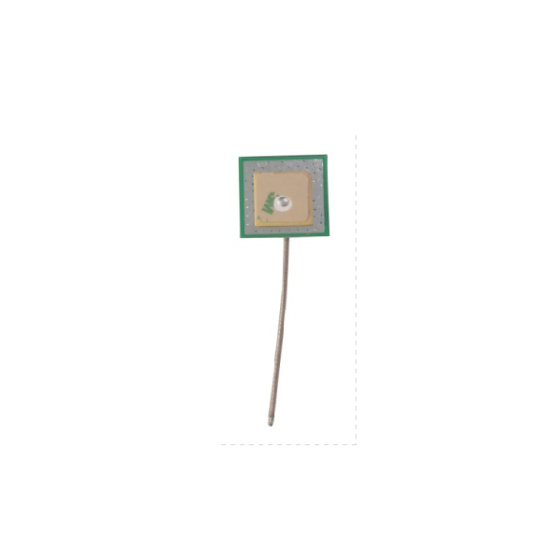
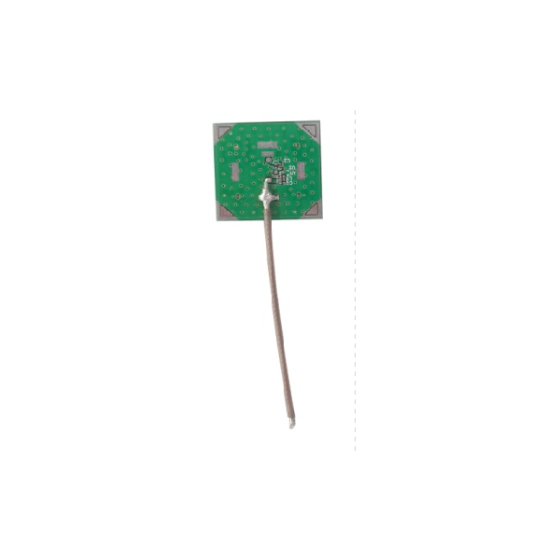
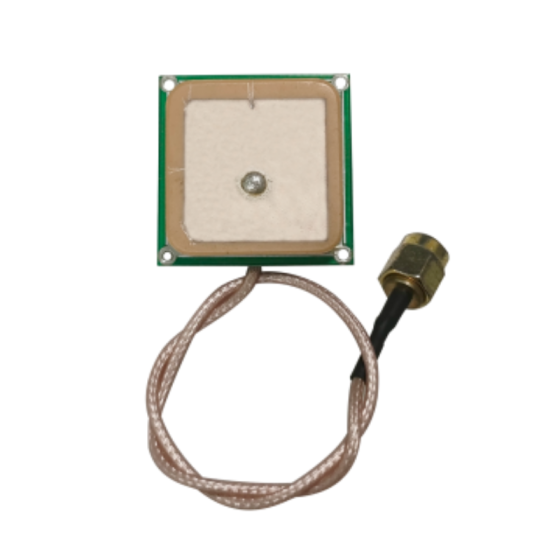
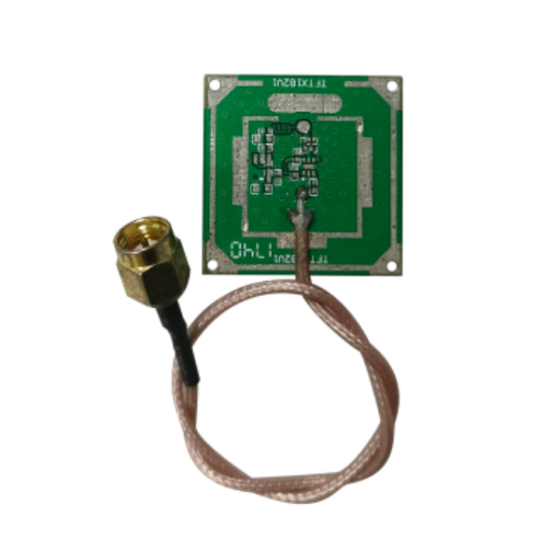
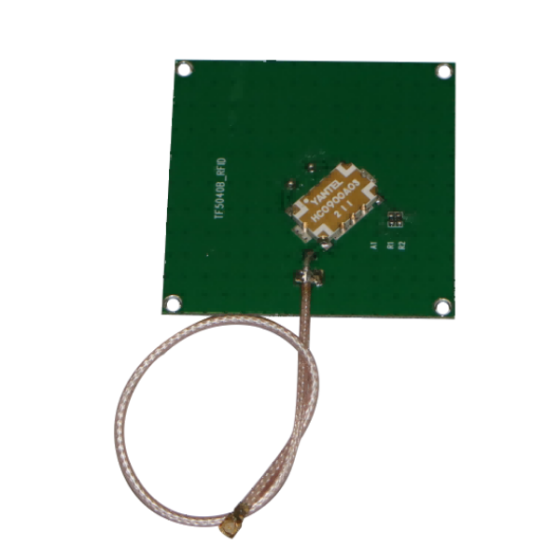
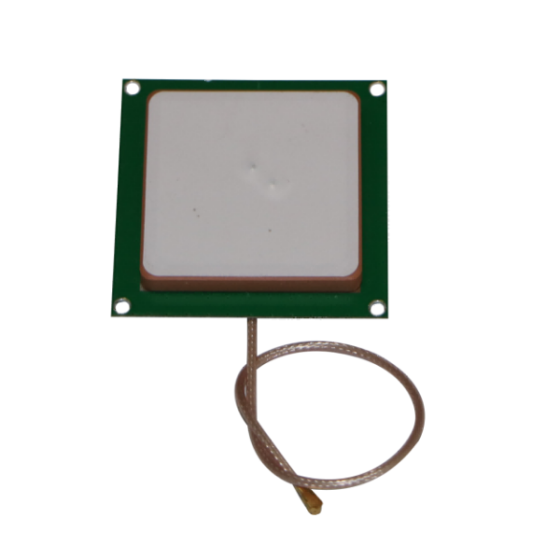
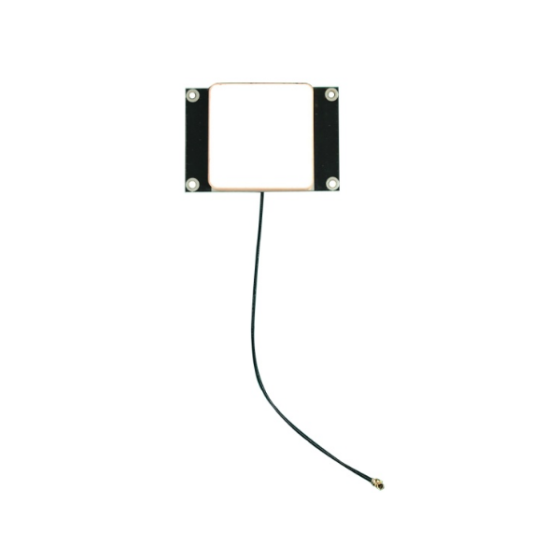
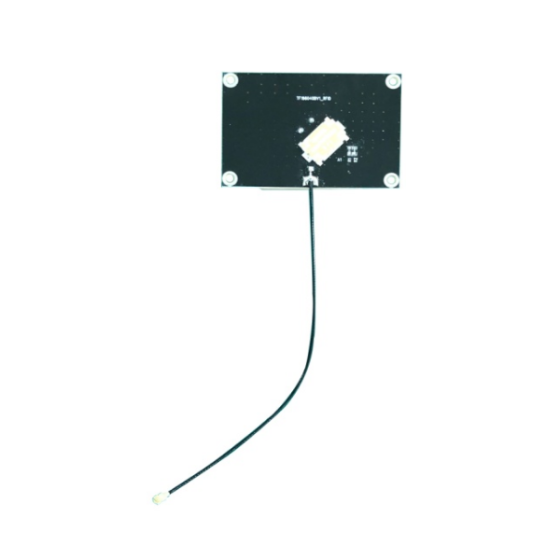
RFID antennas: Antennas help establish RFID coverage around or inside the display cabinet.
-
Display case management software: The software receives RFID data and compares detected items with stored inventory information.
-
Database: The database stores product details, display assignments, inventory records, and other relevant information.
When jewelry items are placed inside an RFID-enabled display cabinet, the system can periodically or manually collect tag information.
The software then compares the detected tag IDs with the expected display records, helping staff understand which items are present and whether the display information is consistent with the configured inventory.
How Does RFID Help Verify the Quantity of Jewelry Exhibits?
One of the main functions of an RFID jewelry display management system is assisting with exhibit quantity verification.
In a traditional process, employees may need to open display cabinets, visually inspect each item, and count jewelry pieces manually. This process can become difficult when cabinets contain many small items or when products have similar appearances.
RFID technology provides an additional identification method.
Automatic Item Identification
When an RFID reader scans the configured display area, it collects the identification numbers of readable RFID tags.
The management software uses these IDs to identify the corresponding jewelry items in its database.
Instead of relying entirely on visual counting, staff can review the list of detected items.
Expected Quantity Comparison
The system can compare the number of detected RFID-tagged items with the expected quantity recorded for a display cabinet.
For example, if a display cabinet is assigned 30 jewelry items and the system detects 29 corresponding tags, it can indicate a quantity discrepancy that requires staff verification.
This does not automatically prove that an item is missing. The tag may be unreadable, improperly positioned, temporarily outside the reading area, or affected by nearby materials.
However, the discrepancy provides a useful starting point for further inspection.

Multi-Item Inventory Checking
RFID readers can identify multiple tags within their reading zones without requiring staff to scan every item individually.
This can make routine inventory checks more convenient, particularly when multiple jewelry pieces are displayed in the same cabinet.
Actual identification performance depends on tag design, antenna configuration, jewelry materials, tag placement, and the cabinet environment. Therefore, the system should be tested with the actual jewelry collection before deployment.
How Does RFID Verify Jewelry Display Information?
Verifying quantity is only one part of jewelry display management. Staff must also ensure that each item is displayed in the correct location and associated with accurate product information.
An RFID-based system can connect each tag ID with a detailed product record.
Depending on the software configuration, this record may include:
-
Jewelry item name.
-
Product or inventory number.
-
Jewelry category.
-
Brand and collection.
-
Material and gemstone information.
-
Weight and product specifications.
-
Display cabinet number.
-
Assigned display position.
-
Current inventory status.
When a tag is detected, the system retrieves its corresponding database record.
Staff can then compare the detected item's assigned information with the actual display arrangement.
For example, if a necklace is assigned to Cabinet A, Position 03, but its tag is detected in another configured display area, the system may flag a possible placement discrepancy.
This helps reduce reliance on handwritten labels and manual product-information checks.
How Can RFID Help Identify Missing or Unexpected Jewelry Items?
Valuable jewelry requires careful management because display discrepancies may need immediate attention.
An RFID display management system can compare the detected tag list with the expected list for each cabinet.
Three common situations can be identified.
Missing Items
If an expected RFID tag is not detected during a verification process, the software can display the item as not detected.
Staff can then inspect the corresponding display position and check whether the jewelry has been moved, removed, or incorrectly placed.
Unexpected Items
If the system detects an RFID tag that is not included in the expected inventory list for a particular cabinet, it can identify a possible unexpected item.
This may happen when jewelry is moved between display areas without updating the system records.
Display Position Differences
When the system supports individual reading zones or position-level identification, it may help determine whether an item is detected in its assigned display area.
However, ordinary RFID detection within a cabinet does not always provide exact item-level positioning. Accurate position verification may require multiple antennas, carefully designed read zones, or additional positioning technologies.
These functions help staff investigate discrepancies more efficiently.
How Does RFID Support Real-Time Display Monitoring?
An RFID jewelry display system can be configured to collect tag information at scheduled intervals or during specific inventory operations.
Depending on the reader and software configuration, the system may support:
-
Periodic inventory verification.
-
Display cabinet status monitoring.
-
Detection of changes in tagged item presence.
-
Alerts when expected tags are no longer detected.
-
Records of inventory verification results.
For example, a jewelry store may configure its system to check display cabinets at regular intervals during business hours.
If an expected item is no longer detected, the system can generate a notification for staff to investigate.
It is important to distinguish between an RFID detection event and a confirmed security incident. A tag may temporarily disappear from the reading area because of interference, tag orientation, or other technical conditions.
For this reason, RFID alerts should be combined with appropriate staff procedures and physical security measures.
How Can RFID Improve Jewelry Display Information Management?
In addition to inventory verification, RFID technology can help businesses maintain more consistent display information.
Each RFID tag acts as an identification link between a physical jewelry item and its digital record.
This allows the system to support several management activities.
Centralized product information
Staff can access the corresponding product record through the management software instead of relying exclusively on separate paper labels or spreadsheets.
Display assignment management
Jewelry items can be associated with specific cabinets, display sections, or designated positions.
Information updates
When product details or display assignments change, authorized employees can update the database.
Inventory record consistency
RFID identification can help compare physical items with digital inventory records and highlight potential discrepancies.
For jewelry businesses managing multiple display cabinets or retail locations, centralized records can make information management more organized.
What RFID Tags and Readers Are Suitable for Jewelry Display Cabinets?
Jewelry display environments have special requirements.
Many jewelry items contain metal, including gold, silver, platinum, and metal-based watch components. These materials can influence RFID communication, making tag selection and antenna configuration especially important.
Small and Lightweight RFID Tags
Jewelry items often have limited mounting space. Compact RFID tags may be suitable for small products, provided their physical dimensions and RF characteristics meet the application's requirements.
RFID Tags Designed for Metal Applications
Metal jewelry can affect the performance of conventional RFID tags.
Depending on the product and mounting method, specialized tag designs may be needed to achieve suitable communication performance.
RFID Readers and Antennas
The reader and antenna configuration should match the display cabinet's dimensions, materials, and expected reading zones.
For example, a cabinet with multiple shelves may require a different antenna arrangement from a smaller display case with a single reading area.
Software and System Integration
The management software should support the required functions, such as item identification, quantity comparison, display assignment, discrepancy reporting, and inventory record updates.
A complete system should be designed around the jewelry products and actual cabinet structure rather than selecting hardware independently.
What Should Be Considered Before Deploying an RFID Jewelry Display System?
Before installing an RFID system, businesses should conduct a practical assessment of their jewelry collection and display environment.
Important considerations include:
-
Jewelry materials: Identify the types of metals and other materials used in the displayed products.
-
Tag installation: Determine where RFID tags can be attached without affecting product appearance or usability.
-
Cabinet construction: Evaluate glass, metal frames, shelves, and other structural materials.
-
Reading coverage: Plan antenna positions and reading zones for each display area.
-
Tag identification: Verify that each jewelry item is associated with the correct database record.
-
System integration: Determine whether the RFID software needs to connect with an existing inventory or retail management system.
-
Testing: Test representative jewelry items under actual display conditions before large-scale deployment.
A pilot installation is particularly important because jewelry products can differ significantly in size, shape, material, and tag installation possibilities.
What Are the Main Benefits of RFID Jewelry Display Case Management?
When properly designed and implemented, an RFID jewelry display management system can support several operational improvements.
| Management requirement | How RFID helps |
| Exhibit quantity verification | Compares detected tag IDs with expected inventory records |
| Jewelry identification | Associates each RFID tag with a unique product record |
| Display information checking | Helps verify assigned cabinet and display information |
| Missing-item investigation | Highlights expected tags that are not detected |
| Unexpected-item checking | Identifies tags that do not match the assigned display inventory |
| Routine inventory checks | Supports faster multi-item identification |
| Record management | Connects physical jewelry items with digital inventory data |
The actual benefits depend on tag performance, reader configuration, software functions, and staff operating procedures.
RFID should be treated as an inventory identification and verification tool rather than a replacement for all physical security measures.
An RFID-based jewelry display case management system helps businesses verify exhibit quantities and manage display information by connecting each jewelry item with a unique RFID identification record.
Through RFID tags, readers, antennas, and management software, the system can identify readable items, compare detected quantities with expected inventory, and highlight potential display discrepancies.
For jewelry stores, exhibition halls, museums, and luxury showrooms, this approach can make routine inventory verification more organized and reduce dependence on manual counting alone.
However, jewelry materials, tag dimensions, cabinet construction, and antenna placement must all be considered to achieve suitable identification performance.
Looking for RFID solutions for jewelry display case management? EFLDAY can help evaluate RFID tag selection, reader configuration, antenna placement, and customized identification solutions for jewelry inventory and display applications.