

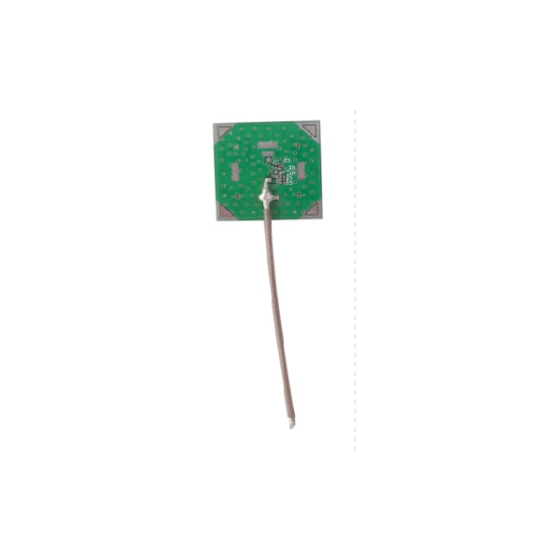
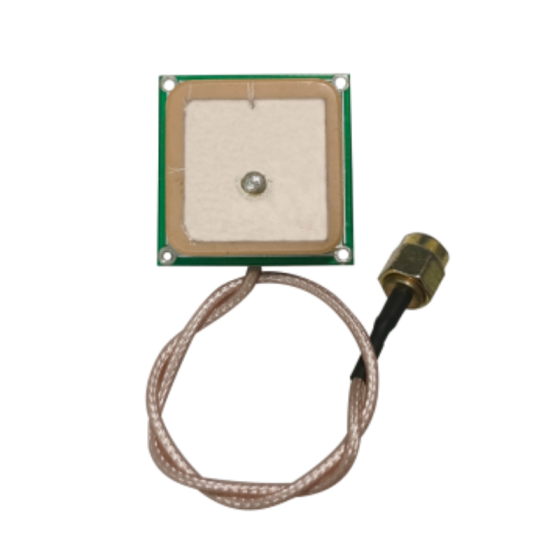
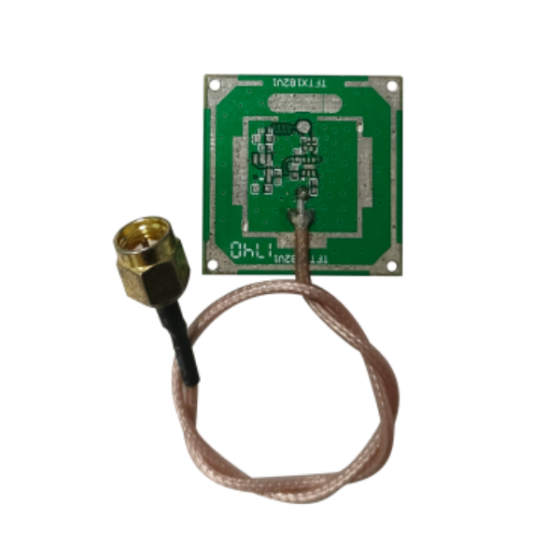
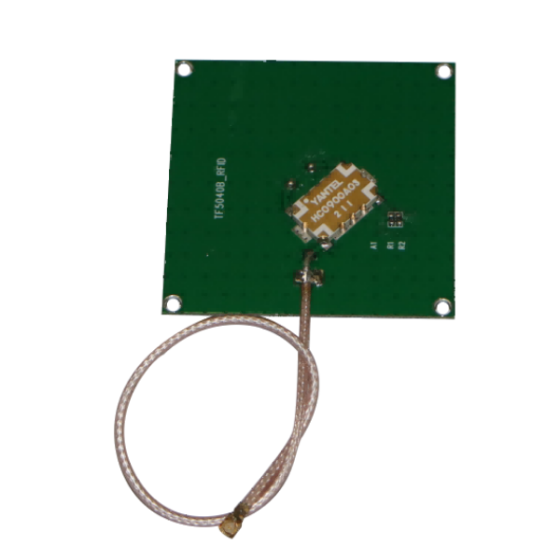
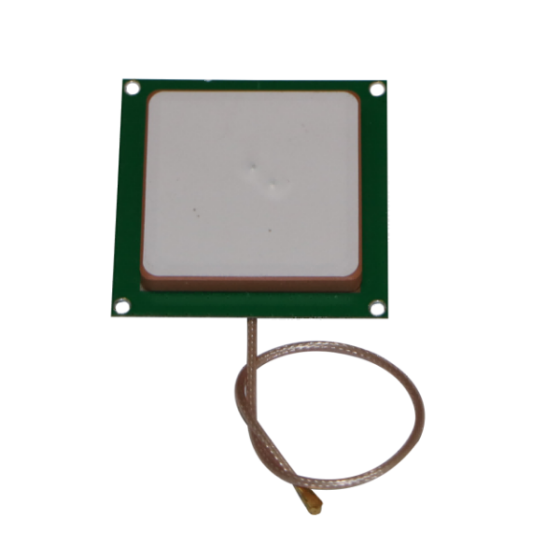
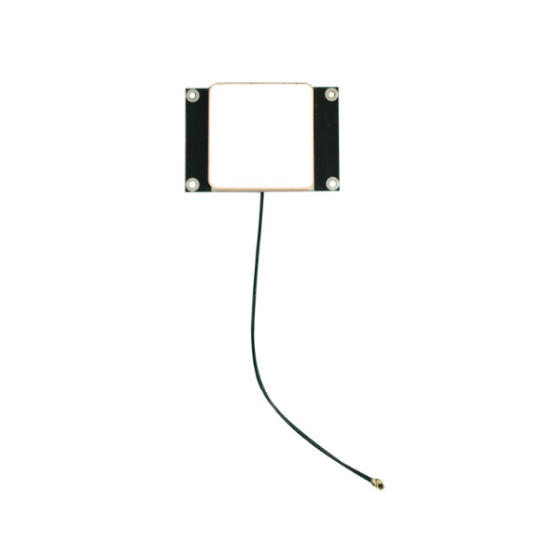
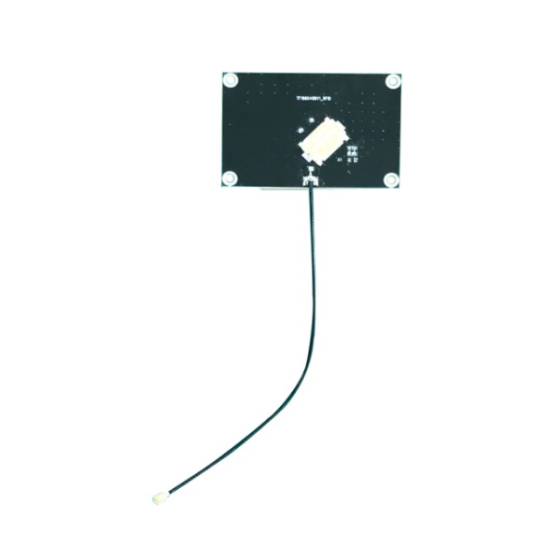


High Quality RFID Asset Tag for Tracking Tools and Reusable Components
Manufacturing facilities rely on a wide range of tools, equipment, fixtures, bins, and reusable components every day. As these assets move between production lines, storage areas, maintenance rooms, and workstations, keeping track of them can become increasingly difficult.
Manual records and visual checks may work for smaller operations, but they can become time-consuming as the number of assets grows. A high quality rfid asset tag provides a practical way to give each asset a unique digital identity and improve visibility throughout the production process.
What Is an RFID Asset Tag?
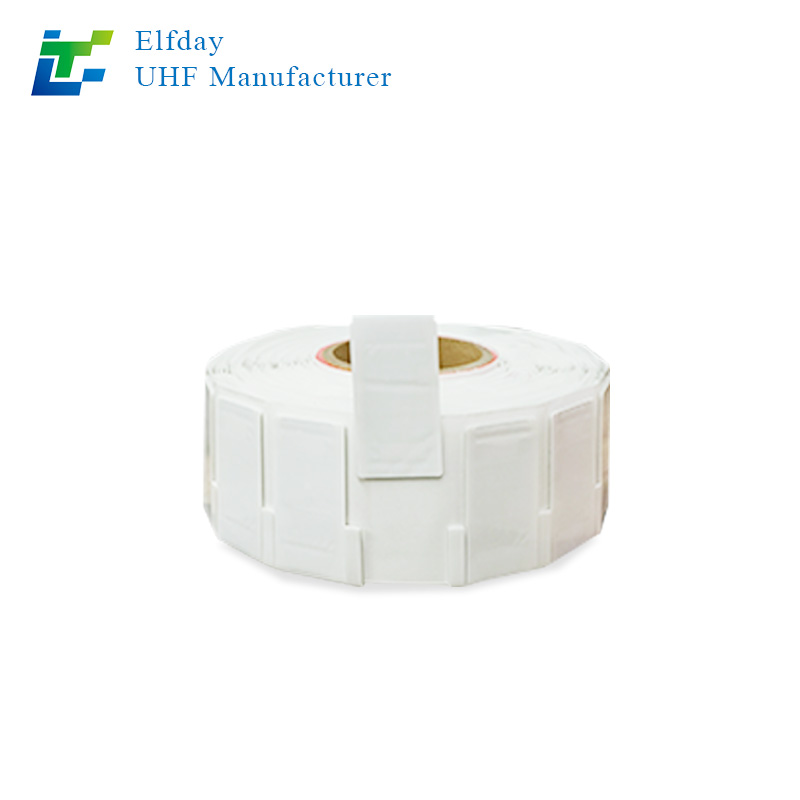
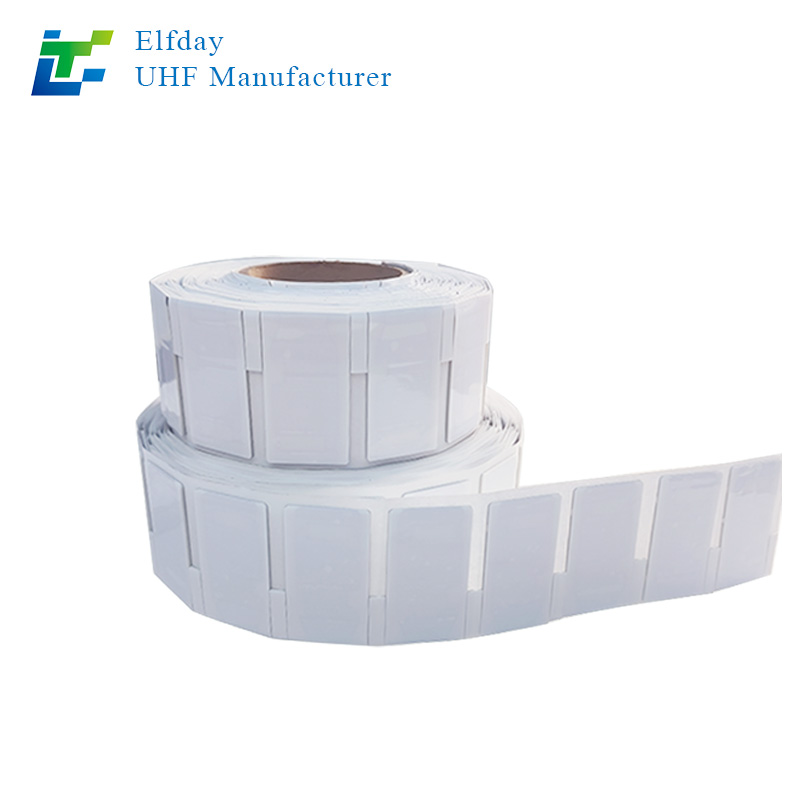
An RFID asset tag is an identification tag that uses radio frequency technology to communicate with an RFID reader. Each tag can be assigned a unique identifier, allowing a physical asset to be connected with information in an asset management system.
In manufacturing environments, RFID asset tags can be used on:
- Production tools
- Maintenance equipment
- Reusable components
- Work-in-process containers
- Fixtures and jigs
- Material handling carts
- Storage bins and totes
Unlike traditional labels, RFID tags can be read electronically, making them suitable for automated identification and tracking applications.
Why Manufacturers Use RFID Asset Tracking
Manufacturing operations involve constant movement. A tool may move from a tool room to a production line, while reusable containers travel between assembly areas and storage locations.
When asset movements are not recorded accurately, several problems can occur. Tools may be misplaced, reusable components may be difficult to locate, and employees may spend valuable production time searching for equipment.
A high quality rfid asset tag helps create a more reliable identification process by giving each asset a unique identity that can be captured using compatible RFID readers.
This makes it easier to understand what an asset is, where it has been, and how it is being used.
Key Benefits of RFID Asset Tags in Manufacturing
1. Faster Asset Identification
Employees can identify tagged tools and equipment without relying entirely on manual records. This can make routine inventory checks and asset searches more efficient.
2. Improved Asset Visibility
RFID tracking can provide better visibility into the movement of tools, components, containers, and other reusable assets across different areas of a facility.
3. Reduced Time Spent Searching
When equipment is misplaced, employees may spend valuable time looking for it. Better tracking can help teams locate assets faster and keep production activities moving.
4. More Accurate Records
Manual data entry can introduce mistakes. Automated RFID identification can reduce the amount of information employees need to record manually, helping maintain more consistent asset records.
5. Better Reusable Component Management
Reusable components and containers often move repeatedly between production stages. RFID can help manufacturers monitor these assets throughout their internal circulation.
Common Manufacturing Applications
A high quality rfid asset tag can be used in many areas of a manufacturing facility.
Tool Tracking
Production and maintenance teams may manage hundreds or even thousands of tools. RFID tags can provide each tool with a unique identity, making it easier to track check-in, check-out, location, and usage.
Equipment Tracking
Mobile equipment and production assets can be identified as they move between workstations, storage areas, and maintenance departments.
Reusable Component Tracking
Reusable components can be tagged to help manufacturers monitor their movement through different production stages and storage locations.
Bin and Tote Tracking
Plastic bins, totes, trays, and containers can be tracked as they transport parts and materials between production areas.
Fixture and Jig Management
Manufacturing fixtures and jigs are often designed for specific production tasks. RFID identification can help teams quickly identify the correct equipment and maintain better records.
RFID vs. Barcode Tracking
Barcodes are widely used in manufacturing, but they usually require the scanner to have a clear view of the printed code. Labels can also become difficult to scan when they are dirty, scratched, or poorly positioned.
RFID provides a different approach. Compatible readers can identify RFID tags without requiring the same direct visual scanning process. Multiple tags may also be captured within a suitable reading area.
For manufacturers with high asset volumes or frequent asset movement, RFID can therefore provide a more automated tracking method.
How to Choose a High Quality RFID Asset Tag
The right RFID tag depends on the manufacturing environment and the type of asset being tracked.
Consider the Asset Material
Metal surfaces can affect RFID performance, so tags designed for metal applications may be necessary when tracking machinery, tools, or metal containers.
Consider Durability
Manufacturing environments can expose tags to impacts, abrasion, moisture, chemicals, and repeated handling. A durable tag design can provide better long-term performance.
Consider the Reading Environment
The required reading distance and reader configuration depend on the facility layout, tag placement, and surrounding materials. Testing the tag in the actual environment is recommended before large-scale deployment.
Consider the Attachment Method
Different assets may require different mounting methods. Adhesive backing may work well for some surfaces, while screws, rivets, or other mechanical mounting methods may be more suitable for demanding applications.
Creating a More Efficient Manufacturing Workflow
RFID asset tracking is not simply about replacing a barcode with an RFID tag. The real value comes from connecting physical assets with useful digital information.
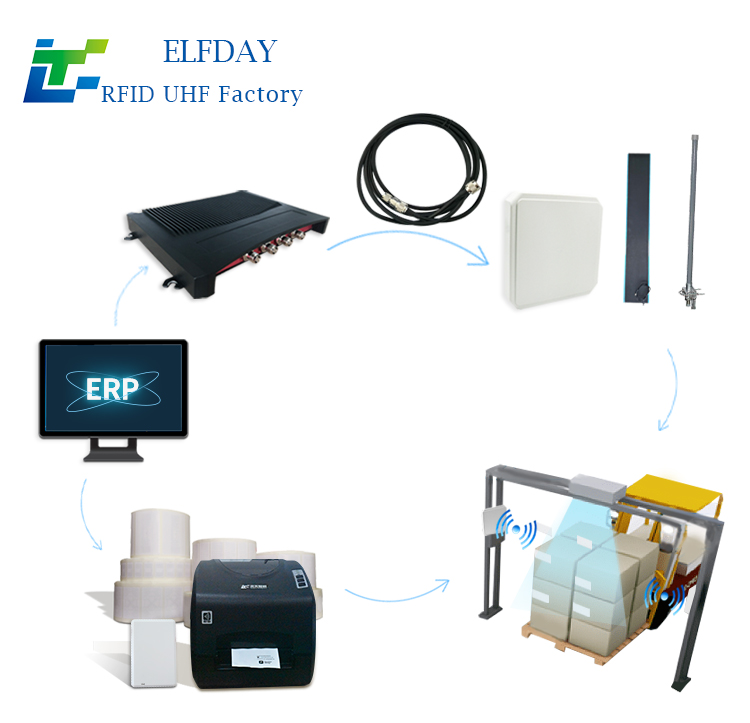
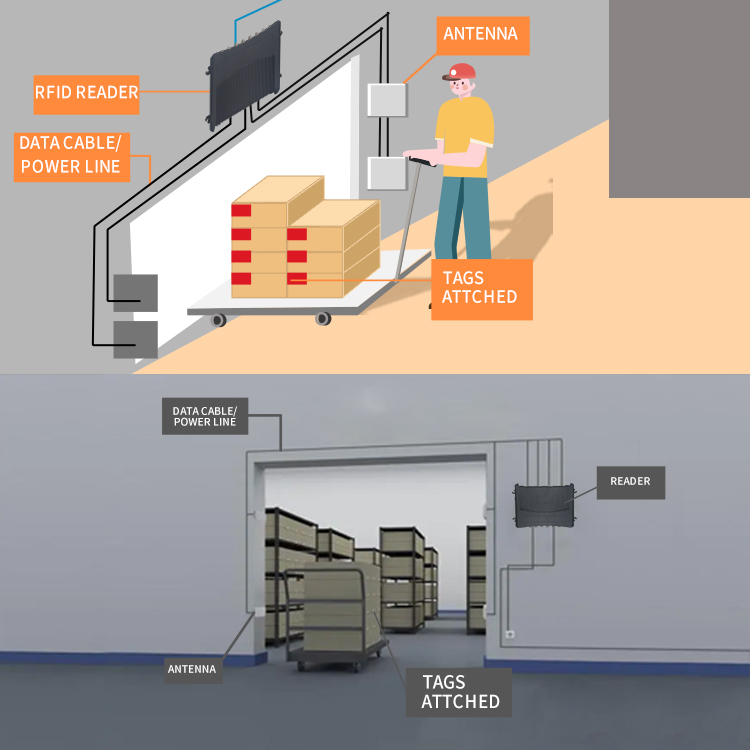
By assigning each tool, piece of equipment, or reusable component a unique RFID identity, manufacturers can build a more organized asset management process. RFID readers can capture asset information at important points, while management software can use that information to support inventory control and operational decisions.
The result is a clearer view of asset movement with less reliance on manual tracking.
Manufacturing environments require accurate control of tools, equipment, and reusable components. As operations become more complex, manual asset tracking can make it harder to maintain accurate records and quickly locate important equipment.
A high quality rfid asset tag offers a practical way to give manufacturing assets a unique digital identity. From production tools and fixtures to reusable bins and components, RFID can help improve identification, simplify tracking, reduce search time, and support more accurate asset management.
For manufacturers looking to improve operational visibility, RFID asset tracking can be a valuable part of a smarter and more connected production environment.