



High Quality RFID Asset Tag for Pallet and Container Tracking
In modern warehouses and supply chains, pallets, containers, carts, and reusable equipment are constantly moving between storage areas, production lines, loading docks, and customers. When these assets are tracked manually, it can be difficult to know where they are or when they were last used.
A high quality rfid asset tag provides each asset with a unique digital identity, allowing businesses to improve tracking accuracy, reduce misplaced equipment, and gain better visibility across daily operations.
What Is a High Quality RFID Asset Tag?
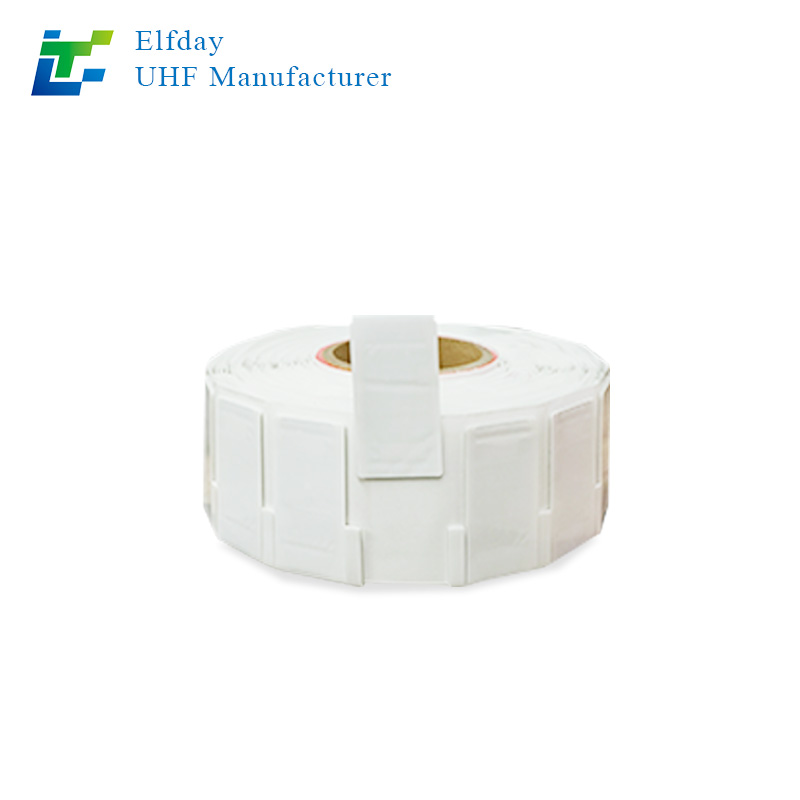
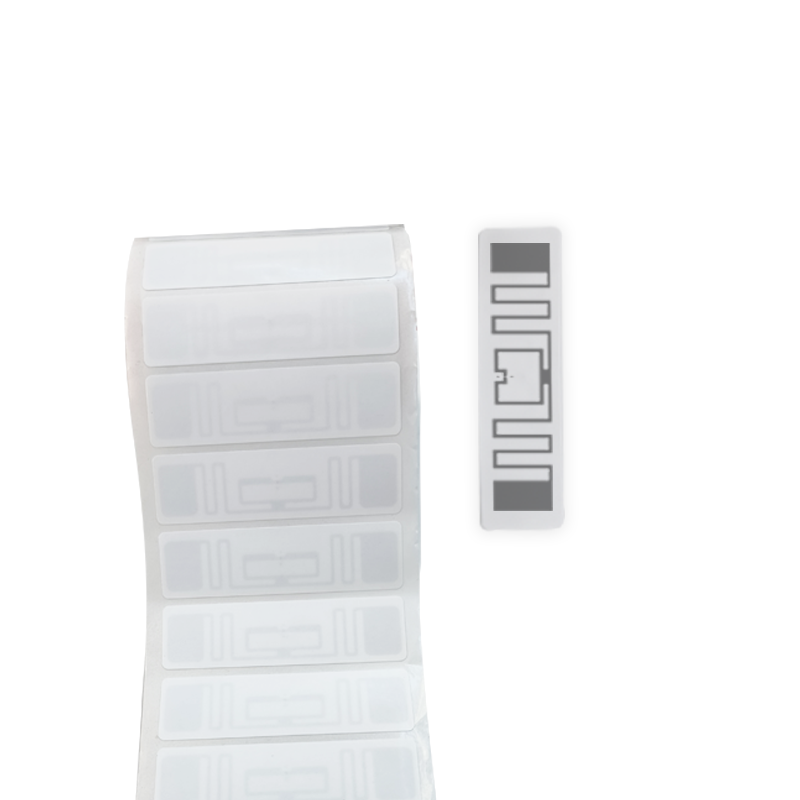
A high quality RFID asset tag is a durable identification tag designed to attach to physical assets and communicate with RFID readers. Unlike a traditional barcode, RFID technology does not always require direct line-of-sight scanning.
Depending on the application, RFID asset tags can be used on:
- Pallets and shipping containers
- Reusable bins and totes
- Warehouse carts and racks
- Industrial tools and equipment
- Returnable transport items
- Maintenance assets
Each tag can carry a unique identification number, allowing the connected system to associate the physical asset with information such as location, movement history, status, or usage.
Why Use RFID for Pallet and Container Tracking?
Pallets and reusable containers often travel through multiple stages of a supply chain. They may move from a warehouse to a production facility, then to a customer before being returned.
Without reliable identification, these assets can easily become difficult to locate.
A high quality rfid asset tag helps businesses create a more consistent tracking process. RFID readers can automatically identify tagged assets as they pass through designated points, reducing the need for employees to scan individual barcodes manually.
This can make asset tracking faster while reducing common data-entry errors.
Key Benefits of RFID Asset Tags
1. Better Asset Visibility
RFID provides businesses with a clearer view of where tagged assets are moving. This can be particularly useful when managing large numbers of pallets, containers, or reusable items.
2. Reduced Asset Loss
Reusable containers and pallets represent ongoing costs. When assets disappear from the tracking process, businesses may need to purchase replacements.
RFID identification makes it easier to monitor asset circulation and identify potential losses.
3. Faster Inventory Checks
Manual inventory checks can take significant time when employees need to locate and record individual assets. RFID can help automate identification, allowing teams to process large numbers of tagged items more efficiently.
4. Improved Data Accuracy
Because RFID identification can be captured automatically, businesses can reduce their dependence on handwritten records and manual data entry.
More accurate asset data can also support better inventory and operational decisions.
5. Easier Asset Management
A unique RFID identity can remain associated with an asset throughout its lifecycle. Businesses can use this information to monitor asset status, movement, usage, and other operational details.
Where Can RFID Asset Tags Be Used?
A high quality rfid asset tag can support many different warehouse and supply chain applications.
Pallet Tracking
Pallets can be tagged to create a digital identity for each unit. RFID tracking can help businesses monitor pallet movement between warehouses, production facilities, loading areas, and customers.
Reusable Container Tracking
Reusable totes, bins, and containers often circulate repeatedly. RFID can help companies understand where containers are located and how frequently they return.
Warehouse Cart Tracking
Carts and transport equipment can be tagged to make them easier to identify and manage across large facilities.
Tool and Equipment Tracking
RFID asset tags can also be used for tools, maintenance equipment, and other valuable assets that frequently move between work areas.
Choosing the Right RFID Asset Tag
Not every RFID tag is suitable for every asset. The tag should match the physical environment and the material it will be attached to.
Important factors include:
Material: Plastic, metal, wood, and other surfaces can affect RFID performance differently.
Read distance: The required reading range depends on the warehouse layout and RFID reader configuration.
Durability: Assets exposed to impact, moisture, chemicals, outdoor conditions, or frequent handling may require a more durable tag design.
Attachment method: Adhesive backing, screws, rivets, cable ties, or other mounting options may be appropriate depending on the application.
Operating environment: Temperature, humidity, surface material, and handling conditions should all be considered before selecting a tag.
Choosing a tag based on the actual application can help deliver more consistent RFID performance.
RFID Asset Tags vs. Traditional Barcodes
Barcodes remain useful for many inventory applications, but RFID offers several advantages for automated asset tracking.
A barcode typically needs to be visible to a scanner, while RFID tags can often be identified without direct line of sight. RFID systems can also read multiple tagged assets within a suitable reading zone, which can make them useful for high-volume warehouse operations.
For businesses managing thousands of reusable assets, this difference can significantly improve the efficiency of tracking processes.
How RFID Asset Tracking Works
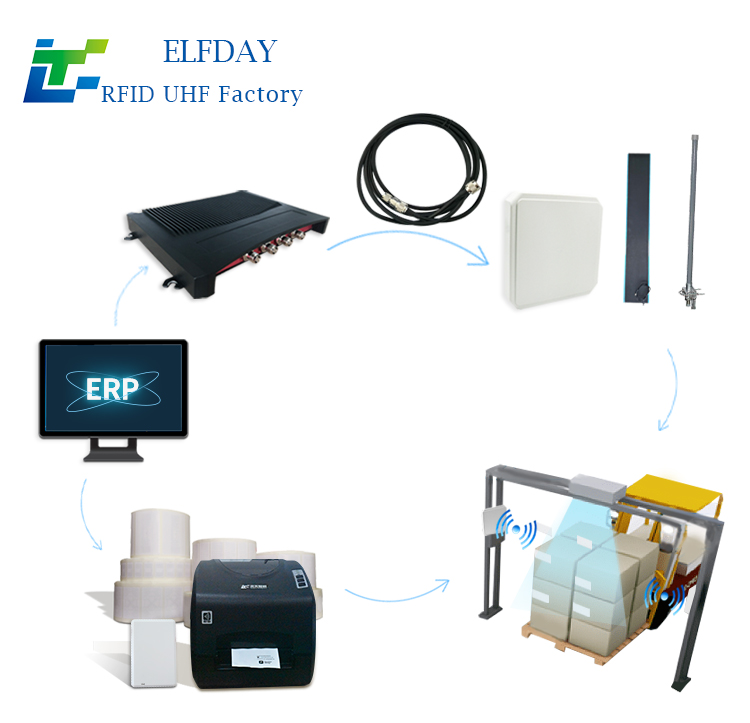
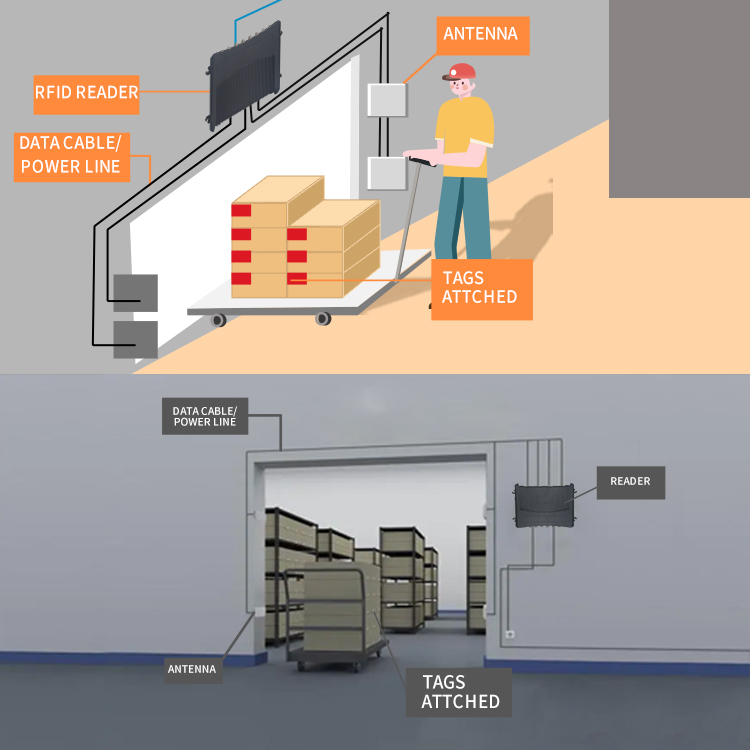
A typical RFID asset tracking process involves three main components: the RFID tag, RFID reader, and asset management software.
First, an RFID tag is attached to a pallet, container, cart, or other asset. The tag is assigned a unique identification number.
When the asset passes an RFID reading point, the reader captures the tag information. The system can then associate that identification with the relevant asset record.
Over time, businesses can build a more complete picture of asset movement and use the data to improve inventory control and operational efficiency.
Build a More Efficient Asset Tracking Process
For warehouses and supply chains handling large numbers of reusable assets, reliable identification is the foundation of effective tracking. A high quality rfid asset tag can help transform pallets, containers, carts, tools, and equipment from difficult-to-track physical items into identifiable digital assets.
With the right RFID tag, reader setup, and tracking software, businesses can reduce manual processes, improve asset visibility, minimize losses, and make better use of their existing equipment.
If your operation relies on reusable pallets, containers, or mobile equipment, RFID asset tracking can be a practical step toward a more connected and efficient warehouse.