



Healthcare RFID Tags for Patient Identification and Hospital Safety Management
In today’s healthcare industry, patient safety and accurate identification are critical priorities for hospitals, clinics, and medical facilities. A small identification error can lead to incorrect medication, delayed treatment, or unnecessary medical risks. As healthcare systems become more digital and automated, healthcare RFID tags are playing an increasingly important role in improving patient identification accuracy and enhancing hospital safety management.
By attaching RFID tags to patient wristbands, medical staff can quickly verify patient information, reduce identification errors, and ensure the right treatment is delivered to the right person at the right time. This technology helps healthcare providers create a safer, faster, and more reliable patient care environment.
What Are Healthcare RFID Tags?
Healthcare RFID tags are electronic identification solutions that use radio frequency technology to store and transmit patient-related information. These tags are commonly integrated into patient wristbands and medical identification products, allowing healthcare professionals to access accurate patient data through RFID readers.
Compared with traditional identification methods, RFID technology provides faster data collection, improved accuracy, and better automation capabilities. Healthcare RFID tags can help hospitals reduce manual processes and improve communication between different departments.
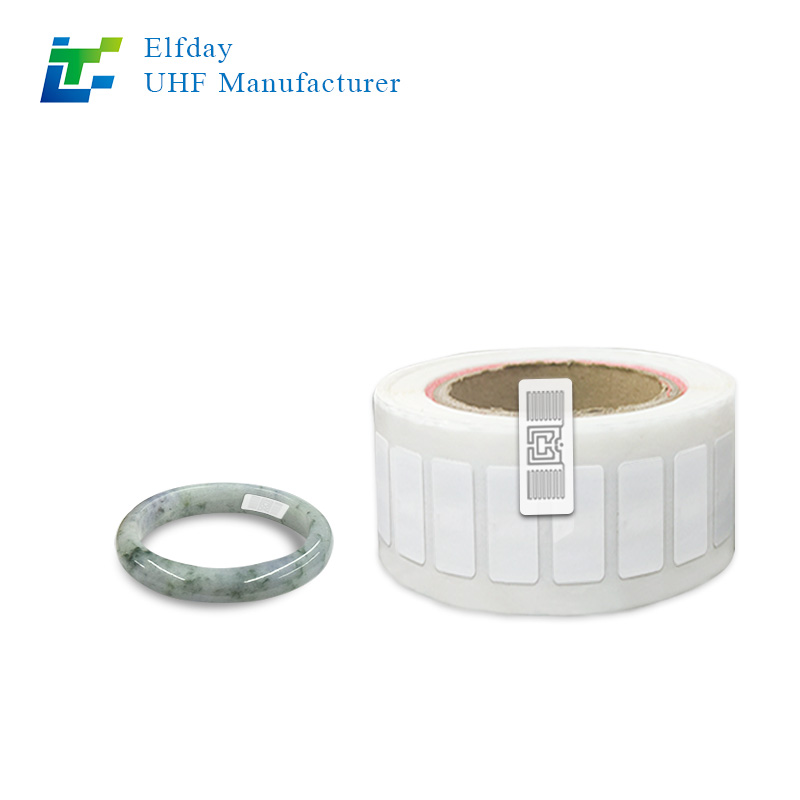
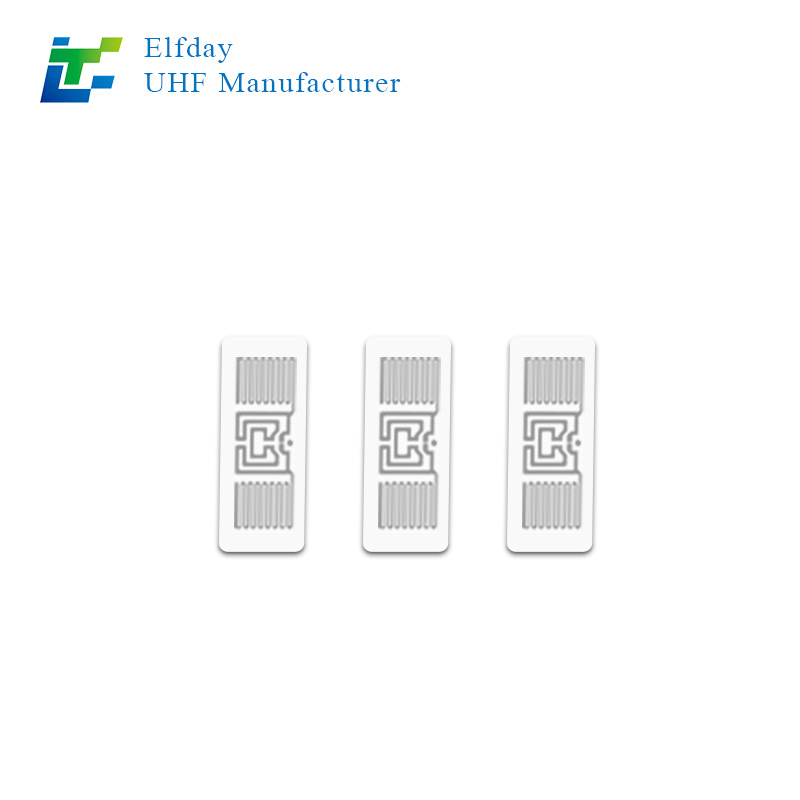
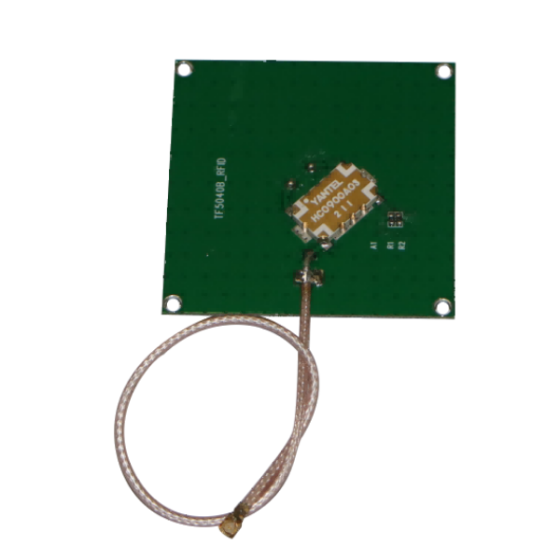
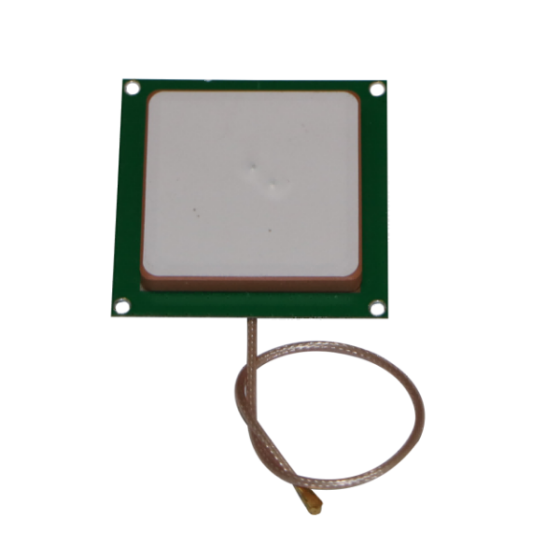
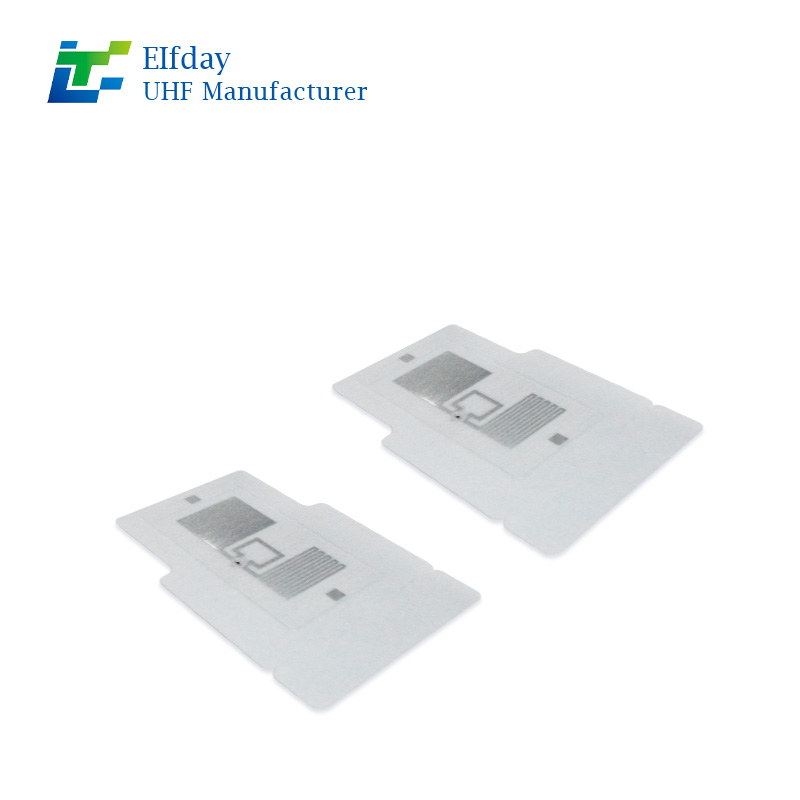
Typical healthcare RFID tags include RFID chips, antennas, and durable materials designed for medical environments. They can be used in hospitals, emergency rooms, clinics, nursing facilities, and other healthcare applications where accurate identification is essential.
How Healthcare RFID Tags Improve Patient Identification
Patient identification is the foundation of safe healthcare services. Medical staff need to confirm patient information before medication administration, laboratory testing, surgery, and other procedures.
With healthcare RFID tags, each patient can be assigned a unique digital identity. When healthcare workers scan the RFID-enabled wristband, they can quickly confirm patient details and access relevant information from the healthcare management system.
This helps hospitals achieve more accurate patient verification and reduces risks caused by manual mistakes. RFID-based identification supports better decision-making and improves the overall quality of patient care.
Applications of Healthcare RFID Tags in Hospitals
Patient Wristband Identification
One of the most common uses of healthcare RFID tags is patient wristband management. RFID wristbands allow nurses and doctors to quickly identify patients before providing medical services.
By using RFID-enabled wristbands, hospitals can improve patient matching accuracy, reduce administrative errors, and create a safer healthcare process from admission to discharge.
Medication Management and Safety
Medication errors are a serious concern in healthcare facilities. Healthcare RFID tags help connect patient identity with medication information, allowing medical staff to verify details before administering treatment.
This additional verification process helps ensure that patients receive the correct medication according to their medical records and treatment plans.
Emergency Care Management
Emergency departments require fast and accurate patient identification. In urgent situations, healthcare RFID tags allow medical teams to quickly identify patients and retrieve important information.
This improves response efficiency and helps healthcare professionals provide timely treatment during critical moments.
Newborn Identification
Hospitals use RFID technology to improve newborn safety management. Healthcare RFID tags can be integrated into newborn identification wristbands to help prevent mismatching between babies and parents.
This application provides an additional layer of security in maternity departments and supports safer newborn care.
Elderly Care and Nursing Facilities
In elderly care centers and nursing facilities, healthcare RFID tags help improve resident management and daily care efficiency.
Caregivers can use RFID identification solutions to confirm resident information, maintain accurate records, and provide better personalized care services.
Key Benefits of Healthcare RFID Tags
Improved Patient Safety
The biggest advantage of healthcare RFID tags is improved patient safety. Accurate identification reduces the possibility of errors and helps healthcare providers deliver the correct treatment.
Faster Healthcare Workflows
RFID technology allows healthcare workers to collect information quickly without relying on manual data entry. This saves time and allows medical teams to focus more on patient care.
Reduced Human Errors
Traditional paper-based processes and manual identification methods may result in mistakes. Healthcare RFID tags provide automated identification, improving data accuracy and reliability.
Better Hospital Management
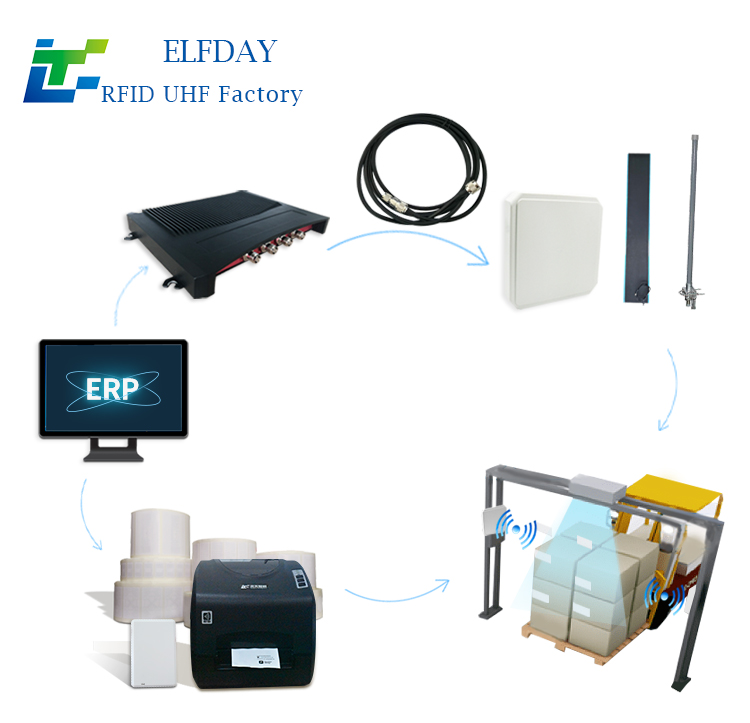
By connecting RFID technology with healthcare management systems, hospitals can improve operational efficiency, optimize workflows, and create a more intelligent medical environment.
Healthcare RFID Tags Compared with Traditional Identification Methods
Traditional barcode systems require direct scanning and usually involve one-by-one identification. Healthcare RFID tags provide a more advanced solution by enabling wireless identification and faster data processing.
RFID technology offers advantages such as higher reading speed, better automation, greater data capacity, and stronger adaptability in complex healthcare environments.
For hospitals that need to improve patient safety and operational efficiency, healthcare RFID tags provide a more reliable identification solution.
Factors to Consider When Choosing Healthcare RFID Tags
When selecting healthcare RFID tags, hospitals should consider several important factors.
Medical-grade materials are essential to ensure patient comfort and product durability. RFID tags should be suitable for continuous use in healthcare environments.
Reading distance and RFID frequency should match the specific application requirements, including patient identification, emergency management, or medical workflow automation.
Data security is also an important consideration. Healthcare RFID solutions should support secure information management to protect sensitive patient data.
Compatibility with existing healthcare systems is another key factor. RFID tags should integrate smoothly with hospital software platforms and management systems.
Future Trends of Healthcare RFID Technology
As hospitals continue to adopt smart healthcare solutions, the demand for healthcare RFID tags is expected to grow. RFID technology will continue to support digital transformation by improving patient management, automation, and healthcare efficiency.
Future healthcare applications may include intelligent patient monitoring, real-time location services, automated medical workflows, and advanced healthcare data integration.
With ongoing innovation, healthcare RFID tags will become an important part of modern hospitals, helping healthcare providers deliver safer and more efficient patient care.
Healthcare RFID tags provide hospitals with an effective solution for improving patient identification accuracy and hospital safety management. By using RFID-enabled wristbands and identification systems, healthcare facilities can reduce errors, improve workflow efficiency, and enhance the overall patient experience.
As the healthcare industry continues to move toward digital transformation, RFID technology will play a key role in building smarter, safer, and more efficient healthcare environments.