

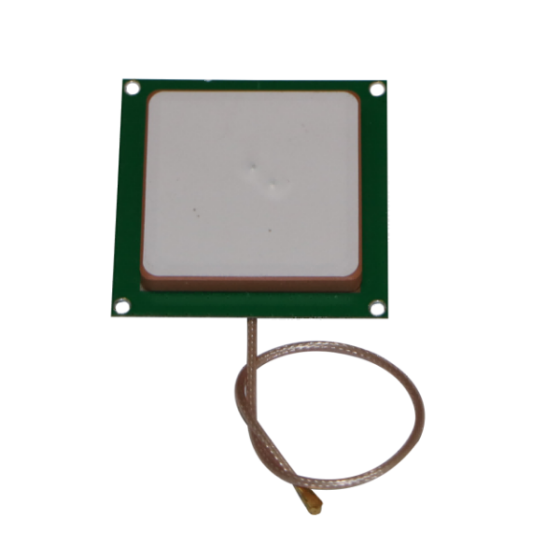
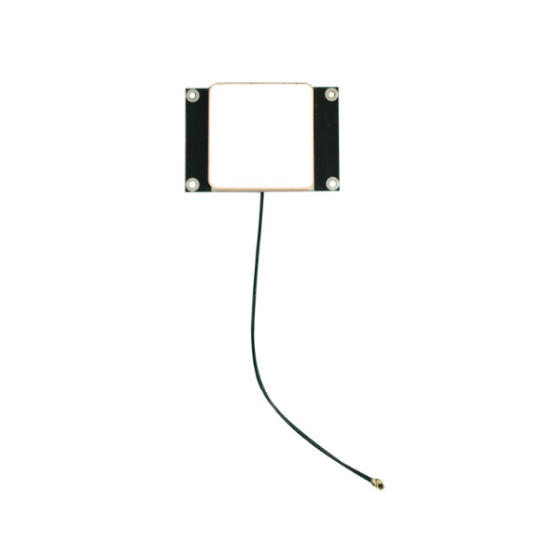
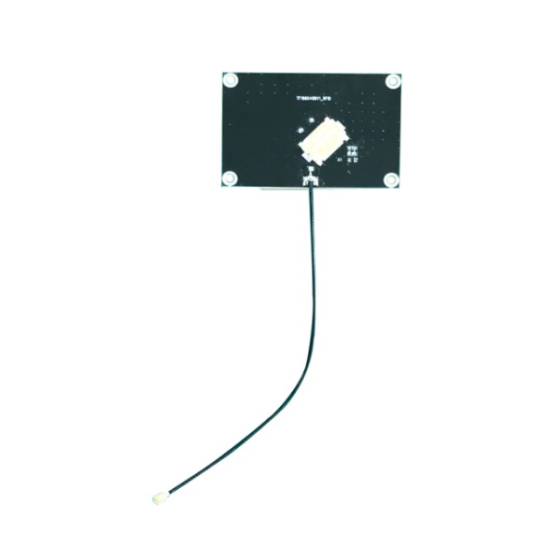


Healthcare Asset Tracking RFID Tags for Medical Equipment
Healthcare facilities manage thousands of valuable assets every day, including medical devices, patient monitoring equipment, diagnostic instruments, and emergency care supplies. Keeping track of these assets manually can be time-consuming and may lead to equipment shortages, misplaced devices, and delays in patient care.
Asset tracking RFID tags provide hospitals and healthcare organizations with a smarter way to monitor and manage critical equipment. By enabling automated identification and accurate location tracking, RFID technology helps medical facilities improve asset visibility, reduce equipment loss, and ensure that essential devices are available when needed.
With the increasing demand for efficient healthcare management, RFID-based asset tracking has become an important solution for improving operational workflows and supporting better patient care.
What Are Asset Tracking RFID Tags?
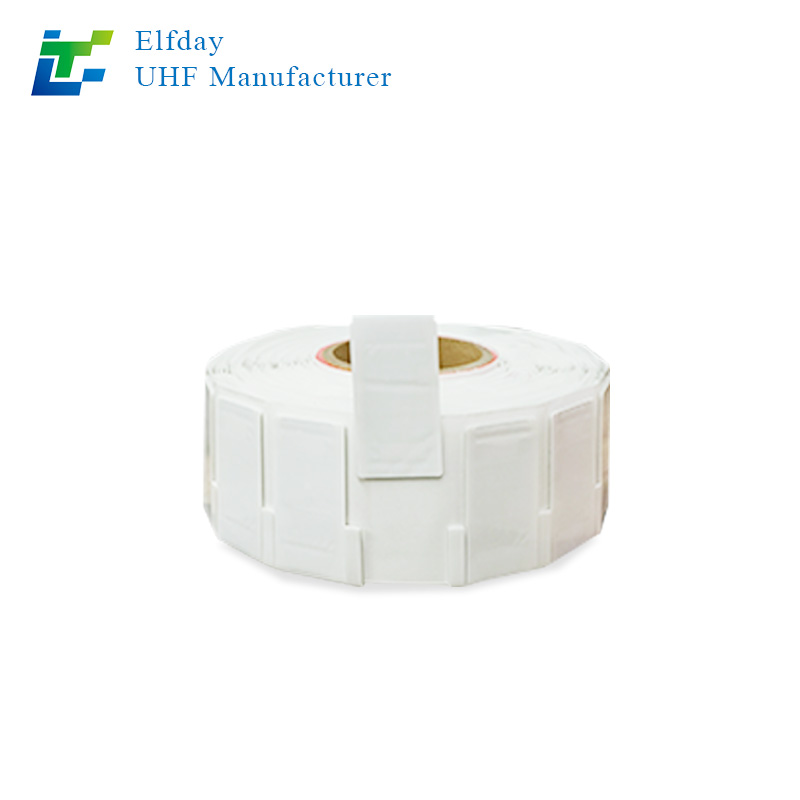
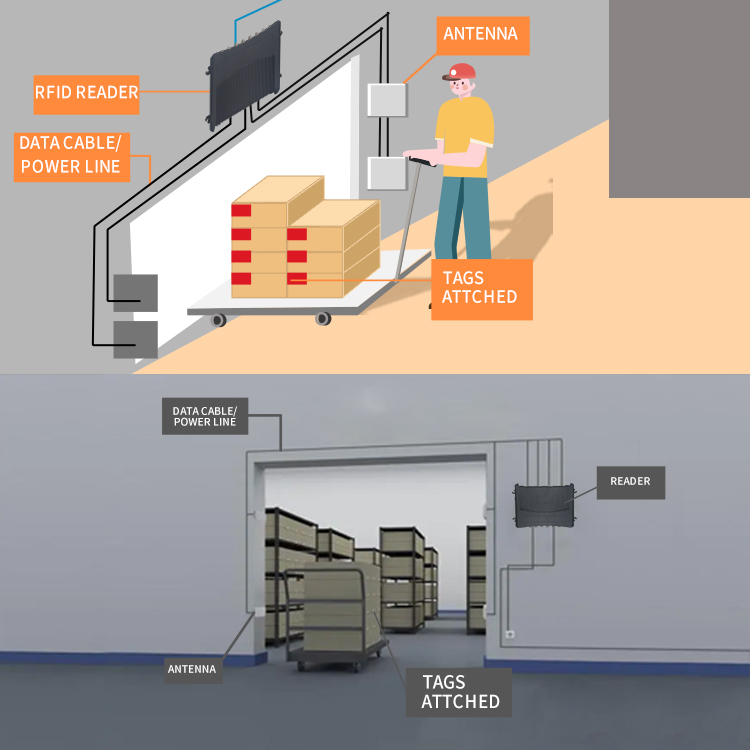
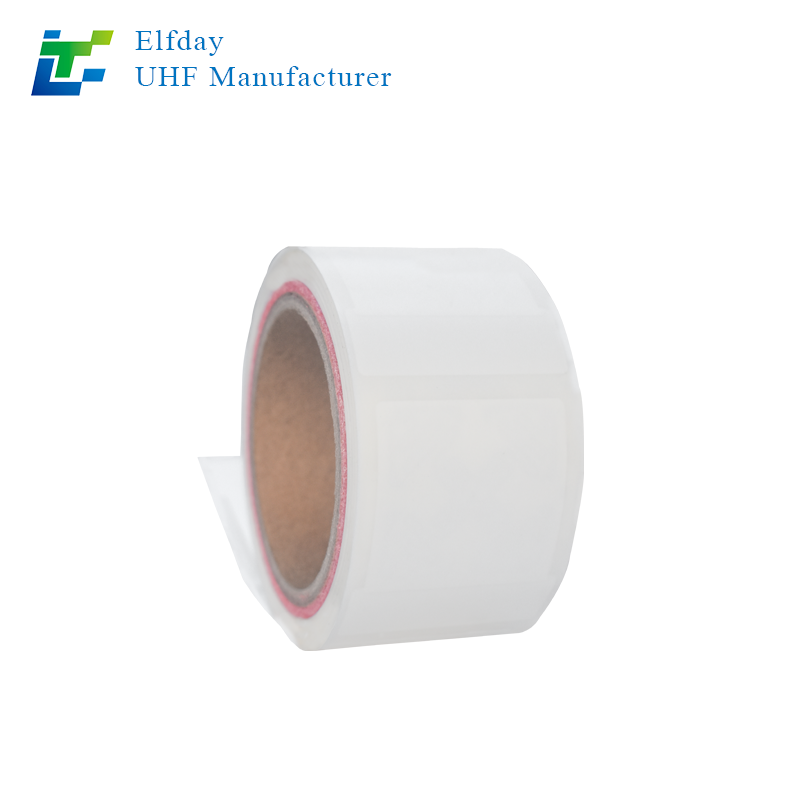
Asset tracking RFID tags are electronic identification devices designed to help organizations monitor and manage physical assets through radio frequency technology. Each RFID tag contains unique identification data that can be captured by RFID readers and connected to asset management systems.
Compared with traditional barcode labels, RFID tags provide faster and more flexible tracking capabilities. They do not require direct line-of-sight scanning and can identify multiple tagged items simultaneously, making them ideal for complex healthcare environments.
In hospitals and medical facilities, asset tracking RFID tags are commonly applied to:
Medical monitoring devices
Patient care equipment
Surgical instruments
Laboratory equipment
Emergency medical supplies
Wheelchairs and patient transport equipment
Infusion pumps and diagnostic devices
By assigning digital identities to medical assets, healthcare providers can achieve more accurate and efficient equipment management.
Enhance Medical Equipment Visibility
One of the biggest challenges in healthcare facilities is locating medical equipment quickly. Devices are frequently moved between patient rooms, operating areas, emergency departments, and storage locations.
When equipment locations are unclear, healthcare staff may spend valuable time searching for available devices instead of focusing on patient care.
Asset tracking RFID tags improve visibility by providing real-time information about equipment movement and availability. Healthcare teams can quickly identify where a device is located, whether it is currently in use, and when it is available for the next patient.
This improved visibility helps hospitals optimize equipment utilization and reduce unnecessary equipment purchases.
Reduce Equipment Loss and Misplacement
Medical equipment represents a significant investment for healthcare organizations. However, devices can easily become misplaced when they are transferred between departments or shared among different teams.
Traditional tracking methods often rely on manual records, which may contain errors or become outdated over time.
Using asset tracking RFID tags allows hospitals to maintain accurate equipment records and improve asset accountability. Each tagged device can be tracked throughout its lifecycle, helping organizations reduce losses and better manage valuable resources.
Improved tracking also helps prevent situations where critical equipment is unavailable during urgent medical procedures.
Improve Equipment Availability and Patient Care Efficiency
Fast access to medical equipment is essential for providing high-quality healthcare services. Delays caused by unavailable devices can affect staff productivity and patient experience.
RFID asset tracking systems help healthcare facilities identify available equipment quickly and improve distribution between departments. Staff members can spend less time searching for devices and more time delivering patient care.
By ensuring that the right equipment is available at the right location, hospitals can improve workflow efficiency and support better healthcare outcomes.
Optimize Medical Asset Management
Healthcare organizations need accurate information about equipment usage, maintenance schedules, and operational status. Managing these details manually can create additional workload for administrative and maintenance teams.
Asset tracking RFID tags support more efficient asset management by providing valuable data about:
Equipment location
Usage frequency
Maintenance history
Asset availability
Department utilization
This information helps healthcare managers make better decisions about equipment allocation, maintenance planning, and future investments.
Applications of Asset Tracking RFID Tags in Healthcare
Medical Equipment Tracking
Hospitals use a wide range of medical devices that require frequent movement and monitoring. RFID tags allow healthcare providers to track equipment such as patient monitors, infusion pumps, ventilators, and diagnostic devices.
Accurate tracking helps ensure equipment is available when required and reduces delays caused by missing devices.
Patient Care Equipment Management
Patient care equipment such as beds, wheelchairs, and mobility devices often move between different areas of a healthcare facility.
Asset tracking RFID tags help staff locate these items quickly and improve equipment circulation. This reduces waiting times and supports smoother patient care processes.
Laboratory Equipment Tracking
Laboratories depend on accurate management of specialized instruments and testing equipment. RFID tracking helps monitor equipment usage and location while improving inventory accuracy.
This allows laboratory teams to maintain better control over valuable assets.
Emergency Equipment Management
Emergency departments require immediate access to critical medical devices. Asset tracking RFID tags help ensure emergency equipment can be located quickly during urgent situations.
Improved visibility supports faster response times and more efficient emergency operations.
Key Features of Healthcare Asset Tracking RFID Tags
Healthcare environments require RFID tags that deliver reliable performance and long-term durability. Important features include:
Durable construction for frequent handling
Reliable identification performance
Compatibility with asset management systems
Flexible installation options
Resistance to environmental conditions
Compact designs for different medical devices
These features allow RFID tags to be applied to a wide range of healthcare assets while maintaining consistent tracking performance.
Why Hospitals Choose RFID Asset Tracking Solutions
As healthcare facilities become larger and more complex, traditional asset management methods may not provide enough visibility or efficiency. Hospitals need solutions that can improve resource management while supporting better patient services.
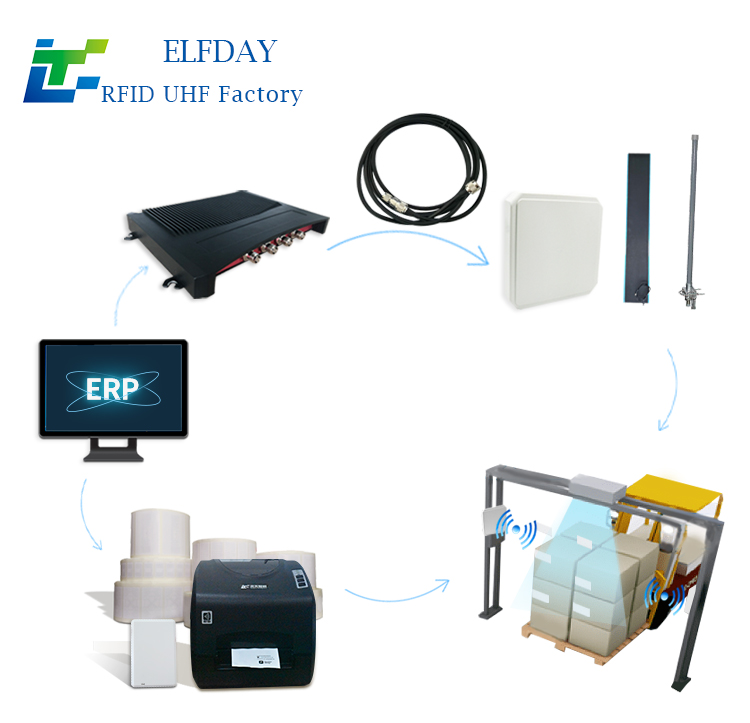
Asset tracking RFID tags help healthcare organizations create a more connected and intelligent equipment management system. By automating asset identification and improving location visibility, RFID technology reduces operational challenges and helps medical teams work more efficiently.
From emergency equipment to everyday patient care devices, RFID asset tracking provides a reliable approach for managing critical healthcare resources.
Efficient medical equipment management is essential for modern healthcare facilities. Asset tracking RFID tags provide hospitals with an effective solution for monitoring medical devices, improving equipment availability, and reducing asset management challenges.
By delivering accurate tracking information and automated identification, RFID technology helps healthcare organizations improve operational efficiency, optimize equipment utilization, and provide better support for patient care.