

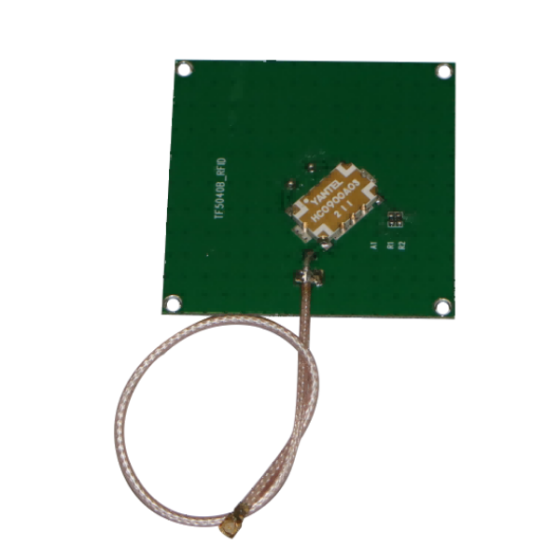
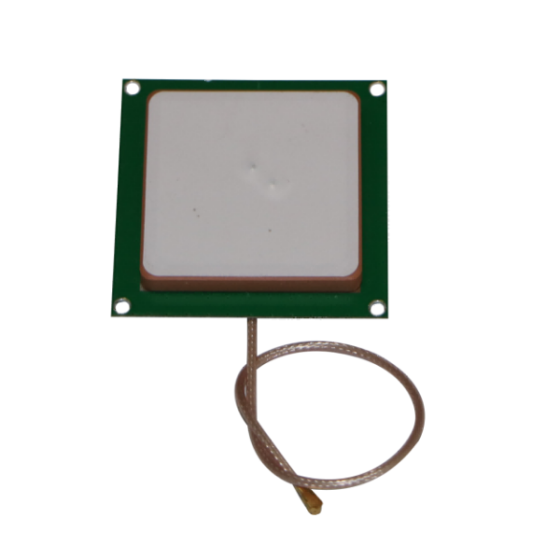
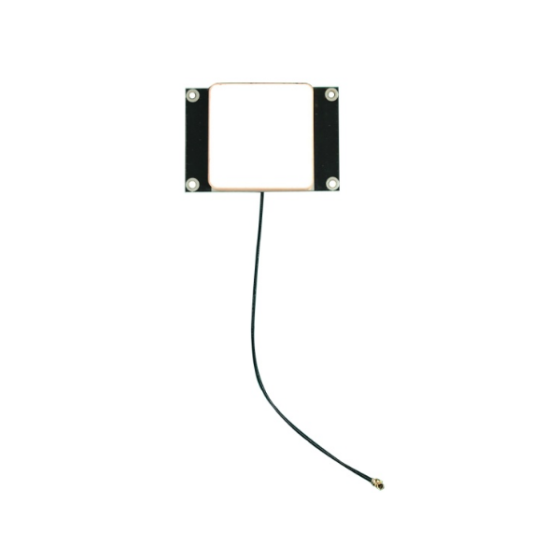
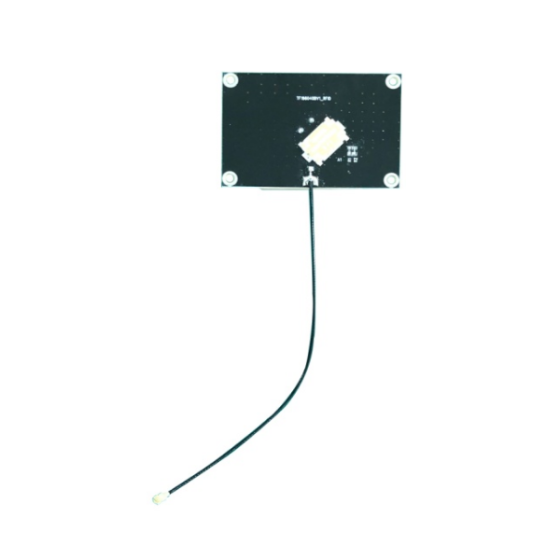


UHF RFID Tags for Sale: Long Range Industrial RFID Tags for Reliable Tracking
As industrial automation continues to develop, businesses need faster and more reliable ways to identify products, equipment, and assets. UHF RFID tags provide an efficient solution for long-range identification, bulk reading, and real-time asset tracking across industrial environments.
If you are looking for UHF RFID tags for sale, industrial-grade solutions can help improve warehouse inventory, manufacturing processes, logistics operations, and fixed asset management.
Designed for different materials and working conditions, long range UHF RFID tags are available in various forms, including RFID labels, rugged hard tags, and specialized on-metal RFID tags. Selecting the right RFID tag depends on your application, reading distance, installation surface, and environmental requirements.
What Makes UHF RFID Tags Suitable for Industrial Applications?
UHF RFID tags operate in the ultra-high-frequency range, generally between 860 MHz and 960 MHz, depending on regional frequency regulations.
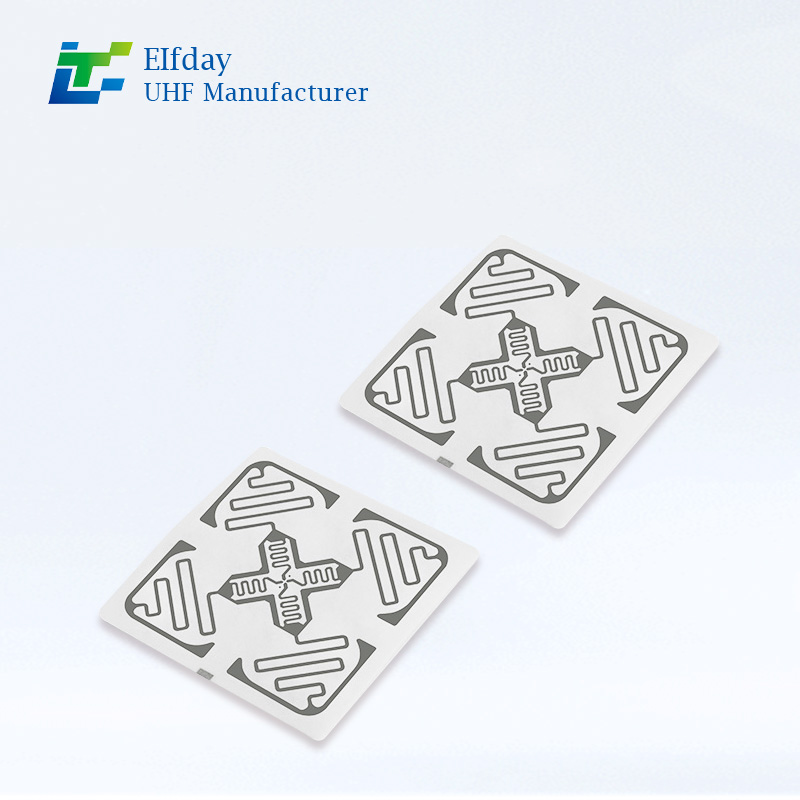
Each tag contains an RFID chip and antenna. When an RFID reader transmits radio frequency signals, the tag responds with its stored identification information.
Compared with barcode identification, UHF RFID technology offers several advantages:
Long-range identification: Read tagged objects from a distance without direct visual contact.
Bulk tag reading: Identify multiple tagged items during a single reading operation.
Fast data collection: Reduce manual scanning and improve operational efficiency.
Flexible installation: Choose different tag designs for plastic, cardboard, wood, and metal surfaces.
System integration: Connect RFID identification data with inventory, warehouse, and asset management software.
These features make UHF RFID tags an ideal choice for industrial identification and automated tracking applications.
Long Range UHF RFID Tags for Efficient Identification
Reading distance is an important consideration when selecting industrial UHF RFID tags.
Depending on the RFID chip, antenna design, reader output power, antenna gain, and operating environment, UHF RFID systems can achieve reading distances of several meters or more.
For applications requiring longer reading distances, businesses should consider the following factors.
Optimized RFID Antenna Design
The antenna directly affects the tag's energy harvesting and communication performance. A properly designed antenna helps improve reading sensitivity and identification reliability.
Compatible UHF RFID Chips
Selecting a suitable RFID chip is important for memory capacity, sensitivity, and system compatibility. Common UHF RFID products support EPC Gen2 / ISO 18000-63 protocols.
Suitable RFID Reader Configuration
Reader power, antenna placement, polarization, and installation height all influence the actual reading performance.
Application-Specific Tag Selection
Different environments require different tag structures. Standard UHF RFID labels are suitable for many non-metallic surfaces, while specialized on-metal tags are designed for direct installation on metal equipment.
Different Types of Industrial UHF RFID Tags
Choosing the right tag type helps ensure reliable identification in different industrial applications.
1. UHF RFID Label Tags
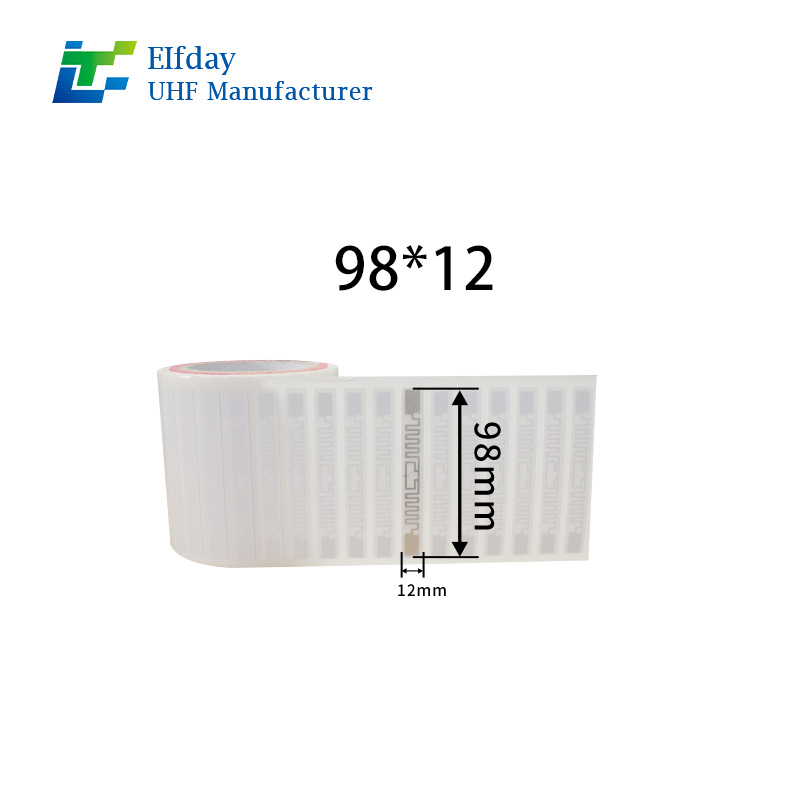
UHF RFID label tags combine an RFID chip and antenna with a printable label structure.
They are commonly used for:
Warehouse inventory management
Product identification
Carton and pallet tracking
Retail supply chain management
Shipping and distribution
Their lightweight structure and easy application make them suitable for high-volume identification.
2. Industrial Hard RFID Tags
Industrial hard RFID tags feature a protective housing designed for applications requiring greater mechanical durability.
Typical applications include:
Industrial equipment tracking
Reusable container identification
Tool and fixture management
Manufacturing process tracking
Returnable transport item management
Depending on the model, hard tags can offer enhanced resistance to moisture, dust, vibration, and impact.
3. On-Metal UHF RFID Tags
Metal surfaces can interfere with ordinary RFID antenna performance. On-metal UHF RFID tags use specialized antenna structures and materials to support identification when mounted directly on metal.
They are suitable for:
Machinery identification
Metal asset tracking
Industrial tool management
Equipment inspection
Metal container tracking
4. Rugged UHF RFID Tags
Rugged RFID tags are designed for demanding environments where ordinary RFID labels may not provide sufficient protection.
Depending on their specifications, they can be used in outdoor asset management, industrial production, logistics, and equipment tracking.
Industrial Applications of Long Range UHF RFID Tags
Warehouse Inventory Management
UHF RFID tags can be attached to products, cartons, pallets, and storage containers. Fixed RFID readers or handheld devices help employees identify inventory more efficiently.
With bulk reading capabilities, warehouses can reduce manual scanning and improve stock verification accuracy.
Manufacturing and Production Tracking

Manufacturers can attach UHF RFID tags to components, work-in-process products, production tools, and equipment.
RFID identification helps connect physical items with digital production records, supporting process traceability and production management.
Fixed Asset Management
Industrial companies often manage large numbers of machines, instruments, computers, and other fixed assets.
By assigning a unique RFID identification number to each asset, businesses can establish digital asset records and improve inventory checks, location tracking, and maintenance management.
Logistics and Supply Chain Tracking
Long-range UHF RFID tags support product and container identification throughout logistics operations.
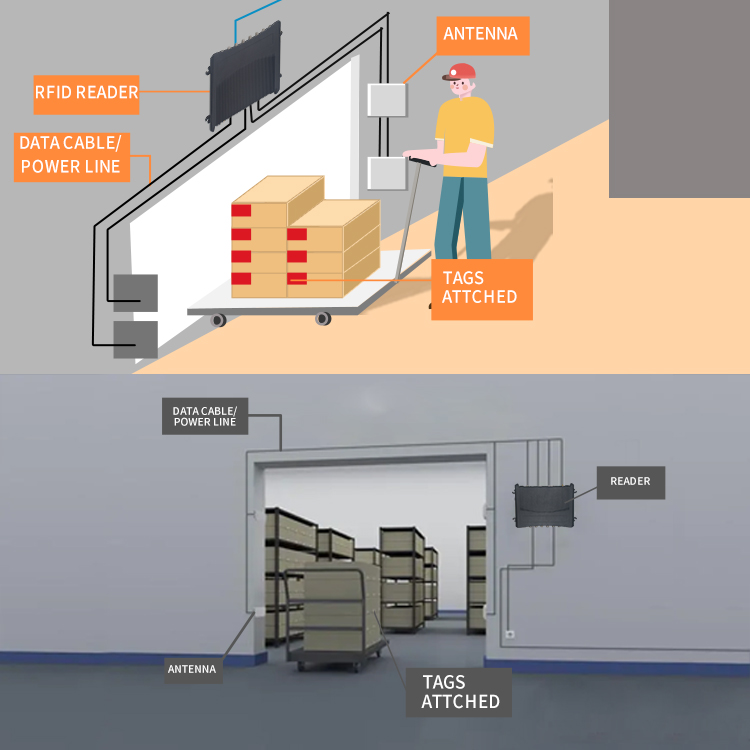
Businesses can use RFID readers at warehouse entrances, loading areas, and distribution points to improve shipment verification and material flow visibility.
Industrial Tool and Equipment Management
RFID tags can be attached to tools, molds, fixtures, and reusable equipment.
When integrated with RFID management software, the system can record equipment identification, borrowing information, return status, and maintenance history.
How to Choose the Best UHF RFID Tags for Sale
Before purchasing UHF RFID tags, consider these important technical factors.
| Selection Factor | What to Consider |
| Frequency | Regional UHF frequency compatibility |
| Reading Distance | Actual application reading requirements |
| RFID Chip | Chip model, sensitivity, and memory |
| Tag Material | PET, ABS, PCB, ceramic, or other suitable materials |
| Installation Surface | Plastic, wood, cardboard, or metal |
| Protection Level | Waterproofing, dust resistance, and impact resistance |
| Operating Temperature | Actual environmental temperature range |
| Protocol | EPC Gen2 / ISO 18000-63 compatibility |
The best industrial RFID tag is not necessarily the one with the longest advertised reading distance. It should provide reliable performance under actual operating conditions.
Why Invest in Industrial UHF RFID Technology?
Industrial UHF RFID technology helps companies move from manual identification toward more automated data collection.
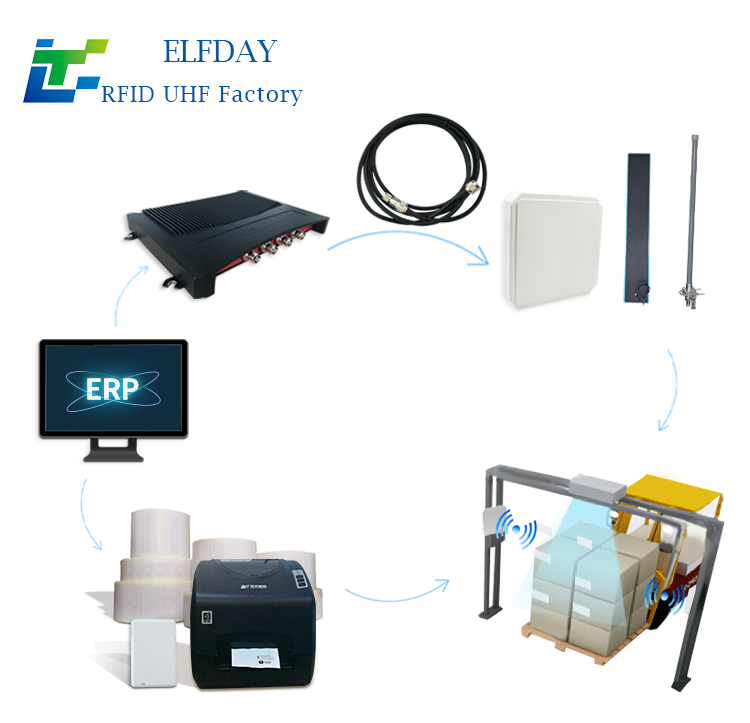
By combining UHF RFID tags, RFID readers, antennas, and management software, businesses can build an integrated identification system.
Key business benefits include:
Reduced manual inventory work
Faster product and asset identification
Improved inventory visibility
Better equipment management
More efficient warehouse operations
Improved supply chain traceability
For companies handling large quantities of industrial assets and materials, RFID technology can support more efficient and standardized management processes.
Frequently Asked Questions About UHF RFID Tags
How far can long-range UHF RFID tags be read?
Reading distance depends on the RFID tag design, chip sensitivity, reader power, antenna configuration, and surrounding environment. Some industrial UHF RFID systems can achieve several meters or more under suitable conditions.
Can UHF RFID tags read multiple items simultaneously?
Yes. UHF RFID technology supports anti-collision communication, allowing compatible readers to identify multiple tags within their coverage area.
Can industrial UHF RFID tags work on metal?
Yes. Specialized on-metal UHF RFID tags are designed for installation on metal surfaces. Standard RFID labels may experience reduced performance when attached directly to metal.
Are UHF RFID tags waterproof?
Some industrial UHF RFID tags are designed with waterproof or water-resistant housings. The actual protection level depends on the product design and its tested IP rating.
What industries use UHF RFID tags?
UHF RFID tags are widely used in manufacturing, warehousing, logistics, automotive production, healthcare asset management, retail, and industrial equipment tracking.
What should I check before ordering UHF RFID tags?
Check the operating frequency, chip model, reading distance, dimensions, mounting surface, environmental protection, and compatibility with your RFID reader.
Conclusion: Find the Right UHF RFID Tags for Your Industrial Needs
UHF RFID tags offer an effective solution for long-range identification, automated inventory management, and industrial asset tracking.
Whether you need printable UHF RFID labels for warehouse operations, rugged RFID tags for equipment identification, or on-metal UHF RFID tags for machinery tracking, choosing the correct product design is essential for reliable performance.
When comparing UHF RFID tags for sale, focus on application compatibility, technical specifications, durability, and actual reading performance.
The right industrial UHF RFID solution can help improve identification efficiency, reduce manual operations, and support smarter industrial management.