



RFID Tags for Event Management and Access Control
Managing large-scale events requires efficient attendee registration, reliable access control, and accurate attendance tracking. Traditional ticketing methods, such as printed tickets, paper lists, and barcode scanning, can create long queues, increase administrative workloads, and make it difficult to monitor attendee movements.
RFID (Radio Frequency Identification) technology offers a smarter solution. By integrating RFID tags into event wristbands, badges, tickets, and access cards, event organizers can automate attendee identification, streamline entry procedures, and improve overall event security.
In this article, we explore how RFID tags work in event management and access control, their key applications, and how to choose the right RFID solution.
What Are RFID Tags for Event Management?
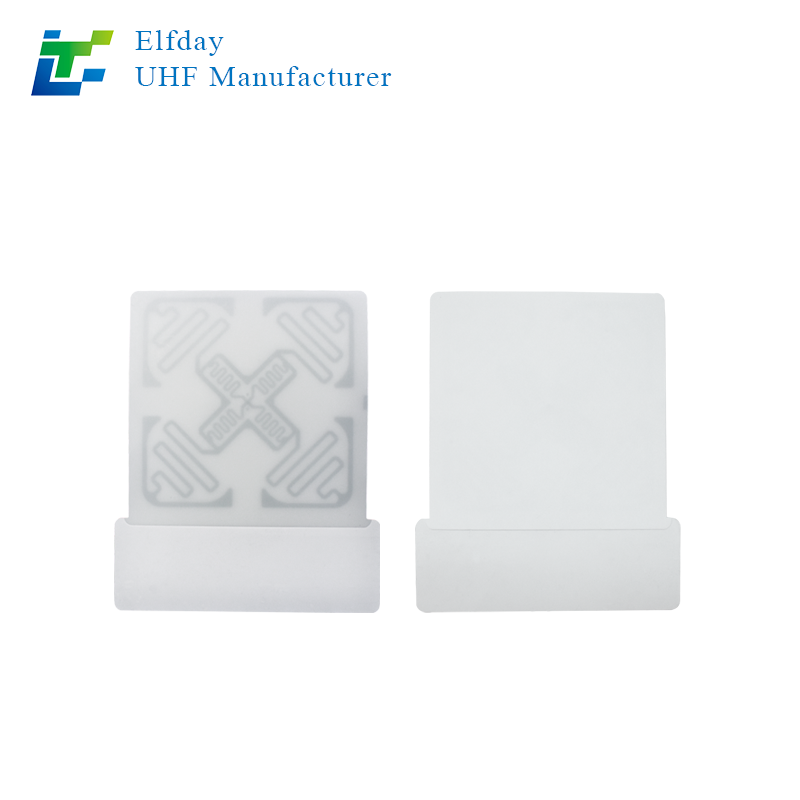
RFID tags are electronic identification devices that use radio frequency signals to communicate with RFID readers. Each tag contains a unique identification number that can be associated with an attendee's registration information, ticket type, access permissions, or other event-related data.
Depending on the event requirements, RFID tags can be integrated into different wearable and ticketing products:
RFID Wristbands: Commonly used at music festivals, concerts, sporting events, and amusement parks.
RFID Badges: Suitable for conferences, exhibitions, trade shows, and business events.
RFID Cards: Used for membership identification, VIP access, and staff management.
RFID Tickets: Provide convenient electronic ticket identification and entry verification.
Disposable RFID Tags: Designed for temporary access control and single-event applications.
These solutions help event organizers replace manual verification processes with automated identification systems.
How RFID Tags Work in Event Access Control
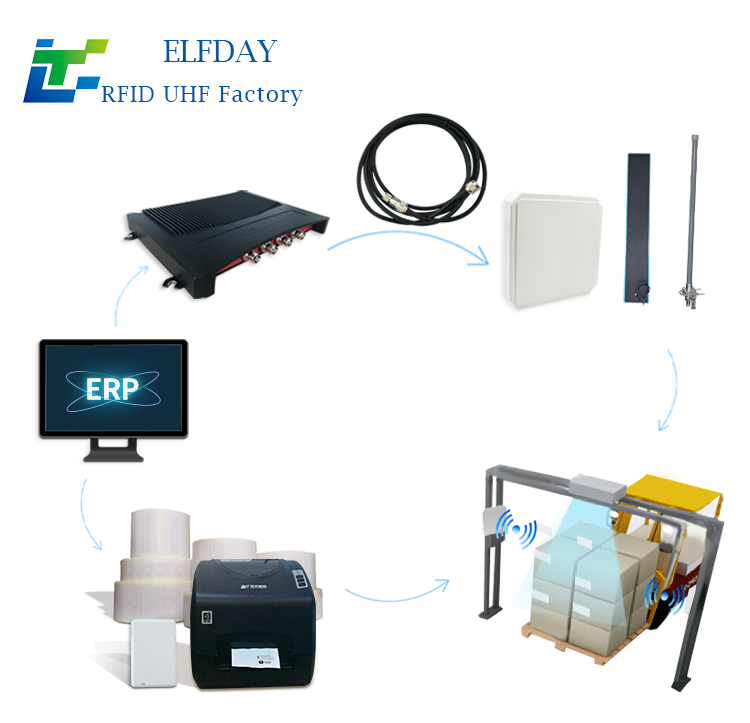
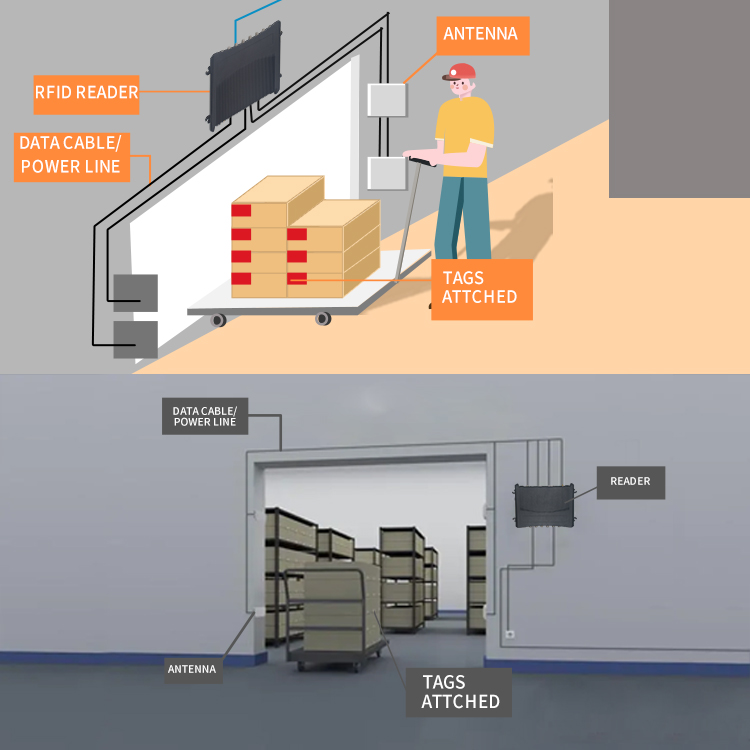
An RFID-based event access control system typically consists of RFID tags, RFID readers, antennas, and access management software.
The identification process generally follows four steps:
-
Tag Registration: Each attendee receives an RFID wristband, badge, or card linked to their registration information.
-
Signal Transmission: RFID readers and antennas transmit radio frequency signals to detect nearby RFID tags.
-
Identity Verification: The system reads the tag's unique identifier and checks its access permissions against the event database.
-
Access Authorization: If the credentials are valid, the access control system grants entry and records the transaction.
This process allows event organizers to verify attendees quickly without manually checking printed tickets or identification documents at every entrance.
Key Applications of RFID Tags in Event Management
RFID technology supports various event management activities, from attendee registration to restricted-area access.
Festival and Concert Access Control
RFID wristbands allow organizers to identify ticket holders, manage entry permissions, and control access to general admission, VIP, and backstage areas.
Conference and Exhibition Management
RFID badges help automate attendee registration, track session attendance, and support controlled access to meeting rooms and exhibition areas.
Sports Events and Stadiums
RFID tickets and wristbands help manage stadium entrances, designated seating sections, staff access, and restricted facilities.
Amusement Parks and Entertainment Venues
RFID wristbands can support park admission, attraction access, visitor identification, and cashless payment systems when integrated with compatible payment platforms.
Corporate Events and Staff Management
RFID badges help distinguish employees, contractors, exhibitors, and visitors while managing access to different event areas.
Benefits of Using RFID Tags for Event Access Control
Implementing RFID technology can significantly improve event operations.
Faster Attendee Check-In
RFID systems can identify attendees without requiring individual barcode scanning or manual ticket verification. Multiple RFID tags may be detected simultaneously, depending on the system configuration.
This helps reduce entrance congestion and improve the attendee experience.
Improved Security
RFID-based access control allows organizers to assign different permissions to different attendee groups.
For example:
General admission attendees can access public event areas.
VIP ticket holders can enter exclusive lounges.
Staff members can access operational areas.
Authorized personnel can enter restricted backstage zones.
Access permissions can be managed centrally through event management software.
Real-Time Attendance Monitoring
RFID readers installed at entrances and designated checkpoints can record attendee identification events.
Organizers can use this information to:

Monitor entrance activity.
Estimate attendance levels.
Analyze visitor traffic.
Track session participation.
Improve future event planning.
Reduced Ticket Fraud
RFID tags provide unique identification credentials that can be linked to registered attendee records. When combined with backend validation and appropriate security measures, they help reduce ticket duplication and unauthorized entry.
Better Attendee Experience
RFID wristbands and badges are convenient to wear and use. Attendees do not need to repeatedly search for printed tickets or open mobile applications at every checkpoint.
Choosing the Right RFID Tags for Event Applications
Different events require different RFID tag technologies. Selecting the right frequency and tag format is essential for reliable performance.
|
RFID Technology |
Frequency |
Typical Applications |
Main Characteristics |
|
LF RFID |
125–134.2 kHz |
Basic identification and access control |
Short reading distance |
|
HF RFID |
13.56 MHz |
Event wristbands, badges, NFC applications |
Short-range identification |
|
UHF RFID |
860–960 MHz |
Large-scale event entry and crowd identification |
Longer reading distance and bulk reading capabilities |
HF RFID Tags
HF RFID tags operating at 13.56 MHz are commonly used for event wristbands, access cards, and NFC-compatible applications. They are suitable for close-range identification and controlled entry points.
UHF RFID Tags
UHF RFID tags are suitable for applications requiring longer reading distances and faster identification of multiple attendees. They are often considered for large-scale event entrances and automated attendance monitoring.
The appropriate choice depends on the event size, reading distance, tag placement, reader configuration, and security requirements.
Important Factors When Selecting RFID Tags
Before implementing an RFID event management system, organizers should consider the following factors:
|
Selection Factor |
Key Considerations |
|
Frequency |
HF or UHF depending on reading distance and application |
|
Tag Form Factor |
Wristbands, badges, cards, or ticket labels |
|
Reading Distance |
Match the tag and reader to the entrance configuration |
|
Durability |
Water resistance, tear resistance, and repeated-use requirements |
|
Security |
Unique IDs, authentication, encryption, and backend validation |
|
Comfort |
Lightweight and comfortable wearable materials |
|
Customization |
Printing, logos, colors, and event branding |
|
Integration |
Compatibility with RFID readers and event management software |
For outdoor festivals and multi-day events, waterproof and durable RFID wristbands are particularly useful. For conferences and exhibitions, RFID badges and cards may provide a more practical solution.
RFID Readers and Antennas: Essential Components of Event Access Control
RFID tags cannot operate as a complete identification system on their own. RFID readers and antennas are equally important for achieving reliable event access control.
RFID Readers: Communicate with RFID tags and process identification information.
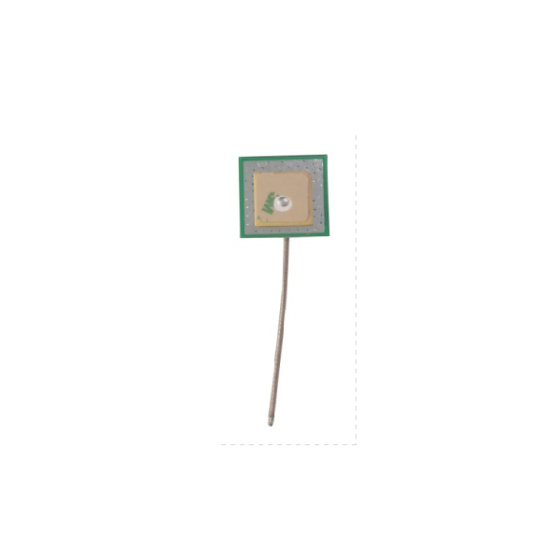
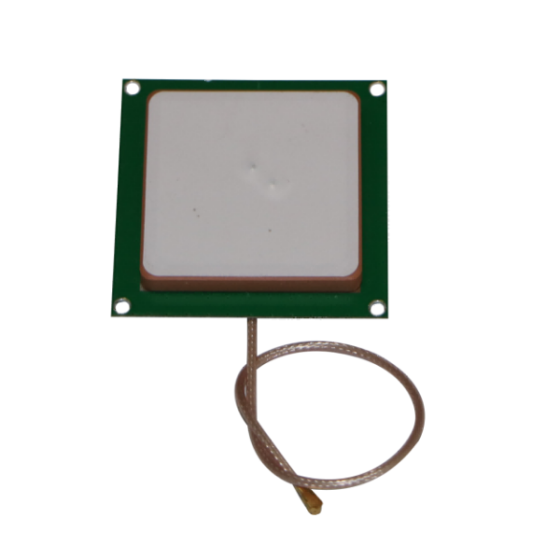
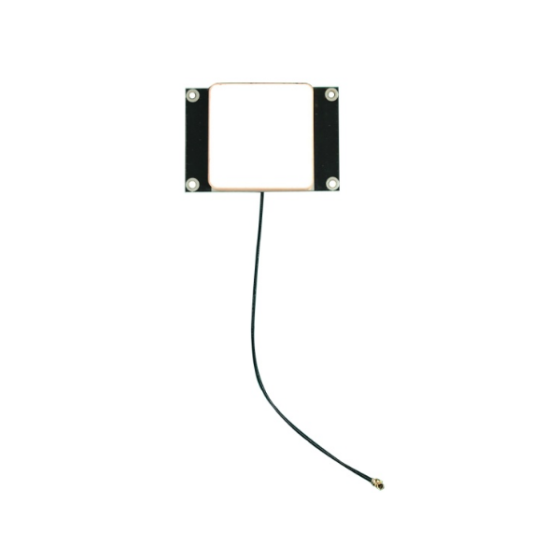
RFID Antennas: Transmit and receive radio frequency signals to detect tags within the designated coverage area.
Access Control Software: Verifies attendee credentials, manages permissions, and records entry information.
For large events, multiple antennas can be installed around entrance gates to improve coverage and reduce missed reads.
Proper antenna positioning, RF power adjustment, and interference management are important to prevent unintended reads from people outside the designated access area.
RFID tags are becoming an important part of modern event management and access control. From festival wristbands and conference badges to stadium tickets and corporate identification cards, RFID technology helps automate attendee identification and improve entrance management.
By combining suitable RFID tags with compatible readers, antennas, and access management software, event organizers can create a more efficient, secure, and convenient event experience.
As events continue to grow in scale and complexity, RFID solutions offer a flexible foundation for smarter attendee management and automated access control.
Looking for RFID Tags for Your Event Management Project?
Choosing the right RFID wristbands, cards, labels, and inlays is essential for building a reliable event identification system. Whether you need HF RFID tags for close-range access control or UHF RFID tags for large-scale attendee identification, selecting the right technology can help improve event efficiency and security.
Contact a professional RFID manufacturer to explore customized RFID tag solutions for your event management and access control requirements.