



How RFID Readers and Antennas Improve Industrial Asset Identification
RFID (Radio Frequency Identification) technology is transforming industrial asset identification by enabling businesses to track, identify, and manage equipment, tools, inventory, and other valuable assets more efficiently. At the heart of an RFID system are two essential components: RFID readers and RFID antennas.
Working together, these devices enable automated, contactless identification, reduce manual data entry, and improve real-time asset visibility across industrial environments.
Understanding RFID Readers and Antennas
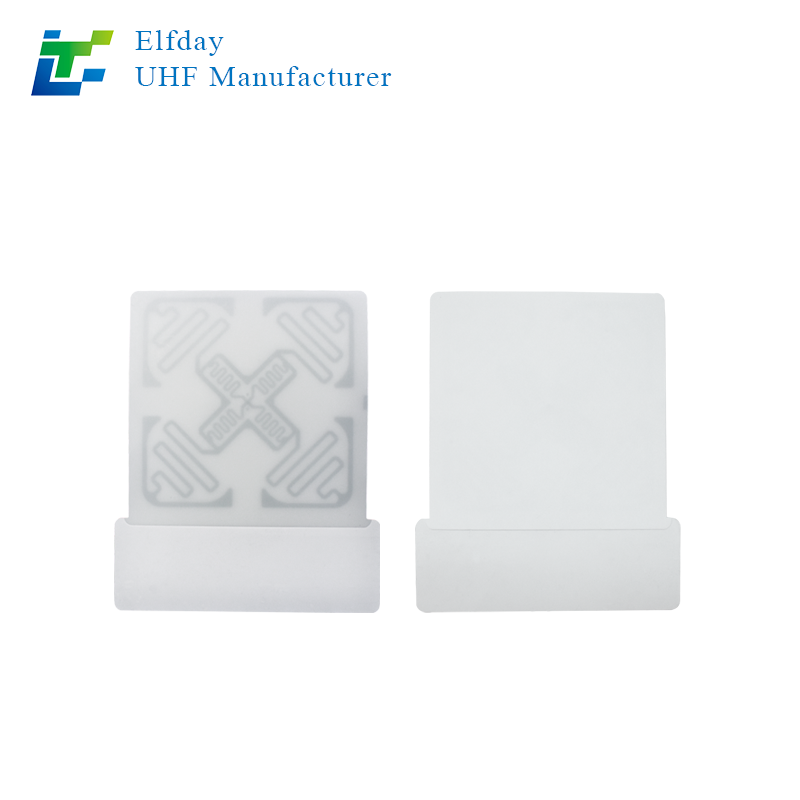
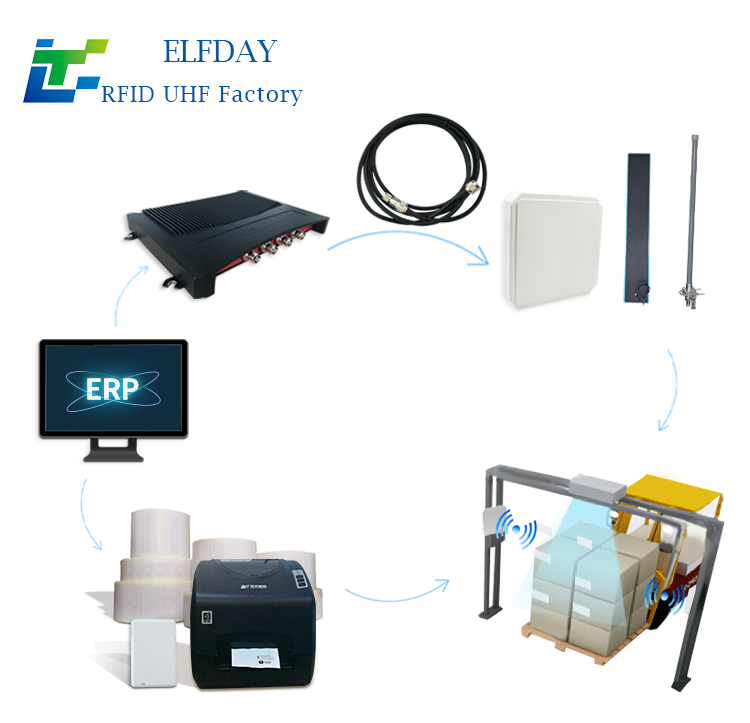
An RFID identification system typically consists of RFID tags, RFID readers, and RFID antennas. Each component plays a different role in the identification process.
RFID Readers
RFID readers are responsible for transmitting radio frequency signals, receiving responses from RFID tags, and processing identification data. Depending on the application, industrial facilities can use fixed RFID readers or handheld RFID readers.
RFID Antennas
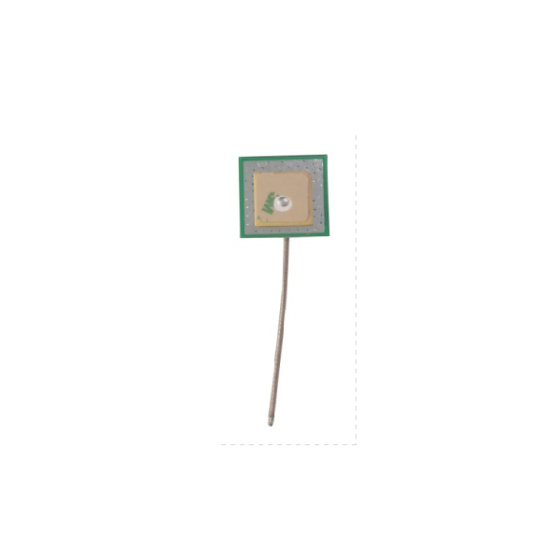
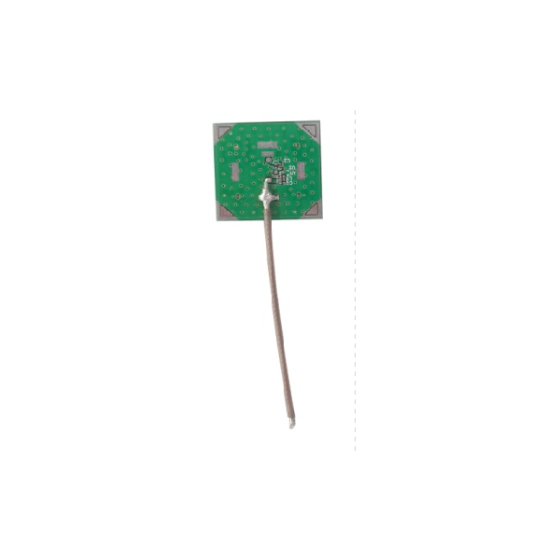
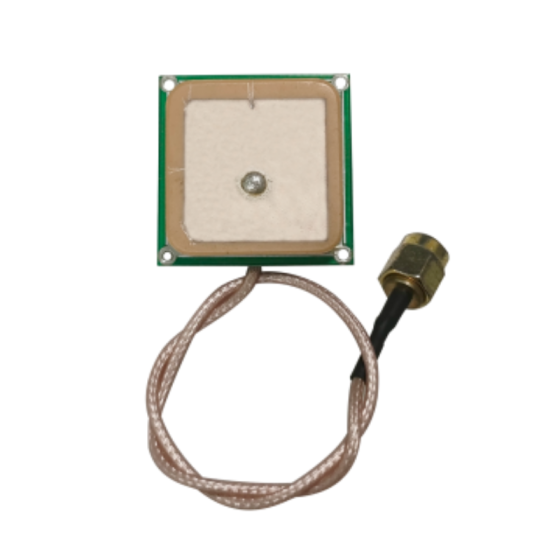
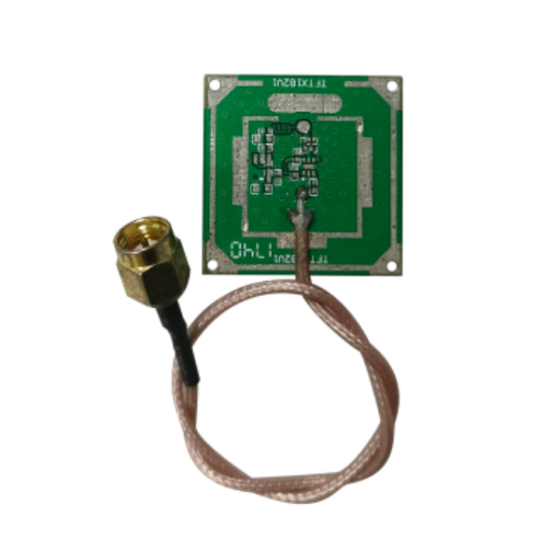
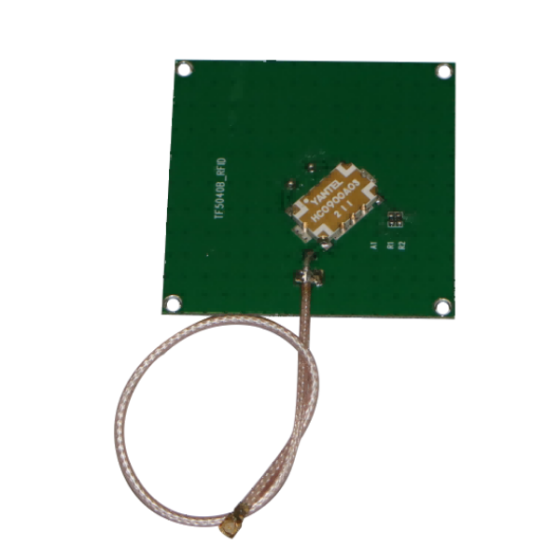
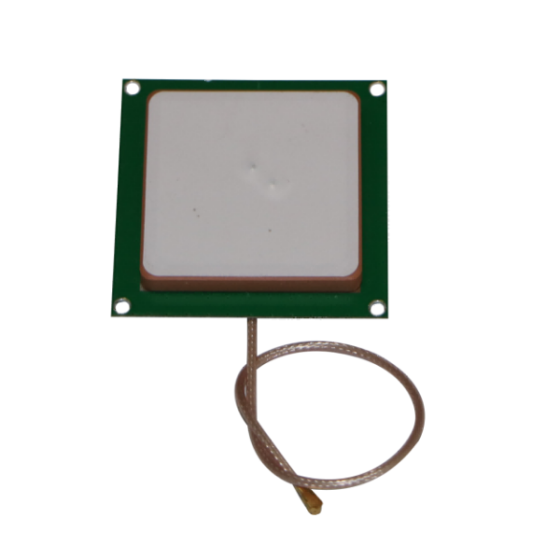
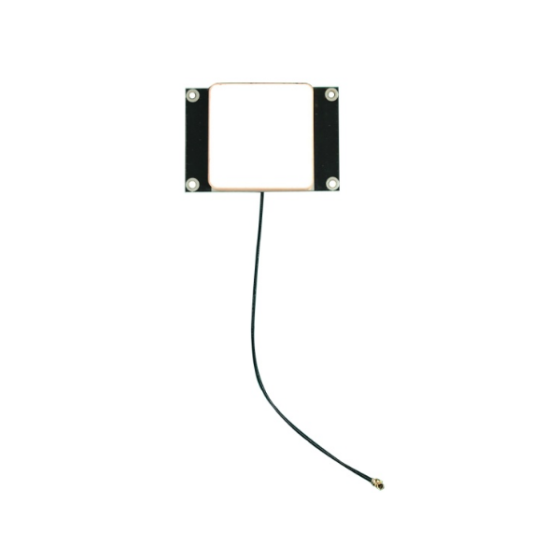
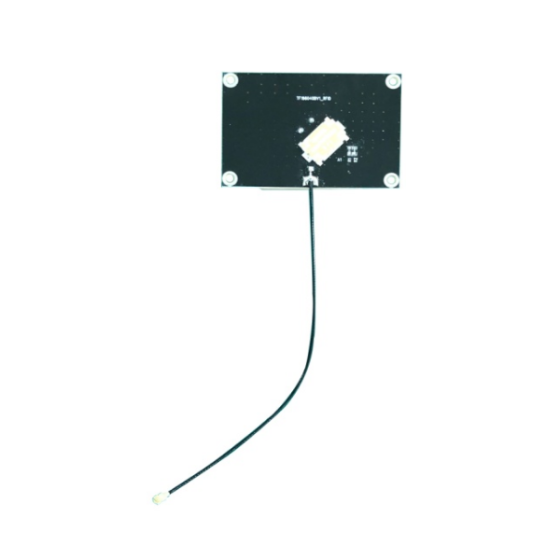
RFID antennas transmit and receive radio frequency signals between readers and RFID tags. Their performance directly affects reading distance, coverage area, signal stability, and identification accuracy.
When properly configured, RFID readers and antennas create an automated identification network that can recognize multiple tagged assets without requiring direct line-of-sight scanning.
How RFID Readers Improve Industrial Asset Identification
RFID readers help industrial facilities automate asset identification and streamline daily operations.
Automated Asset Identification
Traditional barcode scanning requires workers to locate and scan individual labels. RFID readers can identify multiple RFID tags simultaneously, reducing manual operations and improving processing efficiency.
This is particularly useful in manufacturing facilities, warehouses, and distribution centers where large numbers of assets need to be identified.
Real-Time Asset Tracking
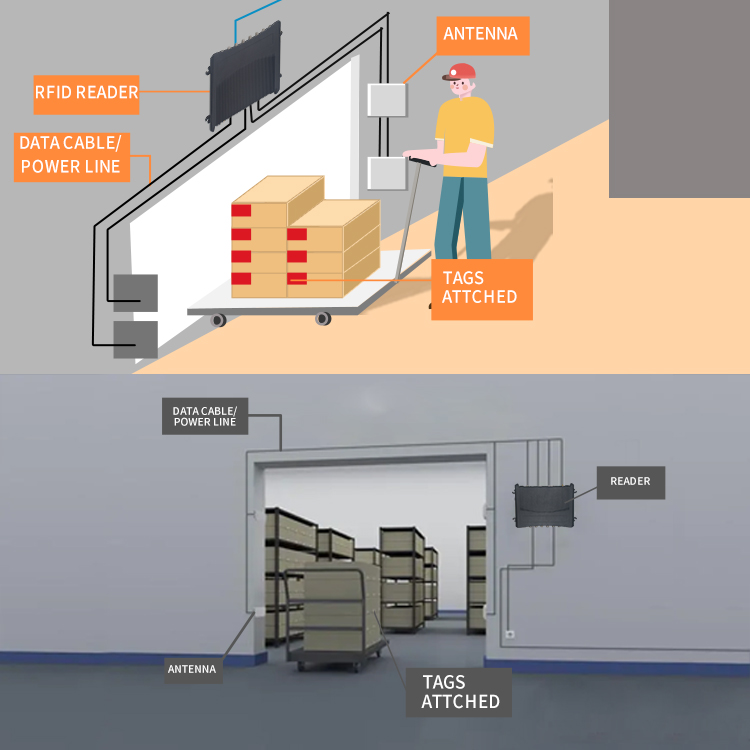
Fixed RFID readers installed at entrances, exits, production lines, and storage areas can automatically detect tagged assets as they move through designated locations.
This allows businesses to:
Monitor asset movement between departments.
Track equipment entering and leaving facilities.
Improve inventory visibility.
Reduce misplaced tools and equipment.
Maintain more accurate asset records.
Improved Data Accuracy
Manual asset management can lead to scanning errors, duplicate records, and outdated inventory information.
RFID readers automatically collect tag identification data, helping businesses maintain more consistent and accurate asset databases.
How RFID Antennas Improve Identification Performance
While RFID readers process identification data, antennas determine how effectively radio frequency signals reach RFID tags.
Extended Reading Distance
High-performance RFID antennas help extend the communication range between readers and tags.
For example, UHF RFID antennas operating in the 902–928 MHz frequency band are commonly used in North American industrial applications. Depending on the reader power, antenna gain, tag sensitivity, and installation environment, they can support identification over several meters.
Wider Coverage Area
Directional and circularly polarized RFID antennas can provide different coverage patterns depending on the installation requirements.
Directional antennas: Focus RF energy toward a specific identification area.
Circularly polarized antennas: Help identify tags with different orientations.
Multiple-antenna configurations: Expand coverage across larger industrial areas.
More Reliable Tag Detection
Industrial assets are not always positioned in the same direction. Antenna polarization, beamwidth, mounting height, and placement all influence tag detection performance.
Selecting the appropriate RFID antenna helps reduce missed reads and improve identification consistency.
Key Industrial Applications of RFID Readers and Antennas
RFID technology can be integrated into various industrial asset identification scenarios.
Warehouse Asset Management
RFID readers and antennas automatically identify tagged inventory, pallets, storage containers, and equipment, improving inventory visibility and warehouse efficiency.
Manufacturing Equipment Tracking
RFID systems help identify production tools, machinery, components, and work-in-progress materials throughout manufacturing processes.
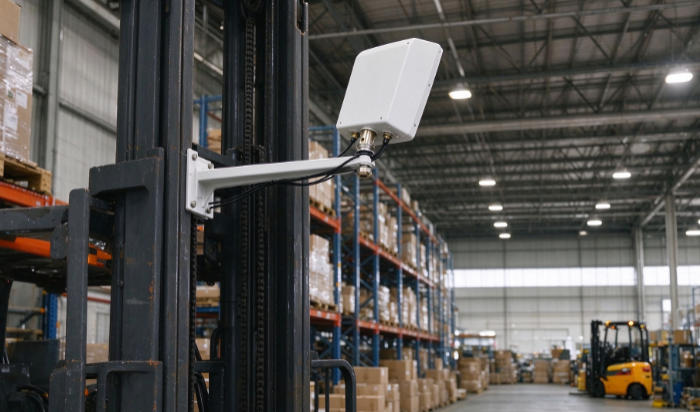
Vehicle and Fleet Management
RFID antennas installed at vehicle access points can automatically identify tagged vehicles, helping improve access control and fleet management.
Tool and Equipment Management
RFID technology helps businesses monitor valuable tools, maintenance equipment, and reusable industrial assets, reducing loss and improving utilization.
Industrial Logistics Tracking
RFID readers installed along conveyor systems and logistics checkpoints automatically identify tagged goods as they move through the supply chain.
How to Choose the Right RFID Reader and Antenna
Choosing the right RFID equipment is essential for achieving reliable identification performance in industrial environments.
Consider the following factors:
|
Selection Factor |
What to Consider |
|
Frequency |
Select the appropriate frequency band, such as UHF 902–928 MHz for North American applications. |
|
Reading Distance |
Choose reader power and antenna gain according to the required identification range. |
|
Antenna Polarization |
Circular or linear polarization depending on tag orientation. |
|
Beamwidth |
Select an appropriate coverage angle for the installation area. |
|
Environmental Protection |
Consider IP ratings, temperature resistance, and outdoor conditions. |
|
Installation |
Evaluate mounting height, mounting position, and available space. |
|
Interference |
Consider metal surfaces, liquids, nearby equipment, and RF reflections. |
It is also important to ensure that RFID readers, antennas, and tags operate on compatible frequency bands and communication standards.
Benefits of Integrating RFID Readers and Antennas
An appropriately designed RFID system offers several advantages for industrial asset management:
Higher identification efficiency: Automatically identify multiple assets without individual scanning.
Reduced labor costs: Minimize repetitive manual inventory and tracking operations.
Improved asset visibility: Monitor asset movement and inventory status more effectively.
Greater data accuracy: Reduce manual recording errors and improve database consistency.
Better operational control: Support equipment management, logistics tracking, and production monitoring.
Scalable deployment: Expand RFID coverage as industrial operations grow.
RFID readers and antennas play complementary roles in improving industrial asset identification. RFID readers process tag information, while antennas provide the radio frequency coverage needed for reliable communication.
By selecting suitable RFID readers, high-performance antennas, and compatible RFID tags, industrial businesses can build more efficient asset identification systems, improve operational visibility, and optimize equipment management.
Whether used in warehouses, manufacturing facilities, logistics centers, or vehicle management systems, RFID technology provides a practical foundation for smarter industrial operations.