






How does an RFID system detect inventory anomalies?
An RFID (Radio Frequency Identification) system detects inventory anomalies by automatically collecting tag data, comparing actual inventory movements with expected records, and identifying discrepancies in real time.
Instead of relying on manual stock counts, RFID technology helps businesses identify missing items, misplaced products, unauthorised movements, and inventory record errors.
How an RFID system detects inventory anomalies
The detection process generally involves five steps:
Step 1: Assign RFID tags to inventory
Each product, carton, pallet, or asset is assigned an RFID tag containing a unique identification number. This allows the system to distinguish individual items and maintain accurate inventory records.
Step 2: Collect inventory data automatically
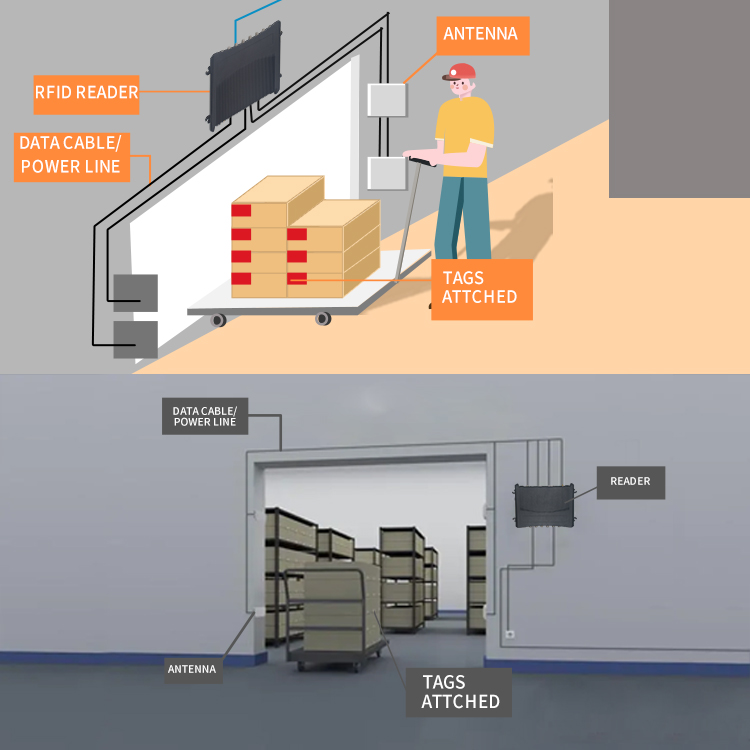
RFID readers installed at warehouse entrances, storage areas, shelves, or inventory checkpoints capture tag information through radio frequency signals.
Unlike barcode scanning, RFID readers can identify multiple tags simultaneously without requiring direct line of sight.
Step 3: Compare actual inventory with system records
The RFID software compares collected tag data against expected inventory information, including:
Expected stock quantities
Product identification numbers
Storage locations
Incoming and outgoing shipments
Inventory movement records
Any differences can indicate a potential inventory anomaly.
Step 4: Identify unusual inventory activities
The system analyses inventory records and movement patterns to identify discrepancies.
Common inventory anomalies include:
|
Inventory anomaly |
How RFID detects it |
|
Missing inventory |
Expected RFID tags are not detected during stock checks |
|
Unauthorised removal |
Tags are detected leaving an area without an authorised transaction |
|
Misplaced inventory |
An item is detected in an unexpected storage location |
|
Incorrect stock levels |
Actual tag counts differ from recorded quantities |
|
Duplicate records |
Repeated tag identification or inconsistent transaction data is flagged |
|
Unexpected movement |
Items move between monitored zones without a corresponding transaction |
Step 5: Generate alerts and reports
When an anomaly is detected, the RFID inventory management system can generate alerts, update inventory records, and notify warehouse personnel.
Staff can then investigate the discrepancy and take corrective action before it affects daily operations.

Common RFID technologies used for anomaly detection
Different RFID components work together to improve inventory visibility.
RFID tags
Store unique identification information for individual products, cartons, or assets.
RFID readers
Capture tag information automatically and monitor inventory movements.
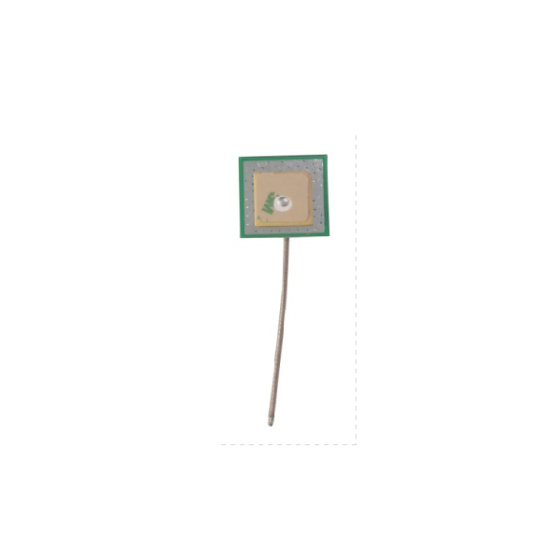
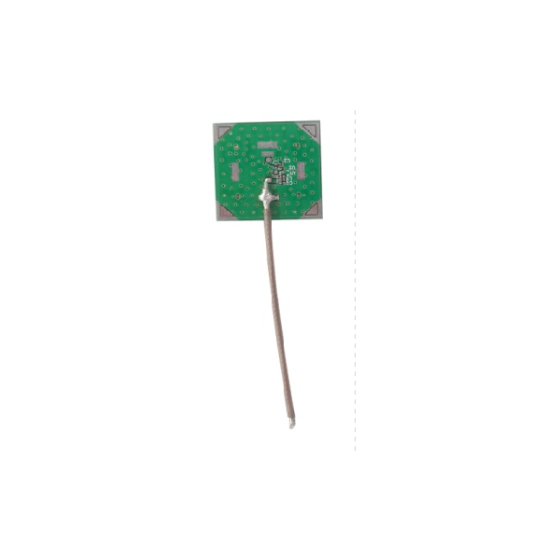
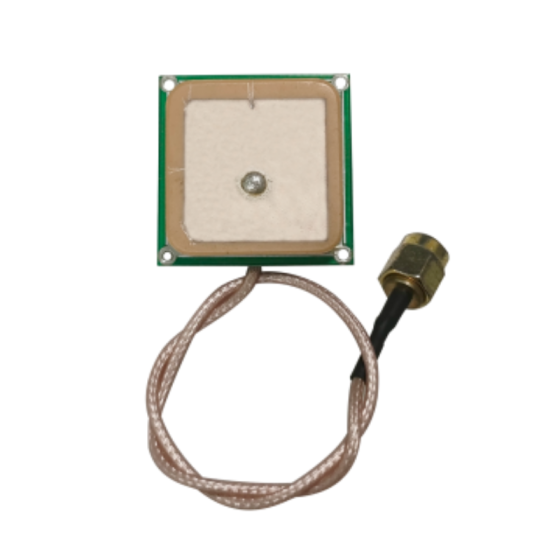
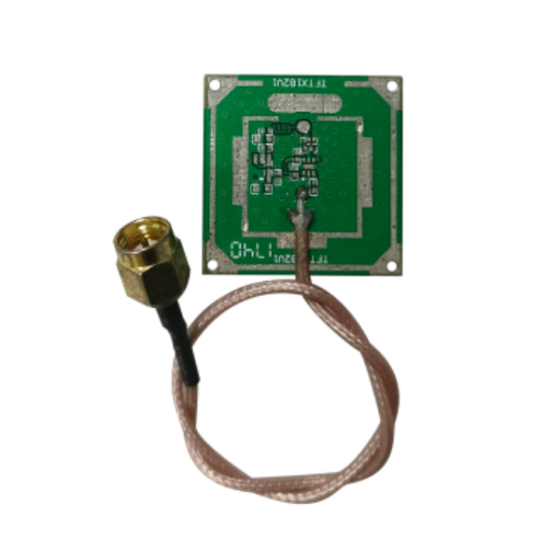
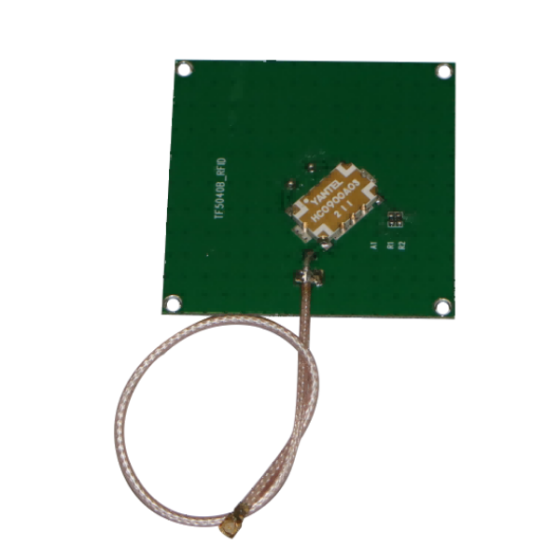
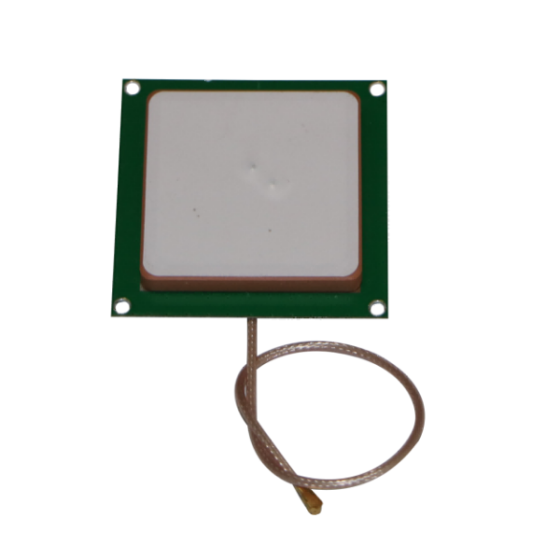
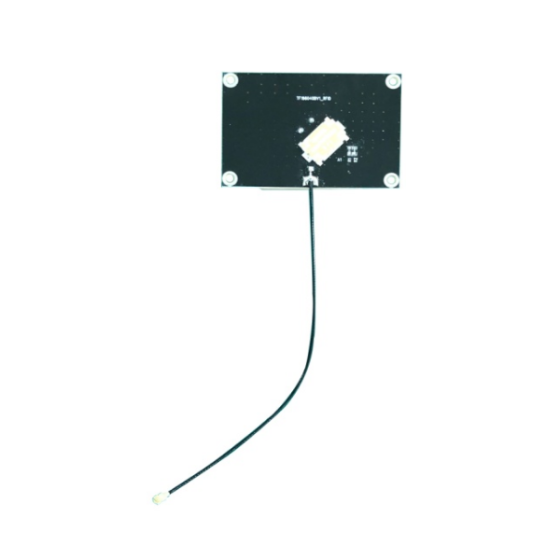
RFID antennas
Transmit and receive radio frequency signals to establish reliable tag detection coverage.
RFID inventory management software
Processes collected data, compares inventory records, identifies discrepancies, and generates alerts.
Practical example: Detecting missing inventory in a warehouse
Consider a warehouse that stores 500 electronic components in a designated storage area.
The inventory management system records 500 RFID-tagged items.
An RFID reader periodically scans the storage area.
The reader detects only 485 unique tags.
The software compares the detected items with the expected inventory records.
The system identifies 15 potentially missing items and generates an alert.
Warehouse staff investigate whether the items have been moved, shipped, misplaced, or removed without authorisation.
This process helps warehouse managers identify inventory discrepancies faster and reduce the need for time-consuming manual stock checks.
Benefits of RFID inventory anomaly detection
Implementing an RFID-based inventory monitoring system can provide several operational benefits:
-
Improved inventory accuracy: Automated identification reduces manual counting and recording errors.
-
Faster anomaly detection: Businesses can identify missing or misplaced inventory more quickly.
-
Better inventory visibility: Real-time or periodic monitoring provides a clearer picture of stock movements.
-
Reduced operational costs: Automated inventory checks help reduce labour requirements.
-
Improved asset security: Unauthorised inventory movements can trigger alerts for further investigation.
Important consideration: RFID does not automatically determine why an anomaly occurred. Missed reads, damaged tags, interference, reader coverage gaps, and delayed database updates can also create apparent discrepancies. Reliable anomaly detection requires appropriate reader placement, read-zone configuration, and software rules.
An RFID system detects inventory anomalies by automatically identifying tagged items, monitoring their movements, and comparing collected data with expected inventory records. By combining RFID tags, readers, antennas, and inventory management software, businesses can identify missing stock, misplaced products, unauthorised movements, and inaccurate inventory records.
This makes RFID technology a valuable solution for improving warehouse visibility, inventory accuracy, and supply chain management.