




What Enterprise Management Problems Can RFID Systems Solve?
RFID systems help enterprises solve common management challenges involving inventory control, asset tracking, warehouse operations, supply chain visibility, and production management. By automating identification and data collection, RFID technology enables businesses to reduce manual work, improve operational accuracy, and gain better visibility into daily activities.
For organisations managing large quantities of products, equipment, materials, or tools, traditional management methods can create unnecessary complexity. Manual data entry, barcode scanning, and periodic inventory checks often consume valuable time and leave room for human error.
RFID (Radio Frequency Identification) technology provides a more efficient way to identify and track items throughout business operations.
Inventory Management: Reducing Stock Discrepancies
Enterprise problem: Inventory records do not always match actual stock levels. Missing products, incorrect counts, and delayed updates can affect purchasing decisions and order fulfilment.
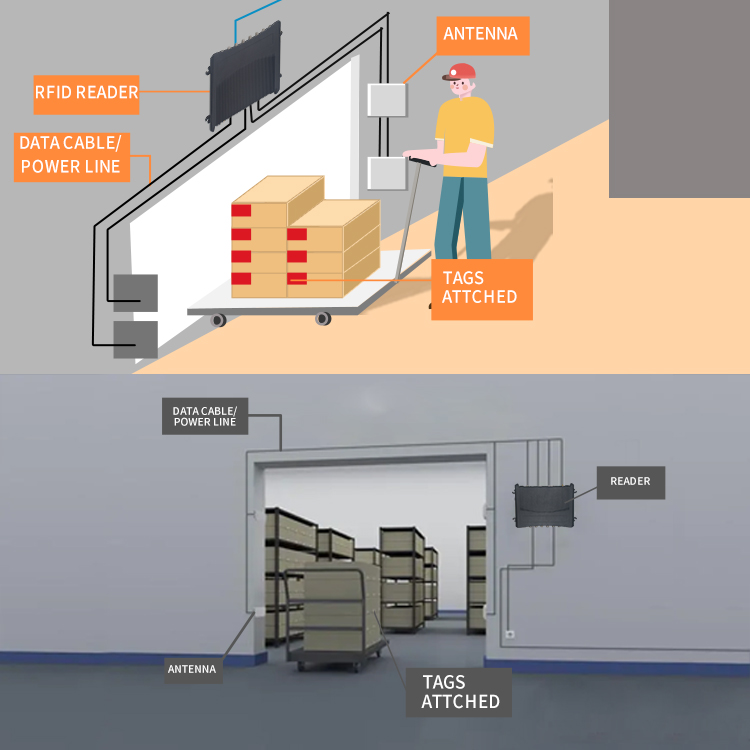
RFID solution: RFID tags attached to products, cartons, or pallets allow readers to identify multiple tagged items without scanning each barcode individually.
Businesses can use RFID systems to:
Automate inventory counting.
Monitor stock movements.
Identify misplaced products.
Improve inventory record accuracy.
Reduce manual stocktaking.
Asset Management: Preventing Equipment Loss
Enterprise problem: Large organisations often manage thousands of valuable assets across multiple facilities. Without reliable identification and tracking, equipment can become misplaced, underutilised, or difficult to locate.
RFID solution: Attaching RFID tags to machinery, computers, tools, and other assets creates a digital identification system.
RFID asset management can help enterprises:
Identify individual assets.
Record asset movement.
Simplify equipment inspections.
Monitor equipment utilisation.
Support maintenance planning.
Warehouse Management: Improving Operational Efficiency
Enterprise problem: Manual receiving, picking, sorting, and shipping processes can slow down warehouse operations and increase labour costs.
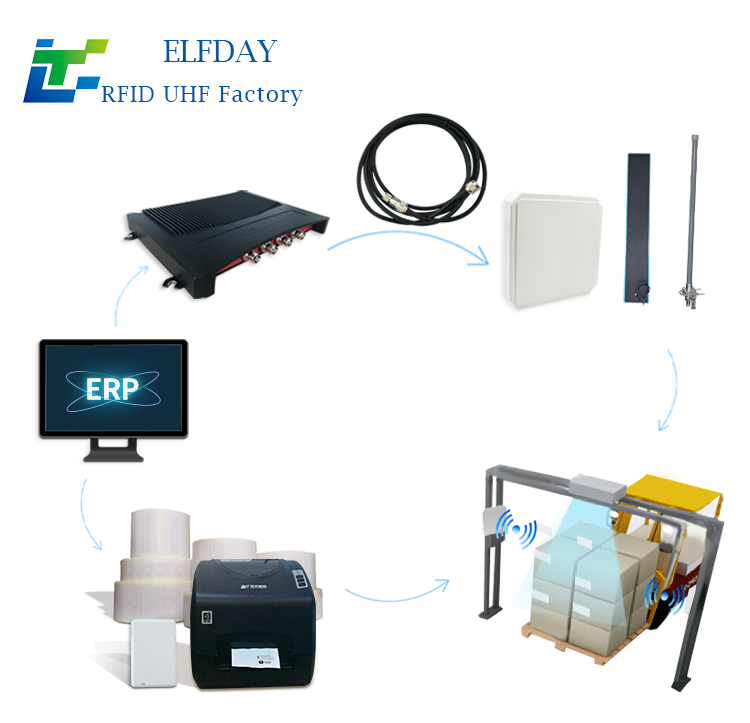
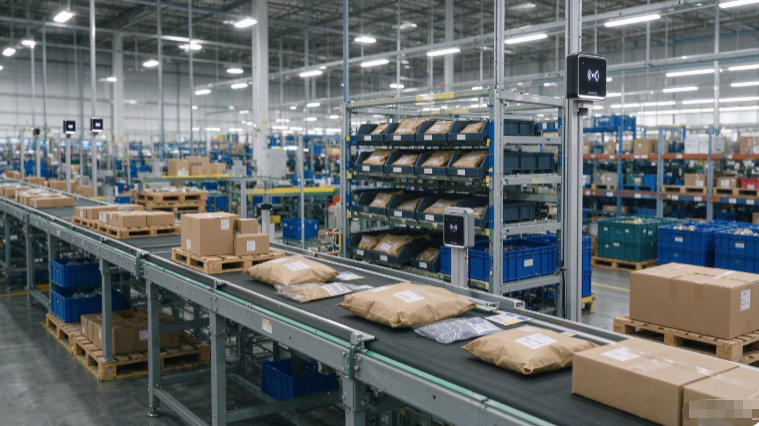
RFID solution: Fixed RFID readers installed at warehouse entrances, conveyor systems, and designated checkpoints can automatically capture tag information as products move through the facility.
This helps businesses improve receiving, inventory verification, goods sorting, and shipment checking while reducing repetitive manual scanning.
Supply Chain Management: Improving Product Visibility
Enterprise problem: Businesses often struggle to track products across suppliers, warehouses, distribution centres, and transportation networks.
RFID solution: RFID tags attached to products, pallets, or reusable containers help record identification and movement events at different supply chain checkpoints.
This provides better visibility into:
Goods leaving manufacturing facilities.
Products arriving at distribution centres.
Transfers between warehouses.
Shipment movements.
Delivery and receiving processes.
Production Management: Tracking Manufacturing Processes
Enterprise problem: Manufacturers may have difficulty monitoring work-in-progress products, identifying production bottlenecks, and tracking materials between production stages.
RFID solution: RFID tags attached to workpieces, containers, or production tools can help identify items as they move between manufacturing stations.
This supports production tracking, material management, process monitoring, and manufacturing traceability.
Personnel Management: Improving Access Control
Enterprise problem: Enterprises need to manage employee access across offices, factories, warehouses, and restricted areas.
RFID solution: RFID identification cards can work with electronic access control systems to verify credentials and record access events.
Businesses can assign access permissions, manage employee credentials, restrict entry to designated areas, and review access records.
Equipment Management: Reducing Tool Loss
Enterprise problem: Construction companies, factories, and maintenance departments often struggle to manage shared tools and specialised equipment.
RFID solution: RFID tags attached to individual tools allow businesses to identify equipment and record check-in, check-out, and movement events at designated reading points.
This improves tool accountability, simplifies equipment inspections, and reduces time spent searching for missing items.
Product Traceability: Strengthening Identification
Enterprise problem: Businesses may find it difficult to trace products throughout manufacturing, storage, and distribution.
RFID solution: Each RFID tag can carry a unique identifier associated with product information in a connected database.
This helps businesses record product movements, identify batches, improve inventory traceability, and support product recall investigations.
Operational Management: Reducing Manual Work
Enterprise problem: Repetitive identification, counting, and recording activities consume employee time and increase administrative workloads.
RFID solution: Automated RFID identification reduces the need for individual manual scanning in suitable applications.
Businesses can improve data collection efficiency, reduce repetitive tasks, and allocate employees to more valuable operational activities.
Business Decision-Making: Improving Data Visibility
Enterprise problem: Management teams may rely on outdated or incomplete operational reports, making it difficult to respond quickly to inventory changes and equipment issues.
RFID solution: RFID readers collect identification data that can be transmitted to connected enterprise software.
When integrated with ERP, WMS, MES, or asset management platforms, RFID data can help managers make more informed decisions about inventory, purchasing, production, and resource allocation.
Enterprise Management Problems and RFID Solutions
|
Management Problem |
RFID Application |
Business Benefit |
|
Inventory discrepancies |
RFID inventory management |
Improved stock accuracy |
|
Missing equipment |
RFID asset tracking |
Better asset visibility |
|
Slow warehouse operations |
Warehouse RFID systems |
Higher operational efficiency |
|
Poor supply chain visibility |
RFID logistics tracking |
Improved movement tracking |
|
Production bottlenecks |
Manufacturing RFID systems |
Better process monitoring |
|
Unauthorised access |
RFID access control |
Improved access management |
|
Lost tools |
RFID tool tracking |
Better equipment accountability |
|
Limited traceability |
RFID product tracking |
Improved product identification |
|
Excessive manual work |
Automated RFID identification |
Reduced repetitive tasks |
|
Delayed business decisions |
RFID data integration |
More timely information |
What Should Enterprises Consider When Implementing RFID Systems?
Choosing the right RFID solution requires more than selecting a reader or tag. Enterprises should consider several factors:
RFID frequency: LF, HF, and UHF technologies serve different applications. UHF RFID is widely used in warehouse management, logistics, and asset tracking.
RFID tag selection: Tag materials, chip types, dimensions, and environmental resistance should match the application.
Reader configuration: Handheld readers support mobile inspections, while fixed readers enable automated identification at designated locations.
System integration: Compatibility with existing ERP, WMS, MES, and asset management software is important.
Future scalability: The system should accommodate increasing inventory volumes, additional facilities, and changing operational requirements.
RFID systems can solve many enterprise management problems by improving identification, tracking, inventory control, and data collection. From warehouse management and asset tracking to manufacturing and supply chain operations, RFID technology helps businesses reduce manual processes and improve operational visibility.
However, successful implementation depends on selecting suitable RFID tags, readers, and software for specific business requirements. When these components work together, RFID systems can become an important part of a more efficient and scalable enterprise management strategy.

