



How does an RFID production line management system facilitate the management of production processes?
An RFID production line management system facilitates production process management by using RFID (Radio Frequency Identification) technology to automatically identify, track, and record products as they move through different manufacturing stages. It provides real-time production visibility, improves workflow coordination, reduces manual errors, and helps manufacturers maintain better control over production operations.
Here are seven key ways an RFID production line management system supports production management.
Real-Time Production Tracking
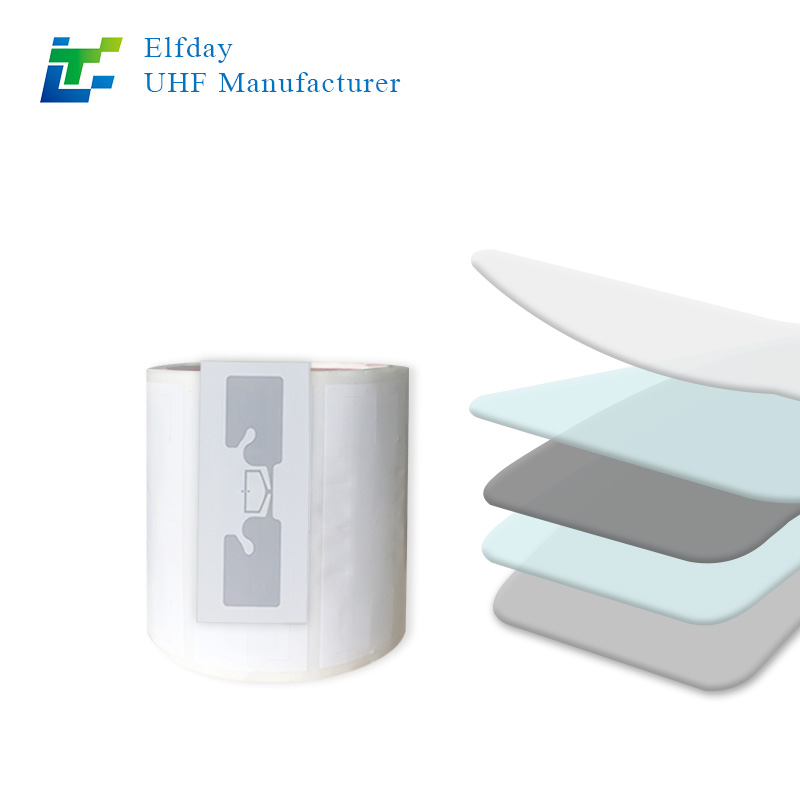
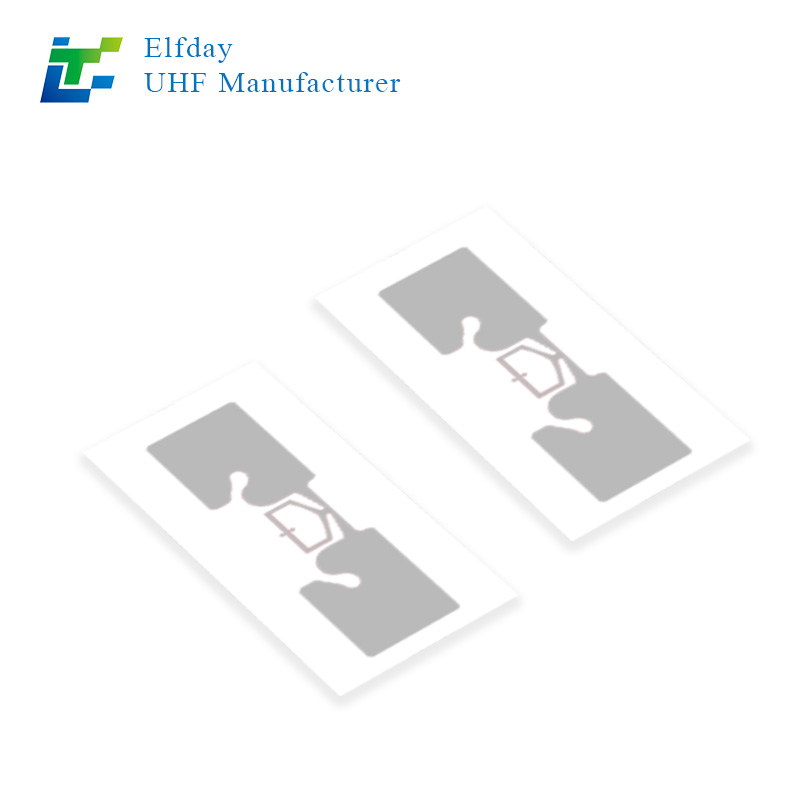
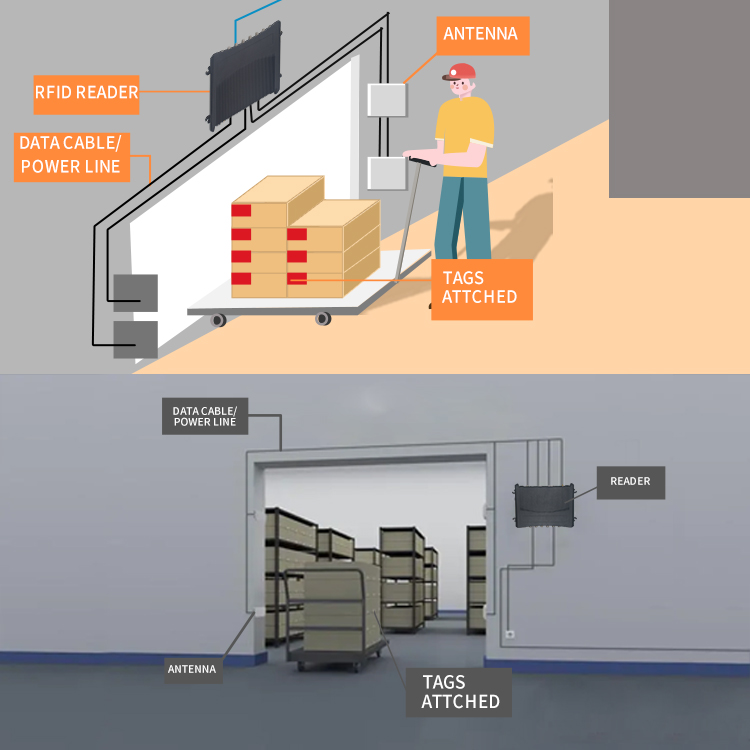
RFID tags are attached to workpieces, components, or product carriers. RFID readers installed at key production stations automatically collect identification data as items move along the production line.
Managers can use this information to monitor:
-
The current location of each product or workpiece.
-
Which production stage has been completed.
-
Which workstation is processing each item.
-
How many products are in production.
-
Whether production is progressing according to schedule.
This real-time visibility helps managers identify delays and keep production operations running smoothly.
Automated Production Data Collection
Traditional production management often relies on workers manually recording production information, which can lead to inaccurate data and delayed reporting.
An RFID production line management system automates this process. When an RFID-tagged product passes an RFID reader, relevant information is collected and transmitted to the management system.
Automatically collected data may include:
-
Product identification numbers.
-
Production start and completion times.
-
Processing station information.
-
Production quantities.
-
Workstation operation records.
This reduces manual data entry and provides more accurate production records for analysis and decision-making.
Work-in-Process (WIP) Management
Managing work-in-process inventory is essential for maintaining an efficient production line.
By assigning unique RFID tags to products or workpiece carriers, manufacturers can track unfinished products throughout the manufacturing process.
The system helps managers:
-
Identify the number of products waiting at each workstation.
-
Monitor work-in-process inventory in real time.
-
Locate products that have been delayed.
-
Identify production bottlenecks.
-
Coordinate material distribution between workstations.
With better WIP visibility, manufacturers can reduce unnecessary waiting times and improve production flow.
Production Process Control and Workflow Coordination
An RFID system can help ensure that products follow the correct manufacturing sequence.
When a product arrives at a workstation, the RFID reader identifies its tag and retrieves the corresponding production instructions from the management system.
The system can then:
-
Verify whether the product is at the correct workstation.
-
Check whether the previous production operation has been completed.
-
Display the required processing instructions.
-
Record completed production operations.
-
Trigger alerts when an incorrect process sequence is detected.
This helps standardise production workflows and reduces errors caused by incorrect operations.
Quality Control and Production Traceability
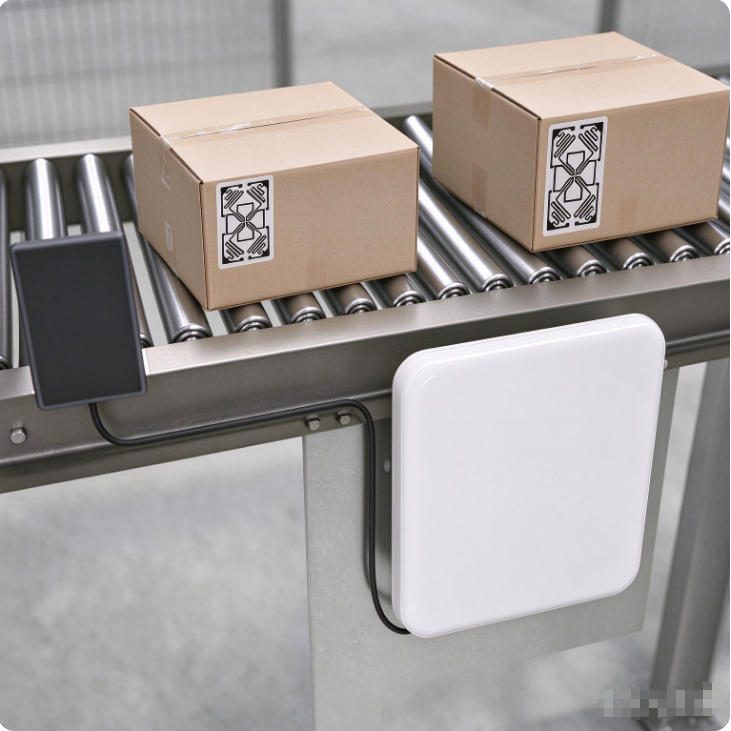
Product quality management requires accurate production records and traceable manufacturing information.
An RFID production line management system links each product's unique identification code with its production history.
Manufacturers can use these records to trace:
-
Raw materials and component information.
-
Production dates and processing stages.
-
Equipment and workstation information.
-
Quality inspection results.
-
Rework and maintenance records.
If a quality problem occurs, managers can quickly identify the affected products and trace the relevant production processes. This makes quality investigations more efficient and supports consistent product quality.
Equipment and Personnel Management
RFID technology can also support the management of production equipment, tools, and personnel.
For example, RFID tags can be attached to manufacturing equipment and tools, while RFID identification cards can be assigned to authorised employees.
The system can help manufacturers:
-
Monitor equipment usage.
-
Record equipment operating times.
-
Track tool locations.
-
Manage employee access to specific workstations.
-
Associate production operations with responsible personnel.
These functions improve resource utilisation and provide additional information for production management.
Production Data Analysis and Performance Optimisation
An RFID production line management system collects production data continuously, creating a valuable source of information for operational analysis.
Managers can use the collected data to evaluate:
-
Production output and completion rates.
-
Production cycle times.
-
Equipment utilisation.
-
Workstation efficiency.
-
Production delays and bottlenecks.
-
Product defect and rework rates.
By analysing these indicators, manufacturers can identify inefficient processes, adjust production schedules, and make informed decisions to improve overall productivity.
How Does an RFID Production Line Management System Work?
A typical RFID-enabled production workflow involves the following steps:
-
RFID Tag Assignment
Each workpiece, product, or carrier receives an RFID tag containing a unique identification number.
-
Automatic Identification
RFID readers installed at production stations detect tags and collect product identification data.
-
Data Transmission
Collected information is transmitted to the production management system or Manufacturing Execution System (MES).
-
Production Process Verification
The system checks production progress, workstation assignments, and processing requirements.
-
Data Recording and Analysis
Production information is stored, analysed, and displayed through management dashboards and reports.
Key Benefits of RFID Production Line Management
|
Management area |
Main benefits |
|
Production tracking |
Real-time product location and status visibility |
|
Data collection |
Less manual recording and fewer data entry errors |
|
WIP management |
Better inventory visibility and workflow coordination |
|
Process control |
Improved production sequence compliance |
|
Quality management |
More accurate product traceability |
|
Equipment management |
Better equipment and tool utilisation |
|
Data analysis |
More informed production planning and optimisation |
An RFID production line management system facilitates production process management by connecting products, workstations, equipment, and production data through automatic identification and real-time information collection.
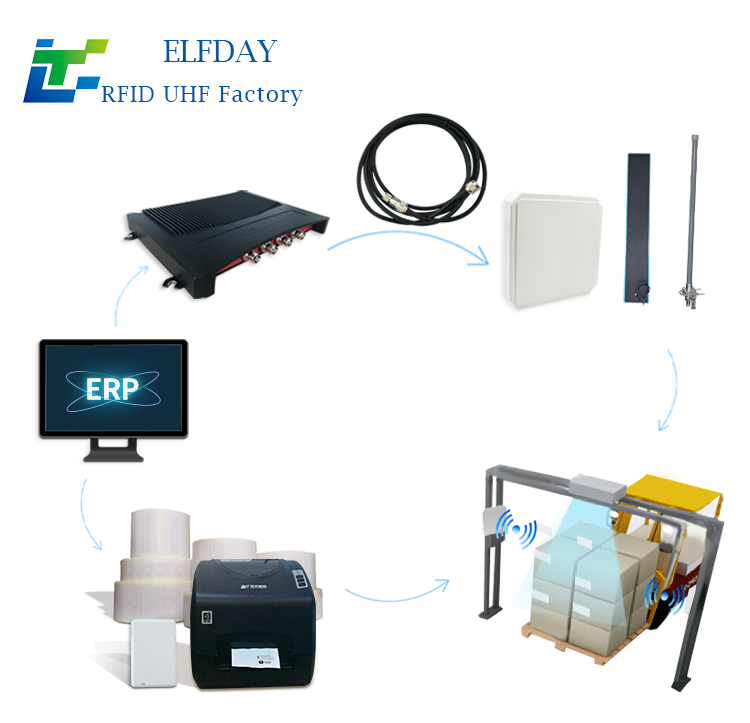
It helps manufacturers improve production visibility, streamline workflow coordination, strengthen quality traceability, and optimise resource utilisation. When integrated with MES or ERP software, RFID technology can provide a more comprehensive approach to smart manufacturing and digital production management.
Ultimately, RFID is not simply a tool for identifying products. It is an important technology for building more transparent, efficient, and manageable production processes.