




How to Estimate the Long-Term Cost of an RFID Tag Deployment
Estimating the long-term cost of an RFID tag deployment requires more than evaluating the initial investment in RFID tags and hardware. Businesses also need to consider ongoing maintenance, software management, system integration, tag replacement, and operational expenses throughout the RFID system's lifecycle.
For companies implementing RFID technology across warehouses, manufacturing facilities, distribution centers, or multiple locations, understanding these cost factors is essential for effective budget planning and long-term project management.
This article explains how to evaluate the long-term costs of an RFID deployment, identify potential expenses, and develop a practical cost management strategy.
Identify All Major RFID Deployment Cost Categories
The first step is to identify every expense associated with the RFID project.
A typical RFID deployment involves several major cost categories:
|
Cost Category |
Main Cost Components |
|
RFID Tags |
RFID labels, hard tags, on-metal tags, specialized tags |
|
RFID Hardware |
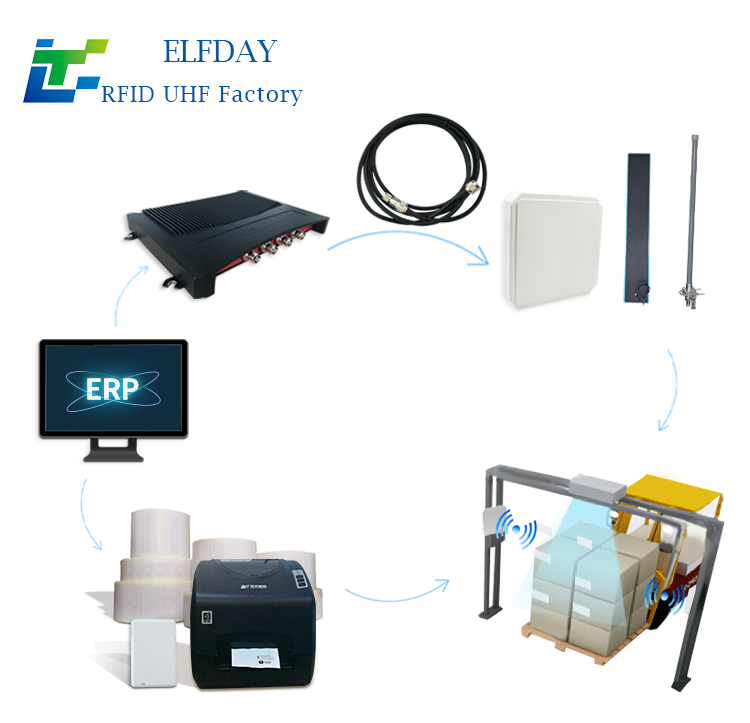
Fixed readers, handheld readers, antennas, RFID printers |
|
Software |
RFID middleware, inventory management systems, cloud platforms |
|
System Integration |
ERP, WMS, MES integration, API development |
|
Installation |
Equipment installation, cabling, network configuration |
|
Maintenance |
Equipment inspection, repairs, firmware updates |
|
Employee Training |
Initial training, technical training, ongoing education |
|
Tag Replacement |
Damaged tags, defective tags, lost tags |
Identifying these categories helps businesses avoid overlooking expenses that may arise after the initial deployment.
Evaluate RFID Tag Consumption and Replacement Requirements
RFID tags are often one of the most frequently recurring expenses in an RFID project.
Unlike fixed readers and antennas, which may remain in service for several years, RFID tags may need continuous replenishment as new products, assets, cartons, or containers enter the tracking system.
When estimating long-term tag requirements, consider the following factors:
Annual tagging volume.
Number of products or assets requiring identification.
Tag lifespan and durability.
Environmental exposure.
Expected tag failure and replacement rates.
Whether tags are disposable or reusable.
Changes in inventory and production volume.
Different applications also require different RFID tag designs.
For example, standard UHF RFID labels may be suitable for carton tracking, while industrial hard tags and on-metal RFID tags are more appropriate for equipment and metal asset identification.
Selecting the correct RFID tag from the beginning can help reduce premature failures, unnecessary replacements, and additional operational expenses.
Consider RFID Reader and Hardware Lifecycle Costs
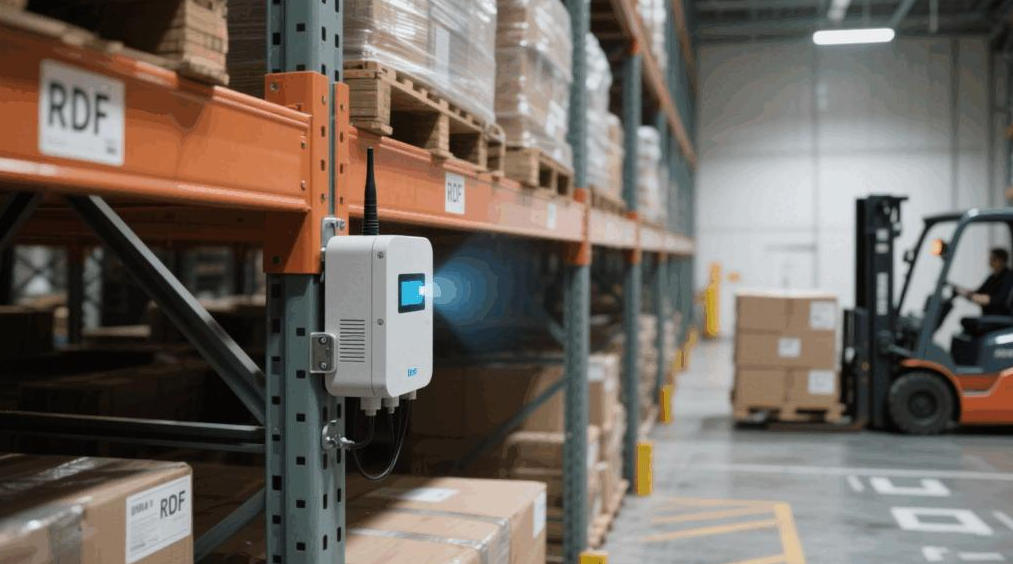
RFID readers and antennas are essential components of the deployment infrastructure.
Although these devices are generally designed for long-term operation, businesses should consider their maintenance and replacement requirements.
Important considerations include:
|
Hardware Component |
Long-Term Considerations |
|
Fixed RFID Readers |
Equipment reliability, firmware updates, replacement planning |
|
Handheld RFID Readers |
Battery life, physical damage, device maintenance |
|
RFID Antennas |
Installation stability, cable condition, read performance |
|
RFID Printers |
Printhead maintenance, consumable management |
|
Network Equipment |
Connectivity, capacity, infrastructure upgrades |
|
Mounting Accessories |
Physical durability and installation stability |
Companies operating multiple facilities should establish consistent hardware maintenance procedures.
Regular inspections can help identify equipment problems before they affect inventory tracking or production operations.
Include RFID Software and System Integration Expenses
RFID systems generate large amounts of identification and tracking data. Businesses need suitable software infrastructure to collect, process, store, and manage this information.
Common software and integration requirements include:
RFID middleware configuration.
Inventory management software.
ERP system integration.
Warehouse Management System (WMS) integration.
Manufacturing Execution System (MES) integration.
Database management.
Cloud infrastructure and data storage.
Software maintenance and upgrades.
For businesses with multiple locations, system integration can become more complex because different facilities may use different operational processes or existing software platforms.
A centralized RFID data management system can help standardize information collection, improve data visibility, and reduce unnecessary system duplication.
When planning an RFID project, consider both initial integration requirements and the ongoing resources needed to maintain system compatibility.
Evaluate Installation and Infrastructure Requirements
Installation expenses are another important part of long-term RFID deployment planning.
The infrastructure required depends on the facility layout, application environment, and RFID reading requirements.
Typical installation considerations include:
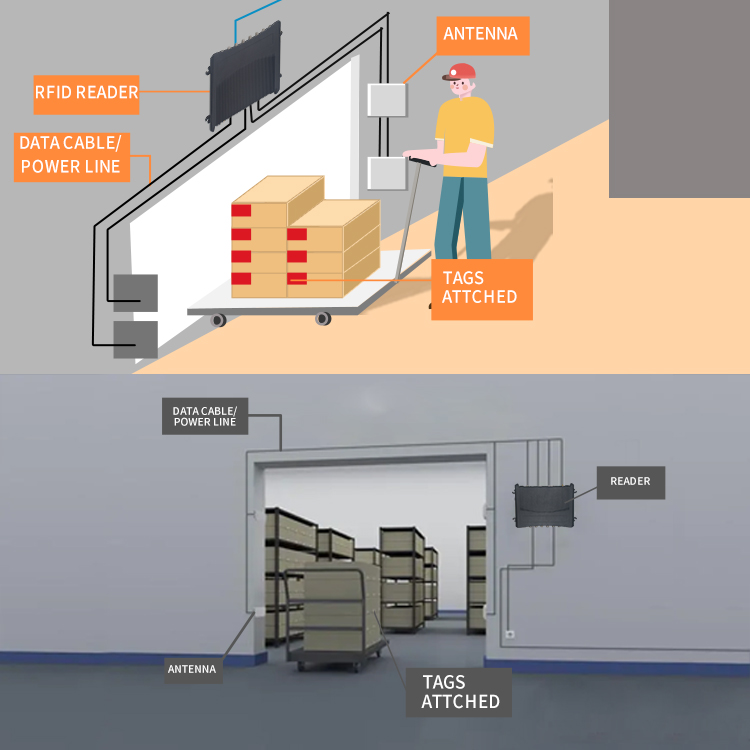
Reader and antenna positioning.
Network connectivity.
Power supply configuration.
Cable installation.
Equipment mounting.
RFID reading zone configuration.
Testing and commissioning.
Facility modifications.
For example, a warehouse with multiple loading docks may require additional RFID reading zones and antenna configurations compared with a smaller storage facility.
Businesses should evaluate infrastructure requirements before deployment to avoid unnecessary installation modifications and future expansion difficulties.
Account for Maintenance and Technical Support
An RFID system requires continuous monitoring to maintain reliable performance.
Long-term maintenance responsibilities may include:
|
Maintenance Area |
Key Activities |
|
RFID Readers |
Firmware updates, diagnostics, equipment inspection |
|
RFID Antennas |
Positioning checks, connection inspections |
|
RFID Tags |
Failure monitoring, replacement, performance evaluation |
|
Software |
Security updates, troubleshooting, system upgrades |
|
Network Infrastructure |
Connectivity monitoring and maintenance |
|
Data Management |
Data synchronization, backup, database maintenance |
Businesses should also establish clear responsibilities for internal IT teams, RFID suppliers, and system integrators.
A well-defined maintenance plan helps reduce unexpected downtime and supports consistent RFID performance across different facilities.
Consider Employee Training and Operational Management
Employee training is sometimes overlooked during RFID budget planning.
However, successful RFID implementation depends on employees understanding how to operate and maintain the system correctly.
Training should cover:
RFID tag installation and application.
RFID handheld reader operation.
Inventory scanning procedures.
Tag encoding and commissioning.
Troubleshooting common reading issues.
RFID software operation.
Equipment maintenance procedures.
For companies with multiple locations, standardized training materials and operating procedures can help ensure consistent RFID usage.
Training should also be updated whenever equipment, software, or operational workflows change.
Evaluate Environmental Conditions and Application Requirements
Environmental conditions can significantly affect RFID tag performance and durability.
A tag designed for indoor carton tracking may not be suitable for outdoor asset tracking or industrial environments.
When selecting RFID tags, consider the following requirements:
|
Environmental Factor |
RFID Specification to Consider |
|
High Temperature |
Operating temperature range |
|
Low Temperature |
Low-temperature performance |
|
Moisture |
Waterproof protection |
|
Dust |
Dust resistance |
|
Metal Surfaces |
On-metal antenna design |
|
Chemical Exposure |
Material and chemical resistance |
|
Mechanical Impact |
Housing strength and durability |
|
Outdoor Exposure |
UV resistance and weather protection |
Plan for Future Expansion and Technology Upgrades
RFID deployments often expand as businesses introduce new facilities, products, and tracking applications.
A long-term cost assessment should consider future development requirements, including:
Additional warehouses and production facilities.
Increased RFID tag consumption.
More RFID reading zones.
Additional readers and antennas.
Software capacity expansion.
Integration with new business systems.
Changes in regional frequency regulations.
New RFID applications and tracking workflows.
For multinational businesses, regional frequency compatibility is particularly important.
For example, UHF RFID systems commonly operate in different frequency allocations across the United States, Europe, and China. Businesses should ensure that their RFID equipment and tags meet the applicable regional requirements.
Planning for expansion from the beginning can reduce future system modifications and improve infrastructure scalability.
Establish a Long-Term RFID Cost Management Framework
After identifying all potential expenses, businesses should establish a centralized framework to monitor RFID deployment costs throughout the system lifecycle.
A standardized framework can include the following sections:
|
Management Area |
Information to Monitor |
|
RFID Tag Management |
Tag consumption, replacement, inventory |
|
Hardware Management |
Equipment condition, maintenance, replacement |
|
Software Management |
Licensing, upgrades, integration |
|
Supplier Management |
Product quality, delivery consistency, technical support |
|
Operational Management |
Training, labor requirements, maintenance activities |
|
System Performance |
Read reliability, data accuracy, system availability |
|
Expansion Planning |
New facilities, additional equipment, future requirements |
For organizations operating multiple sites, maintaining consistent records is especially important.
A centralized management approach helps identify differences in operating requirements, monitor resource consumption, and improve procurement planning.
Common Mistakes to Avoid When Estimating RFID Deployment Costs
Businesses should pay attention to several common mistakes when preparing long-term RFID budgets.
|
Common Mistake |
Potential Consequence |
Recommended Practice |
|
Focusing only on initial hardware |
Overlooking ongoing expenses |
Evaluate the entire system lifecycle |
|
Selecting tags based only on price |
Poor read performance or durability |
Evaluate application suitability |
|
Ignoring replacement requirements |
Unexpected tag replenishment |
Establish replacement planning |
|
Underestimating integration complexity |
Additional development work |
Assess existing IT infrastructure |
|
Neglecting maintenance |
Increased downtime |
Create maintenance procedures |
|
Overlooking employee training |
Operational inefficiencies |
Standardize training programs |
|
Failing to plan for expansion |
Expensive system modifications |
Design scalable infrastructure |
Avoiding these mistakes can help businesses establish more reliable deployment budgets and reduce long-term operational risks.
Estimating the long-term cost of an RFID tag deployment requires a comprehensive understanding of the entire RFID system lifecycle.
Businesses should consider not only RFID tags and hardware, but also software, system integration, installation, maintenance, employee training, replacement requirements, and future expansion.
The most effective approach is to develop a standardized cost management framework that covers both initial deployment requirements and ongoing operational expenses.
By selecting appropriate RFID tags, maintaining reliable infrastructure, standardizing supplier management, and planning for future growth, businesses can improve operational efficiency and build a more sustainable RFID tracking system.
successful RFID cost management is not simply about minimizing initial purchasing expenses. It is about ensuring that the entire RFID system remains reliable, compatible, and efficient throughout its operational lifecycle.

