




How to Fit RFID Tags Into Products With Limited Installation Space
Integrating RFID technology into products with limited installation space can be challenging. Small components, compact housings, narrow mounting areas, and complex internal structures often leave little room for an RFID tag. At the same time, the tag must remain compatible with the reader system and provide reliable identification during normal operation.
Choosing the smallest available RFID tag is not always the best solution. A tag that fits physically may perform poorly if it is too close to metal components, surrounded by shielding materials, or installed in an unsuitable orientation.
Successful RFID integration requires balancing physical dimensions, radio-frequency performance, mounting methods, and product design requirements. This guide explains how to fit RFID tags into space-constrained products without overlooking these important factors.
1. Measure the Available Installation Space First
Before selecting an RFID tag, identify the actual space available for installation.
Product drawings and physical measurements can help determine the maximum dimensions of the tag and its mounting area. However, the available space should not be measured only by the length and width of a flat surface.
Consider the following factors:
-
Available dimensions: Measure the usable length, width, and depth.
-
Mounting clearance: Allow enough room for adhesive, protective layers, or mechanical fixtures.
-
Surface shape: Check whether the installation area is flat, curved, recessed, or uneven.
-
Nearby components: Identify metal parts, batteries, wiring, motors, and other components that may affect RFID performance.
-
Assembly requirements: Determine whether the tag can be installed before the product housing is closed.
A practical space assessment should include both the tag's physical dimensions and the clearance required for installation.
2. Choose a Compact RFID Tag That Matches the Application
RFID tags are available in different shapes, sizes, materials, and frequency configurations. A compact tag may be suitable for a small product, but its dimensions should not be the only selection criterion.
Consider the following tag characteristics:
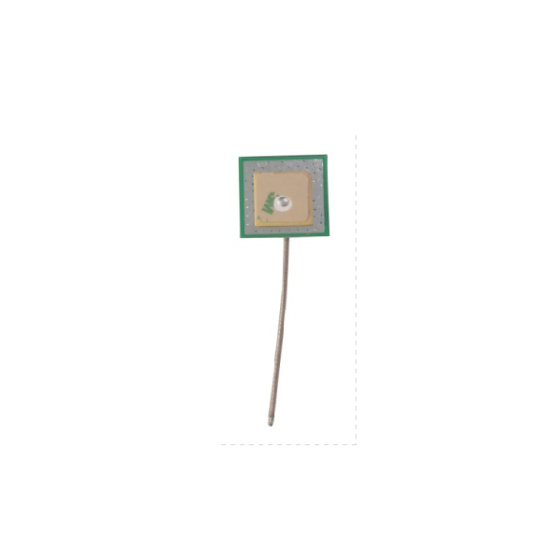
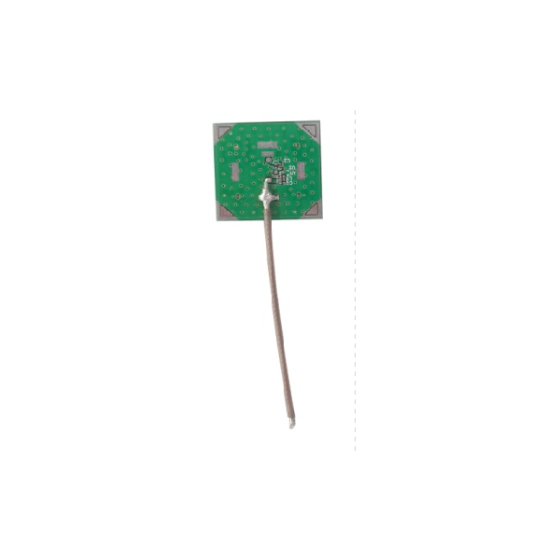
Small-Form-Factor RFID Tags
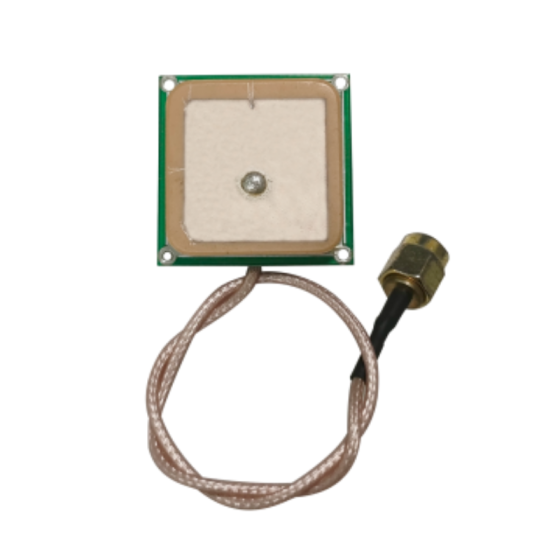
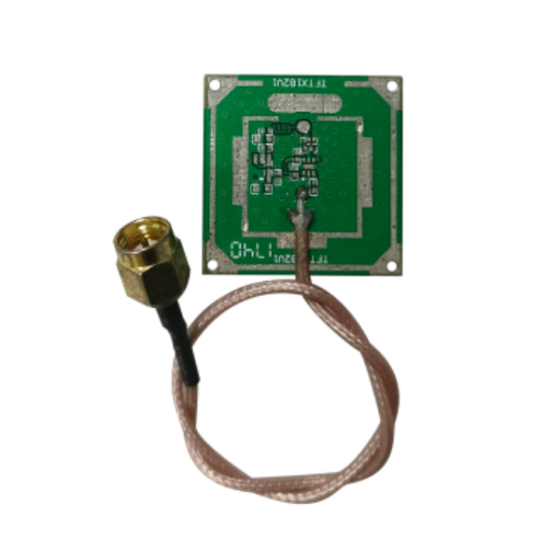
Small RFID tags are useful when the available installation area is limited. They can be considered for compact equipment, small tools, electronic components, and individual product identification.
However, reducing antenna size can affect the tag's operating characteristics. The final choice should be tested with the intended reader and installation environment.
Flexible RFID Tags
Flexible RFID tags can be useful when the available mounting surface is curved or when a rigid tag would interfere with product assembly.
Their suitability depends on the surface material, bending conditions, adhesive requirements, and operating environment.
On-Metal RFID Tags
When a product contains metal components, a standard RFID tag may not provide the expected performance if installed directly against a metal surface.
An RFID tag specifically designed for metal mounting may be more appropriate. Before selecting one, compare its overall thickness, footprint, mounting requirements, and performance in the actual installation position.
The best tag is not necessarily the smallest one. It is the tag that fits the available space while meeting the identification requirements.
3. Find an Installation Position That Does Not Interfere With RFID Signals
In compact products, the available installation space is often surrounded by materials and components that influence radio-frequency behavior.
For example, metal housings can reflect or interfere with RFID signals. Batteries, circuit boards, and other internal components may also affect antenna performance depending on their position and design.
When evaluating possible installation positions:
-
Avoid placing a standard RFID tag directly against metal unless it is designed for that application.
-
Check whether internal metal structures obstruct the intended communication path.
-
Keep the tag away from components that may interfere with its antenna.
-
Evaluate different tag orientations and positions.
-
Consider whether the reader antenna can reach the tag after the product is fully assembled.
If the tag must be installed inside a metal enclosure, a suitable RF-transparent area or a specifically engineered RFID integration solution may be necessary.
The installation position should be evaluated in the final product configuration rather than only on an individual component.

4. Consider Recessed, Embedded, and Internal Installation Methods
When external mounting space is unavailable, alternative installation methods may help accommodate the RFID tag.
Recessed Installation
A recessed mounting area can protect the tag and reduce its impact on the product's external appearance.
This method is suitable when the product design allows a dedicated cavity or mounting pocket. The recess must provide enough space for the tag and its mounting materials without damaging the antenna or creating assembly problems.
Embedded Installation
An RFID tag can sometimes be integrated into a product during manufacturing, such as within a plastic housing or a designated structural section.
Embedded installation can provide a clean appearance and reduce the risk of accidental removal. However, the surrounding material and final tag position must be considered during the design process.
Internal Installation
Placing the RFID tag inside a product housing can protect it from external contact and environmental exposure.
Before choosing this approach, verify that the housing material and internal components allow sufficient RF communication. A tag hidden inside a product may be physically secure but difficult to read if the surrounding structure blocks or weakens the signal.
5. Evaluate Tag Thickness and Mounting Requirements
Limited installation space does not always mean that the product has a small surface area. In many applications, the available depth is the main restriction.
A tag that is too thick may interfere with product assembly, moving parts, or the external housing.
When comparing RFID tags, evaluate:
-
Total tag thickness.
-
Antenna and substrate construction.
-
Adhesive or mounting layer thickness.
-
Required clearance around the tag.
-
Protection against impact, vibration, or moisture.
-
Compatibility with the product's manufacturing process.
For applications with very limited depth, a thin RFID inlay or compact RFID label may be worth evaluating. For more demanding environments, a protective housing or specialized tag may be necessary.
The complete installed assembly should be considered, not just the tag's nominal dimensions.
6. Test RFID Performance After Installation
An RFID tag that performs well during a preliminary test may behave differently after installation inside a compact product.
This is because the final assembly introduces nearby materials, structural components, and mounting conditions that may affect communication.
A reliable evaluation process should include:
-
Test the tag before installation: Establish a reference for its performance under controlled conditions.
-
Install the tag in the intended position: Use the actual mounting method and materials.
-
Assemble the complete product: Include the final housing, internal components, and other relevant structures.
-
Test with the intended reader: Use the reader and antenna configuration planned for normal operation.
-
Compare different positions: Test alternative locations and orientations where possible.
-
Repeat under operating conditions: Evaluate the product in its expected environment and handling conditions.
Pay attention to read consistency, orientation sensitivity, missed reads, and the effect of nearby products or equipment.
Testing the fully assembled product is essential because the final installation environment determines whether the RFID solution is practical.
7. Coordinate RFID Integration With Product Design
RFID integration is easier when the tag is considered during the product design stage rather than added after the product structure has been finalized.
Early coordination between product designers, RFID suppliers, and manufacturing teams can help avoid unnecessary redesign.
Useful design considerations include:
-
Reserving a dedicated RFID mounting area.
-
Avoiding unnecessary metal structures near the tag.
-
Providing a suitable RF communication path.
-
Defining tag dimensions and mounting tolerances.
-
Confirming the installation sequence.
-
Making the tag accessible when replacement or maintenance is required.
For products that are already in production, a small design modification may sometimes provide a better solution than forcing an unsuitable tag into an existing space.
8. Work With an RFID Supplier on Custom Integration
Standard RFID tags may not fit every product. When installation space is extremely limited, a customized solution may be worth considering.
Depending on the application, customization may involve:
-
Tag dimensions and shape.
-
Antenna design.
-
Substrate and housing materials.
-
Mounting and adhesive options.
-
Operating frequency.
-
Mechanical protection.
-
Product-specific installation requirements.
Before requesting a customized RFID tag, provide the supplier with product drawings, available installation dimensions, mounting surface materials, expected operating conditions, and reader information.
These details help the supplier evaluate whether a standard compact tag is sufficient or whether a customized design is more appropriate.
Fitting RFID tags into products with limited installation space requires more than selecting a small tag. The installation area, surrounding materials, tag thickness, mounting method, and final product structure all influence the result.
A practical approach is to measure the available space, select a tag suited to the application, evaluate possible installation positions, and test RFID performance after final assembly.
For manufacturers developing compact products or upgrading existing equipment, working with an experienced RFID supplier early in the design process can help reduce integration difficulties and improve the suitability of the final solution.
Looking for an RFID tag that fits into a compact product design? EFLDAY can help evaluate tag dimensions, materials, mounting options, and application requirements to identify a suitable RFID solution.

