




How RFID Tag Materials and Designs Adapt to Different Environments
RFID tags are used in environments ranging from retail stores and warehouses to outdoor equipment yards and demanding industrial facilities. However, a tag that performs well on a cardboard box may not work reliably when attached to metal machinery, exposed to moisture, or subjected to repeated temperature changes.
The difference often comes down to material selection and design.
RFID tag materials and designs work together to protect the chip and antenna, maintain radio-frequency performance, and provide a suitable mounting method. Depending on the application, a tag may need a flexible label structure, a sealed plastic housing, a specialized on-metal design, or a rugged construction built for harsh industrial conditions.
Understanding how these features work makes it easier to select RFID tags that deliver reliable identification and tracking throughout their intended service life.
1. Why Do RFID Tag Materials and Designs Matter?
An RFID tag is more than a chip attached to an antenna. Its complete structure determines how well it performs in a particular environment.
Several factors influence tag suitability:
-
Environmental exposure: Water, humidity, dust, sunlight, chemicals, and temperature changes can damage materials or affect long-term performance.
-
Mounting surface: Metal, plastic, glass, wood, and liquid-filled products interact differently with radio signals.
-
Mechanical stress: Vibration, abrasion, impact, bending, and pressure can damage the tag or loosen its attachment.
-
Installation requirements: Limited space, curved surfaces, and different mounting methods affect the appropriate tag shape and construction.
-
Reading performance: Antenna design, tag orientation, surrounding materials, and reader configuration influence identification reliability.
A suitable RFID tag balances these requirements rather than maximizing just one characteristic. For example, a rigid ceramic tag may offer excellent thermal stability but may not be appropriate for an application that requires a thin, flexible label.
2. How Common RFID Tag Materials Support Different Applications
Different materials serve different purposes. Some provide a printable surface, while others offer structural protection or greater resistance to demanding operating conditions.
Paper and PET: Lightweight RFID Labels
Paper and PET are commonly used in RFID labels designed for relatively controlled environments.
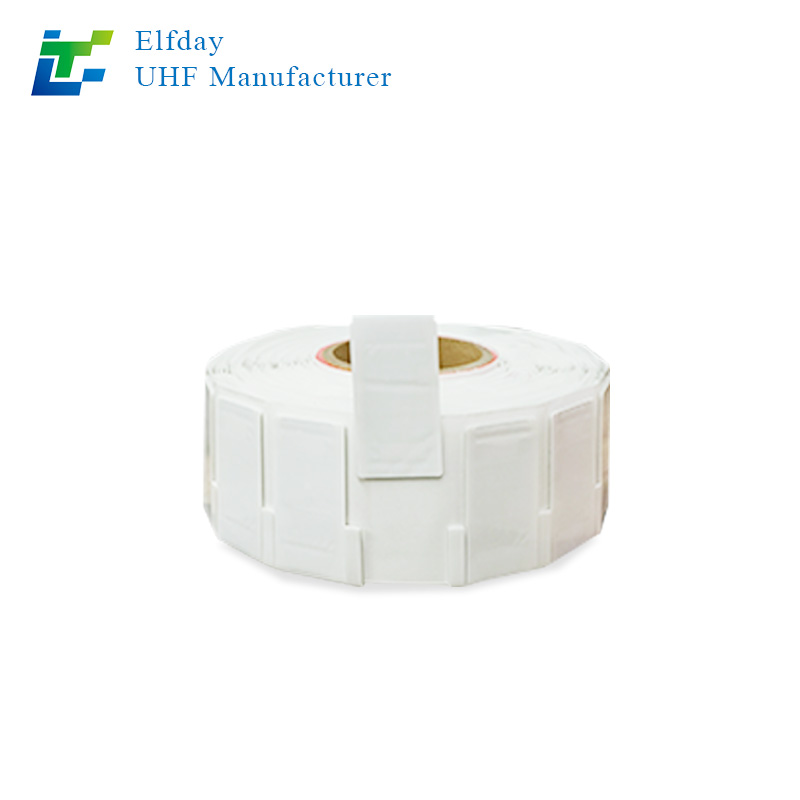
Paper labels are suitable for applications such as product identification, shipping labels, and short-term inventory processes where printing and low-cost labeling are important.
PET, or polyethylene terephthalate, provides a synthetic film surface that is generally more resistant to tearing and moisture than ordinary paper. It is frequently used for labels that require a balance of flexibility, printability, and everyday durability.
Typical applications include:
-
Retail product identification
-
Warehouse inventory labels
-
Carton and package tracking
-
Shipping and distribution operations
These materials are not automatically suitable for every environment. The adhesive, antenna construction, and protective layer must also match the expected exposure conditions.
ABS and Engineering Plastics: Protective Hard Tags
ABS and other engineering plastics can be molded into rigid housings that protect the RFID chip and antenna.
Unlike thin labels, hard tags can be designed with thicker walls, reinforced mounting points, and shapes that suit specific assets. Depending on the plastic formulation and overall construction, they may provide useful resistance to impact, moisture, and routine handling.
They are often considered for reusable containers, tools, equipment, and industrial assets that need durable identification.
The important distinction is that plastic types do not all have the same thermal or chemical resistance. The actual material grade and complete tag specifications should be checked against the intended application.
PCB-Based Structures: Rigid and Compact Designs
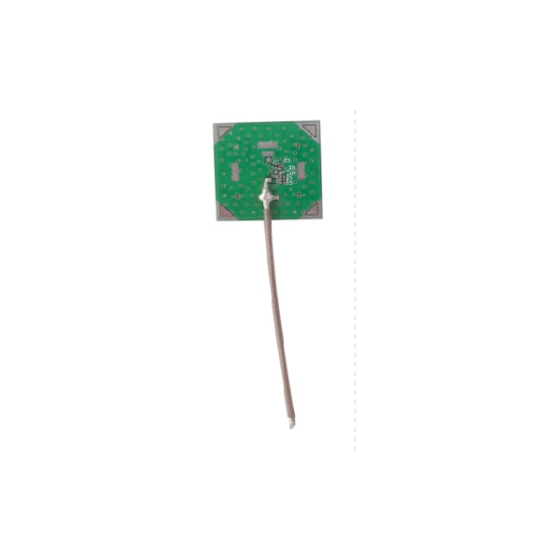
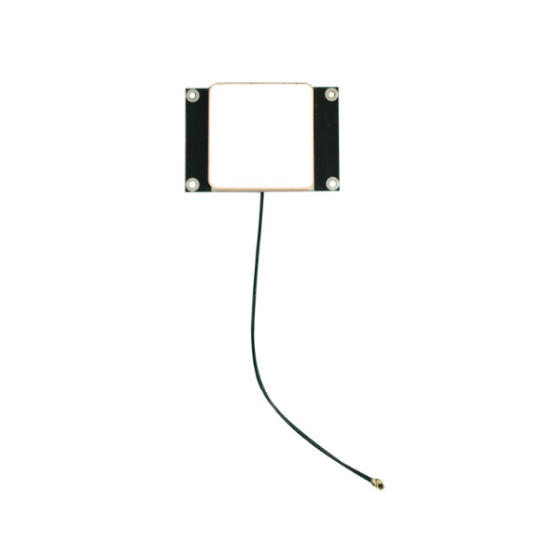
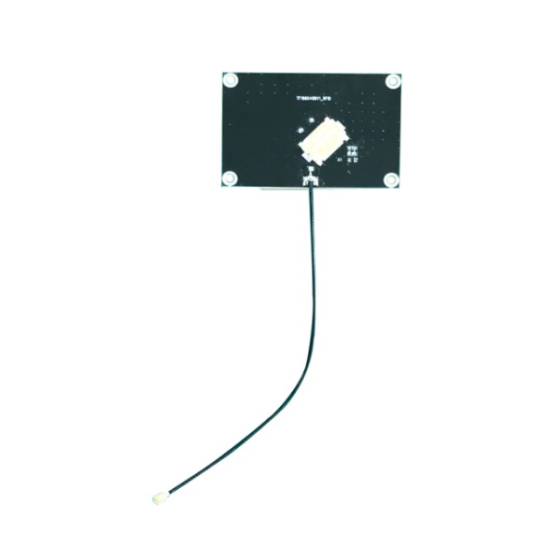
Printed circuit board (PCB) constructions provide a rigid platform for the antenna and electronic components. They can be useful when a tag needs a compact form factor and a stable structure for attachment to equipment or other assets.
PCB-based tags may be designed for industrial tracking, tool identification, and certain on-metal applications. Additional housing or sealing can improve their protection against environmental exposure.
However, a PCB structure alone does not guarantee waterproofing, chemical resistance, or high-temperature performance. These properties depend on the complete design, including coatings, housing, seals, and attachment method.
Ceramic and High-Performance Polymers: Demanding Conditions
Ceramic materials and high-performance polymers such as PEEK or PPS may be used in specialized RFID tags intended for demanding industrial environments.
Ceramic can provide high thermal stability, while selected engineering polymers can offer a useful combination of mechanical strength and chemical resistance. The right choice depends on the exact material grade, tag construction, and exposure conditions.
These designs may be considered for applications such as industrial processing, reusable tooling, manufacturing equipment, or assets exposed to elevated temperatures.
Ceramic can be brittle under certain impact conditions, and high-performance polymers have their own operating limits. A material's reputation for durability should never replace verification of the finished tag's specifications.
3. How RFID Tag Designs Adapt to Different Environments
Material selection is only one part of the solution. The tag's physical structure, antenna arrangement, protective features, and mounting design must work together.
On-Metal Design for Metal Equipment
Metal can significantly affect the performance of conventional UHF RFID tags. When a standard tag is placed directly on a metal surface, the antenna may become detuned, reducing reading reliability or preventing successful identification.
On-metal RFID tags are designed specifically for this situation. Depending on the design, they may incorporate a spacer, insulating layer, specialized antenna geometry, or rigid housing to help the antenna operate correctly near a conductive surface.
These tags can be useful for tracking:
-
Industrial machinery and metal equipment
-
Tools and reusable fixtures
-
Metal storage containers
-
Vehicle components
-
Steel racks and returnable transport assets
Before choosing a tag, confirm whether it will be mounted directly on metal or near other conductive objects. The mounting position can be as important as the tag itself.
Waterproof and Sealed Designs for Wet Environments
RFID tags used outdoors, in washing areas, or in damp industrial facilities may require a sealed housing or protective encapsulation.
The goal is to prevent moisture from reaching vulnerable electronic components while preserving the antenna's ability to communicate with the reader.
Potential design features include molded housings, sealed joints, protective coatings, and durable attachment systems.
Applications may include reusable containers, outdoor equipment, returnable packaging, and assets exposed to routine cleaning.
Water resistance should be evaluated against the actual exposure. Occasional splashes, continuous immersion, high-pressure washing, and hot steam cleaning place different demands on a tag. A tag suitable for rain is not necessarily suitable for pressure washing or chemical cleaning.
Heat-Resistant Designs for High-Temperature Processes
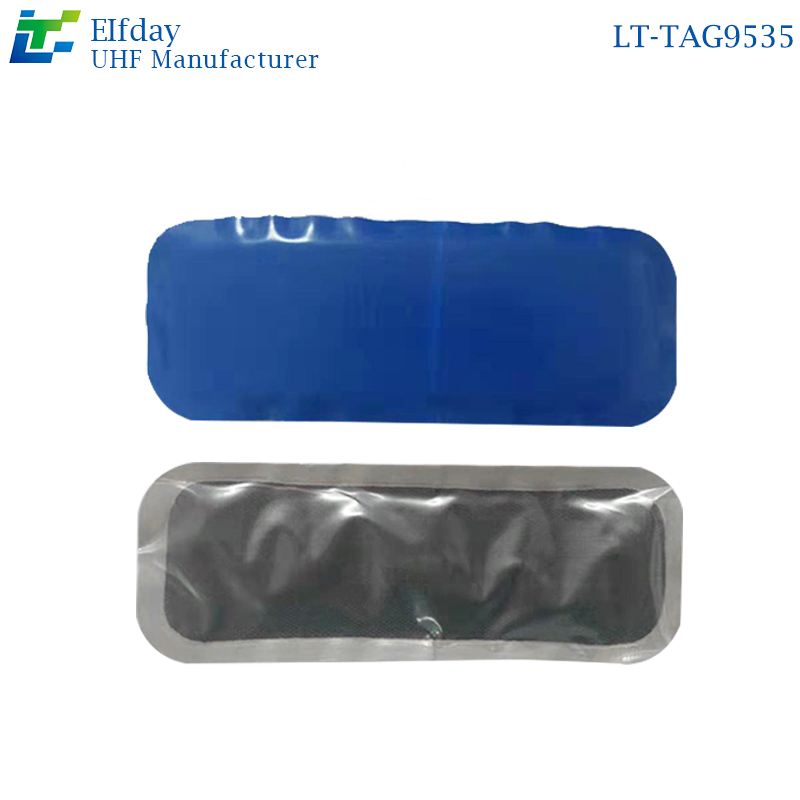
High temperatures can affect the tag substrate, adhesive, antenna, chip connections, and protective housing. Repeated heating and cooling can also place stress on the materials and their interfaces.
RFID tags designed for elevated temperatures may use specialized substrates, high-temperature encapsulation, and mounting systems selected for the process.
Typical applications include manufacturing lines, industrial ovens, automotive production, and certain heat-treatment processes.
When selecting a heat-resistant RFID tag, distinguish between:
-
Operating temperature: The temperature range in which the tag is intended to function.
-
Exposure temperature: The temperature the tag encounters during a specific process.
-
Exposure duration: How long the tag remains at that temperature.
-
Thermal cycling: How frequently the tag heats up and cools down.
A tag that tolerates a brief temperature peak may not withstand continuous exposure at the same temperature. Always verify the complete specification and test the tag under representative process conditions.
Flexible Designs for Curved or Irregular Surfaces
Some applications cannot accommodate rigid tags. Flexible RFID labels and thin tag constructions can conform more easily to curved packaging, fabric products, plastic containers, and other surfaces with limited mounting space.
Flexibility can simplify installation and reduce the need for specialized mounting hardware. It is particularly useful when a tag must remain thin or unobtrusive.
However, bending requirements must be considered carefully. Excessive bending, repeated flexing, or installation over a sharp curve may damage the antenna or affect reading performance.
The selected tag should be tested in its final installed position, especially when the surface is curved or the tag is likely to move during use.
Rugged Designs for Dust, Impact, and Vibration
Industrial tags may experience more than environmental exposure. Equipment vibration, repeated handling, accidental impacts, and abrasion can also cause failures.
Rugged designs may use reinforced housings, protected electronic components, secure attachment points, and materials selected to withstand the expected mechanical stress.
These features are useful for tracking tools, machinery, reusable transport containers, and equipment used in busy production or logistics facilities.
The mounting method is particularly important. Screws, rivets, industrial adhesives, cable ties, or other fixing methods should be chosen according to the tag design and the asset's operating conditions.
4. Matching RFID Tag Materials and Designs to Different Environments
The following table provides a starting point for evaluating possible designs.
| Operating environment | Potential material or design | Main consideration |
| Retail and indoor inventory | Paper or PET RFID labels | Printing, cost, and everyday handling |
| Reusable containers | Plastic hard tags | Impact resistance and repeated use |
| Metal machinery | On-metal RFID tags | Antenna performance near metal |
| Wet or outdoor locations | Sealed or encapsulated tags | Moisture exposure and UV resistance |
| High-temperature processing | Specialized high-temperature tags | Temperature, duration, and thermal cycling |
| Curved or space-limited surfaces | Flexible RFID labels | Bending limits and installation geometry |
| Dusty industrial facilities | Rugged or sealed tags | Dust ingress and mechanical protection |
| Chemical processing areas | Chemically compatible housings and seals | Specific chemicals, concentration, and exposure time |
These are general selection guidelines, not universal material specifications. The best option depends on the complete RFID tag design and the conditions in which it will be used.
5. How to Choose the Right RFID Tag for Your Environment
Selecting an RFID tag becomes easier when environmental requirements are defined before comparing individual products.
Step 1: Identify the Mounting Surface
Start by identifying the exact material to which the tag will be attached. Determine whether the surface is metal, plastic, glass, fabric, wood, or another material.
Also consider the surface shape, available mounting space, and whether other objects will sit close to the tag.
Step 2: Define Environmental Limits
List the conditions the tag will encounter during normal operation and any special processes.
Consider moisture, dust, temperature, sunlight, chemicals, vibration, impact, and cleaning procedures. Include the duration and frequency of exposure rather than recording only the maximum or minimum temperature.
Step 3: Confirm RFID Frequency and Reading Requirements
Determine whether the application requires LF, HF/NFC, or UHF RFID. Each frequency range has different characteristics, and the choice affects the antenna design, reading distance, and system compatibility.
Define how far away the reader will be, whether several tags must be read together, and whether the tags will move during identification.
Step 4: Select the Tag Structure and Attachment Method
Choose between a thin label, flexible tag, rigid hard tag, sealed design, or specialized on-metal construction.
Then evaluate the attachment method. An otherwise suitable tag may fail if its adhesive softens, its fixing points loosen, or its housing cannot withstand the installation process.
Step 5: Test Samples in Real Conditions
Before large-scale deployment, install sample tags on the actual assets and test them with the intended RFID readers.
Check reading consistency, read range, attachment strength, and physical condition. If the application involves heat, water, chemicals, or repeated mechanical stress, reproduce those conditions as closely as practical.
Record the results so that the selected tag specification can be verified during purchasing and future replenishment.
6. Common Mistakes When Selecting RFID Tag Materials
Several avoidable mistakes can reduce RFID system reliability.
Choosing materials based on general labels such as “industrial grade.” This description does not establish a specific level of temperature, chemical, water, or impact resistance.
Focusing on the housing but ignoring the antenna. A durable outer shell cannot compensate for an antenna design that performs poorly on the mounting surface.
Assuming waterproof means chemical-resistant. Water resistance and chemical compatibility are different properties. Cleaning agents and industrial fluids must be evaluated separately.
Checking peak temperature without exposure duration. A short temperature excursion and continuous high-temperature operation can produce very different results.
Ignoring the attachment method. Adhesives, screws, rivets, and other fixing methods must suit both the asset and the environment.
Skipping application testing. Bench tests alone may not reproduce the metal surroundings, tag orientation, reader placement, or interference found in an operating facility.
7. Frequently Asked Questions
Do RFID tag materials affect reading distance?
Yes. Materials around the antenna and the surface carrying the tag can affect radio-frequency performance. Metal is especially important for UHF RFID because it can change antenna behavior. Tag size, antenna design, orientation, and reader configuration also influence read range.
What materials are best for RFID tags used outdoors?
The appropriate material depends on exposure to rain, humidity, sunlight, temperature changes, and physical wear. A sealed hard tag or a suitable synthetic label may be appropriate, but its water resistance, UV resistance, and attachment method should be checked against the actual conditions.
Are all plastic RFID tags waterproof?
No. Water resistance depends on the plastic formulation, housing design, seals, and construction quality. A plastic housing may protect a tag from ordinary handling without providing protection against immersion or high-pressure washing.
Can RFID tags withstand high temperatures?
Some RFID tags are specifically engineered for high-temperature applications, but not all tags have the same limits. Check the rated temperature, exposure duration, thermal cycling requirements, and mounting method before using a tag in a hot process.
Why are on-metal RFID tags designed differently?
Metal can interfere with the antenna of a conventional tag. On-metal designs use specialized antenna arrangements and structural features to support RFID communication when installed on conductive surfaces.
How can businesses verify that an RFID tag is suitable?
Test representative samples on the intended assets using the actual reader and installation method. Where necessary, include environmental exposure tests and verify reading performance before approving the design for bulk deployment.
RFID tag materials and designs adapt to different environments by combining suitable substrates, antenna structures, protective housings, and mounting methods. Lightweight labels can meet many indoor identification needs, while specialized on-metal, sealed, flexible, and high-temperature designs address more demanding applications.
The most reliable choice is not necessarily the hardest, thickest, or most expensive tag. It is the tag whose complete construction matches the mounting surface, environmental exposure, reading requirements, and expected service life.
By defining these requirements early and validating samples under realistic conditions, businesses can improve RFID reading reliability, reduce premature tag failures, and build a tracking system that better fits their operating environment.