

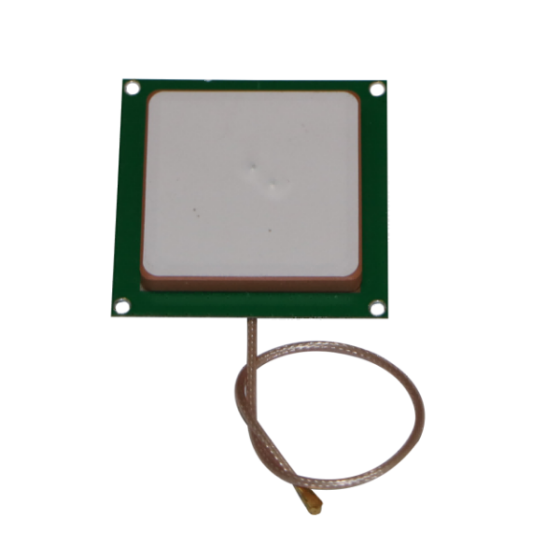
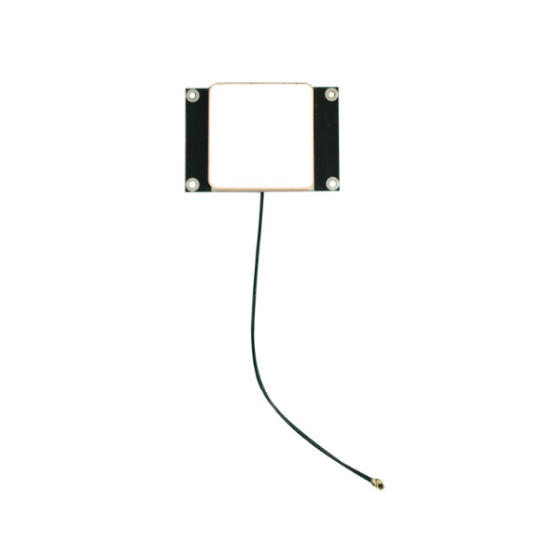
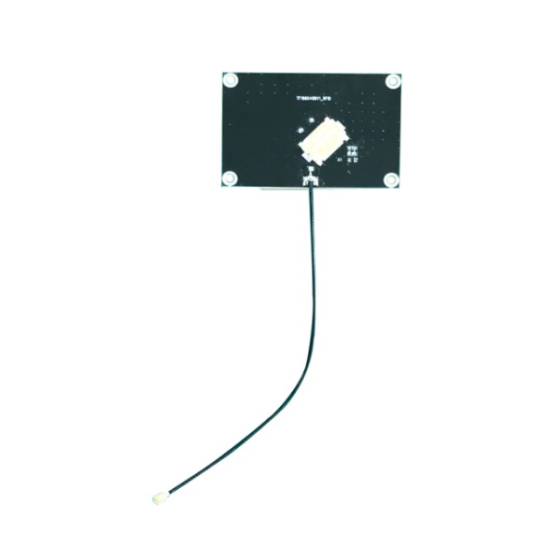


Can RFID Tags Be Customized for Different Applications?
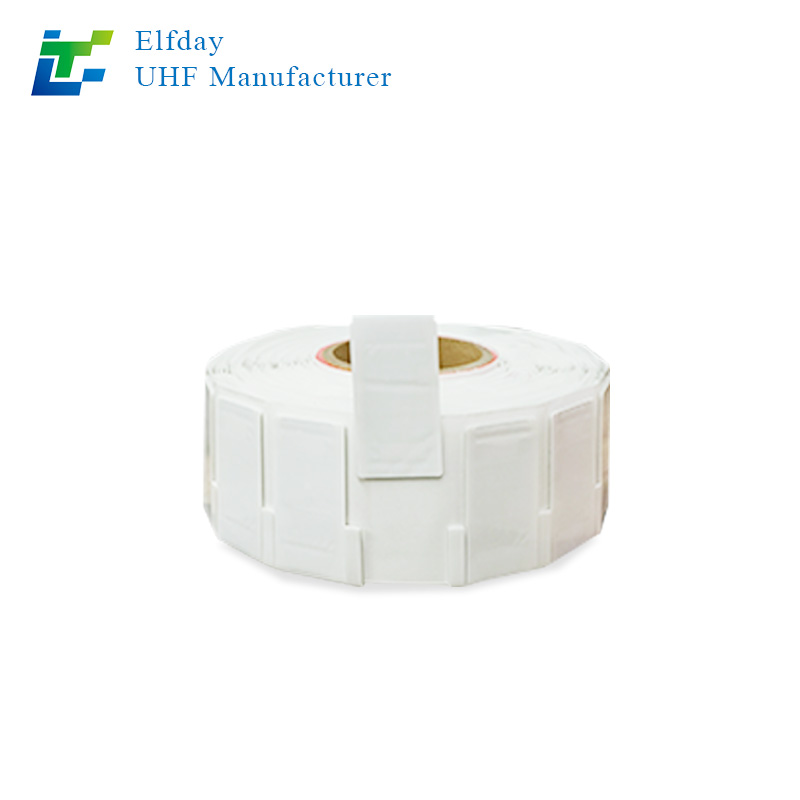
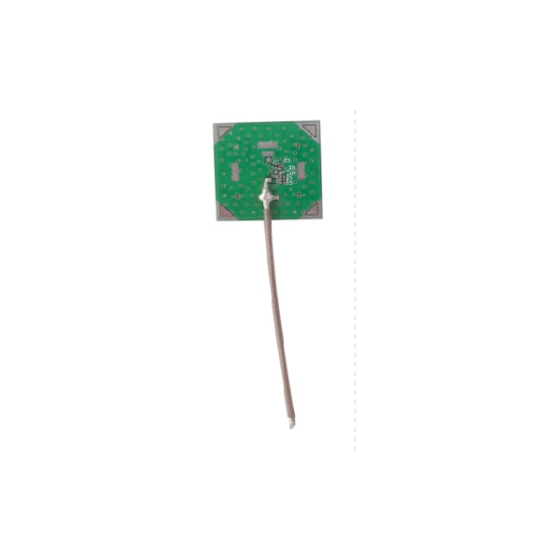
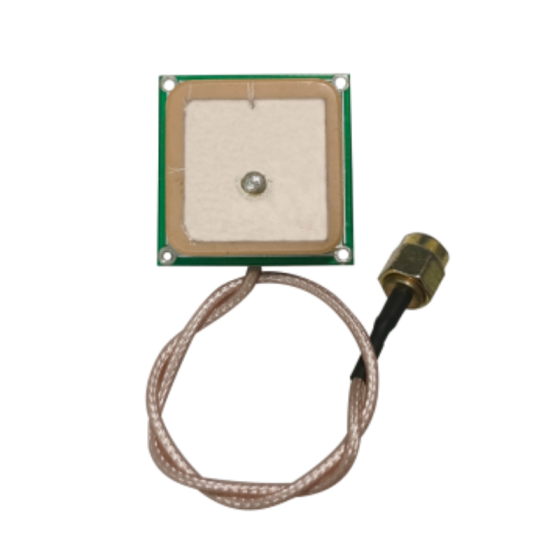
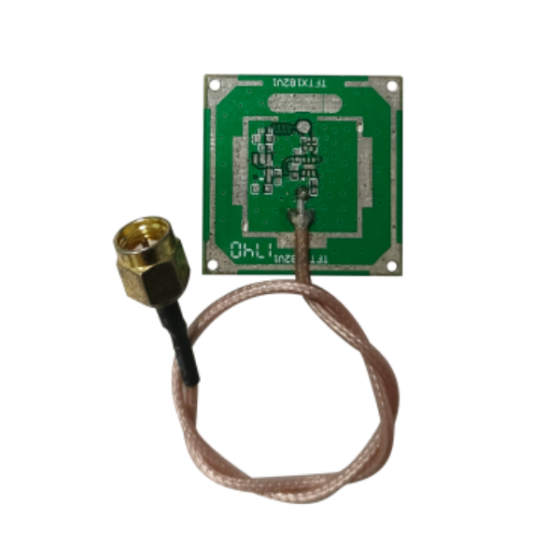
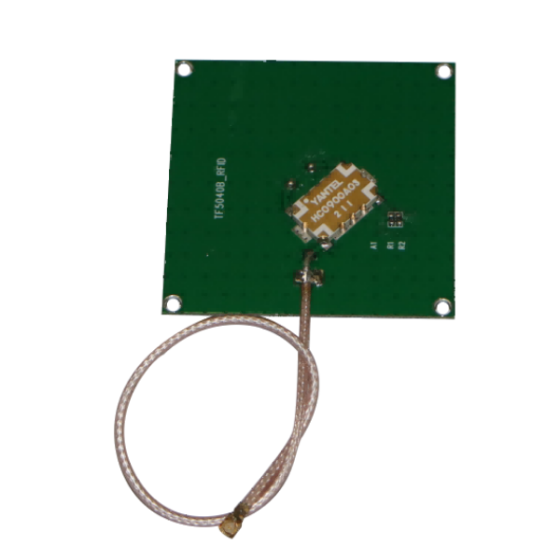
Yes, RFID tags can be customized for different applications. Depending on the tracking requirements, businesses can select or modify the tag's size, shape, RFID chip, antenna design, material, protective housing, encoding, printing, and mounting method.
A small RFID tag for a handheld tool may have very different requirements from a rugged tag used on industrial equipment. Likewise, an RFID tag for a retail product may need a different construction from a tag used on a metal container, vehicle, pallet, or outdoor asset.
The basic customization process can be viewed as:
Application requirements → Asset characteristics → RFID technology → Tag design → Material and protection → Mounting method → Encoding → Testing
This flexibility makes RFID suitable for a wide range of inventory, asset tracking, logistics, manufacturing, retail, healthcare, and industrial applications.
Why Do Different Applications Need Different RFID Tags?
Not every RFID application has the same requirements.
An RFID tag may need to work:
-
On plastic
-
On metal
-
Near liquids
-
Inside packaging
-
Outdoors
-
In cold storage
-
In high-temperature environments
-
Around chemicals
-
On small products
-
On large industrial assets
-
At short reading distances
-
At longer reading distances
A single standard tag design may not provide the best performance in all these situations.
For example, a general-purpose RFID label may be suitable for a cardboard package but may perform poorly when placed directly on a metal surface.
An industrial asset may also require a rugged housing because the tag could experience impacts, moisture, vibration, and repeated handling.
Customization allows the RFID tag to better match the actual application.
Which Parts of an RFID Tag Can Be Customized?
Several aspects of an RFID tag can be customised depending on the application and manufacturing requirements.
Common options include:
| Customization Area | What Can Be Adjusted |
| Size | Length, width, thickness |
| Shape | Rectangle, square, round, custom form |
| RFID chip | Memory, sensitivity, features |
| Antenna | Design and performance characteristics |
| Material | Paper, PET, PVC, ABS, industrial materials |
| Housing | Flexible, rigid, rugged, sealed |
| Adhesive | Standard or application-specific |
| Mounting | Adhesive, screw, rivet, cable tie, embedded |
| Printing | Text, numbers, barcodes, graphics |
| Encoding | Unique IDs and application data |
| Protection | Water, dust, impact, chemicals |
| Frequency | LF, HF, NFC, UHF depending on application |
Not every element needs to be custom-designed.
In many cases, selecting an existing RFID tag format that already matches the application can be more practical and cost-effective than developing a completely new design.
Can RFID Tag Size Be Customized?
Yes.
RFID tags can be produced in different sizes depending on the available mounting area and required performance.
For example:
-
Small tags for tools
-
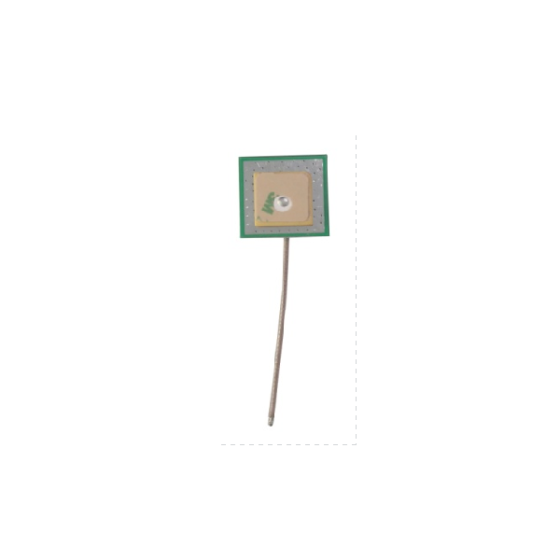
Compact tags for electronics
-
Standard labels for retail products
-
Larger tags for pallets
-
Rugged tags for industrial equipment
Tag size can affect antenna design and RFID performance, so reducing the physical dimensions may also affect read characteristics.
This means the smallest possible tag is not necessarily the best option.
A suitable design needs to balance:
Size + read performance + mounting area + application requirements
Can the Shape of an RFID Tag Be Customized?
Yes.
RFID tags can be manufactured in different shapes to fit the asset or product.
Common shapes include:
-
Rectangular
-
Square
-
Round
-
Narrow strips
-
Small discs
-
Rigid blocks
-
Special application-specific shapes
A custom shape can be useful when a standard rectangular label does not fit the available space.
For example, a tag for a cylindrical asset may need to be designed differently from a tag mounted on a flat plastic container.
However, changing the shape can also affect the antenna design, so performance should be evaluated after customization.
Can RFID Tags Use Different RFID Chips?
Yes.
Different RFID chips can provide different capabilities.
Depending on the RFID technology and application, chip selection can influence:
-
Memory capacity
-
Read sensitivity
-
Security features
-
Data storage
-
Unique identification
-
Communication performance
-
Available functionality
For many tracking applications, the RFID tag's unique identifier is the primary information used by the tracking system.
Other applications may require additional memory or specialised chip features.
The chip should therefore be selected according to what the RFID system actually needs rather than simply choosing the chip with the largest memory capacity.
Can RFID Antennas Be Customized?
Yes.
The antenna is one of the most important parts of an RFID tag because it interacts with the RFID reader to enable communication.
Antenna design can be adapted to factors such as:
-
Required read range
-
Available tag size
-
Mounting surface
-
RFID frequency
-
Asset material
-
Application environment
-
Reader configuration
For example, an antenna designed for a standard label may not be appropriate for direct mounting on metal.
In this situation, an on-metal RFID design may use a different antenna structure or an isolation layer to improve performance.
Can RFID Tags Be Customized for Metal Assets?
Yes.
Metal assets often require specialised RFID tag designs.
Examples include:
-
Industrial machinery
-
Metal tools
-
Steel containers
-
Metal racks
-
Vehicles
-
Equipment
-
Pipes
-
Metal pallets
A standard RFID label may experience reduced performance when placed directly on metal.
An on-metal RFID tag is designed specifically for this type of application.
Customization may involve:
-
Antenna design
-
Spacer or isolation layer
-
Rigid housing
-
Mounting method
-
Tag dimensions
-
Protective materials
The final design should be tested on the actual metal asset because different surfaces and shapes can produce different RFID performance.
Can RFID Tags Be Customized for Plastic or Glass?
Yes.
Plastic and glass are commonly used surfaces for RFID tags.
However, the best tag design can still depend on:
-
Surface shape
-
Thickness
-
Product contents
-
Reading distance
-
Tag location
-
Environmental conditions
For example, a tag mounted on an empty plastic container may behave differently from a tag mounted on a container filled with liquid.
This is why application testing remains important even when the mounting surface itself is not metal.
Can RFID Tags Be Customized for Products Containing Liquids?
Yes, but the tag design and placement need to account for the effect of liquids on RFID performance.
Liquids can absorb or interact with radio-frequency energy, potentially reducing the read performance of certain RFID systems, particularly UHF RFID.
Customization may involve:
-
Changing the antenna design
-
Increasing separation from the liquid
-
Changing the tag position
-
Using a specialised tag construction
-
Testing different mounting locations
For products containing beverages, cosmetics, chemicals, or other liquids, testing the RFID tag on the filled product is particularly important.
Can RFID Tags Be Customized for Harsh Environments?
Yes.
Industrial applications may require RFID tags that can withstand demanding conditions.
Customization can focus on:
-
Waterproofing
-
Dust protection
-
Chemical resistance
-
Temperature resistance
-
Impact resistance
-
UV resistance
-
Abrasion resistance
-
Vibration resistance
For example, an RFID tag used outdoors on construction equipment may require a rugged protective housing, while a tag used inside an office may only need a lightweight label.
The protective construction should match the actual environmental conditions rather than being unnecessarily heavy or expensive.
Can RFID Tags Be Customized for Cold Storage?
Yes.
RFID tags can be designed for applications involving refrigerated environments or freezers.
Potential considerations include:
-
Low-temperature performance
-
Condensation
-
Moisture
-
Adhesive performance
-
Packaging materials
-
Repeated temperature changes
The RFID chip may continue to operate at low temperatures, but the entire tag construction, including the adhesive and protective material, must be suitable for the application.
Testing should be performed under the actual storage and handling conditions.
Can RFID Tags Be Printed With Custom Information?
Yes.
RFID tags can often be printed with visual information that helps employees identify the tagged item.
Depending on the tag format, printed information may include:
-
Asset numbers
-
Product numbers
-
Serial numbers
-
Barcodes
-
QR codes
-
Text
-
Logos
-
Handling instructions
-
Department information
This can be useful when RFID and visual identification are used together.
For example:
RFID + Barcode + Human-readable ID
The RFID system can provide automated electronic identification while employees can still read or scan the printed information when necessary.
Can RFID Tags Be Custom Encoded?
Yes.
RFID tags can be encoded with identifiers or other data according to the application.
A typical approach is to assign each tag a unique identifier:
Tag 00001 → Asset A001
Tag 00002 → Asset A002
Tag 00003 → Asset A003
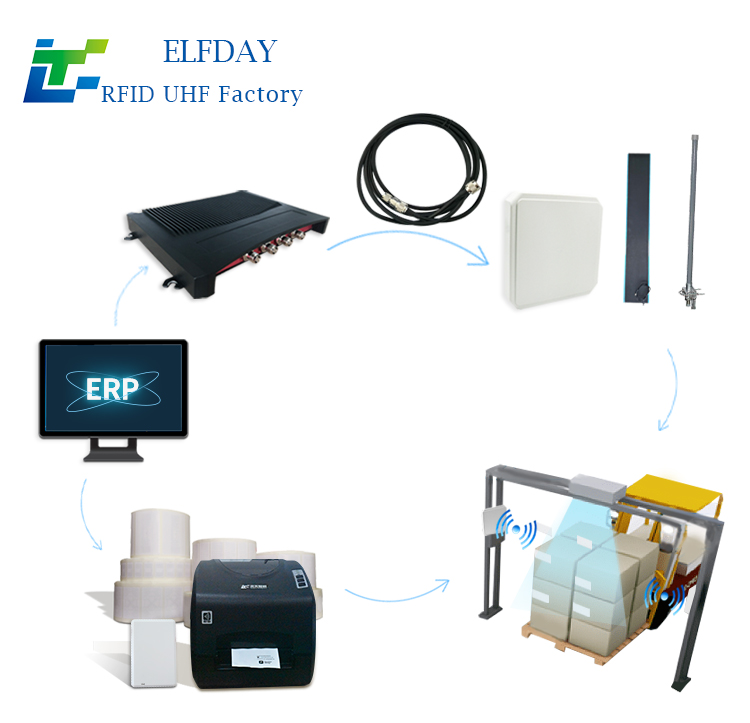
The RFID system can then connect the tag identifier with information stored in a database.
Depending on the application, encoding may be performed before deployment or during the operational process.
The exact amount and type of information stored on the RFID tag depends on the RFID technology and chip being used.
Can the Mounting Method Be Customized?
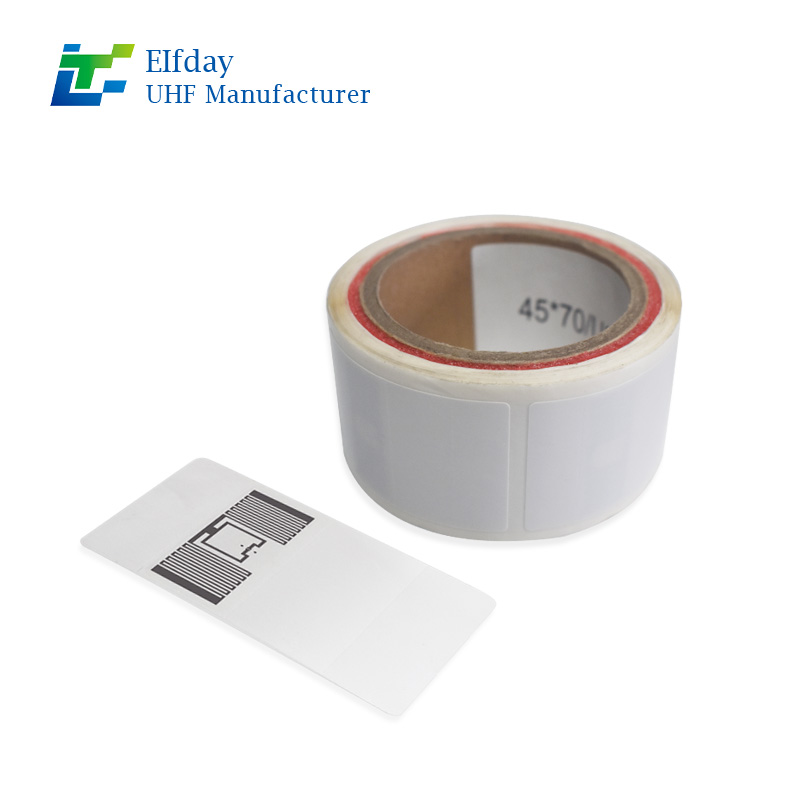
Yes.
Different assets require different mounting methods.
Common options include:
Adhesive Mounting
Suitable for many flat surfaces and lightweight applications.
Screw or Rivet Mounting
Useful for durable industrial asset tracking where long-term mechanical attachment is required.
Cable-Tie Mounting
Useful for pipes, racks, cables, or other assets where adhesive may not be practical.
Embedded RFID Tags
An RFID tag can sometimes be integrated into an asset during manufacturing.
This can protect the tag from physical damage and make unauthorized removal more difficult.
Clip or Bracket Mounting
Useful when the tag needs to be replaceable or positioned away from a particular surface.
The mounting method should be selected together with the tag design because installation can affect RFID performance.
Can RFID Tags Be Customized for Different Industries?
Yes.
RFID tags can be adapted to many industries and applications.
Retail
Retail RFID tags may be designed for:
-
Clothing
-
Packaged goods
-
Inventory tracking
-
Product replenishment
-
Returns
These tags often need to be thin and easy to attach to products.
Warehousing
Warehouse applications may require RFID tags for:
-
Cartons
-
Pallets
-
Containers
-
Inventory
-
Warehouse assets
The focus is often on fast identification and reliable reading during receiving, storage, picking, and shipping.
Manufacturing
Manufacturing environments may require durable tags for:
-
Tools
-
Equipment
-
Components
-
Work-in-process items
-
Reusable containers
Logistics
Logistics applications may track:
-
Pallets
-
Returnable packaging
-
Transport containers
-
Cages
-
Reusable assets
Construction
Construction equipment and tools may require rugged RFID tags that can withstand outdoor conditions, impact, dust, and moisture.
Healthcare
Healthcare applications may require specialised RFID tags for:
-
Equipment
-
Medical assets
-
Supplies
-
Reusable containers
The tag design depends on the specific application and environmental requirements.
How Do You Customize an RFID Tag for a Specific Application?
A practical customization process can follow these steps.
Step 1: Define the Asset
Identify exactly what will be tagged.
Determine:
-
Material
-
Size
-
Shape
-
Weight
-
Surface
-
Expected lifecycle
Step 2: Define the Tracking Requirement
Determine what the RFID system needs to accomplish.
For example:
-
Inventory counting
-
Asset identification
-
Location tracking
-
Shipping verification
-
Returnable container tracking
-
Equipment management
Step 3: Select RFID Technology
Choose the appropriate RFID technology based on:
-
Reading distance
-
Data requirements
-
Environment
-
Reader availability
-
Application workflow
Step 4: Determine Tag Size and Shape
Choose a size and shape that fit the asset without unnecessarily limiting RFID performance.
Step 5: Select Materials and Protection
Determine whether the tag needs:
-
Waterproofing
-
Chemical resistance
-
Impact protection
-
Temperature resistance
-
UV protection
Step 6: Choose the Mounting Method
Decide whether the tag will be:
-
Attached
-
Screwed
-
Riveted
-
Tied
-
Embedded
Step 7: Define Encoding and Printing
Determine what information needs to be encoded and what information employees need to see visually.
Step 8: Test the Customized Design
Test the complete tag on the actual asset.
Evaluate:
-
Read range
-
Read consistency
-
Orientation
-
Tag placement
-
Environmental resistance
-
Mounting reliability
-
Reader compatibility
Step 9: Conduct a Pilot
Use a limited number of customized tags in the actual workflow before moving to full-scale production.
Is a Fully Custom RFID Tag Always Necessary?
No.
This is an important consideration when planning an RFID project.
Many applications can use existing RFID tag designs with minor adjustments to:
-
Printing
-
Encoding
-
Adhesive
-
Mounting
-
Quantity
-
Size
A completely new antenna or housing design may not be necessary.
The best approach is usually to first determine whether an existing tag already meets the application requirements.
If it does, using an established design can reduce development time, testing requirements, and production complexity.
How Much Does RFID Tag Customization Affect Cost?
Customization can affect RFID tag cost, but the impact depends on the level of customization.
Factors that may influence cost include:
-
Tag size
-
RFID chip
-
Antenna design
-
Materials
-
Protective housing
-
Printing
-
Encoding
-
Adhesive
-
Mounting components
-
Production volume
-
Tooling requirements
-
Testing requirements
Simple printing or encoding changes may be relatively straightforward, while developing a completely new rugged tag can require additional design and testing.
For this reason, businesses should define the minimum customization actually required for the application.
What Should You Test After Customizing an RFID Tag?
A customized RFID tag should be tested under the conditions in which it will actually be used.
Important tests include:
-
Read range
-
Read rate
-
Tag orientation
-
Mounting position
-
Multiple-tag reading
-
Environmental resistance
-
Adhesive performance
-
Mechanical durability
-
Reader compatibility
-
Software integration
For example:
Customized tag → Actual asset → Actual reader → Actual environment → Real workflow
This approach helps confirm that customization has improved application suitability rather than simply changing the tag's appearance.
Common Mistakes When Customizing RFID Tags
Making the Tag Too Small
Reducing tag size can affect antenna design and read performance.
Focusing Only on Appearance
A tag may look perfectly suited to a product while performing poorly during RFID reading.
Ignoring the Asset Material
Metal and liquids can significantly affect RFID performance.
Choosing the Wrong Mounting Method
A tag that becomes detached during normal operations will not provide reliable tracking.
Over-Customizing
Developing a completely new tag when an existing design would work can increase unnecessary complexity and cost.
Skipping Real-World Testing
A customized tag should be tested on the actual asset and under actual operating conditions before large-scale deployment.
Frequently Asked Questions
Can RFID tags be custom made?
Yes. RFID tags can be customized in areas such as size, shape, chip, antenna, material, housing, printing, encoding, adhesive, and mounting method.
Can RFID tags be made in different sizes?
Yes. RFID tags are available in different dimensions, and some applications can use custom sizes. However, reducing the size can affect antenna performance and should be evaluated through testing.
Can RFID tags be customized for metal surfaces?
Yes. On-metal RFID tags are specifically designed for applications where the tag is mounted directly on or near metal.
Can RFID tags be customized for outdoor use?
Yes. Outdoor RFID tags can be designed with materials and protective housings that withstand moisture, UV exposure, temperature changes, and physical handling.
Can RFID tags be printed with barcodes?
Yes. Many RFID labels can combine RFID identification with printed barcodes, QR codes, serial numbers, or other visual information.
Can RFID tags store custom information?
Depending on the RFID chip and technology, tags can store identifiers and, in some cases, additional data. Many tracking systems use the RFID identifier to retrieve detailed information from a connected database.
Can RFID tags be embedded into products?
Yes. RFID tags can be embedded into some products or assets during manufacturing. This can provide additional physical protection and reduce the risk of accidental tag removal.
Should a customized RFID tag be tested before production?
Yes. Testing is strongly recommended because changes to size, antenna, material, mounting, or housing can affect RFID performance. Testing the final design on the actual asset provides the most useful results.
RFID tags can be customized for different applications, and customization can involve much more than changing the printed appearance of a label. Businesses can adapt tag size, shape, RFID chip, antenna design, materials, protective housing, encoding, printing, adhesive, and mounting method according to their tracking requirements.
The right level of customization depends on the asset, reading distance, operating environment, RFID technology, and workflow.
For many applications, an existing RFID tag can be selected and adapted without creating a completely new design. For more demanding applications involving metal, liquids, harsh environments, outdoor equipment, or unusual asset shapes, specialised RFID construction may be more appropriate.
The most reliable approach is to define the application first, select the required RFID characteristics, customise only what is necessary, and test the final tag on the actual asset before large-scale deployment.