



How Are RFID Tags Used to Track Returnable Containers?
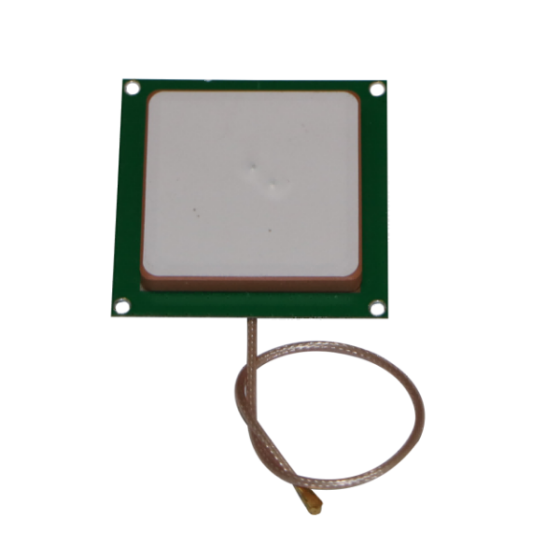
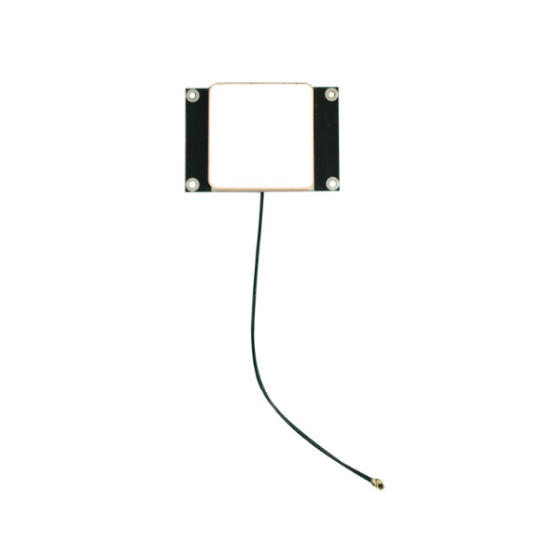
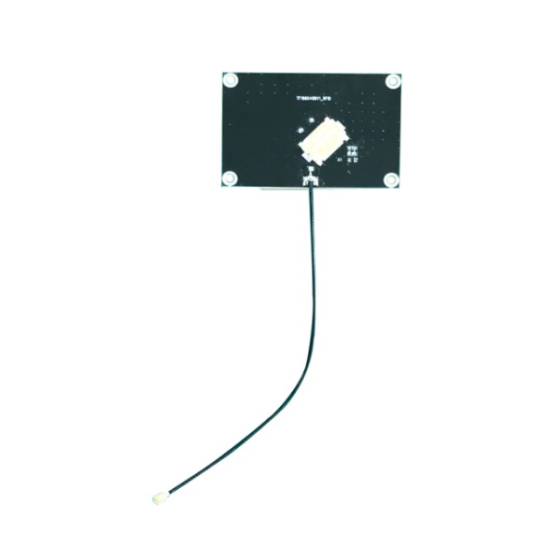
RFID tags are used to track returnable containers by giving each container a unique digital identity that can be detected as it moves between warehouses, production sites, distribution centres, and customers. RFID readers can capture container movements, helping businesses monitor locations, identify missing containers, and manage return and reuse cycles more efficiently.
Returnable containers are designed to be used repeatedly rather than discarded after a single shipment. Plastic totes, reusable crates, pallets, bins, racks, and other transport packaging can move through many locations before returning to a warehouse or production facility. Without an effective tracking system, it can be difficult to know where individual containers are, how many are available, or which ones have not been returned.
RFID provides a way to connect each physical container with digital tracking information and make these reusable assets easier to manage.
What Are Returnable Containers?
Returnable containers are reusable assets used to transport, store, or protect products during business operations and supply chain activities.
Common examples include:
-
Reusable plastic totes
-
Industrial bins
-
Plastic crates
-
Pallets
-
Roll cages
-
Metal racks
-
Reusable boxes
-
Automotive containers
-
Reusable transport packaging
-
Distribution containers
Unlike disposable packaging, these containers are expected to return to the business and enter another operating cycle.
For companies managing thousands of containers across multiple locations, simply counting containers manually may not provide enough visibility. RFID tags can give each container an individual identity, making it easier to track movements throughout its lifecycle.
How Does RFID Track Returnable Containers?
The basic RFID tracking process is straightforward:
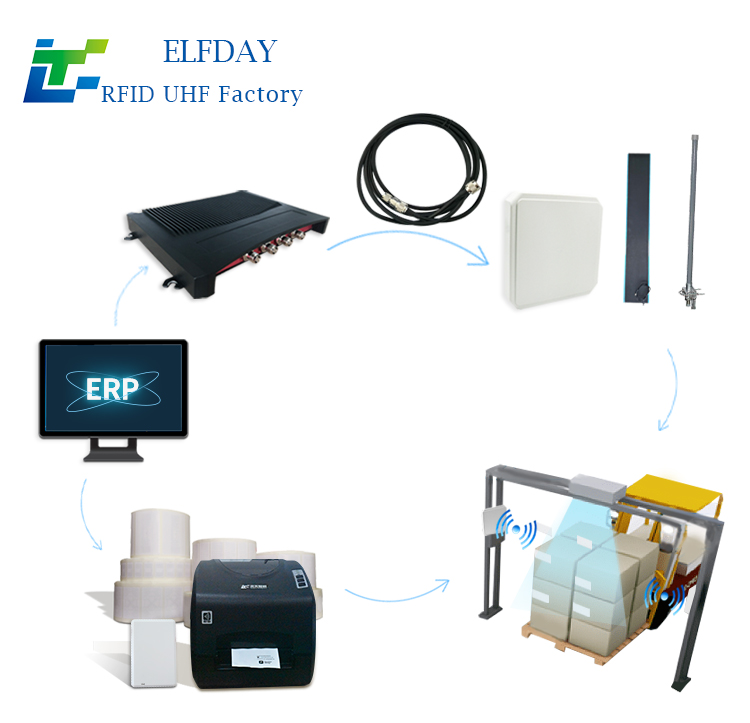
RFID tag → RFID reader → captured identification → tracking system → movement record
An RFID tag is attached to or embedded into each returnable container. The tag contains a unique identifier that distinguishes one container from another.
When the container passes through an RFID reading area, the reader detects the tag and sends the identification data to the connected system. The system can then associate the container with a location, shipment, transaction, or movement event.
For example:
Production site → Warehouse → Distribution centre → Customer → Return location → Cleaning/inspection → Reuse
At different points in this cycle, RFID readers can record when a particular container is detected.
This creates a digital history of container movements without requiring employees to manually record every individual container.
How RFID Tags Give Each Container a Unique Identity
One of the main advantages of RFID for returnable container tracking is individual identification.
Instead of treating 500 reusable containers as one general inventory category, each container can have its own identifier.
For example:
-
Container A1001
-
Container A1002
-
Container A1003
-
Container A1004
The tracking system can associate each identifier with information such as:
-
Container type
-
Asset number
-
Current status
-
Previous movement
-
Assigned location
-
Shipment information
-
Maintenance history
-
Return status
This makes it easier to distinguish individual reusable assets and investigate missing or delayed containers.
Tracking Containers Across the Supply Chain
Returnable containers often move through several locations before coming back to their original point.
A typical process may look like this:
Warehouse → Delivery → Customer → Return → Warehouse
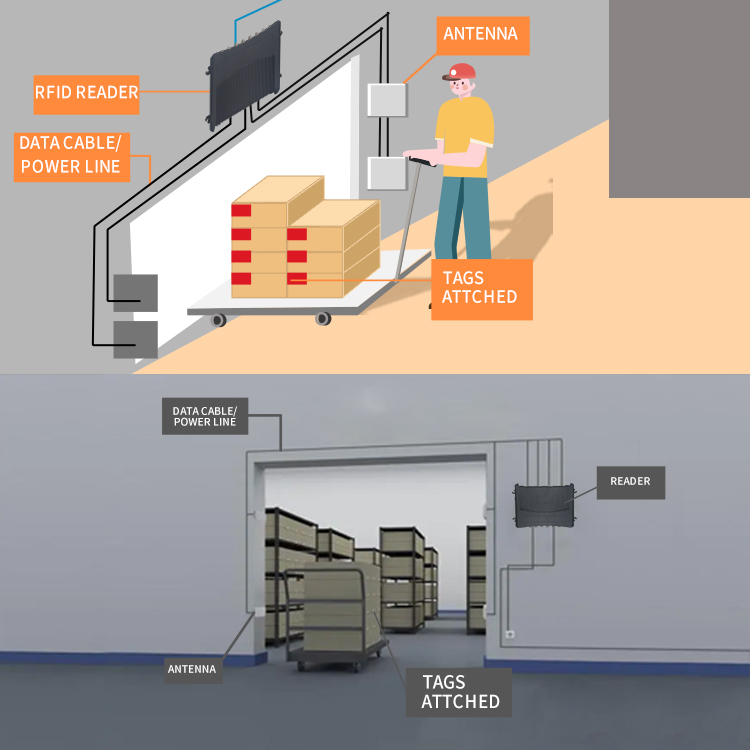
RFID readers positioned at important points can capture container detection events during this process.
For example, when containers leave a warehouse, their RFID identifiers can be recorded. When they arrive at another facility, another RFID reading can create a new movement event.
This provides better visibility into the flow of reusable containers.
Businesses can use this information to answer questions such as:
-
Which containers have been shipped?
-
Which containers have arrived?
-
Which containers are still at a customer location?
-
Which containers have been returned?
-
Which containers have not returned as expected?
-
How many containers are currently available?
Using RFID for Return Cycle Management
Returnable containers are valuable because they can be reused multiple times. However, their value depends partly on how efficiently they move through the return cycle.
A typical reuse cycle may include:
-
Container is prepared for shipment.
-
Products are loaded into the container.
-
Container leaves the warehouse.
-
Container arrives at a customer or operating location.
-
Products are unloaded.
-
Empty container is prepared for return.
-
Container returns to the warehouse.
-
Container is inspected or cleaned.
-
Container becomes available for another cycle.
RFID can help record important events during these stages.
If a container is expected to return within a certain period but no new RFID event is recorded, the system can flag it for investigation.
This can help businesses identify delayed, misplaced, or potentially lost containers.
How RFID Helps Identify Missing Containers
Returnable container loss can become a significant operational problem when reusable assets move between multiple organisations or locations.
Without individual identification, a business may know that 100 containers are missing but have limited information about which containers are missing or where they were last recorded.
RFID provides a more detailed approach.
Because each container has its own identifier, the tracking system can associate movement events with specific assets.
For example:
Container R2045 → Warehouse → Distribution centre → Customer → No return event
The business can investigate the last recorded movement instead of searching for an unidentified container within the entire supply chain.
RFID does not guarantee that a missing container can always be located. However, recorded detection events can provide useful information for tracing its last known movement.
Improving Returnable Container Inventory Accuracy
Businesses need to know not only how many containers they own, but also how many are actually available for use.
A container inventory may be divided between:
-
Warehouse stock
-
Production areas
-
In transit
-
Customer locations
-
Cleaning areas
-
Maintenance areas
-
Damaged or unusable assets
-
Containers awaiting return
Manual counting can become difficult when containers are constantly moving.
RFID can help update container records when assets pass through defined reading points. This can give teams a clearer view of container availability and reduce reliance on manual counts.
RFID for Warehouse Receiving and Shipping
Returnable containers frequently pass through warehouses, making receiving and shipping important tracking points.
When containers enter a warehouse, RFID readers can identify multiple tagged assets without requiring employees to scan each one individually.
During shipping, RFID can also help verify which containers are leaving a facility.
A simplified workflow is:
Receiving → RFID identification → Inventory update → Storage/use → Shipping → Movement record
This can reduce repetitive manual data entry and make container processing more efficient.
Can RFID Track Multiple Returnable Containers at Once?
Yes. One of the key advantages of RFID over traditional barcode scanning is the ability to identify multiple tagged items within a suitable reading area.
For example, a warehouse employee may move a group of RFID-tagged containers through a reader zone. The system can potentially detect several containers during the same process.
The actual number of tags that can be read reliably depends on factors such as:
-
RFID frequency
-
Reader configuration
-
Antenna placement
-
Tag design
-
Container material
-
Tag orientation
-
Reading distance
-
Container density
-
Surrounding metal or liquid
-
Environmental conditions
Therefore, RFID should be tested in the actual operating environment before deployment.
What Types of Returnable Containers Can Use RFID?
RFID tags can be used with many types of reusable containers when the tag is properly selected and installed.
Plastic Totes
Reusable plastic totes are common in warehouses, manufacturing, retail distribution, and logistics.
RFID tags can be attached to or embedded into suitable areas of the tote to provide long-term identification.
Plastic Crates
Reusable crates used for parts, food products, or other goods can be tracked individually using RFID.
Pallets
RFID tags can help identify reusable pallets and record their movement between warehouses, distribution centres, suppliers, and customers.
Metal Racks
Metal racks can require specialised RFID tags because metal can affect RFID performance. On-metal RFID tags may be appropriate for these applications.
Industrial Bins
Reusable industrial bins can be tracked throughout manufacturing and warehouse operations, particularly when large numbers of containers circulate between facilities.
RFID Tags vs Barcodes for Returnable Containers
Both RFID and barcodes can be used to identify reusable containers, but they work differently.
| Feature | RFID | Barcode |
| Line of sight | Generally not required | Usually required |
| Multiple-item identification | Possible | Usually one at a time |
| Manual scanning | Can be reduced | Usually required |
| Reading speed | Fast for multiple assets | Depends on scanning process |
| Individual identification | Yes | Yes |
| Automation potential | High | Moderate |
| Damaged label impact | Depends on tag design | Barcode may become unreadable |
| Long-term asset tracking | Suitable | Suitable with durable labels |
RFID can be particularly useful when containers need to be identified quickly or in groups.
However, barcode systems can remain a practical choice for smaller operations or applications where individual scanning is acceptable.
In some environments, RFID and barcodes can also be used together.
What Information Can Be Associated With an RFID-Tagged Container?
The RFID tag itself may contain a unique identifier rather than a complete record of all container information.
The tracking system can use that identifier to connect the physical container with a larger database.
Associated information may include:
-
Container ID
-
Container type
-
Owner or department
-
Current status
-
Last recorded location
-
Shipment number
-
Customer or destination
-
Return status
-
Inspection records
-
Cleaning status
-
Maintenance history
-
Damage records
-
Usage history
This separation between the physical tag and the backend database makes it possible to maintain detailed container information without storing all of it directly on the RFID tag.
Can RFID Help Track Container Usage and Maintenance?
Yes. RFID can support more than basic location tracking.
Because individual containers can be identified, businesses can associate operational events with specific assets.
For example, a reusable container could have a record showing:
Container ID → 125 movement events → 42 reuse cycles → 3 inspections → 1 repair
This type of information can help businesses understand how reusable assets are being used.
It may also support maintenance planning by identifying containers that have experienced frequent use or require inspection.
For reusable assets with long operating lifecycles, this can make RFID useful for both tracking and asset management.
What Factors Affect RFID Tracking Performance?
RFID performance depends on the complete system rather than the tag alone.
1. Container Material
Plastic, cardboard, wood, and metal can interact differently with RFID signals.
Metal containers or metal surfaces may require specialised tag designs.
2. Tag Placement
The location of the RFID tag can affect readability.
A tag placed too close to metal or other materials that interfere with RFID signals may perform differently from one placed in a more suitable position.
3. Tag Durability
Returnable containers may experience repeated handling, impacts, moisture, washing, temperature changes, and abrasion.
The RFID tag should therefore be designed for the expected operating environment.
4. Reader Placement
Readers and antennas need to be positioned according to the movement path of the containers.
For example, a reader installed at a warehouse doorway may capture containers passing through that area, while it may not provide information about containers stored elsewhere.
5. Reading Environment
The presence of metal, liquids, dense groups of containers, and other objects can influence RFID performance.
Testing in the actual environment is important before selecting a final tag and reader configuration.
Does RFID Provide Real-Time Container Location?
Not necessarily.
RFID records detection events when a tagged container comes within the effective reading area of an RFID reader.
For example:
10:15 AM → Container detected at Warehouse A
2:40 PM → Container detected at Shipping Area B
6:20 PM → Container detected at Distribution Centre C
This provides useful movement information, but it does not automatically mean the system knows the container's exact location every second.
Real-time or near-real-time visibility depends on the number and placement of RFID readers, system integration, and the way containers move through the operation.
How to Implement RFID Tracking for Returnable Containers
A practical RFID implementation can follow several steps.
Step 1: Identify the Containers
Determine which reusable assets need to be tracked.
These might include pallets, totes, crates, racks, bins, or other returnable packaging.
Step 2: Define Tracking Events
Decide which events are important.
For example:
-
Shipping
-
Receiving
-
Warehouse transfer
-
Customer delivery
-
Customer return
-
Cleaning
-
Inspection
-
Maintenance
Step 3: Select the RFID Tag
Choose a tag based on the container material, operating environment, required read range, durability, and attachment method.
Step 4: Determine Tag Placement
Test different mounting positions to find a location that provides reliable performance without interfering with normal container handling.
Step 5: Install RFID Readers
Place readers at the locations where container movement needs to be captured.
Step 6: Connect RFID Data With the Tracking System
The RFID identifier can be connected to inventory, warehouse, logistics, or asset management software.
Step 7: Test the Complete Workflow
Before large-scale deployment, test the system with real containers, actual loading conditions, and normal movement patterns.
This can help identify problems with tag placement, reader coverage, interference, and data processing.
What Are the Benefits of RFID Tags for Returnable Containers?
RFID tracking can provide several operational benefits:
Better Container Visibility
Businesses can gain clearer information about where reusable containers were last detected.
Faster Identification
Multiple containers can potentially be identified without manually scanning each one.
Improved Inventory Records
RFID detection events can help keep records of reusable assets more accurate.
Better Return Management
Businesses can monitor whether containers are returning as expected.
Reduced Container Loss
Individual identification and movement records can make missing assets easier to investigate.
More Efficient Reuse
Better visibility can help businesses identify available containers and return them to circulation more efficiently.
Reduced Manual Work
RFID can reduce repetitive counting and scanning tasks at suitable tracking points.
Frequently Asked Questions
Can RFID tags be attached to reusable plastic containers?
Yes. RFID tags can be attached to many reusable plastic containers. The tag should be selected and positioned according to the container design and operating environment.
Can RFID track returnable pallets?
Yes. RFID tags can be used to identify and track reusable pallets as they move between warehouses, production facilities, distribution centres, and other locations.
Can RFID track containers at customer locations?
Yes, provided RFID readers are available at the relevant customer or return locations. RFID can record when tagged containers are detected at those points.
Can RFID identify a lost container?
RFID cannot automatically locate a container that is completely outside the reading range of the system. However, its last recorded RFID detection can help determine the container's last known movement or location.
Are RFID tags durable enough for returnable containers?
They can be, but tag durability should match the application's environmental conditions. Containers exposed to water, chemicals, heat, abrasion, impact, or repeated washing may require specialised RFID tags.
Can RFID tags be embedded into reusable containers?
Yes. In some applications, RFID tags can be embedded into suitable areas of a container during manufacturing or assembly. This can provide better protection than external attachment.
Does every returnable container need its own RFID tag?
For individual asset tracking, each container normally needs a unique RFID identity. This allows the system to distinguish one container from another.
RFID tags are used to track returnable containers by giving each reusable asset a unique digital identity and recording its movement when it passes through RFID reading points. This can help businesses monitor containers across warehouses, production facilities, distribution centres, customer locations, and return points.
The biggest value of RFID is not simply knowing how many containers exist. It is being able to associate individual containers with movement events, return cycles, inventory records, and asset information.
For operations with large numbers of reusable totes, crates, pallets, racks, bins, or other returnable packaging, RFID can provide a more automated and scalable approach to container tracking. With the right tag, reader placement, and software integration, businesses can improve visibility, reduce manual tracking, identify missing assets, and manage reusable containers more efficiently.