



How Are RFID Tags Used for Product Replenishment?
RFID tags are used for product replenishment by connecting physical merchandise with inventory information. Retailers can use RFID readers to identify products in stockrooms and sales areas, detect items that need replenishment, locate available stock, and help employees restock products more efficiently.
Product replenishment is an important part of retail inventory management. When products sell quickly, retailers need to know which items are available, which products are running low, and whether additional merchandise is stored in the back room. RFID can provide better visibility into this physical inventory and make replenishment checks faster.
What Is Product Replenishment in Retail?
Product replenishment is the process of moving or ordering merchandise to maintain sufficient product availability.
In a typical retail store, replenishment may involve:
-
Checking products on the sales floor
-
Identifying items with low availability
-
Checking the stockroom for additional units
-
Locating the required merchandise
-
Moving products to the sales floor
-
Updating inventory information
-
Reordering products when store inventory is insufficient
The process sounds simple, but it can become difficult when a store has thousands of individual products.
RFID can help by making it easier to identify and track tagged merchandise during these activities.
How Are RFID Tags Used for Product Replenishment?
RFID tags give products unique digital identities that can be detected by RFID readers.
A basic replenishment workflow looks like this:
RFID-tagged product → inventory check → identify low-stock items → locate available merchandise → replenish sales floor → update inventory
Instead of manually scanning individual barcodes, employees can use RFID readers to identify multiple tagged products during an inventory check.
This can help retailers determine what merchandise needs attention and whether replacement stock is already available in the store.
1. RFID Identifies Products That Need Replenishment
One of the first steps in replenishment is identifying which products need to be restocked.
For example, a clothing store may have:
-
10 shirts in inventory
-
3 shirts currently on the sales floor
-
7 shirts in the stockroom
If only two shirts are visible to customers, the store may need to replenish the sales floor even though the overall inventory quantity is still relatively high.
RFID can help employees identify the products physically present in different areas.
This makes it easier to distinguish between:
-
Products that are actually low in inventory
-
Products that are available in the stockroom
-
Products that are misplaced
-
Products that are already on the sales floor
2. RFID Helps Locate Products in Stockrooms
A common replenishment problem occurs when merchandise exists in the store but employees cannot quickly locate it.
For example, the inventory system may show that several units are available, but those products may be stored somewhere in a large stockroom.
RFID readers can help employees identify tagged products during stockroom checks.
A typical process may be:
Low stock detected → RFID reader used in stockroom → available products identified → merchandise located → products moved to sales floor
This can reduce the time spent searching for individual products.
3. RFID Improves Inventory Visibility
Effective replenishment depends on accurate information about physical inventory.
Retailers need to know:
-
What products are available
-
How many units are available
-
Where products are located
-
Which products are on the sales floor
-
Which products are in the stockroom
-
Which items need replenishment
RFID can improve this visibility by connecting tagged merchandise with digital inventory records.
The result is a clearer picture of physical inventory that can support replenishment decisions.
4. RFID Supports Faster Inventory Checks
Traditional barcode-based inventory checks usually require employees to scan products individually.
RFID can identify multiple tagged products during a reading session, depending on the reader configuration and environment.
This can make inventory checks more efficient.
For example, an employee can use a handheld RFID reader to check a stockroom and identify multiple products without stopping to scan every individual barcode.
Faster inventory checks can make it more practical for retailers to perform replenishment checks more frequently.
5. RFID Helps Replenish the Sales Floor
The main purpose of retail replenishment is often to make products available to customers.
Products may be stored in the back room even when customers are looking for them on the sales floor.
RFID can help employees identify these products and determine which merchandise should be moved forward.
A simple workflow is:
Check sales floor → identify missing products → check stockroom → locate tagged merchandise → move products → verify availability
This can help reduce situations where products are technically in stock but unavailable to customers.
6. RFID Can Help Identify Low-Stock Situations
RFID can provide information that helps employees recognize products that may require attention.
For example, a store may establish replenishment rules based on:
-
Minimum shelf quantity
-
Product demand
-
Product category
-
Store layout
-
Sales volume
-
Time of day
-
Seasonal demand
When physical inventory information indicates that a product is below the desired level, employees can check whether additional units are available in the stockroom.
RFID does not determine the ideal replenishment level by itself. That decision depends on the retailer's inventory strategy and software.
7. RFID Helps Reduce Manual Scanning
Manual scanning can make frequent replenishment checks time-consuming.
Employees may otherwise need to:
-
Find products
-
Scan barcodes
-
Count units
-
Record quantities
-
Check stockroom inventory
-
Compare information with the inventory system
RFID can automate part of the product identification process.
This allows employees to spend less time on repetitive scanning and more time on physical replenishment and exception handling.
8. RFID Supports More Accurate Replenishment Decisions
Replenishment decisions depend heavily on inventory accuracy.
If inventory records are incorrect, a retailer may believe that products are available when they are not.
The opposite can also happen: products may physically exist in the store but appear unavailable in the system.
RFID can help identify physical merchandise and compare it with inventory records.
For example:
System inventory: 20 units
RFID-detected inventory: 16 units
The difference can trigger further investigation before the retailer relies on the inventory record for replenishment planning.
RFID does not automatically determine the cause of the discrepancy, but it can make discrepancies easier to identify.
RFID Product Replenishment Workflow
A retail RFID replenishment process can be divided into several stages.
Stage 1: Tag Products
RFID tags are attached to relevant merchandise.
Each tag provides a unique product identity that can be associated with inventory information.
Stage 2: Check Inventory
Employees use handheld RFID readers or other RFID equipment to identify products in the store.
Stage 3: Identify Products Requiring Replenishment
Inventory information can be used to determine which products are missing from the sales floor or below the desired stock level.
Stage 4: Locate Available Merchandise
Employees check stockrooms or other storage areas to identify available tagged products.
Stage 5: Move Products to the Sales Floor
Available merchandise is moved from storage to customer-facing areas.
Stage 6: Update Inventory Information
RFID data can be integrated with inventory management software to support inventory updates and replenishment records.
Stage 7: Monitor Availability
Retailers can continue checking inventory to determine whether products remain available at the required level.
RFID for Different Product Replenishment Scenarios
RFID can support different replenishment workflows depending on the retail environment.
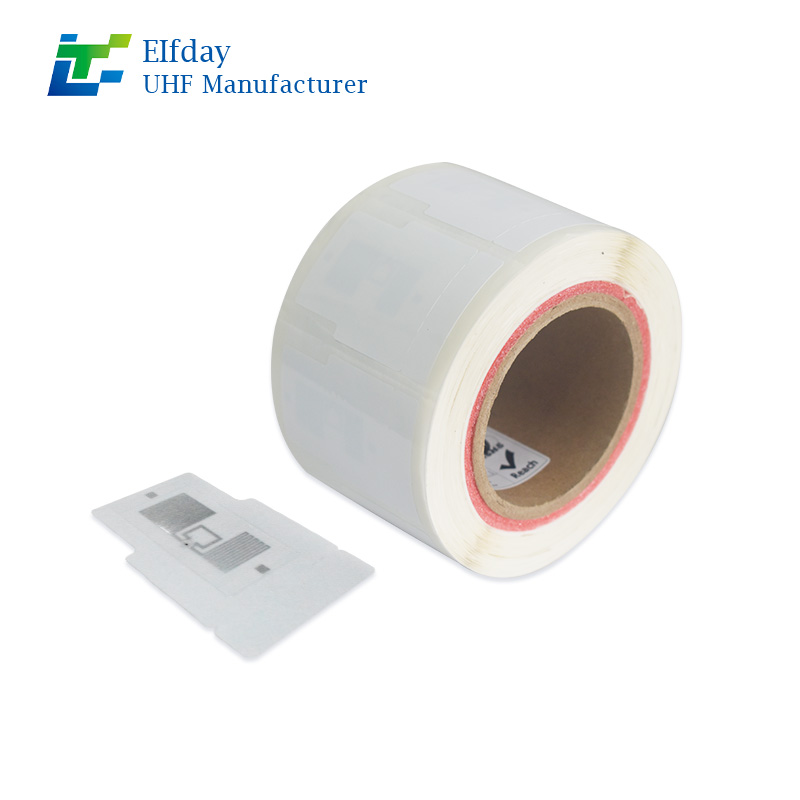
Clothing Stores
Apparel retailers can use RFID tags on:
-
Shirts
-
Jackets
-
Dresses
-
Trousers
-
Shoes
-
Bags
-
Accessories
Because clothing inventory often includes multiple sizes and colours, item-level RFID identification can help employees locate specific products for replenishment.
Grocery and Food Retail
RFID may be used for selected products, cases, containers, or packaged goods depending on the retail environment.
Product materials, liquids, packaging, temperature, and tag placement can affect RFID performance.
Electronics Stores
RFID can help identify packaged electronics, accessories, and selected inventory items.
Better visibility can help employees locate products that need to be moved to customer-facing areas.
Home and Furniture Retail
Larger products and packaged merchandise can be tracked with RFID when appropriate tags and reader configurations are used.
Metal surfaces and dense materials may require specialized RFID solutions.
Specialty Retail
Stores with many individual products can use RFID to support inventory checks and identify merchandise that needs to be replenished.
RFID and Automated Product Replenishment
RFID can support automated or semi-automated replenishment workflows, but RFID alone does not automatically restock shelves.
A more complete system may combine:
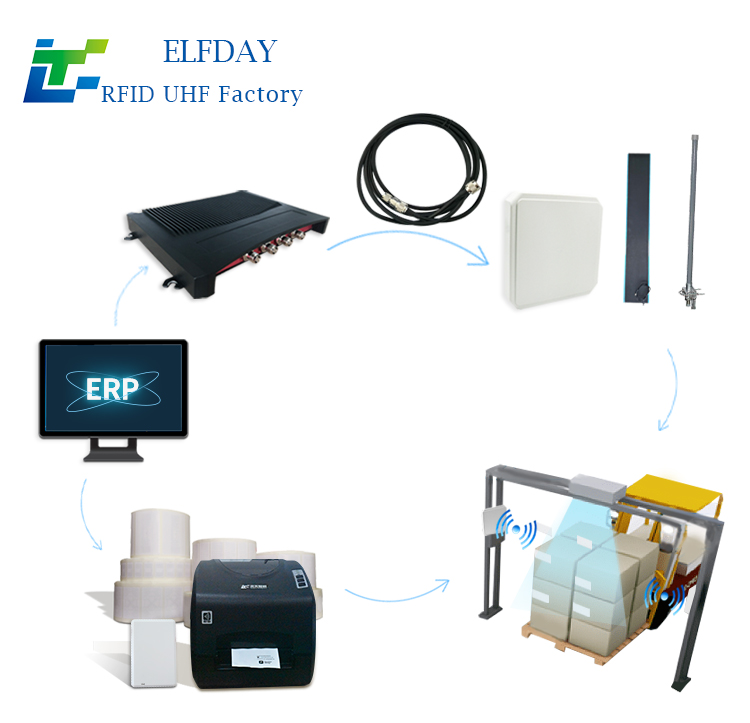
RFID tags + RFID readers + inventory software + replenishment rules + employee workflows
For example:
RFID detects inventory → software processes inventory data → low-stock condition identified → replenishment task created → employee receives task → product moved to sales floor
This type of workflow can reduce the amount of manual inventory monitoring required.
The level of automation depends on the retailer's software, hardware, and operational processes.
RFID vs. Barcode for Product Replenishment
RFID and barcodes can both support product replenishment.
| Feature | RFID | Barcode |
| Multiple-item identification | Possible | Usually one item at a time |
| Line of sight | Generally not required | Usually required |
| Product-level identification | Yes | Yes |
| Stockroom inventory checks | Efficient for bulk identification | More manual |
| Sales-floor inventory checks | Can identify multiple tagged items | Usually individual scans |
| Manual scanning | Reduced | Usually required |
| Automation potential | High | Moderate |
| Implementation cost | Generally higher | Generally lower |
RFID may be useful when retailers need frequent inventory checks across large numbers of products.
Barcodes can remain suitable for stores where individual scanning provides enough inventory visibility.
What Factors Affect RFID Replenishment Performance?
RFID performance depends on several factors.
Tag Selection
The RFID tag should match the product and environment.
Metal and liquid products may require specialized RFID tags because these materials can affect UHF RFID performance.
Tag Placement
The position of the RFID tag can affect how effectively it communicates with readers.
Reader Configuration
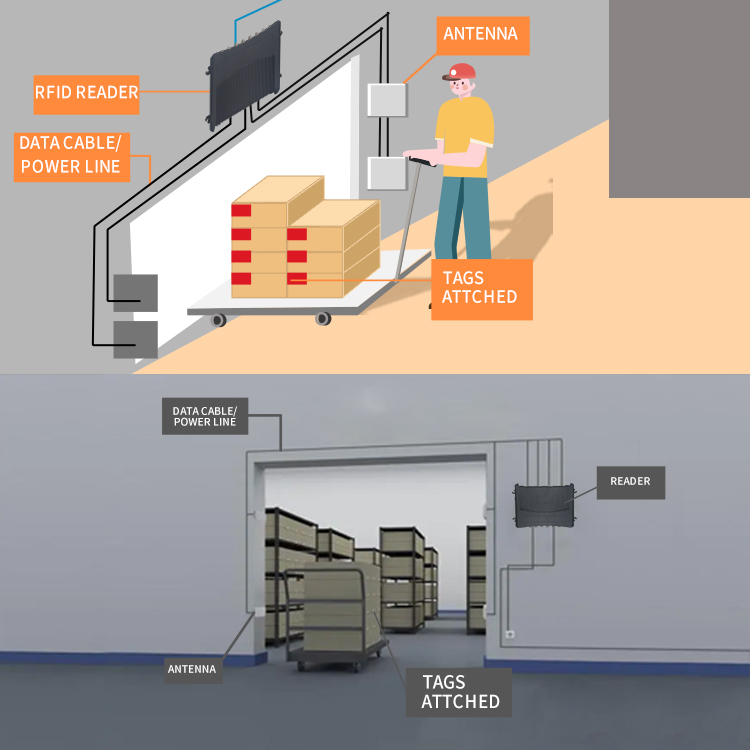
Reader location, antenna orientation, and reading zones can influence product detection.
Product Density
Large quantities of closely packed products can make RFID system design more challenging.
Store Layout
Shelves, fixtures, walls, and other structures can affect RFID signal behaviour.
Software Integration
RFID data needs to be connected to inventory systems to support meaningful replenishment workflows.
Employee Procedures
Employees still need clear procedures for checking inventory, moving merchandise, handling exceptions, and updating products.
How to Implement RFID for Product Replenishment
Retailers can start with a specific replenishment problem rather than attempting to RFID-enable every product and process at once.
1. Identify Replenishment Problems
Determine where replenishment delays occur.
Common problems include:
-
Products remaining in stockrooms
-
Inaccurate inventory records
-
Slow stock checks
-
Difficulty locating products
-
Frequent shelf stockouts
-
Manual counting
2. Select Products to Tag
Choose products where better inventory visibility could provide measurable value.
Consider:
-
Sales volume
-
Product turnover
-
Stockout frequency
-
Product material
-
Product size
-
Inventory value
3. Select Suitable RFID Tags
Choose tags according to the product's material, surface, packaging, environment, and attachment requirements.
4. Determine RFID Reading Areas
Identify where inventory information needs to be captured.
Possible locations include:
-
Receiving areas
-
Stockrooms
-
Sales floors
-
Back rooms
-
Order fulfillment areas
5. Connect RFID With Inventory Software
RFID data should be associated with product records and replenishment rules.
This allows inventory events to support operational decisions.
6. Test the Replenishment Workflow
Testing should use real products and actual store conditions.
Evaluate:
-
Read performance
-
Tag placement
-
Reader coverage
-
Product density
-
Inventory accuracy
-
Replenishment time
-
Employee workflow
7. Measure the Results
Useful metrics include:
-
Replenishment time
-
Inventory accuracy
-
Shelf availability
-
Stockout frequency
-
Stockroom search time
-
Inventory check time
-
Product availability
What Are the Benefits of RFID for Product Replenishment?
RFID can provide several benefits for retail replenishment:
-
Faster inventory checks
-
Better stockroom visibility
-
Easier product location
-
More accurate inventory information
-
Faster shelf replenishment
-
Reduced manual scanning
-
Better product availability
-
Earlier identification of low-stock situations
-
Improved inventory visibility
-
Better support for omnichannel fulfillment
The value comes from improving the flow of information between physical merchandise and inventory systems.
Frequently Asked Questions
How do RFID tags help with product replenishment?
RFID tags help retailers identify products in stockrooms and sales areas, determine which items need replenishment, locate available merchandise, and support faster shelf restocking.
Can RFID automatically replenish store shelves?
Not by itself. RFID can provide inventory information and trigger replenishment workflows, but physically moving products to the sales floor generally still requires employees or other store equipment.
Can RFID identify products in a stockroom?
Yes. When suitable RFID tags and readers are used, RFID can identify tagged products in stockrooms and help employees locate available merchandise.
Does RFID help prevent shelf stockouts?
RFID can help reduce some preventable stockouts by improving inventory visibility and helping employees identify products that are available but not currently on the sales floor. It cannot eliminate all stockouts because product demand, supply, and inventory levels also affect availability.
Is RFID better than barcodes for replenishment?
RFID can provide advantages for high-volume inventory checks because multiple tagged products can potentially be identified without individual line-of-sight scanning. Barcodes are generally simpler and less expensive. The appropriate option depends on the retailer's requirements.
Can RFID support online order fulfillment?
Yes. Better visibility into physical inventory can help retailers determine which products are available for processes such as click and collect, buy online and pick up in store, and ship-from-store.
RFID tags are used for product replenishment by connecting physical merchandise with inventory information. Retailers can use RFID readers to identify products in stockrooms and sales areas, detect items that need replenishment, locate available stock, and support faster shelf restocking.
The technology can be particularly useful when stores have large amounts of merchandise and need to perform frequent inventory checks. RFID can reduce reliance on individual barcode scanning and provide better visibility into where products are physically located.
However, RFID is not a complete replenishment solution on its own. Tag selection, placement, reader coverage, store layout, software integration, inventory rules, and employee workflows all affect the results.
When these elements are properly coordinated, RFID can help retailers maintain clearer inventory information, identify replenishment needs more efficiently, and keep more of the right products available where customers expect to find them.