



How Can RFID Tags Improve Inventory Visibility?
Inventory visibility is essential for warehouses, retailers, manufacturers, and supply chain operations. Businesses need to know what inventory they have, where it is located, how it is moving, and when stock needs to be replenished.
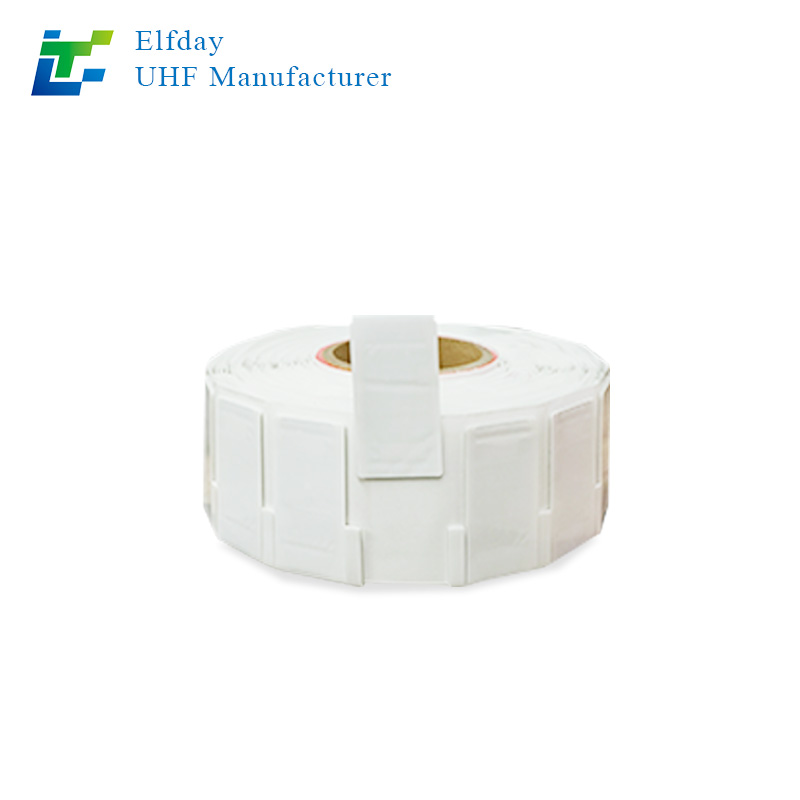
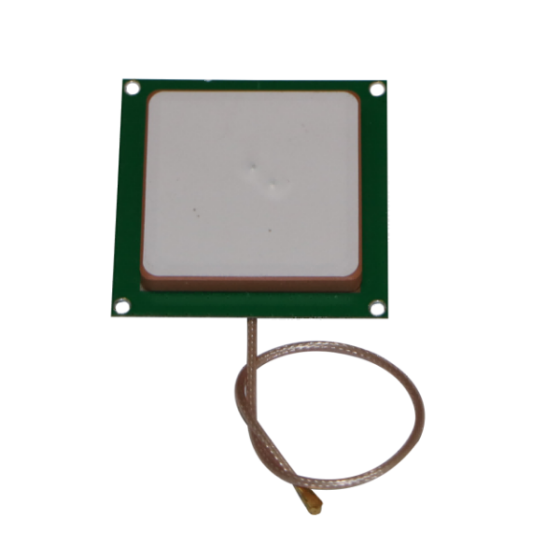
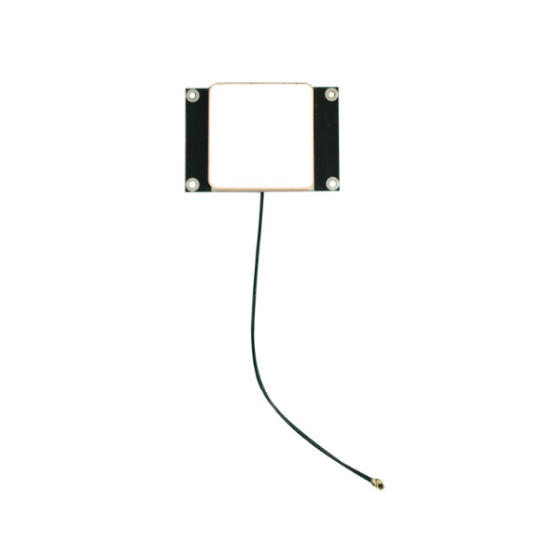
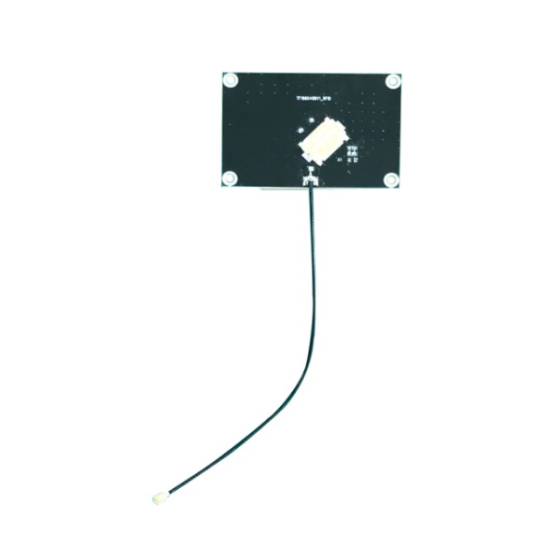
RFID tags can improve inventory visibility by giving individual products, cartons, pallets, and assets a digital identity that RFID readers can detect automatically. Instead of relying entirely on manual counting or scanning one barcode at a time, businesses can use RFID technology to identify multiple tagged items as they move through receiving, storage, picking, shipping, and other operational areas.
This can provide more frequent inventory updates, reduce manual checks, improve stock accuracy, and make it easier to identify missing, misplaced, or incorrectly recorded items.
What Does Inventory Visibility Mean?
Inventory visibility refers to how accurately and consistently a business can see the status and location of its inventory.
Good inventory visibility can answer questions such as:
-
What products are currently in stock?
-
How many items are available?
-
Where is a particular product located?
-
Which items have been received?
-
Which products have been picked or shipped?
-
Are any items missing or misplaced?
-
When should inventory be replenished?
-
Does the physical inventory match the inventory records?
Traditional inventory management often depends on periodic stock counts and barcode scanning. These methods can work well, but they may require significant manual effort.
RFID provides another approach by allowing tagged items to be identified automatically when they pass through an RFID reading area.
How Do RFID Tags Improve Inventory Visibility?
RFID tags improve inventory visibility mainly by making item identification more automated and frequent.
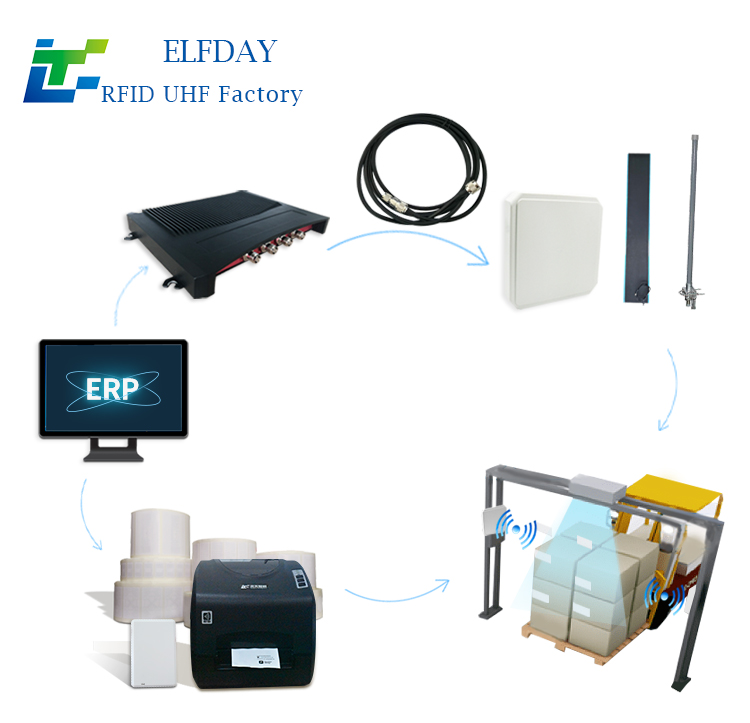
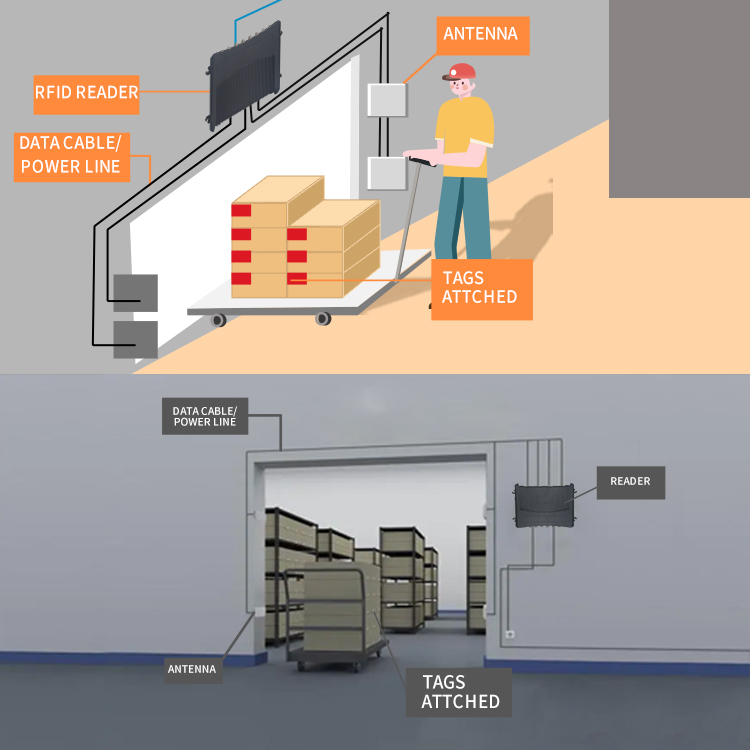
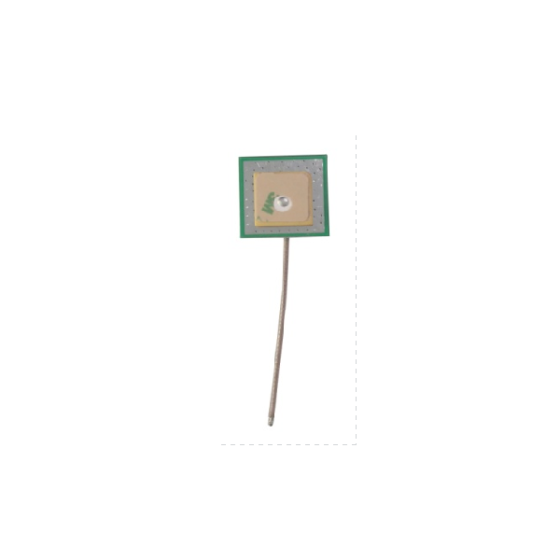
An RFID system typically includes RFID tags, readers, antennas, and inventory management software. The tag stores an identifier, while the reader detects the tag and sends the information to connected software.
A typical process looks like this:
RFID tag → RFID reader → Data capture → Inventory system → Inventory visibility
Depending on the system design, RFID readers can identify multiple tags within their reading range. This means employees may not need to individually scan every product.
For example, a pallet containing dozens of tagged cartons can pass through an RFID reading area. The system can detect the tags and compare the captured information with the expected shipment or inventory record.
This creates a more automated way to update inventory information.
1. RFID Gives Products a Digital Identity
One of the fundamental advantages of RFID is that each tag can carry a unique identifier.
Instead of treating a group of products as a single quantity, businesses can associate an RFID tag with an individual item, carton, pallet, or asset.
For example:
| Inventory Level | RFID Application |
| Individual product | Track specific items |
| Carton | Identify packaged inventory |
| Pallet | Track grouped shipments |
| Container | Monitor reusable containers |
| Asset | Track equipment or returnable items |
This digital identity makes it easier to associate physical inventory with information stored in an inventory management system.
2. RFID Reduces Manual Inventory Counting
Manual counting can take considerable time, particularly when a warehouse contains thousands of products.
Employees may need to:
-
Locate inventory
-
Count items
-
Record quantities
-
Compare physical counts with system records
-
Investigate discrepancies
RFID can automate part of this process.
When tagged products are within the reading area, RFID readers can capture multiple tag identifiers without requiring employees to manually scan each item.
This does not completely eliminate physical inventory checks, but it can reduce the amount of manual identification involved.
3. RFID Can Track Inventory Movement
Inventory visibility is not only about knowing how much stock exists. It is also about understanding where inventory is moving.
RFID readers can be positioned at important points in a workflow, such as:
-
Receiving docks
-
Warehouse entrances
-
Storage areas
-
Conveyor systems
-
Picking stations
-
Packing areas
-
Shipping docks
-
Retail backrooms
When tagged inventory passes through these areas, the system can record the event.
For example:
Receiving → Storage → Picking → Packing → Shipping
RFID events can help create a digital record of these movements.
This can make it easier to understand where inventory was last detected and which stage of the workflow it has reached.
4. RFID Helps Identify Inventory Discrepancies
Inventory discrepancies occur when physical stock does not match inventory records.
Common examples include:
-
An item is physically present but missing from the system
-
Inventory records show stock that cannot be located
-
Products are stored in the wrong location
-
Items are shipped without the expected system update
-
Quantities are recorded incorrectly
RFID can help identify these differences by providing more frequent identification events.
For example, if the system expects 100 tagged cartons in a storage area but only detects 96, the discrepancy can be investigated before it becomes a larger inventory problem.
The RFID system does not automatically determine why four cartons are missing. However, it can provide useful information that helps employees investigate the issue.
5. RFID Enables Faster Multi-Item Identification
One major difference between RFID and traditional barcode scanning is how items are identified.
With conventional barcode workflows, an employee usually needs to position the barcode toward a scanner and scan products individually.
RFID can potentially identify multiple tags during the same reading event.
This is particularly useful in high-volume environments.
For example, consider a receiving area where a shipment contains 50 tagged cartons.
A barcode-based process may require individual scanning.
An RFID-based process can be designed so that the cartons pass through an RFID reading zone and multiple tags are captured automatically.
The actual performance depends on factors such as tag design, reader configuration, tag orientation, product materials, and the physical environment.
6. RFID Improves Visibility During Warehouse Receiving
Receiving is one of the most important stages for inventory visibility.
When new products arrive, businesses need to verify what has been delivered and update inventory records.
An RFID receiving workflow can look like this:
Shipment arrives → RFID tags are detected → Items are identified → Data is compared → Inventory is updated → Goods move to storage
This can help employees identify incoming products more efficiently and detect potential discrepancies earlier.
For example, if a shipment is expected to contain 200 tagged cartons but the RFID system identifies 195, employees can investigate the difference before the shipment is moved into storage.
7. RFID Supports Better Warehouse Location Visibility
Knowing that an item exists is useful, but knowing where it is can be even more valuable.
RFID readers can be deployed at different locations within a warehouse to create inventory movement records.
For example:
Receiving Area → Aisle 3 → Storage Zone B → Picking Area
When the system detects a tagged item at different points, it can build a history of the item's movement.
However, RFID does not automatically provide precise GPS-style positioning.
The level of location visibility depends on the number and placement of readers, antennas, software configuration, and the physical warehouse layout.
A well-designed system can therefore provide useful location information without necessarily tracking an item continuously at every moment.
8. RFID Can Provide More Frequent Inventory Updates
Traditional stock counts may happen once a day, once a week, or even less frequently.
Between inventory counts, the actual stock position can change significantly.
RFID can increase the frequency of inventory identification because tags can be detected automatically as they move through equipped areas.
This can create more up-to-date inventory information.
It is important to distinguish between more frequent visibility and guaranteed real-time visibility.
RFID itself does not automatically make inventory data real-time. Real-time or near-real-time visibility depends on the complete system, including reader coverage, network connectivity, software integration, and data processing.
RFID vs. Barcode for Inventory Visibility
RFID and barcodes can both support inventory management, but they operate differently.
| Feature | RFID | Barcode |
| Direct line of sight | Usually not required | Usually required |
| Multiple-item identification | Possible | Typically one at a time |
| Manual scanning | Can be reduced | Usually required |
| Read distance | Can be longer depending on RFID type | Generally short |
| Item-level identification | Yes | Yes |
| Automation potential | High | Moderate |
| Cost per label | Generally higher | Generally lower |
| Performance with metal/liquids | Requires careful tag selection | Often easier to manage visually |
| Best use cases | Automated tracking, bulk identification | Simple identification and scanning |
The choice does not have to be RFID or barcode. Many businesses use both technologies for different workflows.
Where Can RFID Improve Inventory Visibility?
RFID can support inventory visibility across several operational environments.
Warehouses
In warehouses, RFID can help track products during:
-
Receiving
-
Put-away
-
Storage
-
Picking
-
Packing
-
Shipping
-
Cycle counting
This can reduce the need for repeated manual identification.
Retail Stores
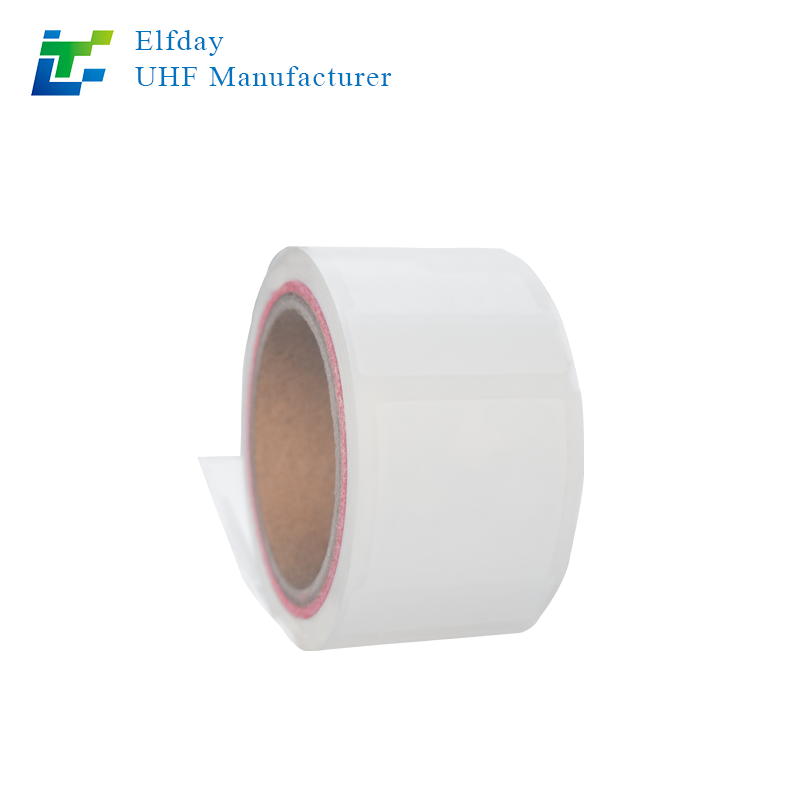
Retailers can use RFID tags to identify merchandise in:
-
Stockrooms
-
Store floors
-
Receiving areas
-
Distribution centers
More frequent inventory identification can help staff understand what products are available and which items may need replenishment.
Manufacturing
Manufacturers can use RFID to track:
-
Raw materials
-
Work-in-progress inventory
-
Finished goods
-
Components
-
Returnable containers
This can help connect physical materials with production and inventory records.
Distribution and Logistics
RFID can also support visibility as goods move between locations.
Tagged cartons, pallets, and containers can be identified at shipping and receiving points, helping businesses create a more consistent record of inventory movement.
What Factors Affect RFID Inventory Visibility?
RFID performance depends on more than simply attaching a tag to a product.
Several factors can affect how reliably tags are detected.
Tag Placement
The position of an RFID tag can influence read performance.
Poor placement may reduce the effectiveness of the RFID antenna or place the tag too close to materials that interfere with radio-frequency communication.
Tag Orientation
The orientation between the tag and reader antenna can affect the reading process.
For applications involving moving products, testing different tag orientations can help determine the most reliable configuration.
Metal
Metal surfaces can interfere with conventional RFID tag performance.
Products containing metal or equipment made from metal may require specialized on-metal or anti-metal RFID tags.
Liquids
Liquids can also affect UHF RFID performance because they can absorb or alter radio-frequency energy.
For bottles, containers, and liquid products, tag selection and placement should be tested with the actual product and packaging.
Reader and Antenna Placement
Reader coverage has a major influence on inventory visibility.
If important movement points are outside the reading zone, inventory events may not be captured.
The system should therefore be designed around the actual workflow rather than simply installing readers wherever convenient.
Software Integration
RFID readers generate identification data, but that data needs to be connected to an inventory management or warehouse management system.
The software determines how RFID events are interpreted and used.
Without appropriate integration, businesses may collect RFID data without gaining useful inventory visibility.
How to Implement RFID for Better Inventory Visibility
A successful RFID project usually starts with the business workflow rather than the hardware.
Step 1: Identify the Visibility Problem
Determine what information is currently difficult to obtain.
For example:
-
Inventory counts are inaccurate
-
Items are frequently misplaced
-
Receiving takes too long
-
Stock records are updated slowly
-
Employees spend too much time searching for products
Step 2: Define the Tracking Level
Decide whether RFID tags should be applied to:
-
Individual products
-
Cases
-
Cartons
-
Pallets
-
Containers
-
Assets
The tracking level should match the business objective.
Step 3: Select Appropriate RFID Tags
Consider:
-
Product material
-
Metal content
-
Liquid content
-
Temperature
-
Moisture
-
Required read distance
-
Tag size
-
Attachment method
-
Expected operating environment
There is no single RFID tag that is ideal for every inventory application.
Step 4: Design Reader Coverage
Identify the locations where inventory events matter most.
These may include receiving docks, warehouse doors, storage zones, picking areas, and shipping stations.
Step 5: Connect RFID Data to Inventory Software
RFID identification data should be connected to the systems responsible for inventory records.
This allows RFID events to become useful inventory information rather than isolated reader data.
Step 6: Test With Real Products
Testing should use actual products, packaging, shelving, equipment, and warehouse conditions.
Laboratory performance does not always reflect real-world performance.
Step 7: Expand Gradually
A pilot project can help identify problems with tag placement, reader coverage, software integration, and workflow design before the system is expanded to the entire operation.
Best Practices for Improving Inventory Visibility With RFID
For better results, businesses should consider the following practices:
-
Test tags on actual products before large-scale deployment.
-
Place readers at important inventory movement points.
-
Use appropriate tags for metal or liquid products.
-
Standardize tag placement where possible.
-
Monitor missed reads and unexpected reads.
-
Integrate RFID data with existing inventory software.
-
Use RFID events to support exception management.
-
Regularly review reader coverage.
-
Combine RFID data with other inventory information when necessary.
-
Measure improvements using clear operational metrics.
Useful metrics may include:
-
Inventory accuracy
-
Receiving time
-
Cycle-counting time
-
Order fulfillment accuracy
-
Stockout frequency
-
Misplaced inventory
-
Manual scanning time
Common Mistakes When Using RFID for Inventory Visibility
RFID can improve inventory visibility, but poor implementation can limit its benefits.
Assuming Every RFID Tag Works Everywhere
Different products and environments require different tag designs.
A tag that performs well on cardboard may not perform the same way on metal or liquid-filled products.
Installing Too Few Readers
If important inventory movement points are not covered, the system may miss events.
Ignoring Tag Placement
Even a suitable RFID tag can perform poorly if it is attached in an unsuitable location.
Expecting Perfect Real-Time Tracking
RFID provides identification events within a reading environment. It does not automatically provide continuous location tracking.
Focusing Only on Hardware
RFID visibility depends on the complete system.
Tags, readers, antennas, software, network connectivity, workflow design, and employee procedures all contribute to the final result.
Frequently Asked Questions
Can RFID tags provide real-time inventory visibility?
RFID can support real-time or near-real-time inventory updates when readers are continuously monitoring relevant areas and the RFID data is integrated with inventory software. However, RFID alone does not guarantee real-time visibility.
Do RFID tags improve inventory accuracy?
They can. By automating item identification and reducing some manual scanning and counting tasks, RFID can help businesses maintain more accurate inventory records. Actual accuracy depends on tag performance, reader coverage, system integration, and operational procedures.
Can RFID track the exact location of inventory?
RFID can provide location-related information when readers are strategically positioned throughout a facility. However, standard RFID is not inherently a precise indoor positioning technology. The level of location detail depends on system design.
Can RFID identify multiple inventory items at once?
Yes. RFID systems can be designed to identify multiple tagged items within a reader's operating area, making the technology useful for bulk inventory identification.
Is RFID better than barcodes for inventory management?
RFID and barcodes have different strengths. RFID can provide more automated, multi-item identification and does not normally require direct line of sight. Barcodes are generally simpler and less expensive for basic identification. The appropriate technology depends on the workflow, environment, and business requirements.
Do RFID tags work on metal products?
They can, but conventional RFID tags may not perform well directly on metal. Specialized on-metal RFID tags are often used for metal surfaces and equipment.
Can RFID work with liquid products?
Yes, but liquids can affect UHF RFID performance. Tag selection and placement are especially important for bottles, containers, and other liquid products.
RFID tags can improve inventory visibility by making product identification and inventory movement tracking more automated. By assigning digital identities to products, cartons, pallets, and assets, RFID systems can help businesses identify inventory during receiving, storage, picking, and shipping.
The main benefits can include more frequent inventory updates, reduced manual scanning, faster item identification, better discrepancy detection, and improved awareness of inventory movement.
However, RFID is not a standalone solution that automatically guarantees perfect or real-time inventory visibility. Tag selection, placement, reader coverage, product materials, warehouse layout, software integration, and workflow design all influence the final results.
For businesses considering RFID, the most practical approach is to identify the specific inventory visibility problem first, then design the tagging and reading system around the actual workflow. With appropriate testing and implementation, RFID can become a useful foundation for more automated and data-driven inventory management.